



Instead of undergoing complex dental restoration procedures, composite dental filling is a quick and safe solution for those looking to correct gaps, chips, or cavities. So what is composite dental fillings, how is the procedure performed, and what benefits does it bring to your smile? All of these questions will be clearly explained by Shark Dental Clinic in the article below!
What is a composite dental filling and how does it work?
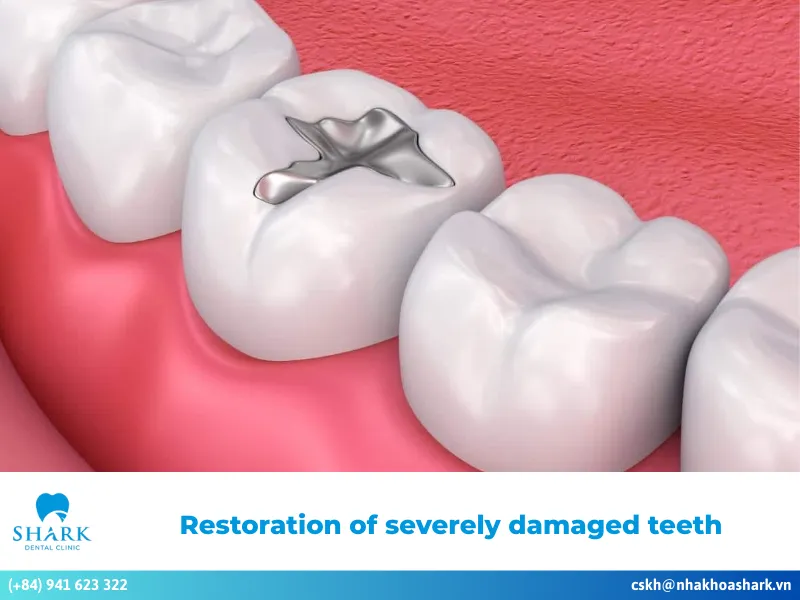
A composite dental filling is an aesthetic restorative technique that utilizes high-quality synthetic resin to rebuild teeth damaged by decay, cracks, fractures, or spacing issues. The composite resin is made from specialized components, such as BISGMA and silica, which provide exceptional durability, strong load-bearing capacity, and biocompatibility with the body.
One of the notable features of composite fillings is their natural white shade, which closely matches real tooth enamel. This allows them not only to restore chewing function but also to deliver a highly natural appearance in the treated area.
The mechanism of composite resin involves direct bonding. The dentist applies layers of pliable composite material to the affected area of the tooth and then uses a blue curing light to harden it instantly. This process ensures a tight and seamless bond with the natural tooth structure.

What materials make up modern composite resin fillings?
The quality and aesthetics of composite dental filling rely heavily on their specialized internal components. Modern composite resin is primarily composed of the following materials:
- Resin matrix: This core component serves as a binding agent, holding filler particles together and creating strong adhesion between the filling material and the natural tooth surface.
- Glass or ceramic fillers: Ultra-fine silicon dioxide particles enhance the strength of the tooth. These fillers improve wear resistance during chewing, ensuring the durability and longevity of the filling.
- Coupling agents: Typically silane-based compounds, these agents bond the resin matrix to the filler particles. They help distribute chewing forces evenly and prevent cracking or fracturing of the filling.
- Color pigments: Carefully calibrated pigments are formulated to match the natural tooth shade, allowing the filling to blend seamlessly and appear nearly indistinguishable to the naked eye.

How do composite fillings compare to traditional amalgam?
Although both composite fillings and traditional amalgam fillings are common restorative techniques, they differ significantly in terms of technology, durability, and aesthetics. The following comparison will help you make an informed choice based on your oral condition:
| Comparison Criteria | Composite dental fillings | Amalgam fillings |
| Aesthetics | Offer a wide color range with ideal translucency that closely matches natural enamel. | Have a metallic color that contrasts sharply with tooth color, compromising aesthetics. |
| Level of invasiveness | Require minimal tooth reduction, as only decayed tissue is removed due to strong chemical bonding. | Are more invasive, necessitating the removal of additional healthy tooth structure for mechanical retention. |
| Durability | Provide good resistance to chewing due to advanced nano-filler technology and a minimal risk of cracking from thermal expansion. | While very hard, they are prone to causing longitudinal tooth cracks over time because of metal thermal expansion. |
| Biological safety | Are fully biocompatible, non-irritating to the gums, and do not have a metallic taste. | Contain approximately 50% mercury, which may raise potential health concerns. |
| Indications | Are ideal for aesthetic restorations, particularly for front teeth and canines. | Are commonly used for restoring decayed molars. |
| Post-treatment sensitivity | Normally result in less sensitivity due to their good thermal insulation properties. | Are more likely to create sensitivity when consuming very hot or cold foods, as metal conducts heat rapidly. |
When are composite dental fillings typically recommended?
Composite dental fillings offer numerous advantages, but they are not necessary in every situation. Below are common scenarios where aesthetic composite fillings are recommended to protect teeth and maintain a natural-looking smile:
- Tooth decay: Composite dental fillings seal cavities, preventing further damage to the dental pulp from bacteria.
- Chipped or fractured teeth: They restore the natural shape of a tooth after trauma or impact.
- Gaps between teeth: Composite fillings can close small spaces between teeth, creating a more even, aesthetically pleasing smile.
- Cervical abrasion: They cover exposed tooth roots, helping to eliminate sensitivity while eating and drinking.
What risks or complications can occur with composite fillings?
While composite dental fillings are an effective restorative method, certain risks may arise if the procedure is performed incorrectly or at an unreliable dental clinic:
- Sensitivity and discomfort: Patients may experience sensitivity to hot or cold temperatures if the pulp is not adequately protected or if the filling disrupts the bite.
- Gum irritation: Excess or poorly polished composite material can feel bulky, leading to irritation of the tongue and inflammation of surrounding gum tissue.
- Acute pulp inflammation: Chemicals in the filling material may irritate the pulp if bacteria are not completely removed or if a protective lining is omitted before placement.
- Periapical abscess: If the filling becomes loose, it can lead to long-term pulp necrosis. This allows bacteria to spread to the tooth root and form dangerous pus-filled lesions.

Key benefits and limitations of choosing composite restorations
Composite dental fillings are commonly chosen for restoring chipped or damaged teeth because of their outstanding advantages, including:
- Natural aesthetics: The material closely matches the color of natural teeth, making the filling virtually invisible; this is especially suitable for front teeth that require high aesthetic precision.
- High biological safety: Composite contains no mercury or heavy metals, making it completely biocompatible and free from adverse health effects.
- Maximum tooth preservation: Due to its direct bonding capability, dentists do not need to remove additional healthy enamel, allowing for maximum preservation of natural tooth structure.
- Easy repair: If the filling wears down or chips, new composite can be directly added to the damaged area without removing the entire old filling.
However, composite restorations also have limitations to consider:
- Lower durability compared to metal or ceramic: Composite has a lower load-bearing capacity and is more prone to wear over time, resulting in a shorter lifespan than ceramic crowns or amalgam fillings.
- High technical demands: The composite filling procedure is meticulous and technique-sensitive. The success of the treatment heavily relies on the dentist’s skill to ensure proper adhesion and eliminate marginal gaps.

What happens during the composite filling procedure?
To ensure a durable and aesthetic result, the composite dental filling procedure is carried out in the following steps:
- Step 1 – Comprehensive examination: The dentist examines the tooth to assess the extent of the damage. Once the treatment area is identified, patients receive a detailed consultation on the most suitable restorative solution.
- Step 2 – Disinfection and cleaning: After administering local anesthesia for comfort, the dentist removes plaque and decayed tooth tissue. Thorough cleaning helps eliminate bacteria and creates an ideal bonding surface.
- Step 3 – Material placement and light curing: An appropriate amount of composite is applied to the damaged area and carefully shaped to match the natural tooth. A specialized blue curing light is then used to harden the material within seconds.
- Step 4 – Finishing and polishing: Once hardened, excess material is trimmed to achieve proper bite alignment. The tooth surface is polished smoothly to ensure a natural feel without bulkiness.

How should you prepare for a composite filling appointment?
To help ensure a smooth procedure and achieve optimal aesthetic results, you should prepare as follows before your appointment:
- Maintain good oral hygiene: Brush your teeth thoroughly before visiting the clinic to help the dentist clearly assess the damage and reduce cleaning time.
- Eat beforehand: Have a light meal before your appointment, as the tooth should rest for at least two hours after the filling to allow the material to stabilize fully.
- Inform the dentist about your health: Proactively share any allergies or underlying medical conditions so the dentist can select appropriate anesthesia and a safe treatment plan.
- Prepare mentally: Keep a relaxed mindset, as this is a gentle dental procedure. Staying calm will help make the filling process faster and more comfortable.

How long do composite dental fillings usually last?
On average, composite dental fillings last between 3 to 5 years. However, their longevity can vary based on several factors, such as oral care habits, the initial condition of the tooth, and the filling’s location.
To help extend the lifespan of composite restorations, patients are advised to maintain good oral hygiene, avoid biting on hard objects, and attend regular dental check-ups. These practices not only prolong the life of the filling but also contribute to a natural smile and healthy teeth.
What determines the cost of a composite dental filling?
The cost of a composite dental filling is not fixed; it is influenced by several key factors, including:
- Extent of tooth damage: Minor chips or small cavities typically cost less to treat. In contrast, severely damaged teeth require more material and time in the dental chair, resulting in higher fees.
- Location of the tooth: Aesthetic fillings for front teeth often demand more meticulous shaping and color matching compared to molars, making them more expensive.
- Number of teeth treated: The total cost is calculated based on the actual number of teeth needing treatment. Many dental clinics offer discounted rates when multiple teeth are restored at the same time.
- Dentist’s expertise and equipment: Clinics equipped with modern technology and staffed by highly skilled dentists usually charge higher fees, reflecting the quality and safety of the treatment.

What aftercare steps support proper healing and longevity?
Maintaining healthy daily habits is crucial for ensuring the durability of a composite dental filling and promoting quick healing. Here are some aftercare recommendations:
- Maintain proper oral hygiene: Brush your teeth with a soft-bristled toothbrush at least twice a day, in the morning and evening.
- Clean interdental spaces thoroughly: Use dental floss or a water flosser after meals to remove food debris from tight spaces that a toothbrush cannot reach.
- Adjust your diet: Limit very hard, chewy, or extremely hot and cold foods to protect the bonding strength of the composite material.
- Preserve the color of the filling: Avoid dark-colored beverages such as tea, coffee, and carbonated drinks. Quitting smoking and limiting alcohol intake can also help prevent staining and discoloration.
- Eliminate harmful habits: Do not use your teeth to bite hard objects or open bottle caps, as excessive force can cause the composite material to crack or detach prematurely.
- Schedule regular dental visits: Attend dental check-ups every six months so that your dentist can monitor the condition of the filling and address any emerging issues promptly.

Composite dental filling provide a quick and effective solution for restoring decayed, chipped, or spaced teeth. This method not only offers a natural-looking smile but also ensures proper chewing function and long-term durability. For a confident, well-aligned smile with composite restorations, contact Shark Dental Clinic at (+84) 941 623 322 for detailed consultation and quick appointment scheduling at competitive rates.













Comment on the post