



Teeth scaling & polishing is an essential oral care step that helps eliminate long-accumulated tartar and plaque — the leading causes of gingivitis, bad breath, and periodontal diseases. In this article, Shark Dental Clinic will provide a detailed explanation of the teeth scaling and polishing procedure, helping you take a more proactive approach to long-term oral health care and protection.
Why does tartar buildup occur and why is professional removal recommended?
Tartar buildup happens due to several factors related to daily oral hygiene habits and lifestyle choices, including:
- Improper oral hygiene: Brushing techniques that are incorrect and neglecting to clean between teeth allow plaque and bacteria to accumulate over time, eventually hardening into tartar.
- High sugar and starch intake: Foods rich in sugar and carbohydrates create favorable conditions for bacterial growth, accelerating the formation of plaque on tooth surfaces.
- Frequent consumption of coffee, tea, or smoking: These habits not only discolor teeth but also cause tartar to adhere more firmly, making it difficult to remove through regular home care.
- Infrequent professional scaling: Without regular deep cleaning at a dental clinic, tartar continues to build up and can become firmly attached to hard-to-reach areas, such as between teeth and below the gumline.
Unlike soft plaque, which can be removed at home, tartar has a hard structure and adheres tightly to tooth surfaces, especially beneath the gums. For this reason, dental professionals strongly recommend teeth scaling & polishing at reputable dental clinics. Using specialized equipment, they can effectively remove tartar while minimizing the risk of damage to gums and enamel. Additionally, during the scaling procedure, dentists can assess overall oral health and promptly identify early signs of abnormalities for timely treatment.
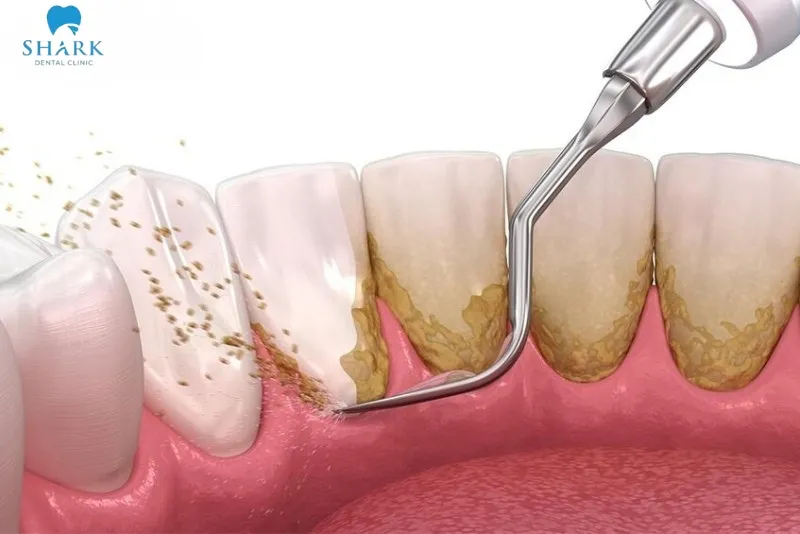
What is teeth scaling & polishing, and what does the procedure involve?
Teeth scaling and polishing is a routine dental procedure performed periodically to remove plaque and hardened tartar from tooth surfaces and below the gumline. After tartar removal, the teeth are polished to eliminate mild stains, leaving the surface smoother and helping to prevent plaque from re-adhering.
The procedure at a dental clinic is usually quick and gentle and involves the following steps:
- Step 1 – Examination and consultation: The dentist conducts a comprehensive examination to identify tartar locations, especially deposits deep beneath the gums. This assessment helps adjust ultrasonic frequency appropriately, minimizing irritation to sensitive gum tissues.
- Step 2 – Ultrasonic tartar removal: An ultrasonic scaler is used to break up tartar deposits. This technology targets hardened plaque without damaging tooth enamel, ensuring effective cleaning while reducing discomfort.
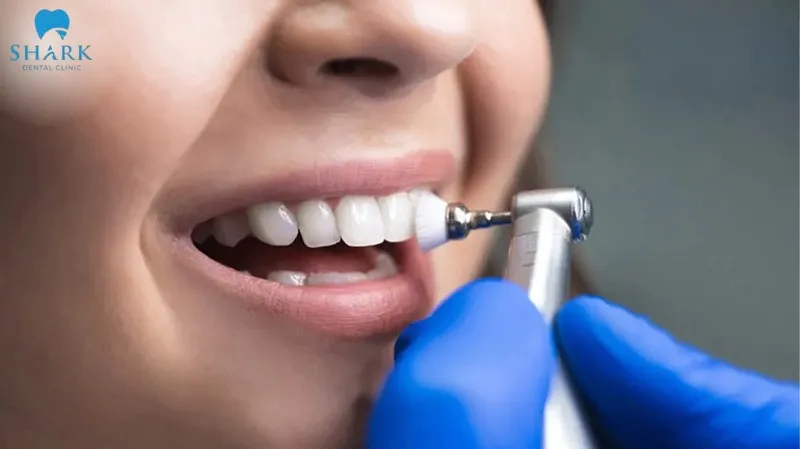
- Step 3 – Stain removal and polishing: Finally, the dentist uses specialized brushes and fine polishing paste to smooth the tooth surface. This step removes light stains from food and beverages, enhances natural tooth shine, and smooths enamel to limit future plaque accumulation.

What side effects are possible after scaling & polishing and how can sensitivity be managed?
Teeth scaling & polishing is a safe and minimally invasive dental procedure. However, after treatment, some individuals may experience temporary reactions as their teeth and gums adjust to the absence of tartar. Common side effects may include:
- Tooth sensitivity: Teeth may be more sensitive to hot or cold foods and drinks for a few days, as the surface has just been cleared of plaque and tartar.
- Mild gum irritation or swelling: Gums may appear slightly red, swollen, or uncomfortable, especially in cases involving heavy tartar buildup or pre-existing gingivitis.
- Minor gum bleeding: This is common in individuals with periodontal disease and typically subsides as the gums heal.
- Mild pain or discomfort: Some patients might experience slight discomfort during or shortly after the procedure, particularly when deep cleaning beneath the gumline is necessary.
- Oral soreness: Teeth and gums may feel tender or achy for a short time after treatment.
To reduce sensitivity and help the mouth stabilize more quickly, consider the following measures:
- Use toothpaste for sensitive teeth: Specialized toothpaste can help reduce sensitivity and protect exposed dentin.
- Avoid very hot, cold, or acidic foods: In the first few days, prioritize soft, easy-to-chew foods to minimize stimulation.
- Brush gently with proper technique: Use a soft-bristled toothbrush and avoid aggressive brushing near the gumline.
- Rinse with diluted saltwater: This can soothe gums and limit bacterial growth.
- Follow your dentist’s instructions: If sensitivity persists, schedule a follow-up visit for timely evaluation and management.

Does teeth scaling & polishing make teeth whiter?
Teeth scaling and polishing do not actually whiten teeth. This basic dental procedure is designed to remove long-standing plaque and tartar buildup. As a result, teeth become cleaner and return to their original natural shade.
After the tartar is removed, the dentist polishes the tooth surfaces using specialized materials to eliminate any remaining plaque and to smooth the enamel. This polishing step helps teeth appear brighter and achieve a more even color; however, the improvement is only mild. Scaling and polishing cannot replace professional teeth whitening treatments if a significantly whiter shade is desired.
What patients may experience during a standard teeth scaling and polishing visit
A professional teeth cleaning session typically lasts about 30 minutes. Knowing what to expect can help patients feel more comfortable and cooperate better with the dentist. A standard visit usually includes the following steps:
- Examination and consultation: The dentist examines the teeth, gums, and oral cavity to assess the level of tartar buildup, check for gum inflammation, and recommend an appropriate treatment plan.
- Teeth scaling: Tartar on the tooth surface and beneath the gum line is removed using specialized instruments. This step effectively cleans the teeth and reduces the risk of cavities and gingivitis.
- Teeth polishing: After scaling, the dentist polishes the tooth surfaces with professional dental brushes. This helps make teeth appear smoother and brighter while minimizing future plaque accumulation.
- Aftercare guidance: At the end of the procedure, patients receive instructions on proper at-home oral hygiene and are advised on follow-up visits to maintain long-term results and protect gum health.
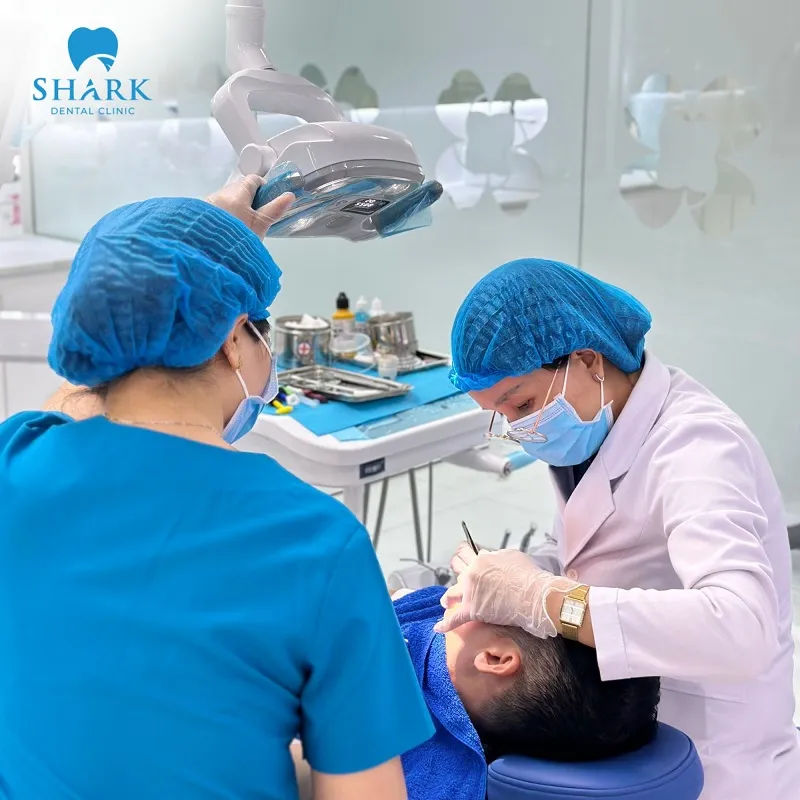
How often should you schedule teeth scaling and polishing for optimal oral health?
According to dental experts, teeth scaling & polishing should generally be performed every six months. However, this frequency can vary based on individual oral health conditions. Dentists may recommend a personalized schedule to ensure optimal protection of teeth and gums, such as:
- Every 6 months: Suitable for individuals with healthy gums, minimal tartar buildup, and good daily oral hygiene habits.
- Every 3–4 months: Recommended for those who easily accumulate tartar, frequently consume coffee, tea, or tobacco, or have a history of gingivitis or periodontal disease.
What are the key benefits of routine teeth scaling & polishing?
Regular teeth scaling and polishing offer several important benefits, including improved breath freshness and enhanced dental aesthetics. Specifically, these benefits include:
- Removal of plaque and reduction of bad breath: Scaling eliminates stubborn tartar that daily brushing often misses, improving breath quality and boosting confidence in communication.
- Prevention of dental diseases: This procedure helps prevent gingivitis, bleeding gums, and tooth decay. It also allows dentists to detect and address potential oral health issues early.
- Enhanced dental aesthetics: Scaling and polishing remove discolored tartar layers, restoring a natural shine and improving the overall appearance of the teeth.
- Support for overall health: Bacteria within tartar can enter the bloodstream and increase the risk of systemic health conditions. Regular tartar removal helps protect gum health and supports overall well-being.
How is standard cleaning different from deep scaling (root planing)?
Standard dental cleaning is a preventive care procedure that focuses on maintaining clean tooth surfaces. In contrast, deep scaling is a more advanced therapeutic treatment designed to thoroughly address damage in the tooth-supporting structures, with the goal of preserving natural teeth as much as possible. To better understand the differences between these two methods, the comparison below highlights their key distinctions:
| Comparison Criteria | Standard Cleaning | Deep Scaling |
| Scope of cleaning | Cleans the tooth surface and along the gumline | Cleans beneath the gums and inside periodontal pockets |
| Target patients | Intended for individuals with healthy gums or mild gingivitis | Recommended for patients with periodontitis, where the gums have detached from the tooth roots |
| Treatment purpose | Serves as routine oral hygiene to prevent gingivitis and maintain dental aesthetics | A therapeutic treatment to promote gum healing and allow the gums to reattach firmly to the tooth roots |
| Technique | Utilizes ultrasonic vibrations to remove plaque and tartar from the enamel surface | Smooths rough root surfaces to eliminate hidden bacterial deposits |
| Benefits | Helps maintain fresh breath and keeps teeth clean, smooth, and healthy | Prevents gum recession, bone loss, and maximizes the preservation of natural teeth |
How much does teeth scaling & polishing cost, and what factors influence pricing?
The cost of teeth scaling and polishing currently ranges from 100,000 to 1,000,000 VND for both arches, depending on the severity of tartar buildup, the dental clinic, and any additional services included. Below are common price ranges in the market:
- Level 1 Tartar (Mild): 200,000 – 400,000 VND
- Level 2 Tartar (Moderate): 400,000 – 700,000 VND
- Level 3 Tartar (Severe): 700,000 – 1,000,000 VND
However, the total cost is not fixed and depends on several key factors, including:
- Severity of tartar buildup: Patients with minimal tartar limited to the tooth surface usually incur lower costs. In contrast, tartar located deep beneath the gums requires more intensive treatment, resulting in higher fees.
- Technology used: Modern techniques such as ultrasonic or laser-assisted scaling often cost more than traditional manual methods.
- Oral health condition: If issues such as cavities, gingivitis, or periodontitis are present, additional treatment may be necessary before scaling, which can increase overall expenses.
- Dental clinic selection: Each dental clinic has its own pricing structure based on equipment quality, dentist expertise, and service standards, leading to price variations between clinics.
- Additional services: Some clinics offer bundled services such as tooth polishing, fluoride application, or oral hygiene consultations. While these enhance treatment outcomes, they may also raise the total cost.
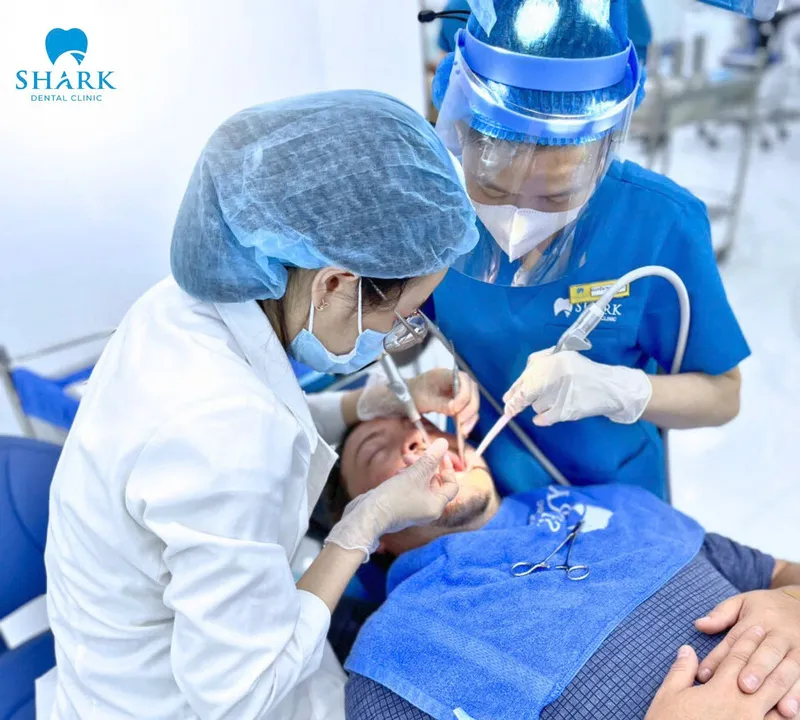
We hope this article from Shark Dental Clinic has helped you better understand the process of teeth scaling & polishing. Regular professional cleaning not only keeps your teeth clean and smooth but also helps prevent cavities, gingivitis, and supports overall oral health. If you are looking for a reputable dental clinic to remove tartar safely and effectively, contact Shark Dental Clinic via hotline (+84) 941 623 322 for detailed consultation and quick appointment scheduling.













Comment on the post