



Aesthetic gum contouring is considered a dental procedure that removes excess gum tissue, thereby effectively improving a gummy smile. So, who is this procedure suitable for, how is it performed, and what benefits does it offer? These questions will be clearly explained in the content below.
What causes uneven or asymmetrical gum lines?
Uneven or asymmetrical gum lines can arise from several factors, including:
- Genetics: Genetic predispositions can influence tooth shape, size, and spacing, which may lead to excessive gum tissue development.
- Poor oral hygiene habits: Brushing too aggressively or neglecting daily oral care can cause gum swelling or recession, resulting in uneven gum margins.
- Hard-bristled toothbrushes: Using a toothbrush with excessively hard bristles can damage gum tissue, making the gum line uneven on either side.
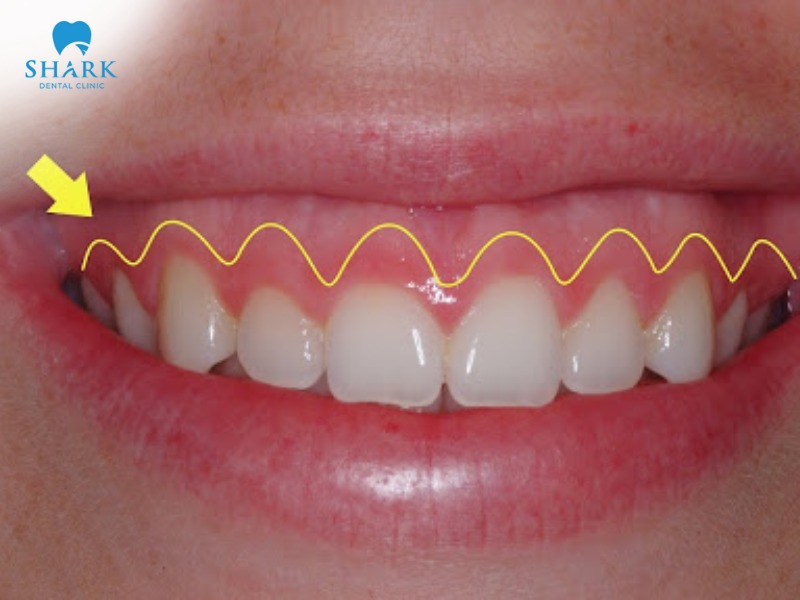
What is aesthetic gum contouring?
Aesthetic gum contouring is a minor dental surgical procedure that uses specialized instruments to reshape the gum line. This helps teeth appear longer, more balanced, and more harmonious. During the procedure, the dentist makes a small incision in the gum tissue to separate it from the tooth surface and remove excess gum tissue.
Aesthetic gum contouring not only enhances the look of your smile and creates a more proportionate dental arch, but it also helps reduce the risk of inflammation. This procedure supports the prevention of periodontal disease and makes daily oral hygiene easier and more effective.
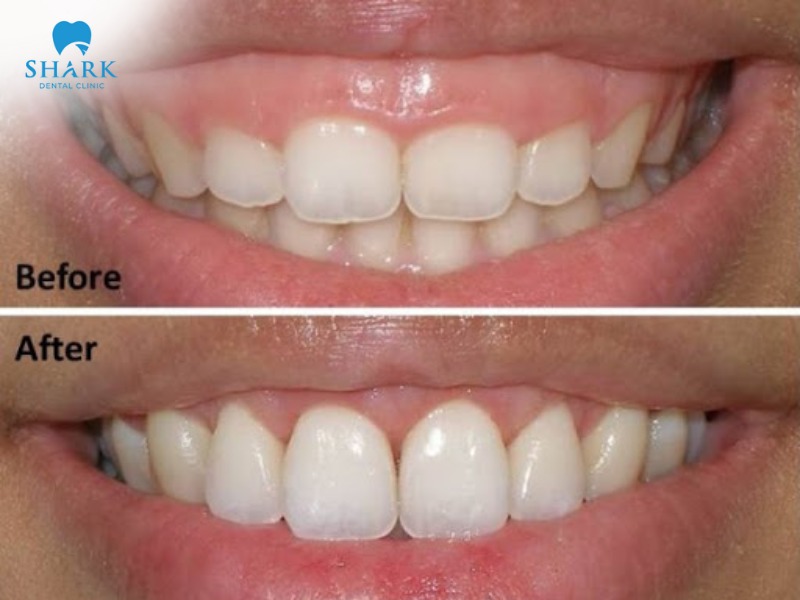
Key benefits of improving the gum line for a better smile
Aesthetic gum contouring performed in dental clinics offers several practical benefits, including:
- Minimally invasive: Gum contouring is a minor procedure with a simple process, causing minimal trauma or discomfort during treatment.
- High aesthetic value: Once excess gum tissue is removed, teeth appear longer and more symmetrical, significantly enhancing the overall appearance of the smile.
- Quick procedure time: On average, a gum contouring procedure takes about 30 minutes, saving time for patients.
- Reduced risk of infection: The procedure is typically completed quickly and does not require sutures, helping to minimize the risk of post-operative infection.
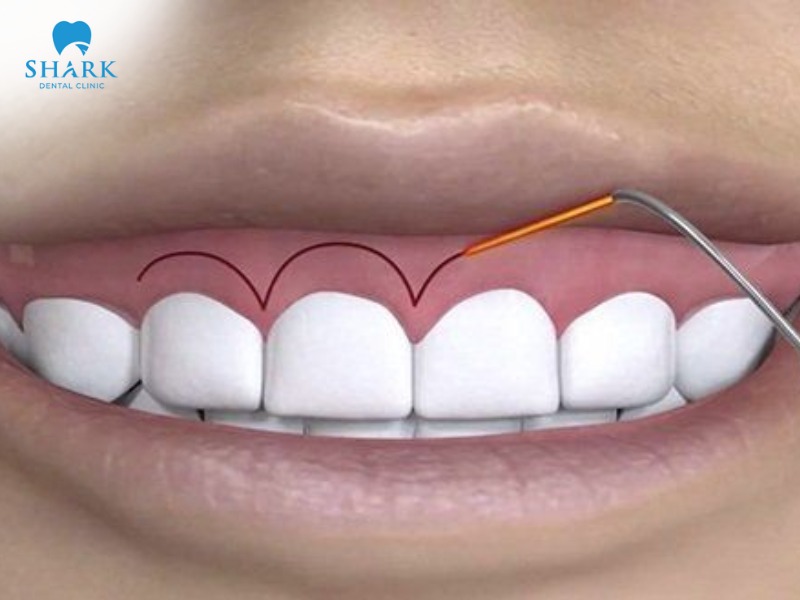
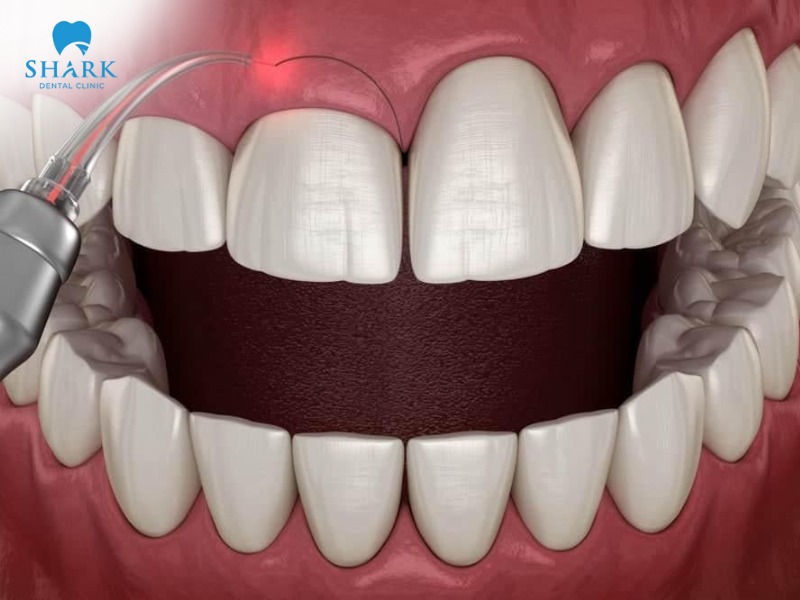
Laser vs. traditional gum contouring: What’s the difference?
Modern laser gum contouring differs from traditional methods, such as scalpels and electrosurgery, in several significant ways:
- Precision: Laser technology removes excess gum tissue quickly and with greater accuracy than manual surgical instruments.
- Reduced pain: Laser gum contouring minimizes soft tissue trauma, allowing the wound to heal faster with less pain and bleeding.
- Lower infection risk: The use of laser energy typically shortens the procedure time and helps reduce the likelihood of infection.
- Time efficiency: Compared to scalpel or electrosurgical methods, laser gum contouring significantly reduces treatment time.
- Stability: After laser gum reshaping, the gum line is more stable, reducing the risk of gum overgrowth recurrence.
Who is a good candidate for gum reshaping?
Aesthetic gum contouring is suitable for individuals experiencing:
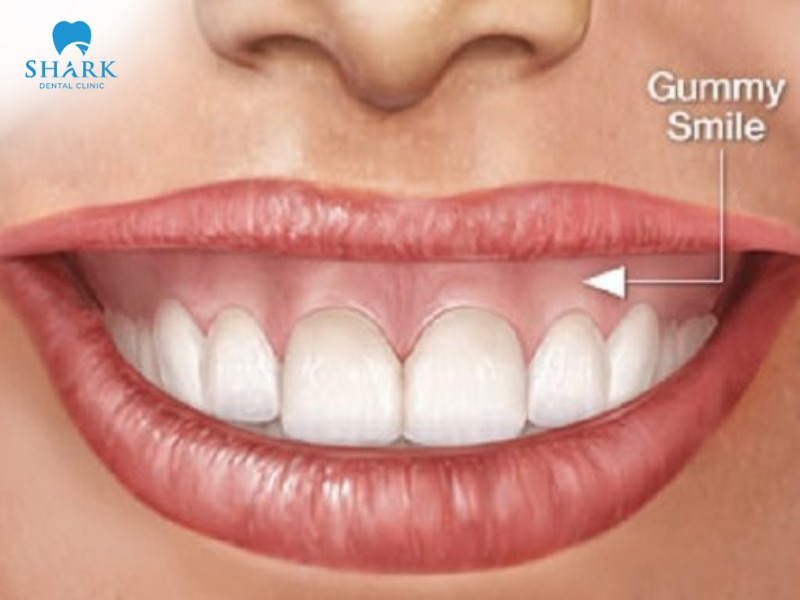
- Gummy smile: This condition can be caused by short gum ligaments, an overly thick upper jawbone, or gums that are disproportionately long compared to the teeth.
- Gingivitis: Poor oral hygiene and long-term plaque accumulation can lead to inflamed gum tissue.
- Post-orthodontic cases: After orthodontic treatment, some patients may experience gum overgrowth that covers the tooth roots or excessive gum display while smiling.
- Gum overgrowth: Excessive gum tissue that covers the tooth roots can disrupt dental balance and create an unnatural appearance.
- Gingival hypertrophy: This condition involves abnormal overdevelopment of gum tissue, leading to enlarged gums or lumps within the oral cavity.
Additionally, aesthetic gum contouring may be recommended to prepare for other restorative treatments such as porcelain crowns, dental bridges, or dental implants, ensuring optimal results and long-term oral health.
Pre-treatment factors and anesthesia options to consider
Before undergoing aesthetic gum contouring, it’s important to consider several key factors:
- Oral health condition: Ensure that your teeth and gums are free from active infections or inflammatory conditions prior to treatment.
- Cause of excessive gum display: It is crucial to accurately determine whether a gummy smile results from thick gum tissue, excessive jawbone development, or other causes before proceeding with gum contouring.
- Choice of technique: Depending on expected results, benefits, and financial considerations, you may choose between laser gum contouring, traditional scalpel surgery, or electrosurgical methods.
- Dentist’s expertise: Select a highly skilled dentist with substantial clinical experience in gum contouring to ensure safety and optimal aesthetic results.
- Financial preparation: Research treatment costs and prepare an appropriate budget before the procedure.
How the gum contouring procedure is performed
In dental clinics, aesthetic gum contouring is typically carried out through the following steps:
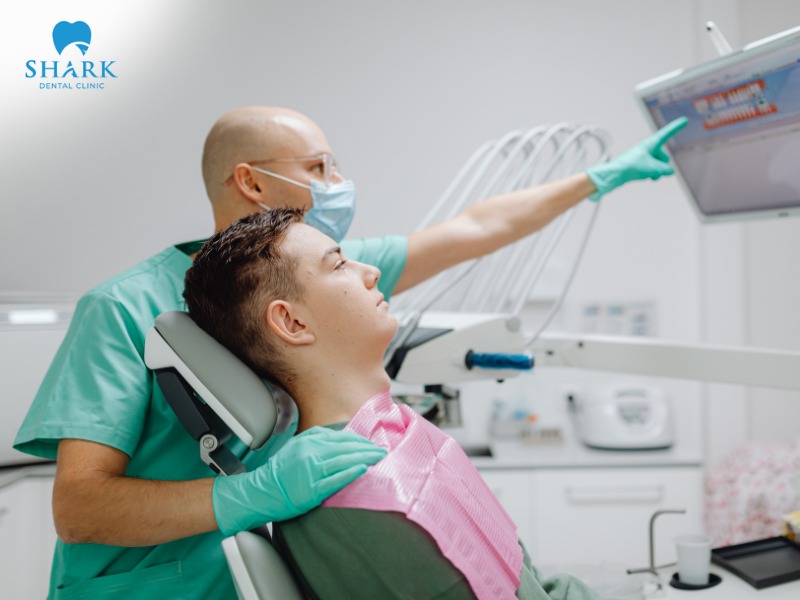
- Step 1: Examination and consultation
The dentist performs a clinical examination and takes dental X-rays to assess your oral health and accurately identify the cause of excessive or uneven gums. Based on these findings, a tailored gum contouring treatment plan is recommended.
- Step 2: Treatment planning
Depending on your specific condition and aesthetic goals, the dentist designs a customized plan utilizing laser technology, a surgical scalpel, or electrosurgical equipment.
- Step 3: Aesthetic gum contouring
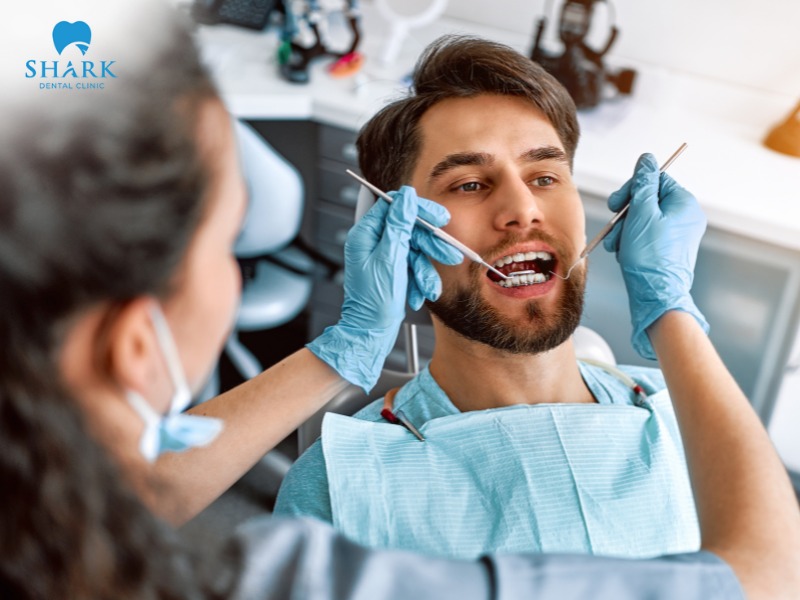
Using specialized instruments in a sterile environment, the dentist carefully removes excess gum tissue. Local anesthesia may be applied in certain cases to ensure patient comfort throughout the procedure.
- Step 4: Monitoring and aftercare
Although gum contouring is a quick and minimally invasive procedure, it is essential to follow proper oral care instructions and attend follow-up visits during the first 5 to 7 days to support optimal healing.
Possible risks and complications to be aware of
While gum contouring is generally safe, there are potential risks and complications to consider:
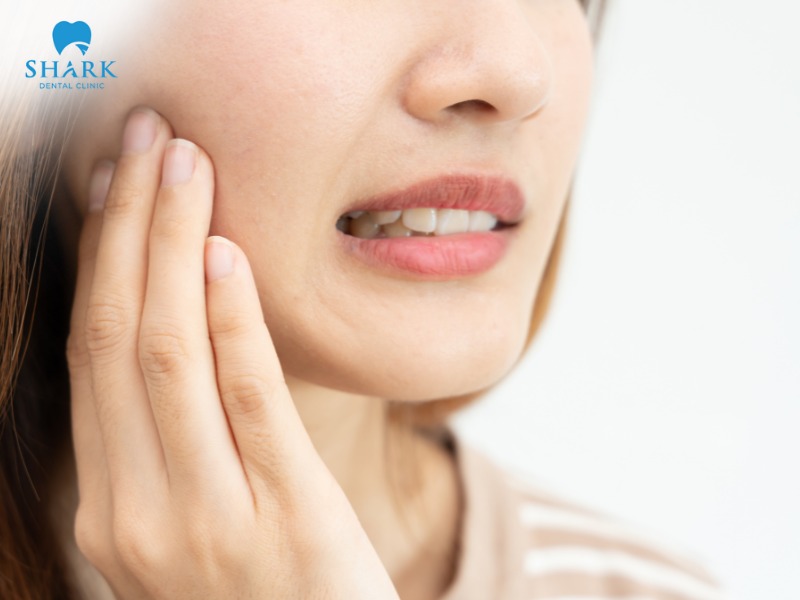
- Tooth sensitivity: After removal of excess gum tissue, the tooth roots may be temporarily exposed, which can lead to sensitivity while eating or during daily activities.
- Risk of infection: Inadequate post-operative oral hygiene may result in soft tissue swelling, irritation, or infection.
- Unsatisfactory aesthetic results: Improper gum removal or asymmetry can negatively affect the final cosmetic outcome.
How long do aesthetic gum contouring results last?
When performed using proper techniques and proportions, the results of aesthetic gum contouring can be permanent. Once excess gum tissue is removed and the alveolar bone is reshaped smoothly, gummy smile concerns are effectively addressed, and the gum tissue typically does not regrow.
What determines the cost of gum contouring and is it covered by insurance?
Aesthetic gum contouring is classified as a cosmetic dental procedure focused on personal aesthetic improvement; therefore, it is generally not covered by dental insurance. Coverage may only be available in medically necessary cases, such as tooth extraction or treatment of severe gingival hypertrophy. To find out about exact coverage and treatment costs, patients should carefully review their insurance policy terms and consult directly with the dental clinic.
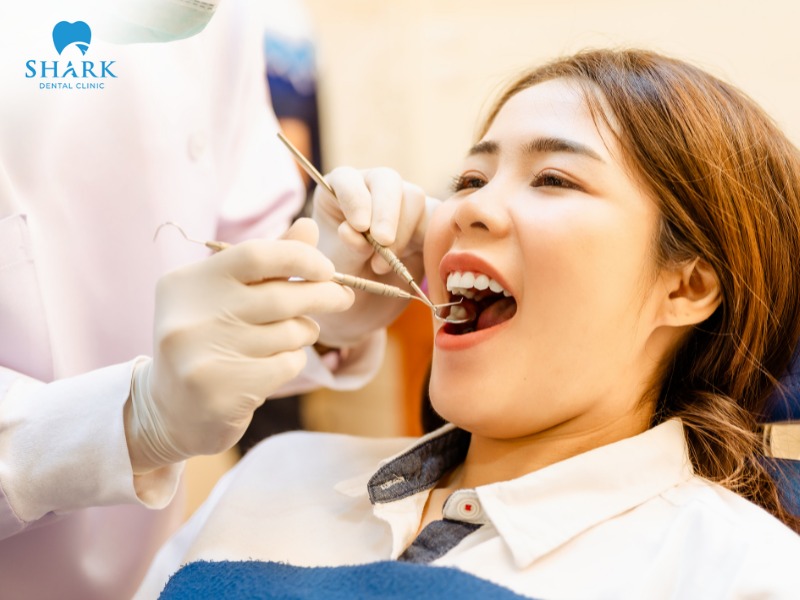
Aesthetic gum contouring effectively addresses issues such as gum overgrowth and gummy smiles, helping to restore a confident, radiant smile. Hopefully, this article has clarified the benefits, procedure, potential risks, and suitability of this treatment option for you.













Comment on the post