



Aesthetic porcelain crowns are considered a modern dental trend, widely chosen by many patients to improve imperfections related to tooth shape and color. So, what are cosmetic dental crowns, what are their key advantages and limitations, and how is the procedure performed? All of these questions will be answered in detail in the article below. We invite you to read on and explore!
Overview of aesthetic porcelain crowns
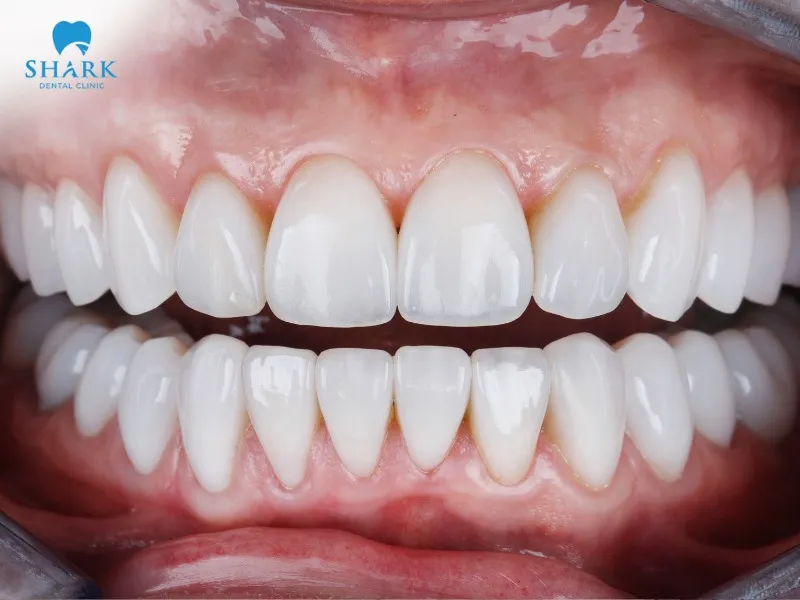
Aesthetic porcelain crowns are dental restorations carefully crafted from metal-ceramic or full-contour porcelain materials. They offer high durability and excellent biocompatibility while being designed to closely match the natural tooth in color, shape, and size, ensuring optimal aesthetic results.
These crowns are commonly made from premium materials such as E-Max and Zirconia, which provide superior strength and biological compatibility. With modern dental technology, porcelain crowns fully cover damaged teeth, effectively correcting issues such as chips, discoloration, yellowing, or dull enamel.
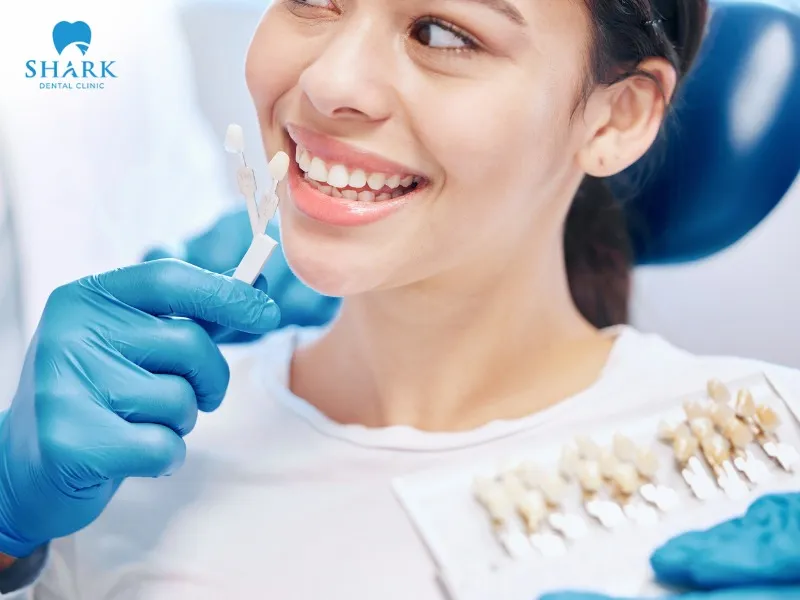
How do cosmetic dental crowns differ from traditional restorations?
Aesthetic porcelain crowns provide several significant advantages over traditional dental restorations, including:
- Aesthetic performance: Cosmetic dental crowns possess natural translucency and light reflection similar to real tooth enamel. In contrast, traditional restorations, especially metal-based crowns, may cause darkened gum margins over time due to oxidation from exposure to foods and beverages.
- Biocompatibility: High-quality porcelain materials exhibit excellent biocompatibility, making them suitable even for patients with sensitive oral conditions. This helps maintain healthy gums. Traditional metal restorations generally have lower biocompatibility and may cause irritation with long-term use.
- Fabrication technology: Aesthetic porcelain crowns are produced using advanced CAD/CAM technology, allowing for micrometer-level precision and a snug fit to the tooth structure. This precise adaptation enhances aesthetics, restorative effectiveness, and long-term durability, while also reducing the risk of chipping or wear.
- Chewing function: Modern aesthetic materials like Zirconia provide chewing strength comparable to that of natural teeth. Porcelain crowns help maintain tooth stability, resist deformation, and endure daily chewing forces.
- Preservation of natural tooth structure: Aesthetic porcelain crowns offer high strength while minimizing sensitivity, pain, or pulp damage, representing a significant advancement over older traditional crown techniques.
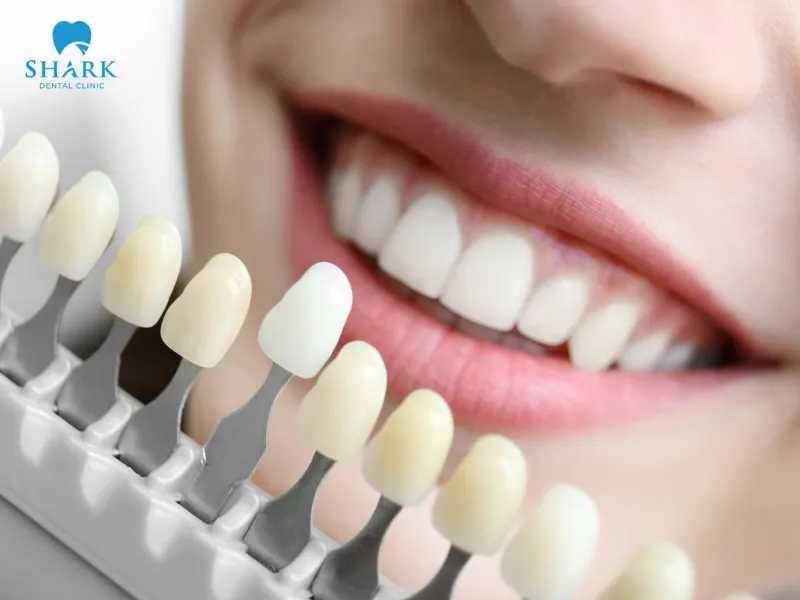
Porcelain vs. Zirconia vs. E-Max: Aesthetic comparison
Here is an objective aesthetic comparison between Zirconia and E-Max porcelain materials:
- Translucency: E-Max outperforms Zirconia in terms of translucency and light reflection, closely mimicking natural tooth enamel. This quality results in a more natural, bright, and lifelike smile.
- Light diffusion: One of the standout features of E-Max is its superior light diffusion, making it hard to distinguish from natural teeth. For this reason, E-Max is considered the “gold standard” for restoring anterior (front) teeth.
- Color-masking ability: Zirconia is made from highly durable material that offers excellent strength and superior color-masking capability compared to E-Max. This makes Zirconia particularly suitable for teeth with severe discoloration or heavy antibiotic staining.
- Aesthetic needs: Although intricately reflecting light and translucency are not as high as E-Max, Zirconia still meets the aesthetic expectations of most patients. With its balanced aesthetics and outstanding durability, Zirconia effectively protects teeth from external forces while delivering long-term restorative success.
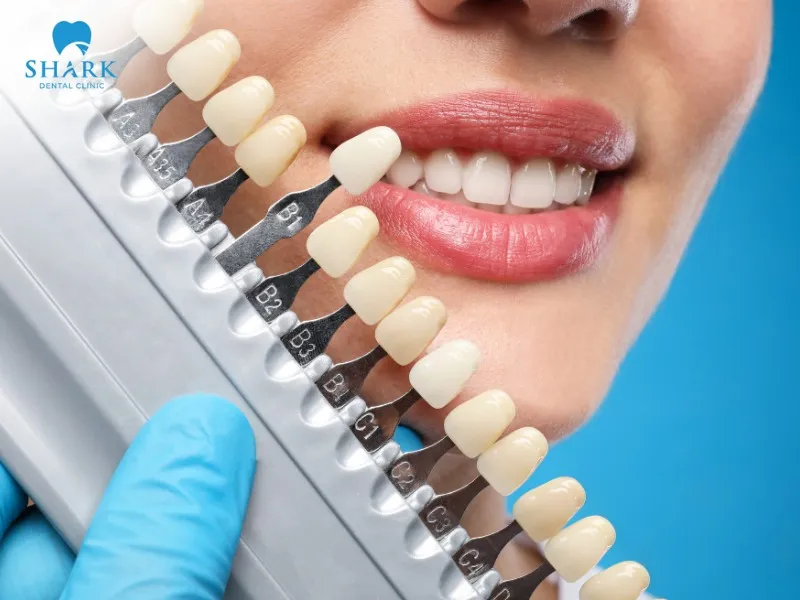
Step-by-step process for preparing and placing porcelain crowns
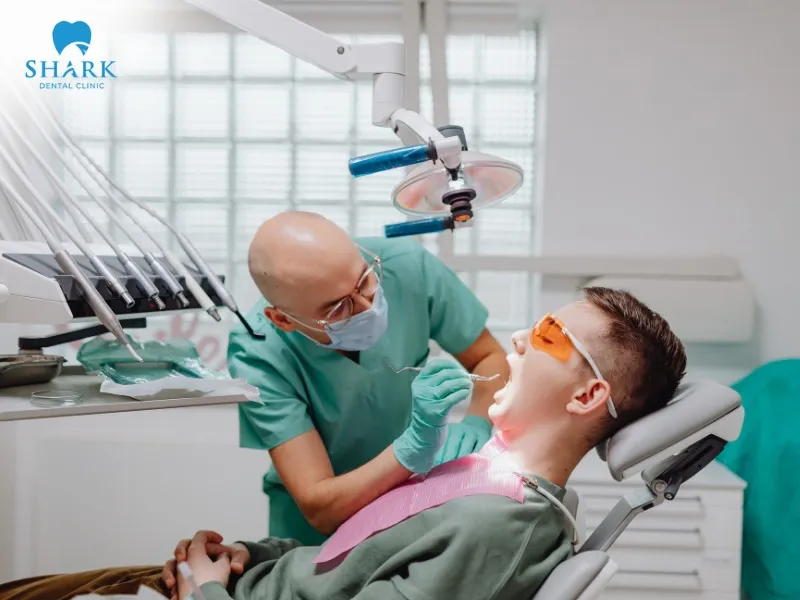
The process for placing aesthetic porcelain crowns must strictly adhere to clinical standards and be conducted by qualified dentists with solid expertise.
Step 1: Comprehensive examination
The patient undergoes a thorough oral examination, during which dental X-rays are taken to identify issues such as tooth decay or pulp inflammation. Based on these findings, the dentist develops an appropriate treatment plan to ensure optimal oral health before crown placement.
Step 2: Oral cleaning and impression taking
Following the examination, dental scaling and professional cleaning are performed to eliminate plaque, food debris, and residual bacteria. The dentist then takes an impression of the natural teeth, which is used to fabricate the porcelain crown for a precise fit and aesthetic appeal.
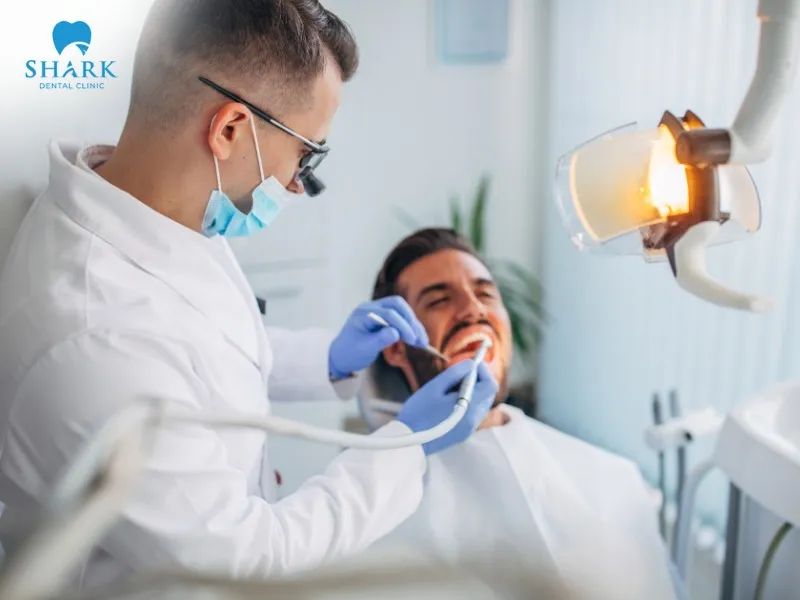
Step 3: Local anesthesia and tooth preparation
Local anesthesia is carefully administered to minimize pain or sensitivity during the procedure. Then, the dentist removes a thin layer of enamel to create a smooth surface, allowing the porcelain crown to bond securely to the natural tooth.
Step 4: Temporary crown placement
The dentist checks the fit, color, shape, and chewing function at this stage. A temporary crown is placed to help the patient adapt and provide time for any necessary adjustments before the final cementation.
Step 5: Final crown placement
Once the porcelain crown is fully fabricated, it is permanently bonded to the prepared tooth, completing the procedure. This step requires precise and meticulous execution to ensure a tight seal, proper alignment, and optimal restorative results.
Potential risks and complications to be aware of
While aesthetic porcelain crowns offer many advantages, there are certain limitations and potential risks:
- Invasion of natural tooth structure: Crown preparation requires removing a thin layer of enamel, which may cause temporary sensitivity or discomfort in some patients.
- High cost: The average cost of all-ceramic crowns ranges from approximately 4,000,000 to 12,000,000 VND per tooth, with metal-based crowns generally being more affordable.
- High technical requirements: The placement of porcelain crowns demands skilled dentists with extensive experience and precise techniques. Improper execution may lead to complications such as tooth sensitivity, secondary decay, gingivitis, or bite misalignment.
- Chewing durability: Low-quality porcelain crowns may lack sufficient strength and are more prone to cracking or chipping during regular chewing.
- Oral health issues: Inferior crowns may experience cement failure or develop marginal gaps over time, increasing the risk of gum inflammation and bacterial buildup.
When do dentists usually recommend aesthetic porcelain crowns?
Cosmetic dental crowns are commonly recommended for the following cases:
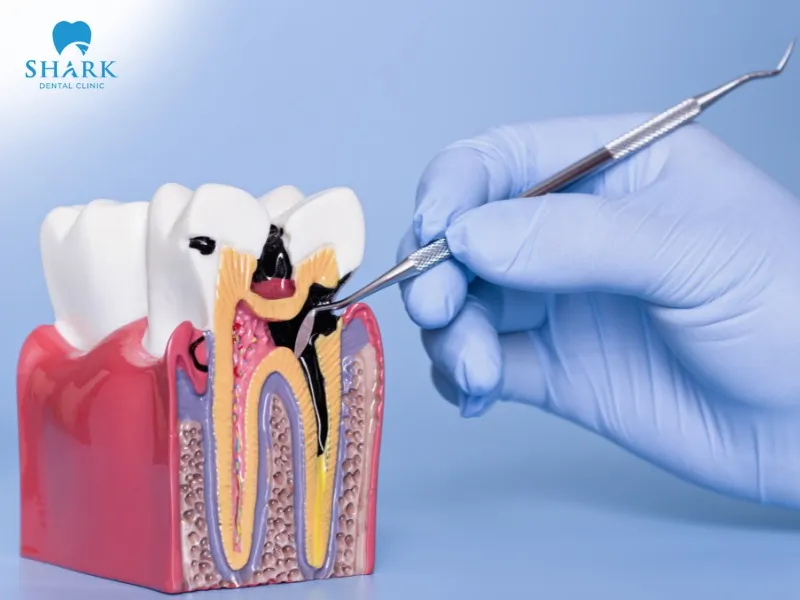
- Severely decayed teeth: After treating decay and filling cavities to eliminate bacterial infection, porcelain crowns help protect the remaining tooth structure and restore chewing function.
- Damaged or root canal–treated teeth: Teeth that have undergone root canal therapy are often brittle and prone to fracture. Aesthetic porcelain crowns provide reinforcement and long-term protection.
- Misaligned or uneven teeth: For teeth that are crooked, misaligned, or uneven in size, porcelain crowns can help improve their shape and symmetry.
- Mild protrusion or underbite: In cases of mild protrusion or underbite with a stable jaw structure, porcelain crowns can enhance dental appearance.
- Spacing issues: Teeth with gaps that cannot be effectively treated with fillings may benefit from porcelain crowns to restore a harmonious smile.
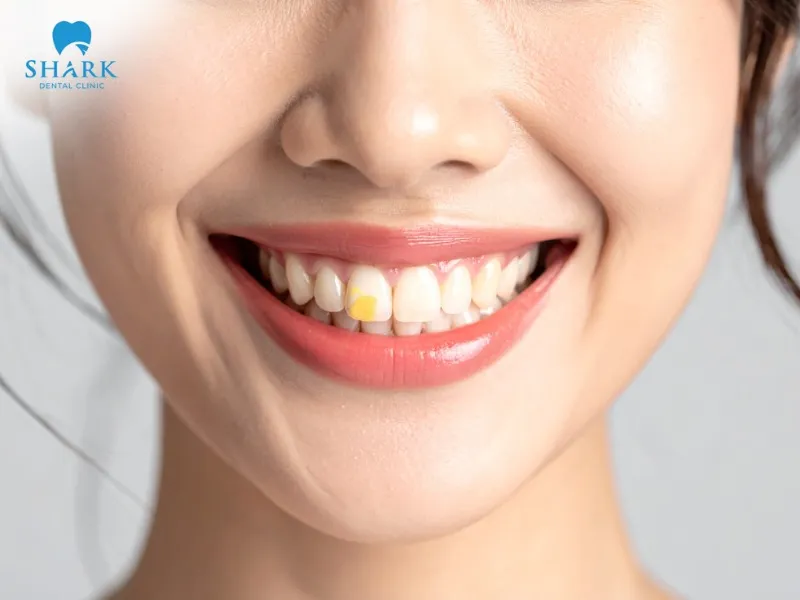
- Discolored or stained teeth: Teeth that are yellowed or discolored due to smoking, poor oral hygiene, or prolonged antibiotic use can be effectively improved with aesthetic porcelain crowns, restoring a bright and confident smile.
Candidate criteria for cosmetic crown treatment
Today, there are many types of cosmetic porcelain crowns available. To choose the most suitable dental material for your needs, consider the following criteria:
Restorative performance:
- Strength: Porcelain crowns must possess high hardness and load-bearing capacity to ensure they do not deform during daily chewing.
- Wear resistance: High-quality porcelain crowns should resist abrasion from food and external forces over time.
- Elasticity: Porcelain crowns need to have appropriate elasticity to withstand strong chewing forces while maintaining stability.
Aesthetics:
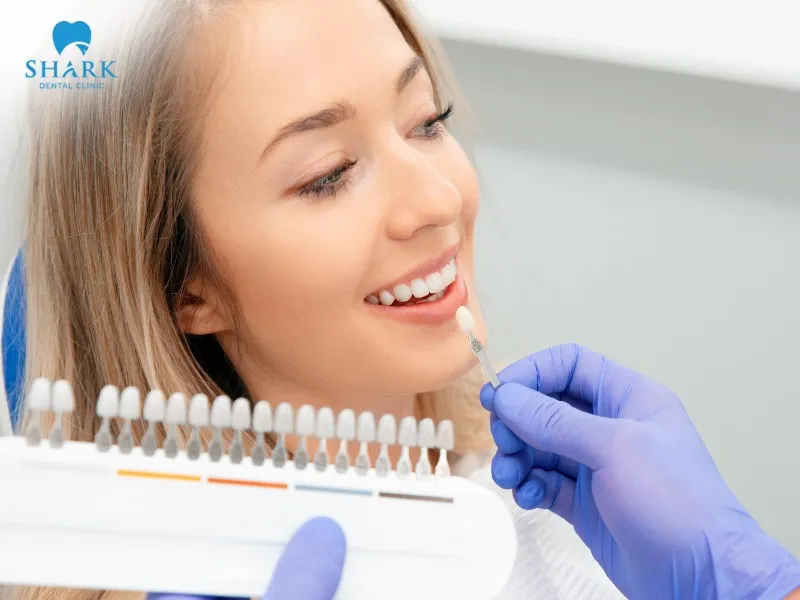
- Color: The crown should have a natural shade that blends harmoniously with surrounding natural teeth, creating a bright and appealing smile.
- Shape: Porcelain crowns must be designed with proportions and dimensions similar to natural teeth, ensuring balance and high aesthetic value.
- Translucency: An appropriate level of translucency helps to avoid an artificial or opaque appearance, enhancing the overall natural look of the dental arch.
Biological properties:
- Biocompatibility: Porcelain crowns should exhibit high biocompatibility, causing no irritation to gum tissues and remaining stable in the moist and acidic oral environment.
- Antibacterial properties: The crown surface should help limit bacterial adhesion and reduce plaque accumulation.
Key benefits and possible limitations of porcelain crowns
Some notable benefits of cosmetic porcelain crown treatment include:
- Restoration of chewing function: After crown placement, patients can eat and chew comfortably and confidently in their daily activities.
- Enhanced aesthetics: Porcelain crowns create a bright, even, and harmonious smile, improving facial appearance and self-confidence.
- Protection of natural teeth: Porcelain crowns act as a protective layer over the entire tooth structure, shielding natural teeth from bacteria, food debris, and external forces.
- Improved speech: Gaps or spacing between teeth can affect pronunciation. Porcelain crowns help correct these issues, improving speech clarity and communication.

How to prepare for a porcelain crown appointment?
Before undergoing cosmetic porcelain crown treatment, you should prepare as follows:
- Comprehensive examination: A full oral health check is essential to detect and treat conditions such as tooth decay, gingivitis, or periodontitis. Establishing a healthy oral foundation is critical for successful crown placement.
- Choosing a reputable dental clinic: Take time to select a trusted dental facility with experienced dentists and modern equipment.
- Financial and mental preparation: Prepare your budget and familiarize yourself with the crown procedure. Maintaining a relaxed and positive mindset will help ensure a smooth treatment process and optimal results.

Expected lifespan of aesthetic porcelain crowns
The lifespan of aesthetic porcelain crowns typically ranges from 10 to 20 years, or even longer with proper oral care. Modern crowns made from high-quality, full-contour porcelain materials offer exceptional durability and long-term restorative effectiveness, helping patients maintain strong, healthy, and aesthetically pleasing smiles over time.
Factors that influence the cost of aesthetic porcelain crowns
Several factors can affect the cost of aesthetic porcelain crown treatment, including:
- Porcelain crown material: Porcelain crowns are made from various materials, and each type has a different price range.
- Oral health condition: Patients with dental issues such as tooth decay, gingivitis, or periodontitis may face higher costs for porcelain crowns. This is due to the need for additional treatments before the crowns can be placed.
- Fabrication technology: Porcelain crowns manufactured using advanced technologies such as CAD/CAM tend to be more expensive than traditional porcelain crowns.
- Number of teeth restored: The total cost increases with the number of teeth that require porcelain crowns, as the expense is calculated based on the number of crowns needed for restoration.
- Dental clinic selection: Costs can vary depending on the dental clinic chosen. Each clinic has different infrastructure, levels of dentist expertise, and equipment, which can impact the overall price of aesthetic porcelain crowns.
Post-treatment care and what to expect during recovery
After receiving aesthetic porcelain crowns, proper care and oral hygiene are crucial for ensuring long-term results. Key post-treatment care guidelines include:
- Healthy eating habits: For the first few days after placement, maintain a balanced and nutritious diet. Choose foods that are easy to chew, swallow, and digest, such as porridge, soup, broth, and fresh fruit juices.
- Oral hygiene: Brush your teeth gently and evenly at least 2–3 times a day. Pay special attention to the gum line and between your teeth. Use dental floss and a water flosser to keep your mouth clean.
- Mouth rinsing: Continue the habit of daily mouth rinsing after receiving porcelain crowns. Using saltwater or an antiseptic mouthwash can help reduce the risk of tooth decay and bad breath.
- Eliminating bad habits: Discontinue harmful habits such as teeth grinding, nail-biting, or using your teeth to open bottles immediately after crown placement.
- Regular dental check-ups: Follow your dentist’s recommended follow-up schedule, typically every 3–6 months. This allows for early detection and timely adjustment of any issues, ensuring optimal restorative results.

Through this information, you should have gained valuable insights into aesthetic porcelain crowns, including their advantages, limitations, treatment process, and proper post-treatment care. We hope this knowledge helps you make an informed decision about porcelain crown treatment and ultimately achieve a bright, confident smile.













Comment on the post