



Porcelain veneers are a modern cosmetic dentistry trend that helps create a brighter, more even, and confident smile. To provide you with comprehensive information on the advantages and disadvantages, the procedure, and important considerations when choosing dental veneers, we invite you to explore the detailed content in the article below.
What are porcelain veneers?
Porcelain veneers are a cosmetic dental solution that involves applying ultra-thin porcelain shells, typically between 0.2 and 0.5 mm thick, to the front surface of the teeth using specialized dental adhesive. These veneers are an excellent option for concealing common aesthetic imperfections such as tooth discoloration, dull or yellowed teeth, spacing issues, and visible gaps, making them a popular choice for smile enhancement.
Importantly, dental veneers do not affect the original structure of the teeth and do not cause damage or irritation to the soft tissues in the mouth. This method utilizes modern dental technology and high-quality porcelain materials, providing a comprehensive aesthetic solution that results in a naturally white, radiant smile.
How do dental veneers enhance tooth color and brightness?
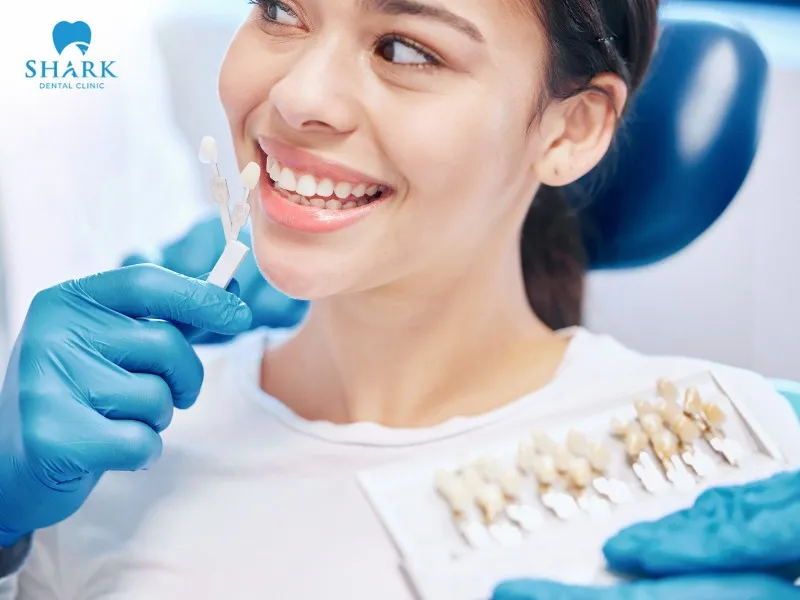
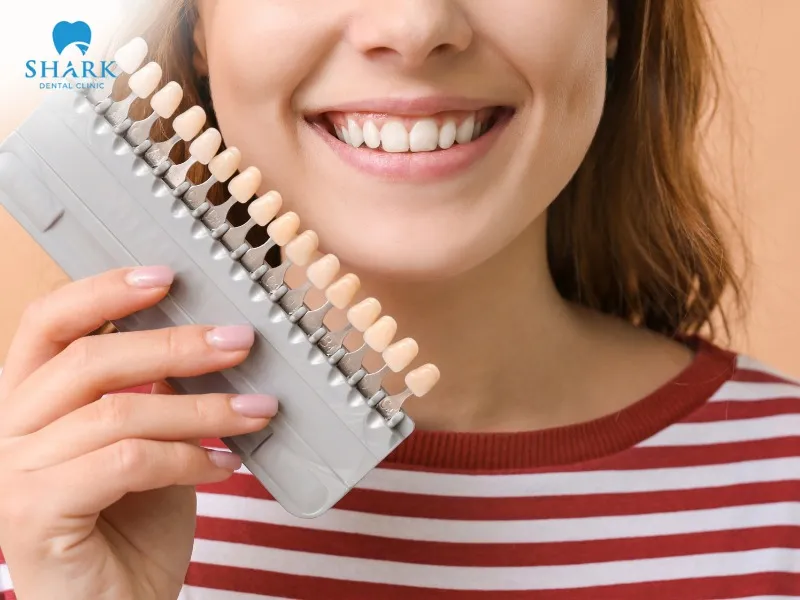
Porcelain veneers are highly effective at improving tooth color, particularly in cases of yellowing, discoloration, or dark gum lines. Acting as an ultra-thin protective layer, they cover the entire front surface of the teeth, masking stains and discoloration to restore a brighter, whiter appearance.
This solution is especially useful for treating teeth affected by Tetracycline or Fluoride staining, which are often difficult to correct with conventional whitening methods. With a wide range of shades available that closely resemble natural teeth, dental veneers deliver a harmonious and natural-looking result that boosts smile confidence.
Furthermore, porcelain veneers have a smooth, polished surface that resists staining from food and beverages. Their excellent color stability helps maintain lasting brightness, allowing patients to enjoy a radiant smile over time.
Can porcelain veneers correct tooth size and shape?
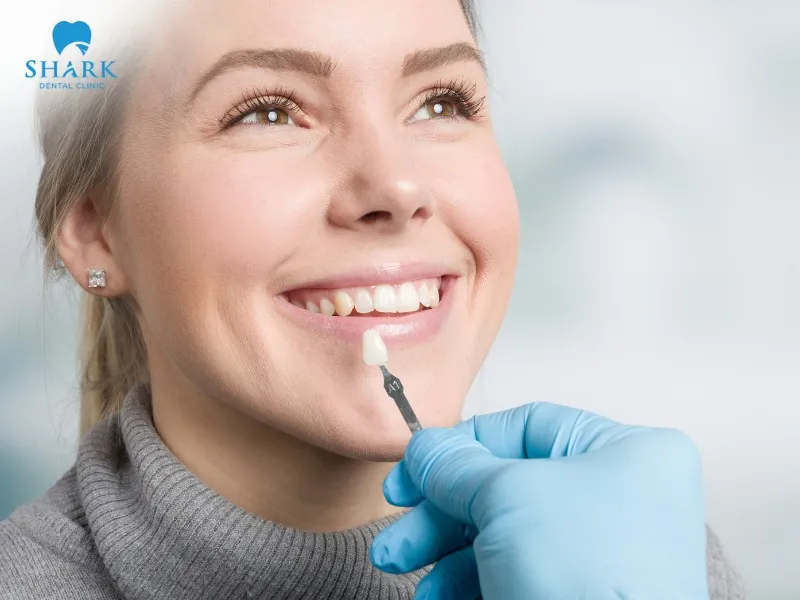
Porcelain veneers can effectively improve the size and shape of teeth, significantly enhancing overall smile aesthetics. Specifically, they can:
- Address spaced teeth, gaps, or teeth that seem too small compared to the dental arch.
- Correct chipped, cracked, or worn teeth due to mechanical impact. Each veneer is precisely designed to fill in missing tooth structure, resulting in a more even and attractive smile.
- Create the appearance of straighter, more balanced teeth for mildly misaligned teeth or uneven tooth axes.
- Each porcelain veneer is crafted using advanced technology and customized to fit the patient’s dental arch and facial features, ensuring a naturally white, symmetrical, and aesthetically pleasing smile.
How do veneers address minor alignment and spacing issues?
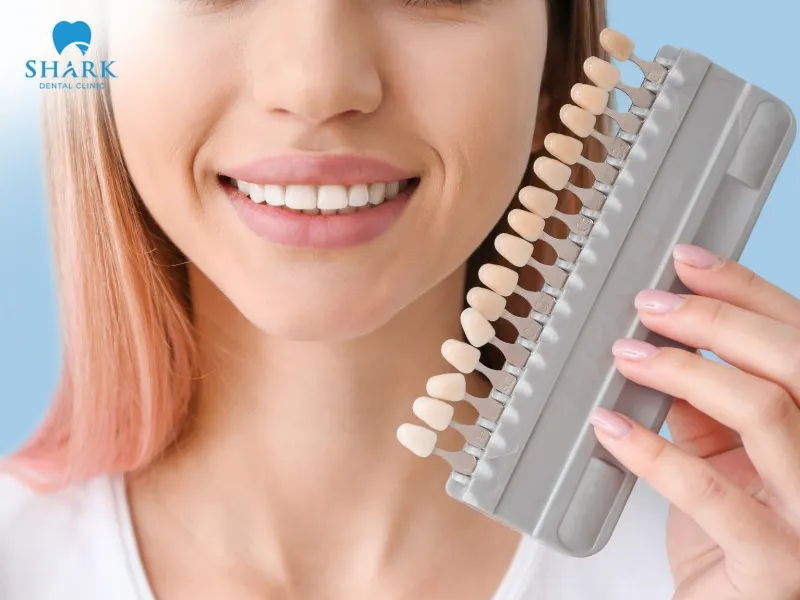
Porcelain veneers are an effective solution for improving minor tooth misalignment, particularly regarding spacing or multiple gaps. This method reshapes the dental arch without invasive interventions in the jawbone structure, preserving natural harmony and aesthetics.
- Spaced teeth: Dental veneers are designed to be slightly wider than natural teeth, naturally closing gaps while maintaining proportion and balance.
- Mild misalignment: Veneers can be custom-designed with the appropriate thickness to compensate for slight tilting or uneven positioning, creating the visual effect of straight, well-aligned teeth.
- Porcelain veneers also allow for precise adjustments in tooth height and width, ensuring a balanced smile that complements facial contours.
Are porcelain veneers suitable for you?
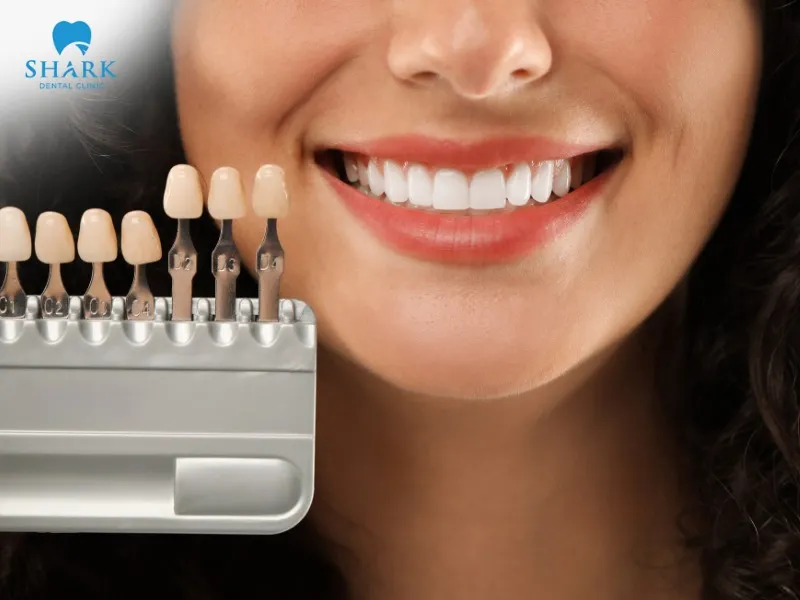
Dental veneers are a modern cosmetic dental technique that has become quite popular. However, this method is not the right choice for everyone.
Below are the situations in which porcelain veneers are commonly recommended:
- Discolored or stained teeth: Individuals with yellowed or darkened teeth due to smoking, coffee or tea consumption, or long-term antibiotic use may consider porcelain veneers to improve their tooth color.
- Spaced teeth and visible gaps: Patients with spaced teeth or noticeable gaps can use dental veneers to enhance the aesthetics of their smile.
- Chipped or mildly misaligned teeth: Minor chipping or slight misalignment can be effectively improved with porcelain veneers.
- Enamel wear: People with naturally short teeth or worn enamel can benefit from dental veneers, as they help restore tooth length and provide a more confident, radiant smile.
- Mild protrusion: Teeth that are mildly protruded may also be suitable for dental veneers to correct aesthetic imperfections.
How is the porcelain veneer procedure performed?
The porcelain veneer procedure is a cosmetic dental restoration that follows a relatively straightforward process. However, it requires professional expertise and precise technique to achieve optimal results.
Step 1: Comprehensive examination.
The dentist conducts a full assessment of your oral health. Any conditions, such as periodontal disease, tooth decay, or gum inflammation, must be addressed before proceeding with porcelain veneers.
Step 2: Local anesthesia and tooth preparation.
After thoroughly cleaning the oral cavity, the dentist administers local anesthesia. Depending on the clinical condition, a thin layer of enamel may be gently removed from the tooth surface in preparation for veneer bonding.
Step 3: Impression taking.
Following tooth preparation, impressions of the natural teeth are taken and sent to a dental laboratory. These impressions allow technicians to fabricate porcelain veneers of precise size, shape, and color that closely match the natural teeth, ensuring optimal aesthetics.
Step 4: Veneer bonding.
Once the veneers are ready, they are bonded to the tooth surface using a specialized dental adhesive. The dentist carefully adjusts the veneers to ensure stability, proper fit, and the best aesthetic outcome while maintaining oral safety.
After the procedure, patients should attend follow-up appointments as scheduled and strictly adhere to the daily oral hygiene and care instructions provided by the dentist.
Why choose porcelain instead of composite veneers?
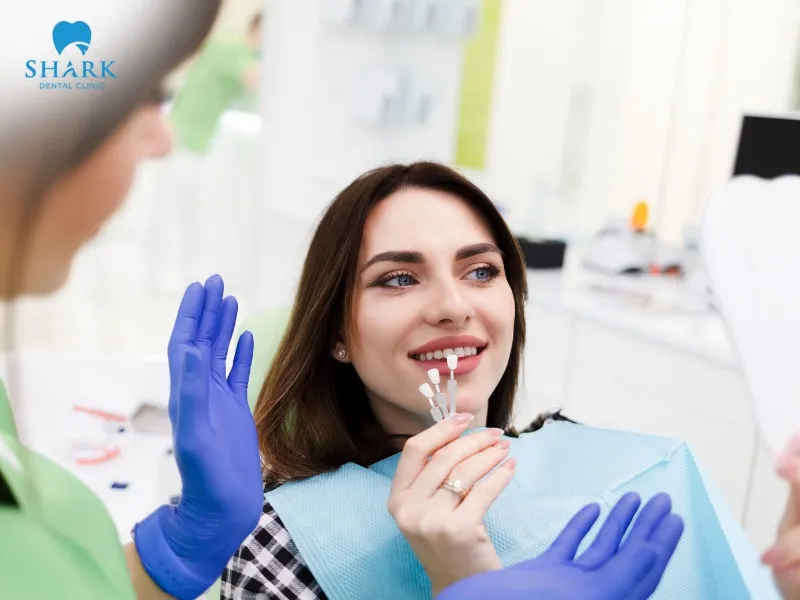
Many dental professionals recommend dental veneers over composite veneers for several reasons:
- Longevity and durability: Porcelain veneers typically last 10 to 15 years or longer, while composite veneers generally last around 5 to 7 years and are significantly less durable.
- Stain resistance: Porcelain veneers offer superior resistance to staining and discoloration, helping to maintain their natural whiteness over time. Composite veneers are more prone to yellowing.
- Superior aesthetics: Dental veneers closely mimic the translucency and color of natural teeth, providing a more lifelike appearance. Composite veneers tend to be more opaque and less realistic.
- Biocompatibility: Porcelain veneers have excellent biocompatibility and do not irritate oral tissues. In contrast, improperly polished composite materials may cause irritation to soft tissues.
- Lower maintenance costs: Due to their durability and resistance to chipping or debonding, dental veneers typically require less maintenance, resulting in time and long-term cost savings compared to composite veneers.
What are the main risks and limitations of veneers?
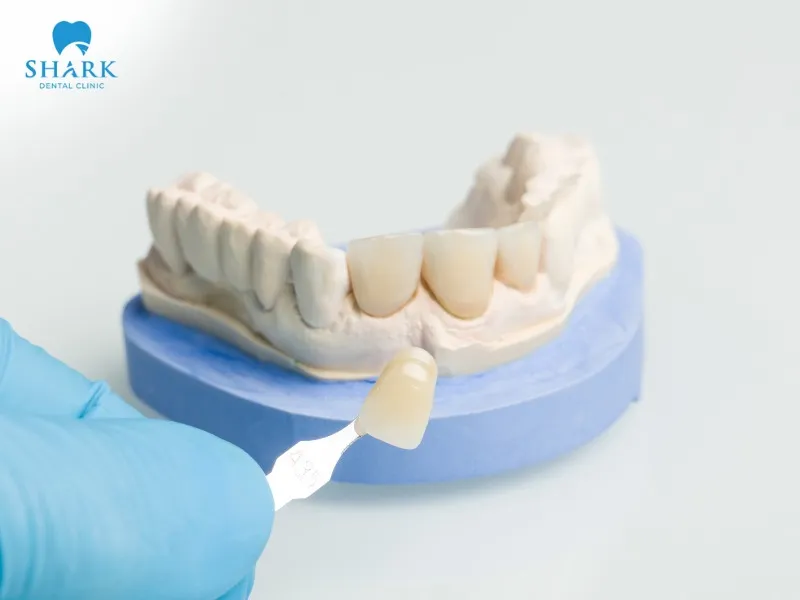
Here are some key drawbacks and clinical limitations of dental veneers that patients should be aware of:
- Not suitable for everyone: One of the main limitations of porcelain veneers is that they are not suitable for all patients. The procedure requires the removal of a thin layer of enamel, making it suitable mainly for individuals with mild tooth misalignment, spaced teeth, or discoloration while still maintaining a stable bite.
- Higher cost: The cost of porcelain veneers typically ranges from 6 to 12 million VND per tooth. Prices can vary depending on the type of porcelain used, the clinic’s fee structure, and the patient’s specific oral condition. Premium porcelain materials also contribute to the higher overall costs.
- Limited masking ability: In cases of severe intrinsic discoloration, such as heavy antibiotic staining or naturally dark gum margins, dental veneers may not completely mask the underlying tooth color.
- High technical requirements: The placement of porcelain veneers requires dentists to have strong clinical knowledge, advanced skills, and extensive experience. From precise treatment planning to meticulous execution, veneers must be positioned accurately without excessively invading the natural tooth structure.
How long do dental veneers usually last?
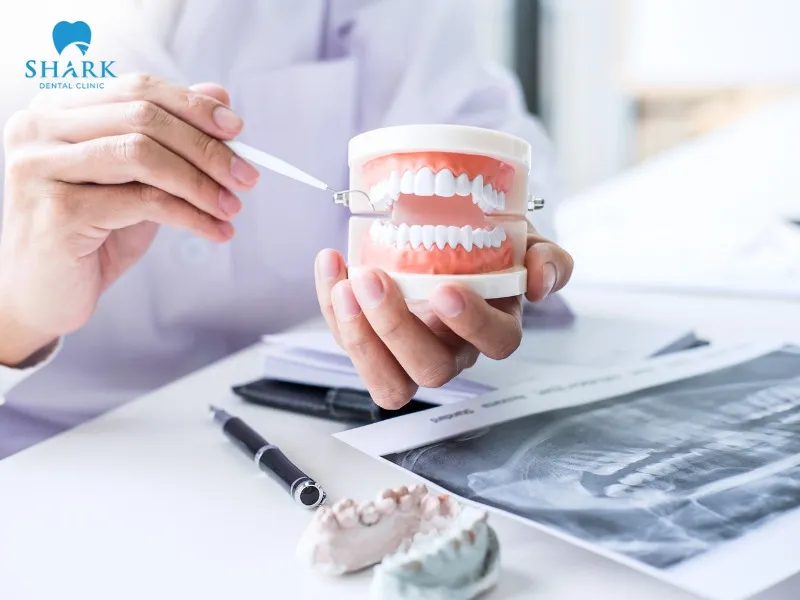
Porcelain veneers typically last between 10 to 15 years, and in some cases, they may last up to 20 years or longer with proper oral care and high-quality materials. They are well-regarded for their durability, biocompatibility, and resistance to wear or material degradation over time.
The lifespan of dental veneers largely depends on clinical technique, the quality of dental materials and bonding agents, the treatment protocol, and the patient’s oral hygiene habits. Therefore, it is essential to choose a reputable dental clinic with experienced dentists and modern equipment to achieve long-lasting results.
What determines the cost of porcelain veneers?
In Vietnam, the cost of dental veneers generally ranges from 6,000,000 to 12,000,000 VND per tooth. This wide variation depends on the brand of porcelain, fabrication technology, and material quality. For example, E.max porcelain is typically more affordable than premium options like Lisi Press.
Additional cost factors include the patient’s oral health condition, the expertise of the dentist, the reputation of the clinic, and the timing of treatment. Considering the aesthetic outcome and restorative effectiveness, porcelain veneers are widely viewed as a worthwhile investment for achieving a bright, confident smile.
How to care for porcelain veneers for long-term success?
To maintain the longevity and aesthetics of porcelain veneers, patients should follow a proper oral care routine as recommended by their dentist:
- Maintain oral hygiene: Brush your teeth 2 to 3 times daily using a mild toothpaste. Brush gently and complement brushing with floss or a water flosser to effectively remove plaque and food debris.
- Follow a balanced diet: Choose nutritious foods that are soft, easy to chew, and gentle on the teeth. Avoid overly hard, chewy, extremely hot or cold, and heavily seasoned foods that may stress the veneers.
- Eliminate harmful habits: Avoid using your teeth to open bottles, tear packaging, bite nails, or grind teeth. Excessive force can cause veneers to loosen or detach, compromising the restoration results.
- Engage in light physical activity: During the first 5 to 7 days after veneer placement, limit strenuous activities such as football, boxing, or climbing. At this stage, the teeth may still be sensitive and should be protected from external impact.
- Schedule regular dental check-ups: Visit your dentist every 3 to 6 months or as advised. Routine check-ups allow for early detection of potential issues and timely intervention to maintain optimal oral health.
The information above provides a comprehensive overview of porcelain veneers, including risks, lifespan, costs, procedures, and aftercare. Hopefully, this guide will serve as a valuable reference, helping you better understand dental veneers and make informed decisions for your dental restoration needs.













Comment on the post