



Constant blinking or involuntary eyelid twitching that doesn’t improve despite rest or using eye drops can be more than a simple muscle reaction. When prolonged, this condition may affect your concentration and daily life, leading many to seek an effective blepharospasm treatment. So, is there a way to treat eyelid spasms? In the following article, Aesthetic Surgery Center provides essential information to give you a comprehensive understanding of this condition.
What is blepharospasm?
Blepharospasm is a condition where the eyelid muscles contract involuntarily and repeatedly, causing uncontrollable blinking or strong twitches. It is a neurological disorder that can significantly reduce quality of life, making it essential to seek effective blepharospasm treatment to improve eyelid function.
Initially, the condition may appear mildly and intermittently. However, if not detected and treated promptly, blepharospasm can become more severe, causing discomfort, vision interference, and affecting daily activities. Factors that may increase the frequency of eyelid spasms include stress, fatigue, lack of sleep, dry eyes, prolonged screen use, or exposure to bright light.
Blepharospasm is not life-threatening but can significantly reduce quality of life and may be mistaken for other eye-related conditions. If you experience these symptoms, early examination is recommended to identify the cause, differentiate it from neurological or muscular issues, and determine the appropriate treatment, improving eyelid function and reducing recurrence.

>>> See more: Eyelid types
What are the symptoms of blepharospasm?
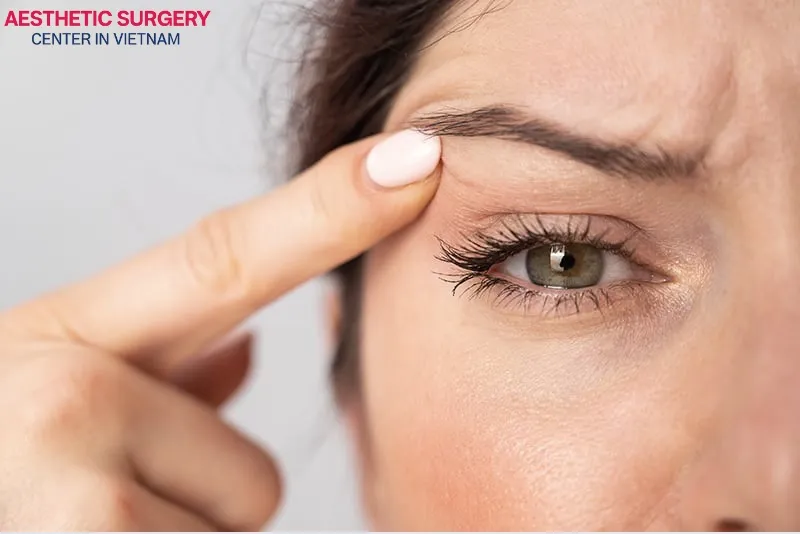
Blepharospasm is more than just simple eyelid twitching. It is a movement disorder classified under the group of dystonia. Its spasms have distinct characteristics that help differentiate it from ordinary eyelid twitches. Common symptoms of blepharospasm include:
- Clear intensity and duration of spasms: The eyelid may close lightly, tightly, or even remain shut. Spasms last longer than usual and occur repeatedly in episodes.
- Abnormally increased blinking: People with blepharospasm blink more frequently than normal, even without noticeable twitching. This is one of the earliest and most recognizable signs.
- Affects both eyes: Unlike typical eyelid twitches, blepharospasm usually involves both upper eyelids simultaneously.
- Spasms occur in a pattern: The contractions follow a consistent rhythm or frequency, rather than random, isolated twitches.
- Synchronized upper and lower eyelid contractions: The simultaneous movement of both eyelids is a distinctive feature, rarely seen in other types of eyelid twitching.
>>> See more: How long after eyelid surgery can I wash my face?
What causes blepharospasm?
Blepharospasm is a complex movement disorder, and while its exact cause is still unknown, identifying the underlying triggers is the first step toward effective blepharospasm treatment. Neurologists believe it is related to abnormal activity in the nerves controlling the eyelid muscles. The specific causes include:
- Research indicates that blepharospasm may originate from dysfunction of the basal ganglia. When this area malfunctions, signals sent to the eyelid muscles become abnormal, leading to involuntary spasms.
- Blepharospasm may also be related to abnormalities of the facial nerve, which transmits signals from the brain to the eyelid muscles. In some cases, facial nerve cells can fire even when the brain does not send a command, causing continuous eyelid contractions that the patient cannot control.
- In primary blepharospasm, considered an idiopathic condition, no clear cause can be identified. Scientists suspect it may involve abnormal activity of the basal ganglia, nerves, genetic factors, and environmental influences.
- Some movement disorders, such as Meige syndrome or forms of Parkinson’s disease, can also cause blepharospasm, although these are rare.
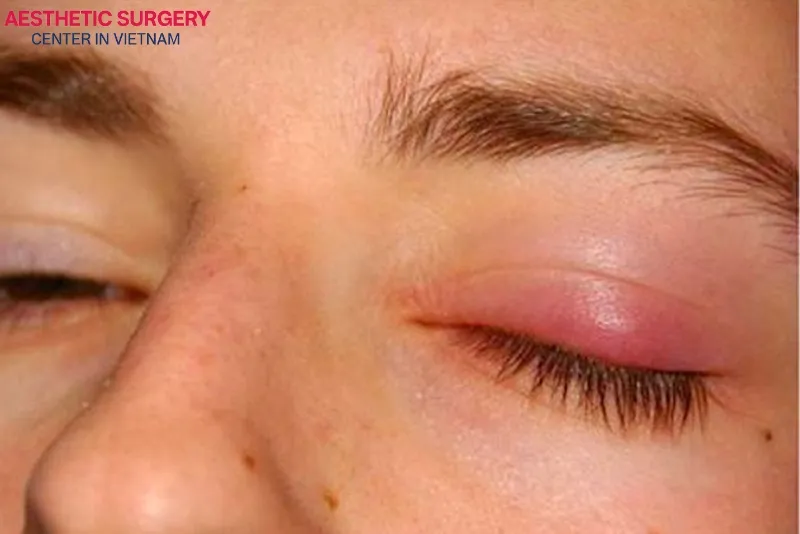
- Other conditions related to inflammation, such as keratitis or eyelid inflammation, can trigger blepharospasm, often causing eye dryness, burning, or discomfort.
- Light sensitivity is also a factor, causing the eyelids to contract to protect the eyes from strong light.
Overall, blepharospasm results from a combination of neurological, muscular, underlying medical, and environmental factors. Understanding these causes helps make diagnosis and treatment easier and more effective.
>>> See more: Can you see after eyelid surgery?
Can blepharospasm be prevented?
Blepharospasm cannot be completely prevented. However, its frequency and severity can be reduced through lifestyle changes and proper eye care. Here are some measures you can consider:
- Give your eyes regular breaks to reduce strain and tension, especially when using computers, phones, or reading for long periods.
- Get enough sleep to allow your eyes to relax deeply after a long day of activity.
- Stress can worsen blepharospasm, so try eye yoga exercises to relieve tension.
- Limit or avoid stimulants such as coffee, alcohol, and tobacco, as they can affect eye health.
- Maintain proper nutrition and ensure adequate intake of vitamins and minerals, especially vitamins A, C, E, and magnesium, to strengthen overall and eye health.
- When going outside in sunlight or wind, wear sunglasses or a hat to protect your eyes from environmental factors.

With the information above, you now have a clear understanding of blepharospasm treatment. While this condition cannot be completely prevented, adopting a healthier lifestyle and properly protecting your eyes can help maintain eye health. Aesthetic Surgery Center hopes this gives you a comprehensive overview of the condition and guidance on how to manage it effectively if it occurs.
>>> See more: Can I get eyelid surgery while pregnant?














Comment on the post