



Blepharoplasty is an optimal solution to make the eyes look younger and more attractive. However, bruising after blepharoplasty is always a concern for many individuals. Is this a sign of a failed surgery? If you are experiencing this condition, refer to the following article for clear answers.
Causes of bruising after blepharoplasty
Bruising after blepharoplasty is actually a normal physiological response of the body to surgical intervention. However, understanding the causes of this reaction can help you feel more at ease and apply proper postoperative care.
- Capillary damage: During the procedure, the surgeon separates tissue to remove excess skin and fat. This process can affect the small capillaries around the eyes, causing blood to leak into surrounding tissues and create visible bruising.
- Individual factors: Individuals with thin skin, fragile blood vessels, or different healing tendencies may experience varying degrees of bruising. Those with blood clotting issues often have darker bruises that last longer.
- Medication effects: Using blood-thinning medications such as aspirin or ibuprofen, or supplements like vitamin E and fish oil before surgery, can significantly increase the risk of bleeding and bruising.
- Postoperative care: Strenuous activity, bending the head down, or increased blood pressure shortly after surgery can disrupt newly sealed blood vessels, making swelling and bruising more severe.
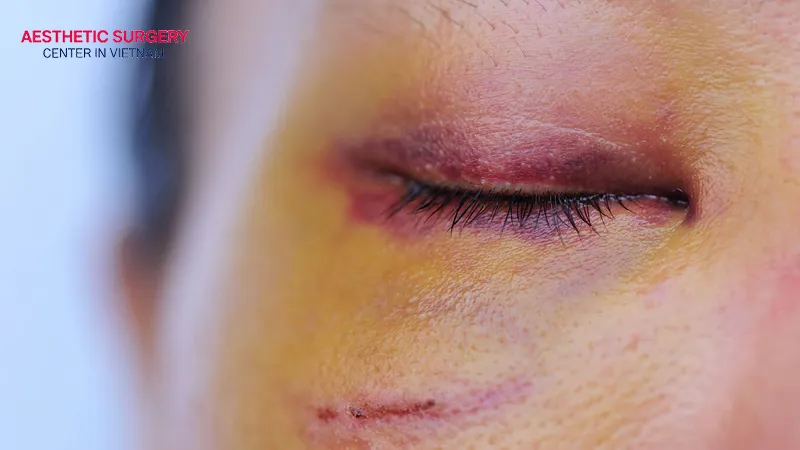
How long does bruising after blepharoplasty last?
Normally, bruising will completely disappear within 10 to 14 days after blepharoplasty. However, this process occurs in stages as follows:
- First 2–3 days: This is the darkest stage. The bruises are usually deep purple or dark blue, accompanied by noticeable swelling.
- From day 4 to day 7: The bruise pigments gradually break down and change to greenish or light yellow tones. At this stage, the eyelids begin to take shape and feel less tight.
- After 10–14 days: For most patients, the bruising fades completely, leaving a more natural-looking eyelid crease.
However, these timeframes may vary depending on the surgeon’s technique, the body’s healing rate, and especially postoperative care. If bruising remains dark or is accompanied by pain after two weeks, you should contact your surgeon for further evaluation.
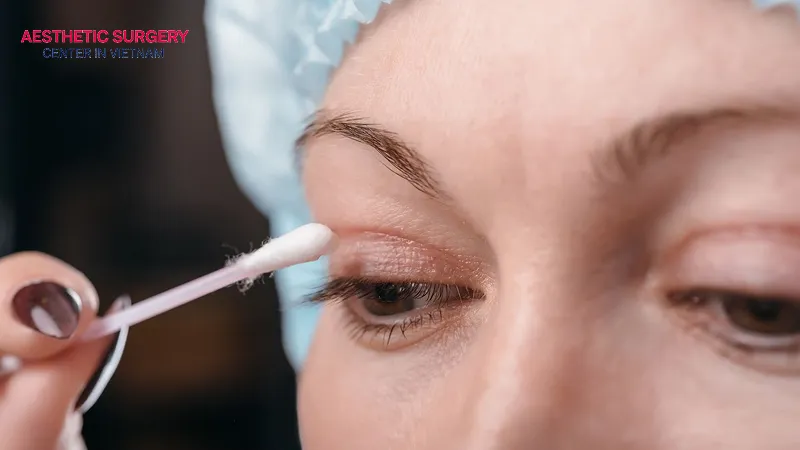
>>> See more: Does blepharoplasty require general anesthesia?
How to reduce bruising and swelling after blepharoplasty?
As noted, bruising after blepharoplasty usually takes about 10 to 14 days to completely fade. So how can you get through the most severe bruising and swelling during the first 2 to 3 days? Below are some recommendations from cosmetic surgeons to help you better care for the surgical area and speed up recovery. Don’t miss them.
Intensive compress therapy
This is the “golden rule” in postoperative aesthetic care:
- First 48 hours (Cold compress): Use a specialized cold pack or ice wrapped in clean gauze to gently apply around the eye area. Low temperature helps constrict blood vessels, reduce internal bleeding, and minimize bruising.
- After 48 hours (Warm compress): Switch to warm compresses to stimulate blood circulation, helping the body absorb and eliminate bruise pigments more quickly.

Sleeping position and rest
- Keep your head elevated: For at least the first 3–5 days, you should sleep with 2–3 pillows so that your head stays higher than your heart. This position helps reduce blood pressure in the facial area and limits fluid buildup that causes swelling.
- Limit eye strain: Avoid prolonged use of phones, computers, or reading books so your eyes can rest properly and reduce stress on the healing tissues.
Diet and lifestyle
- Avoid foods that cause inflammation: You should avoid water spinach, beef, seafood, and sticky rice to prevent irritation and hypertrophic scarring. In particular, limit salt intake, as salt causes water retention and can prolong swelling.
- Supplement vitamins: Increase foods rich in vitamins C, K, and zinc (found in pineapple, oranges, and green vegetables) to support natural blood clotting and strengthen blood vessel walls.
- Avoid stimulants: Do not smoke or drink alcohol for at least two weeks after surgery, as they slow wound healing and make bruising last longer.
>>> See more: What to avoid eating after eyelid stitching?

Use supportive medication as prescribed
The surgeon may prescribe anti-swelling medications or herbal extracts such as Arnica Montana or Bromelain (pineapple enzyme) to help bruising fade faster. Make sure to follow the correct dosage and do not use blood-thinning pain relievers without the surgeon’s approval. This is an important factor in preventing bruising after blepharoplasty.
Tips to manage bruising after eyelid lift surgery
To achieve beautiful eyelids after eyelid lift surgery without worrying about persistent bruising, proper control should be carried out systematically through three key stages: before, during, and after surgery.
Preoperative preparation stage
Bruising control actually begins about two weeks before surgery. This is an important period to optimize the body’s natural blood clotting ability. You should completely stop using blood-thinning medications such as aspirin and ibuprofen, as well as supplements like vitamin E, fish oil, and ginseng, because they can make capillaries more fragile and increase the risk of bleeding.

Maintaining a healthy lifestyle and avoiding alcohol and smoking help strengthen blood vessel walls. In addition, you should discuss any history of high blood pressure with your surgeon, as stable blood pressure is a key factor in preventing subdermal bleeding during the procedure.
A well-prepared body in a “ready” state can reduce the risk of dark bruising by up to 30%.
Surgical procedure stage
During surgery, the surgeon’s expertise and precision are the core factors in minimizing tissue damage. An eyelid surgery experience surgeon uses minimally invasive techniques and performs tissue dissection gently and accurately to avoid damaging the dense capillary networks in the eyelid area.
In addition, the use of modern hemostatic devices such as high-frequency electrocautery helps seal blood vessels immediately, effectively preventing blood leakage into surrounding tissues.
>>> See more: Blepharoplasty surgeon in Vietnam
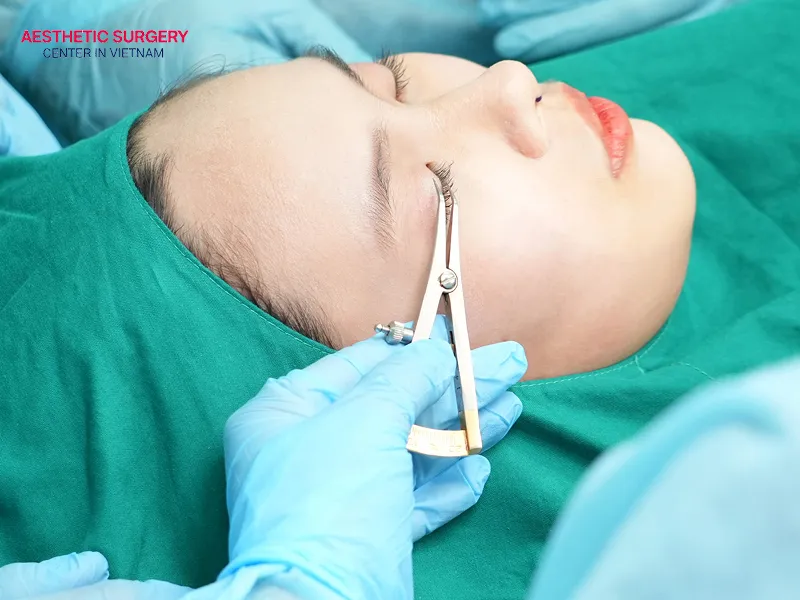
In addition, maintaining a professional surgical environment and applying local cooling measures throughout the procedure also help constrict blood vessels and reduce immediate inflammatory responses.
The combination of skilled hands and advanced technology not only creates a well-defined eyelid crease but also ensures minimal trauma to the eye area.
Postoperative care stage
The postoperative period requires strict adherence to medical instructions to reduce swelling and bruising as quickly as possible.
The rule of intensive cold compresses during the first 48 hours is the “key” to vasoconstriction and swelling reduction, followed by warm compresses to stimulate blood circulation and help the body reabsorb leaked blood cells.
You should maintain an elevated sleeping position and minimize activities that put pressure on the face, such as bending your head down or engaging in strenuous exercise.

In particular, a diet rich in vitamins C, K, and zinc from foods such as pineapple and green vegetables will strongly promote tissue healing.
>>> See more: What are the best fruits to eat after eyelid surgery?
In addition, drinking enough water and strictly following the prescribed anti-inflammatory medication regimen will help bruises change color and fade more quickly, restoring bright and natural-looking eyes.
Bruising after blepharoplasty is a completely natural physiological response and usually resolves within 10 to 14 days. Therefore, instead of worrying, you should equip yourself with proper postoperative care knowledge to manage the condition and significantly shorten recovery time. Wishing you a smooth recovery and naturally radiant, confident eyes on your beauty journey in Vietnam.














Comment on the post