



Many individuals wonder whether you can put neosporin on your eyelid when experiencing infections or minor wounds around the eye area. neosporin is a commonly used antibiotic ointment that helps prevent infection. If you have the same concern and want to know for sure, “can you put neosporin on your eyelid” refer to the article below for clear answers and medical guidance.
What are neosporin ophthalmic treatments?
Neosporin ophthalmic treatments are specially formulated medications used to treat eye infections. Unlike regular neosporin skin ointments, products intended for eye use are sterile and designed specifically for the delicate eye area. This is particularly important for patients recovering from surgery to create a double eyelid, as the area requires maximum protection against bacteria.

The main components of neosporin ophthalmic typically include a triple antibiotic combination:
- Neomycin: An aminoglycoside antibiotic that inhibits bacterial protein synthesis.
- Polymyxin B: Targets and disrupts the cell membrane of gram-negative bacteria.
- Gramicidin (in solution form) or bacitracin (in ointment form): Helps eliminate gram-positive bacteria by damaging their cell walls.
>>> See more: Can I get eyelid surgery while pregnant?
Can you put neosporin on your eyelid?
When considering post-operative care, many patients ask, “can you put neosporin on your eyelid?”. You can apply neosporin to the eyelid, but only if it is a product specifically made for ophthalmic use. In aesthetics and ophthalmology, using this product on the eyelid area is a common recommendation due to its safety and strong antibacterial properties. Surgeons with extensive eyelid surgery experience often prescribe Neosporin ophthalmic treatment in the following cases:
- After eyelid surgery or non-incisional eyelid procedures: Applied along the incision line to prevent infection and reduce hard scarring.
- Blepharitis: Helps eliminate bacteria at the base of the eyelashes, reducing redness, swelling, and crusting.
- Open wounds on the eyelid: Minor cuts or abrasions around the eye area.
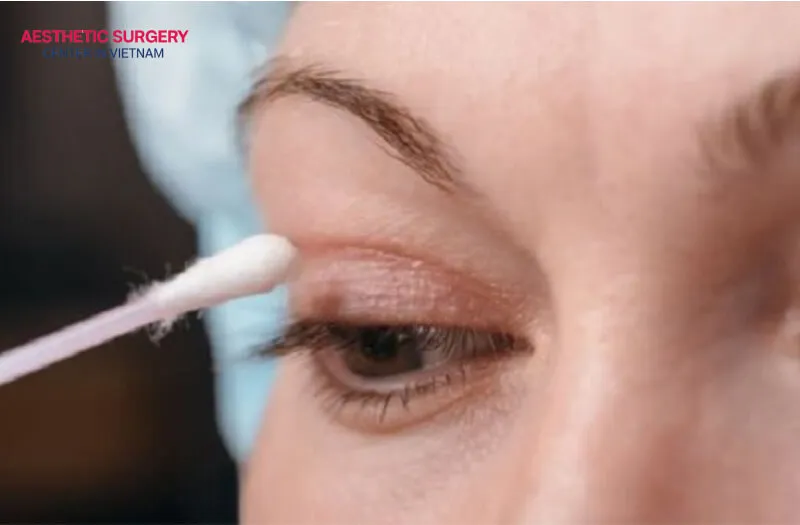
Unlike regular topical skin products, Neosporin ophthalmic formulations are specially designed to be compatible with the highly sensitive eyelid area. The excipients are adjusted to avoid stinging or irritation if the medication accidentally enters the eye. In particular, the ointment form of Neosporin creates a protective moisture barrier that supports eyelid wound healing without causing excessive blockage.
>>> See more: How long after eyelid surgery can I wash my face?
How to apply neosporin eye treatment
In post-cosmetic surgery care or treatment of eye-area injuries, applying the medication with proper technique is a key factor in speeding up healing and ensuring eye safety.

For neosporin ophthalmic (eye treatment), you should use it 2–3 times per day or as directed by your cosmetic surgeon, following these standard medical steps:
- Step 1: Clean your hands and the treatment area. First, wash your hands thoroughly with antibacterial soap to eliminate the risk of cross-contamination. Then, use a cotton pad or sterile gauze soaked in saline solution to gently clean the eyelid area or the cosmetic wound. Make sure the skin is dry and clean before applying the medication.
- Step 2: Apply the ointment in the correct amount. Take a small amount of ointment on your index finger or a sterile cotton swab. Apply a very thin layer to the wound surface or surgical incision.
Note: Avoid applying a thick layer, as excess ointment may clog pores or run into the eye and cause temporary blurred vision. - Step 3: Clean after application and store properly. Wash your hands again after applying the medication. This step is important to prevent the ointment from transferring to other sensitive areas or accidentally rubbing into the eyes. Finally, close the tube tightly and store it in a dry place away from direct sunlight to maintain the antibiotic’s effectiveness.

Side effects
Although neosporin ophthalmic is considered safe and widely used in aesthetic care, it contains strong antibiotic ingredients and may still cause some unwanted reactions in sensitive individuals.
Below are side effects you should be aware of for timely management:
Local reactions (common)
These reactions usually occur at the eyelid skin or eye surface after application:
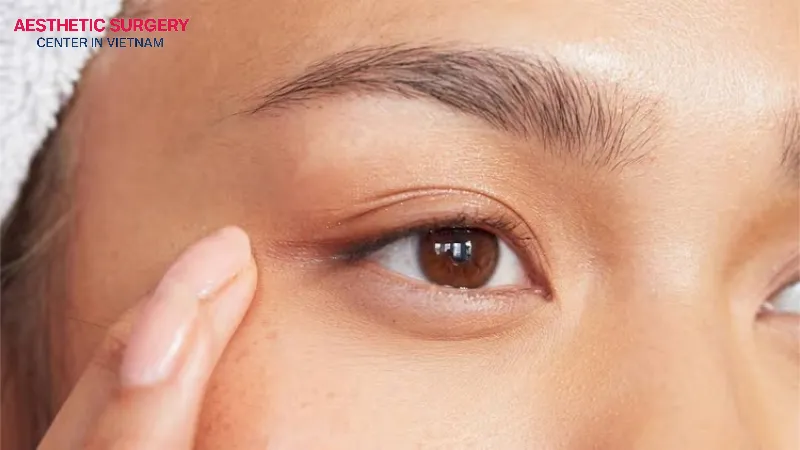
- Mild irritation: A stinging, burning sensation, or slight redness on the eyelid during the first few minutes.
- Temporary blurred vision: Because neosporin is an ointment, the oily layer may coat the cornea and cause brief blurry vision. This is normal and clears as the medication absorbs.
- Itching and swelling: Some individuals may experience mild eyelid swelling due to sensitivity to neomycin.
Severe allergic reactions (rare)
In some cases, users may be allergic to one of the three antibiotics in the medication, especially neomycin, which is a common skin allergen:
- Contact dermatitis: Swelling, redness, small blisters, or oozing on the eyelid area.
- Rash: Hives or redness spreading beyond the application area.
- Systemic reactions: Very rare but may include difficulty breathing or swelling of the face or tongue, which requires immediate medical attention.
Side effects from overuse or prolonged use
- Antibiotic resistance: Using topical antibiotics longer than recommended, usually over 10 days, may reduce effectiveness and promote the growth of resistant bacteria or fungi.
- Fungal overgrowth: Eliminating beneficial bacteria on the skin surface for too long can lead to fungal infections around the eye area.

How to manage side effects
- Stop using the medication immediately if you notice sudden eyelid swelling or severe itching.
- Use saline solution to gently rinse off any remaining ointment.
- Contact your aesthetic surgeon or an ophthalmologist to switch to another antibiotic that does not contain neomycin.
The information above not only answers the question “Can you put neosporin on your eyelid?” but also shows that this can be an appropriate option for eyelid skin recovery. However, to achieve the best results, you must strictly follow the correct usage method and duration, and avoid overuse or antibiotic resistance. If you notice any unusual signs, contact a specialist or a reputable aesthetic clinic promptly for proper examination and guidance.
















Comment on the post