


The recovery period after eyelid stitching is a sensitive stage, as the skin tissues are regenerating and reconnecting. During this time, some foods that seem harmless can actually trigger inflammation and stimulate excessive collagen production, leading to poor scarring. Therefore, understanding what to avoid eating after eyelid stitching not only helps shorten recovery time but also protects optimal aesthetic results. The article below will clearly list the groups of foods that should be avoided after eyelid stitching from an expert perspective.
What to avoid eating after eyelid stitching?
After performing the procedure, many patients ask what to avoid eating after eyelid stitching to ensure a smooth recovery. To help the wound heal quickly and achieve the best aesthetic results, you should avoid the foods listed below:
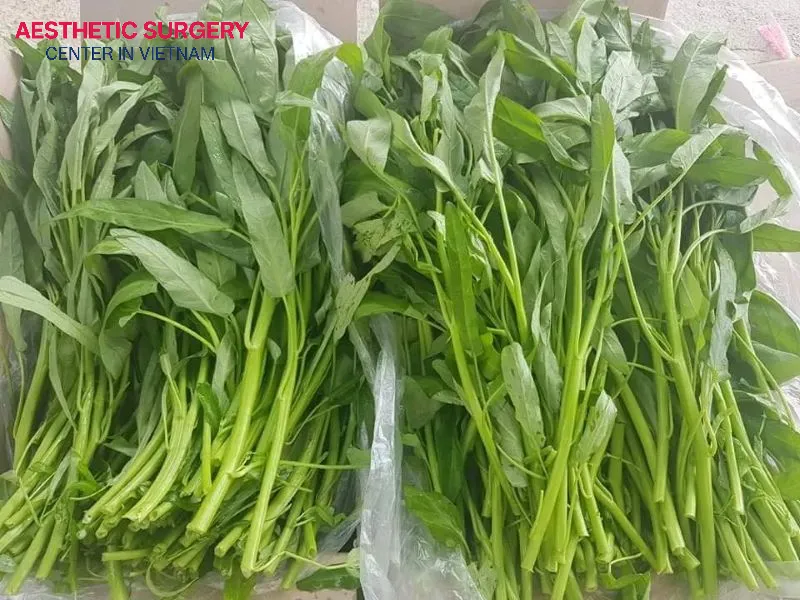
Avoid water spinach
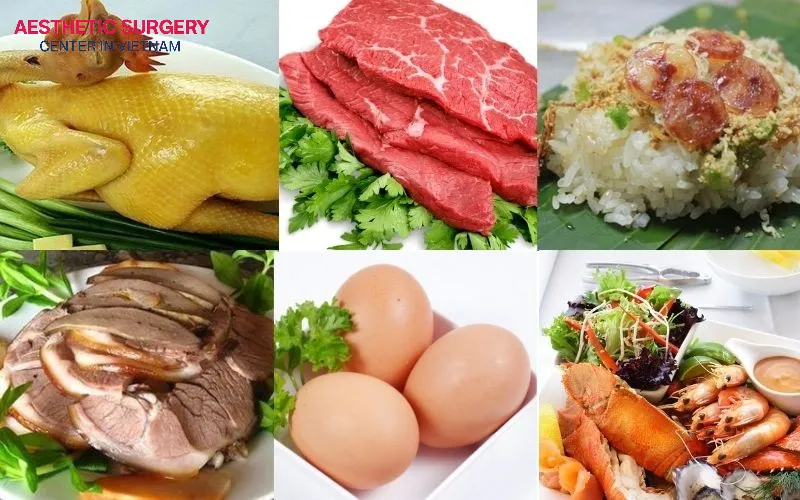
Water spinach is considered the “number one enemy” of open wounds in cosmetic procedures. According to medical knowledge, water spinach can stimulate excessive collagen and scar tissue growth. Eating water spinach during this period can easily lead to raised scars, making crease uneven eyelids and less natural.
Avoid beef
Although beef is rich in protein, it contains a high level of pigments that can cause dark scars at the wound site. When new skin is forming, substances in beef may make the stitched area darker than the surrounding skin. This can leave noticeable marks that are difficult to improve later.
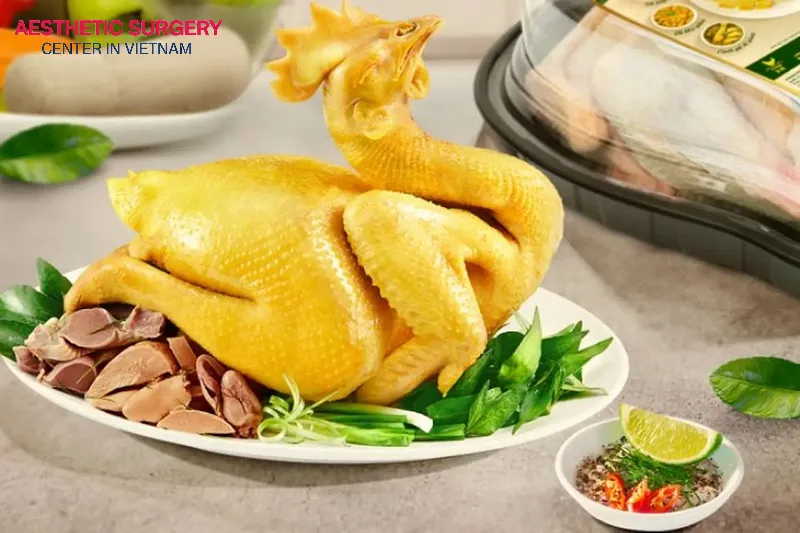
Avoid chicken
Chicken, especially the skin, has warming properties and can cause itching and discomfort in the eyelid area while new skin is healing. The itching may cause you to rub or scratch your eyes. This can shift the eyelid crease or cause abrasions, leading to infection and prolonged swelling.
Avoid duck
Similar to chicken, duck meat contains a higher fat content and may cause internal heat in some people. For sensitive individuals, eating duck can increase the risk of pus formation. This can make the wound dry more slowly and delay scab formation. To protect the healing eyelids, it is best to temporarily remove duck from your daily diet.
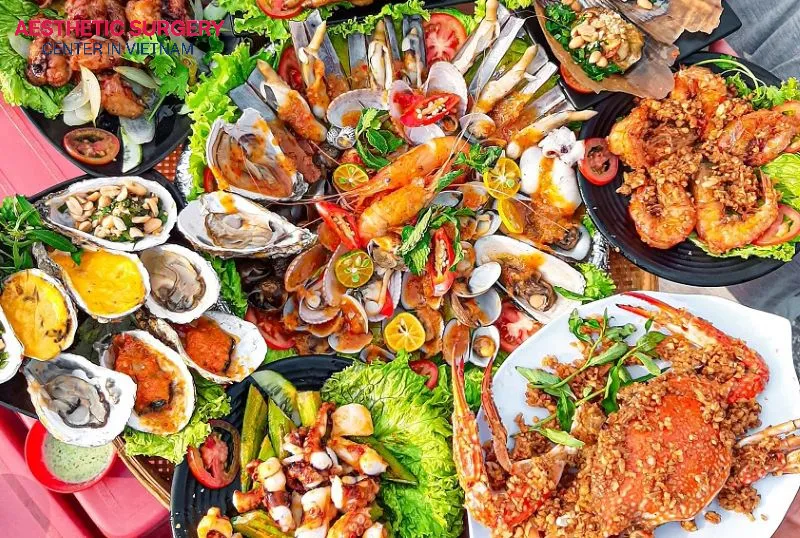
Do not eat seafood
Seafood such as shrimp, crab, squid, and shellfish contains high levels of unfamiliar proteins and histamine. These substances can easily cause allergies and skin irritation. After eyelid stitching, seafood may trigger severe itching and redness around the eyes. This can slow wound healing and increase the risk of scarring. Therefore, seafood should also be avoided during recovery.
>>> See more: Can I eat fish after eyelid surgery?
Avoid eggs
Eggs can cause uneven skin lightening at the wound site. When new skin is forming, eating eggs may make the eyelid area lighter than the surrounding skin. This can lead to patchy skin tone and reduce facial harmony. Therefore, eggs should be avoided after eyelid stitching.
>>> See more: How long to avoid eggs after eyelid surgery?
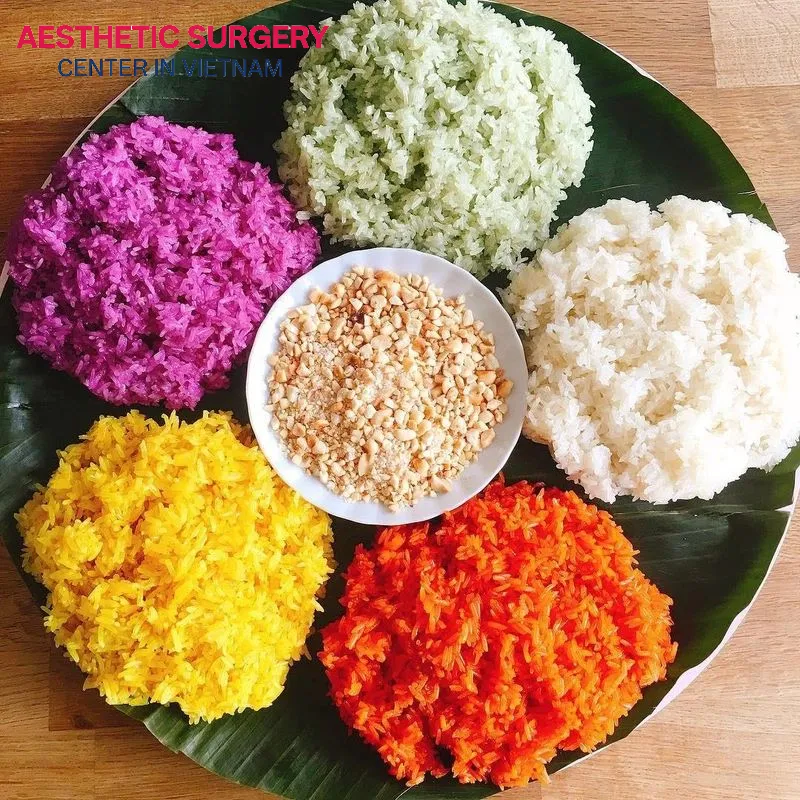
Avoid sticky rice and products made from glutinous rice
Glutinous rice foods have a heating effect and can easily cause swelling and pus formation at the wound site. If the wound becomes infected, healing time will be longer and the risk of poor scarring will increase. The eyelid crease may become thick, uneven, or scarred. For this reason, you should avoid foods made from glutinous rice during recovery.
Avoid spicy foods
Spicy seasonings such as chili, pepper, and mustard can cause internal heat and increase sweating and tear production. Excessive tears or sweat entering the incision may cause stinging and irritation. This also creates a favorable environment for bacteria to grow. These factors are not beneficial for the formation of a stable new eyelid crease.
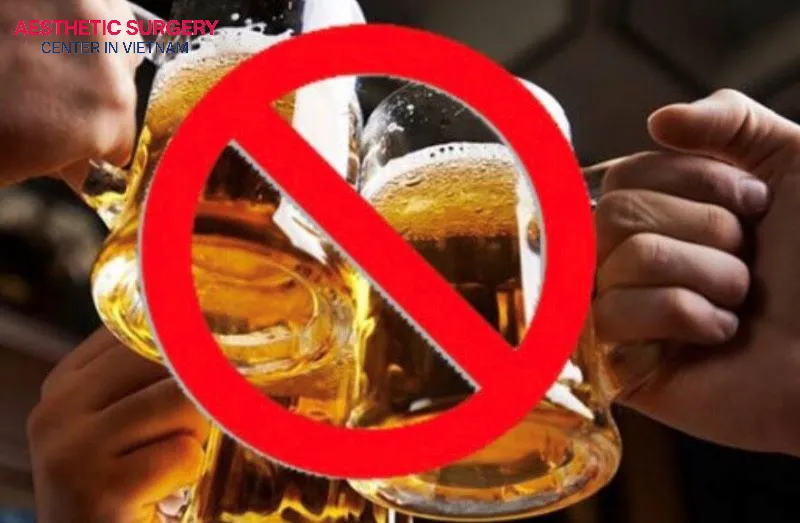
Do not consume alcohol, beer, and stimulants
Stimulants reduce the body’s immune response and disrupt blood circulation. This can prolong swelling and bruising of the eyelids. They may also reduce the effectiveness of prescribed antibiotics and anti-inflammatory medications, increasing the risk of post-operative complications.
How long do you need to diet after eyelid stitching?
The usual dieting period lasts from 1 month to 1.5 months. However, this time may vary depending on each person’s healing ability. For people who are prone to keloid scars or have sensitive skin, the dieting period should continue until the eyelid crease is fully stable, soft, and blends evenly with the skin tone. This usually takes about 3 months to ensure the best aesthetic result.
>>> See more: Can I eat fish after eyelid surgery?
What should you eat after eyelid stitching?
In addition to avoiding certain foods, a nutritious and well-balanced diet helps the body regenerate tissue faster. Proper nutrition supports quicker wound healing, reduces swelling, and helps the eyelids achieve a natural appearance sooner.
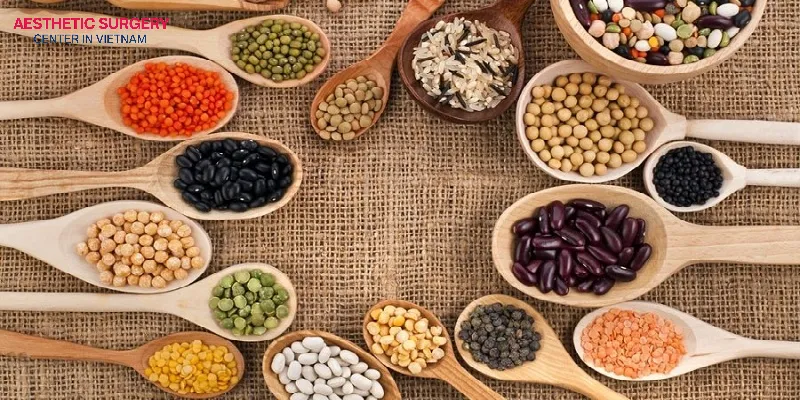
Protein-rich foods
You should replace beef with gentle protein sources such as lean pork, nuts, or tofu. Protein is essential for rebuilding damaged cells after surgery. It helps the incision heal faster and become firmer.
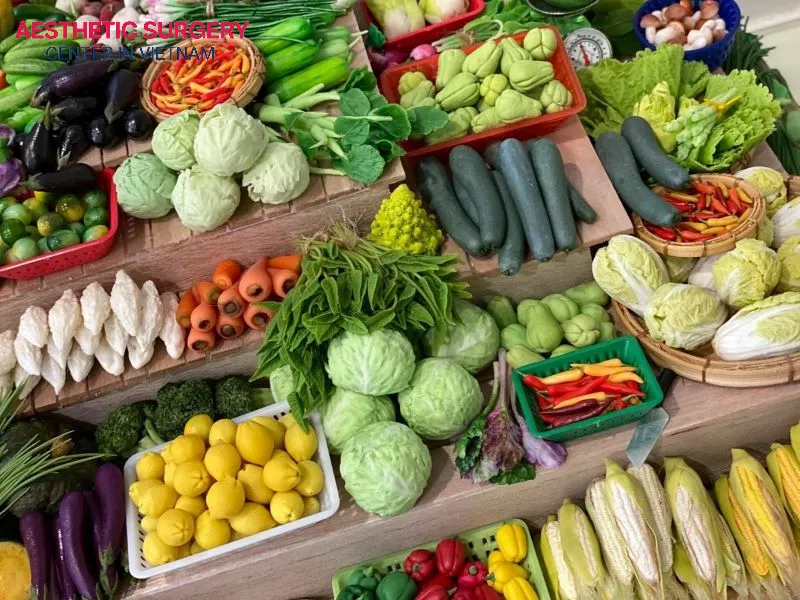
Green vegetables
Vegetables such as broccoli, kale, and sprouts are rich in fiber and minerals that strengthen the immune system. Green vegetables also support digestion, reduce internal heat, and help detoxify the body. This helps the eyelids recover faster and reduces swelling.
Supplement with vitamins from fruits
Vitamins A, C, and E found in oranges, tangerines, grapefruit, strawberries, and kiwi help protect the skin from oxidation and support natural healing. In fact, many specialists consider vitamin-rich citrus and berries to be the best fruits to eat after eyelid surgery because they provide the essential nutrients needed to repair tissues. Vitamin C is especially important as it promotes balanced collagen production, helps fade scars, and improves skin elasticity around the eyes, ensuring your new crease looks soft and natural.
Drink plenty of water
Water helps maintain skin hydration and supports metabolic processes. You should drink about 2–2.5 liters of water per day, including plain water and fruit juices. Adequate hydration helps remove anesthetic residues and allows the wound to dry and heal faster.
Eat grains and cereals
Nuts and grains such as almonds, walnuts, and oats provide clean energy and healthy fatty acids. They support overall health and help keep the skin around the eyes smoother during the recovery process.
Activities to avoid after eyelid stitching
In addition to diet, daily habits play a vital role in shaping the eyelid crease. Below are activities you should strictly avoid to ensure proper healing and prevent eyelid distortion.
Direct physical impact on the eye area
This is the most important rule. Do not rub, scratch, or press on the stitched eyelids. In the first few days, the tissues and sutures are still forming connections. Any force can shift the eyelid crease, break the stitches, or tear the wound. This may cause bleeding and lead to visible scars. If itching occurs during skin healing, use a cotton swab soaked in saline to gently dab the area instead of scratching.
Eye makeup and cosmetic use
For at least the first two weeks, avoid eyeshadow, mascara, eyeliner, and especially false eyelashes. Fine cosmetic particles can enter the unhealed incision and cause infection or conjunctivitis. Makeup removal also requires rubbing, which can seriously affect the stability of the new eyelid crease.

Letting water and chemicals contact the wound
During the first week until stitch removal, you should avoid clean water, facial cleanser, or shampoo coming into direct contact with the eye area. Tap water may contain bacteria that cause infection. Chemicals can cause stinging and irritation. When washing your face, use a soft towel dampened with water and gently clean the surrounding areas. Clean the eye area separately with sterile saline solution.
Strenuous activity and sports
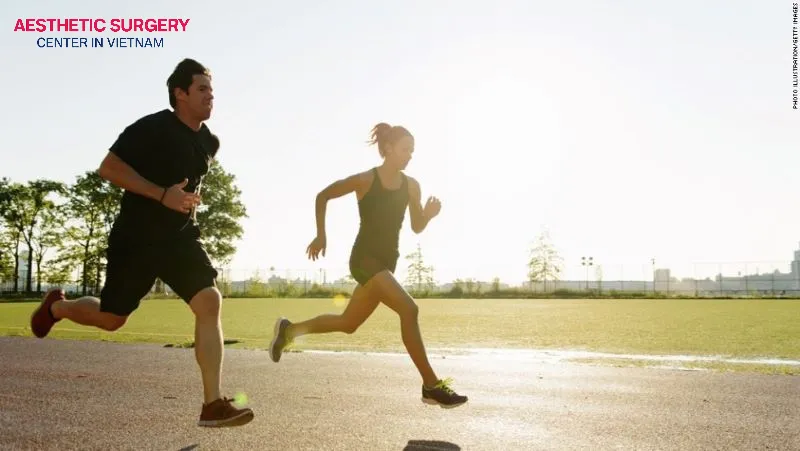
Activities such as gym workouts, running, swimming, or bending the head too low should be avoided for about 2–4 weeks. Intense movement increases blood pressure and heart rate. This can put pressure on small blood vessels around the eyes and cause swelling or subdermal bleeding. Sweat entering the stitched area can carry dirt and bacteria, increase the risk of infection, and slow wound healing.
Prolonged exposure to blue light and sunlight
Spending too much time looking at phone, computer, or TV screens forces the eyes to constantly adjust, causing dryness and strain in the area that has just undergone surgery. You should allow your eyes to rest completely during the first 24–48 hours. In addition, UV rays can cause new scars to darken and become more pigmented. Therefore, when going outside, always wear sunglasses and a wide-brimmed hat to protect your eyes from environmental exposure.
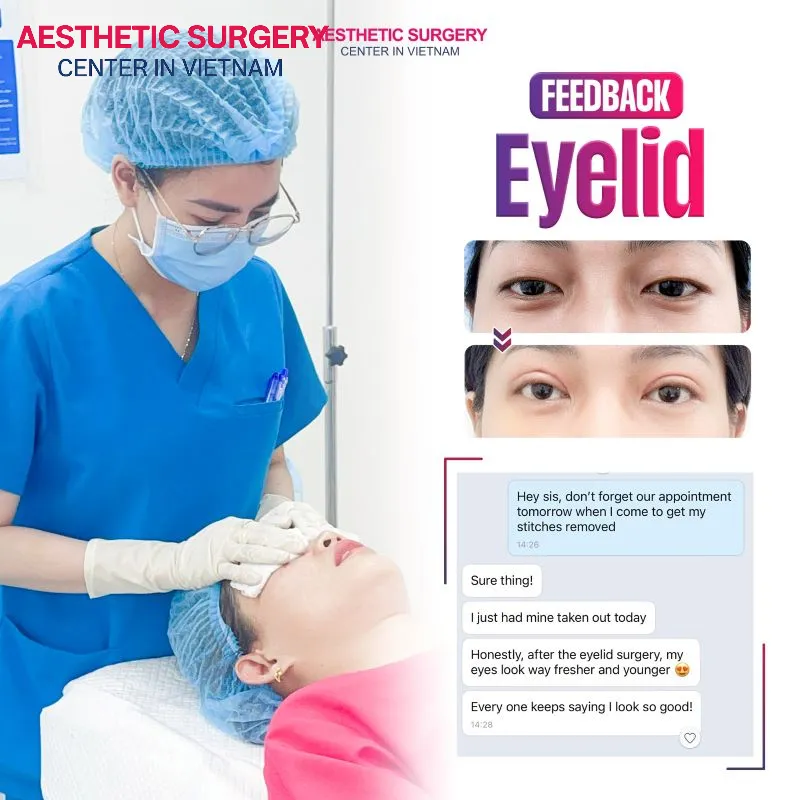
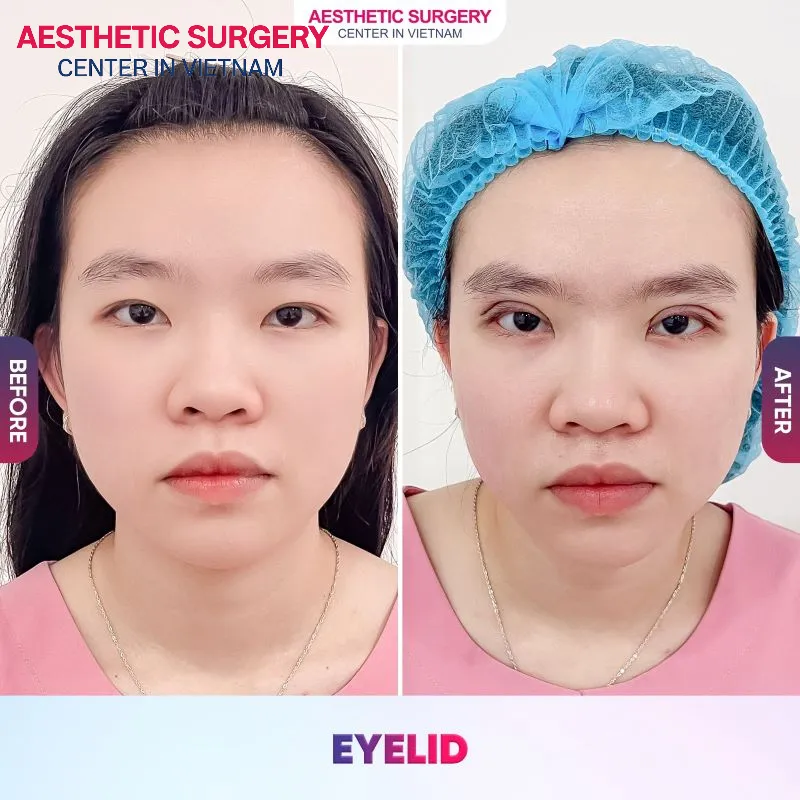
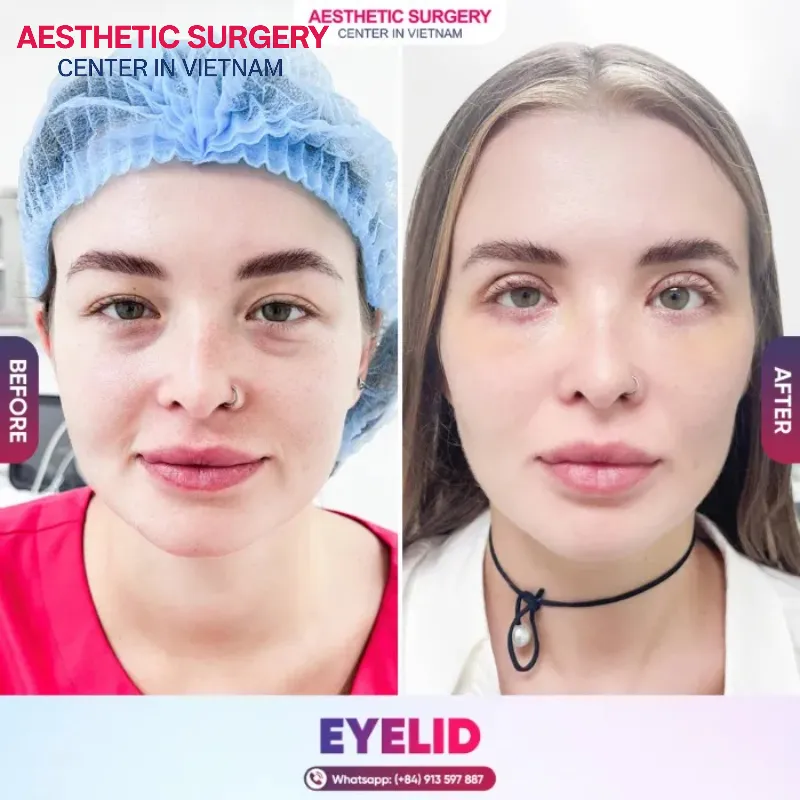
Clients who achieved a fast recovery in just 1 week after eyelid stitching at Aesthetic Surgery Center in Vietnam
At Aesthetic Surgery Center in Vietnam, we provide a personalized plan covering what to avoid eating after eyelid stitching alongside our advanced micro-stitching technology. This comprehensive approach has helped thousands of patients achieve well-defined double eyelid with no visible scarring in just 7 days.
Real results from our patients are the clearest proof of the quality and dedication we provide.
>>> See more: Eyelid surgery clinic in Vietnam
Based on the information shared regarding what to avoid eating after eyelid stitching, it is clear that dietary restriction plays an important role in eye cosmetic recovery. During the avoidance period, you can replace restricted foods with more suitable options to help the eyelids heal faster and achieve the desired aesthetic result.










Comment on the post