



Do you wake up with tightness around your eyes, itching, or even small flakes that make blinking uncomfortable? Dry eyelids not only affect appearance but can also be a warning sign related to skin care habits or eye health. So why are my eyelids dry, and how can you restore softness to this sensitive area? Let’s explore the common causes and effective solutions in the article below.
What are dry eyelids?
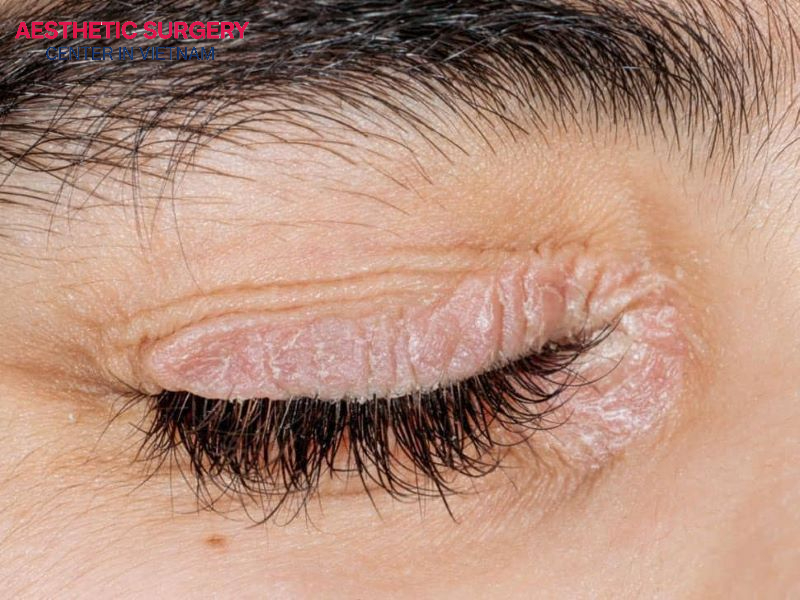
Dry eyelids, also known as dryness of the eyelid skin, occur when the thin skin around the eyes loses moisture. This leads to flaking, itching, roughness, and irritation. Dry eyelids can be caused by various environmental factors, and in some cases, the condition may be related to underlying skin disorders affecting the eye area.
>>> See more: Eyelid types
Why are my eyelids dry?
Dry eyelids not only cause discomfort and irritation but also make this area age faster and develop fine lines. Because eyelid skin is the thinnest skin on the body (only about 0.5 mm thick), it is extremely sensitive to external factors and internal changes. Below are common reasons that explain why your eyelids become dry and flaky.
Weather and environment
Harsh changes in weather and environmental conditions are the leading causes. When air humidity drops in winter or when you spend long hours in air-conditioned environments, the skin loses moisture more quickly through the surface. Cold wind and direct sunlight can also damage the natural protective barrier of the eyelids, making the skin feel rough and tight.
Using unsuitable cosmetics
Using inappropriate cosmetics or skincare products often causes contact dermatitis. Ingredients such as fragrances and preservatives in facial cleansers, makeup removers, mascara, or eyeshadow can strongly irritate this delicate skin. Even washing your face with very hot water can strip away the small amount of natural oils on the eyelids, leading to dryness and redness.
Underlying skin conditions
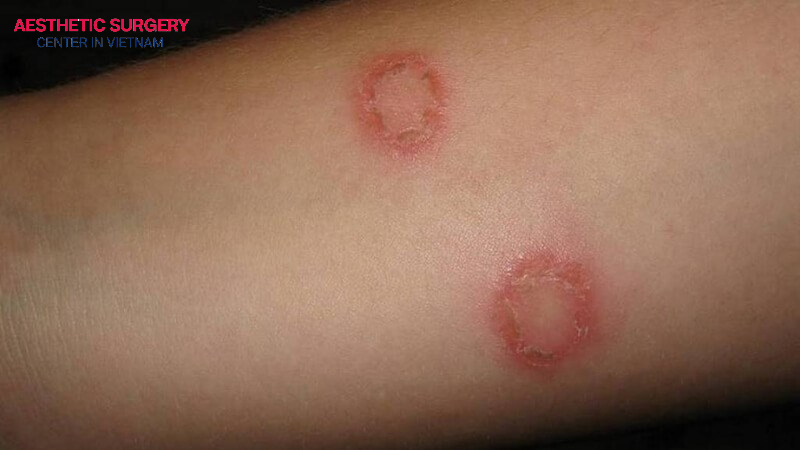
Skin conditions such as atopic dermatitis or eczema often appear clearly around the eyes. If you have a history of allergies, the eyelids may be the first area to react with itching, swelling, and dry flaking. In addition, blepharitis caused by bacteria or blockage of oil glands at the eyelash roots is also a medical reason why the eyelids remain dry and uncomfortable, sometimes accompanied by eye discharge.
Lifestyle habits and aging
Daily habits and natural aging also play an important role. As we age, the skin’s ability to retain moisture decreases due to a reduction in collagen and elastin. In addition, frequent eye rubbing caused by stress or eye strain from long hours in front of screens can create small physical damage. This can worsen dryness and make it easier for bacteria to enter.
Nutritional deficiencies
Nutrient deficiency and internal imbalance can also be hidden causes. Not drinking enough water or lacking essential vitamins such as vitamin A, vitamin E, and fatty acids like omega-3 can reduce skin elasticity and moisture throughout the body, including the eyelids. In addition, side effects of certain medications or hormonal changes may make the skin around the eyes more sensitive and drier than usual. Therefore, if you are wondering why your eyelids are dry, the cause may come from nutritional deficiencies, especially a lack of healthy fats..

How do you treat dry eyelid skin?
To treat dry eyelid skin, you first need to identify the cause and the severity of the condition. If the eyelids only show mild dryness, it can often be managed at home. However, if dry eyelids are caused by chronic skin inflammation or eye irritation, you should consult a dermatologist or ophthalmologist for proper treatment.
Home care for dry eyelids
Clean the eyelids: Use warm or cool water to gently clean the dry eyelid area. Avoid very hot water and long showers, as they can damage the delicate eyelid skin. You may also use a specialized eyelid cleanser to gently clean the lash line each day.
Adjust the indoor environment: If you live in a dry climate or use air conditioning frequently, a humidifier can help add moisture to the air. Protect your eyelids from sunlight, dust, wind, and heat by wearing UV-protective sunglasses when going outside.
Stop using makeup and skincare products: During this time, the eyelid skin needs rest. Avoid makeup and skincare products on the eyelids, except for a gentle moisturizer. Once the skin recovers, you can slowly resume normal use. If any irritation occurs, stop using the product immediately.
Use gentle moisturizers: When eyelids are dry, you can apply light gel-based moisturizers or gentle creams such as petroleum jelly. Choose products that are fragrance-free, non-allergenic, and suitable for sensitive skin.
Drink enough water: Staying well hydrated helps moisturize the eyelid skin from within and reduces dryness.
See a doctor for treatment
If you have applied the above methods for 1–2 weeks without improvement, or if you experience any of the following symptoms, you should visit a medical facility to be examined and advised by an eye specialist:
- Swollen and painful eyelids.
- Yellow crusts or discharge at the lash line, which may indicate blepharitis or infection.
- Dry, rough skin spreads to other areas of the face, such as eczema or atopic dermatitis.
- Involuntary twitching or blinking: If severe dryness is accompanied by uncontrollable eyelid closure, you may need a specialized evaluation for blepharospasm treatment to restore normal eyelid function.
Risk factors and prevention
Dry eyelids are a common condition and can be treated. However, if it persists, it may affect vision. Therefore, understanding the risk factors and preventive measures is important to reduce the risk and protect eye health:
Risk factors for dry eyelids
- Age: From the age of 40 and above, tear gland function naturally declines due to aging, which can lead to dry eyelids. In addition, collagen and natural oils in the skin decrease with age, making the eyelid area more prone to dryness. Over time, chronic dryness and loss of elasticity can also contribute to the appearance of uneven eyelids, as the skin loses its firm, symmetrical structure.
- Gender: Women have a higher risk of dry eyelids than men, especially during hormonal changes such as pregnancy, menopause, or oral contraceptive use.
- Daily habits: Prolonged use of computers or smartphones reduces blinking frequency (from 15–20 times per minute to about 5–7 times per minute), causing tears to evaporate more quickly. Frequent contact lens use or improper eyelid hygiene can also lead to dry eyelids.
- Genetics: If one or both parents have a history of dry eyelids, your risk of developing this condition is higher.
- Nutrition: A diet lacking healthy fats can also increase the risk of dry eyelids.
- Weather: Living in harsh climates with low humidity can cause the skin to lose moisture quickly.
- Medical conditions: Certain conditions such as diabetes, thyroid disease, kidney disease, or vitamin A deficiency can increase the risk of dry eyelids.
How to prevent dry eyelids?
Aside from genetic factors, aging, and age-related changes that are beyond control, you can apply the following preventive measures to protect the delicate eye area:
- Use a cotton swab or clean gauze soaked in saline solution or a specialized eyelid cleanser to gently clean the lash line and remove dirt and excess oil that may block the glands.
- Apply a warm compress to the eyes for about 5–10 minutes each evening. The heat helps melt clogged oils along the eyelid margins, allowing the eyes to stay more lubricated.
- If you spend long hours in air-conditioned rooms, place a small humidifier or a cup of water on your desk.
- Moisturize the eyelids daily with products specifically designed for the eye area.
- Include foods such as fish oil, salmon, chia seeds, walnuts, carrots, pumpkin, and gac fruit to provide healthy fats and nutrients. These help improve the quality of the oil layer in tears and support eye surface health.
- Wear sunglasses when going outside, preferably wraparound styles, to protect the eyes from wind and dust.
- Avoid direct airflow from fans, hair dryers, or car air-conditioning vents blowing toward your face.
- Drink enough water every day to hydrate the body from within, increase moisture around the eyes, improve blood circulation, and prevent dry eyelids.

When should I see a healthcare provider about my dry eyelids?
Most cases of dry eyelid skin are mild and can improve with proper moisturizing. However, the skin around the eyes is very sensitive and close to an important visual organ, so you should see a doctor immediately if you experience any of the following warning signs:
- Redness and pain: The eyelids are swollen, feel warm to the touch, or cause significant pain.
- Abnormal discharge: Pus, yellow or green discharge, or eyelashes sticking together when you wake up.
- Hard lumps: The appearance of persistent bumps, styes, or chalazia that do not resolve. In some cases, you may notice a small, irritating bump on eyeball under eyelid surfaces, which requires professional diagnosis to distinguish between a simple stye and more complex conditions.
- Blurred vision: Vision becomes unclear or feels like there is a film over the eyes.
- Light sensitivity: Unusual pain or discomfort when exposed to light.
- Cracking or bleeding: The skin becomes so dry that it cracks and bleeds, increasing the risk of secondary infection.
- Changes in the eyelid margin: Unusual eyelash loss or eyelids turning inward or outward.
- Lasting more than two weeks: You have stopped using makeup, applied gentle moisturizers, and maintained proper hygiene, but symptoms do not improve.
- Spreading: Dry, itchy skin spreads to the cheeks, forehead, or other areas of the body, which may indicate eczema, psoriasis, or atopic dermatitis.
- Suspected severe allergy: Sudden eyelid swelling after using a new product, which may indicate acute contact dermatitis.
Through this article, you should now better understand why are my eyelids dry, along with effective solutions and prevention methods to manage this discomfort. Take good care of your eyelid skin to protect your eyes and maintain overall facial health. Hopefully, this information has been helpful to you in addressing your concerns.














Comment on the post