



All-on-4 dental implants restoration is a tooth replacement solution that applies modern technology, delivering optimal results in cases of full-arch tooth loss. To better understand the benefits, limitations, procedure, and cost of this method, we invite you to read the detailed article below.
What is all-on-4 dental implants?
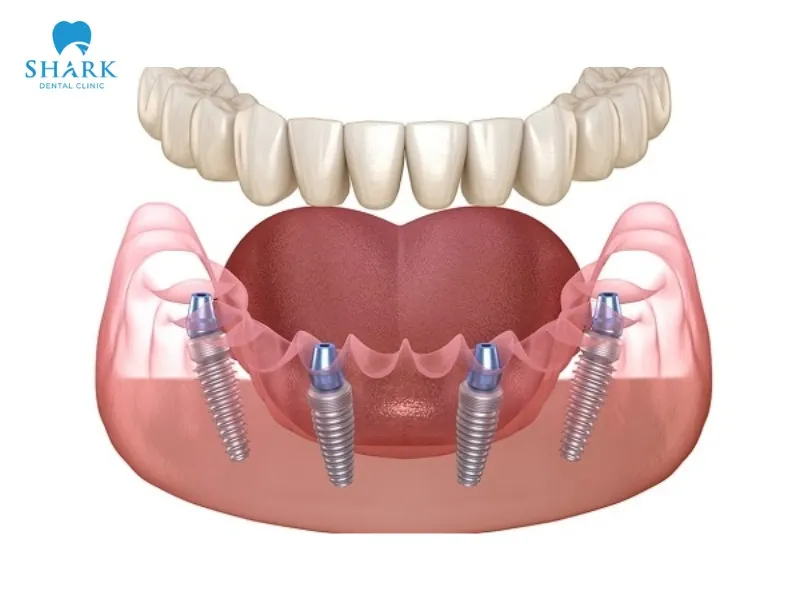
All-on-4 dental implants are a restorative solution designed to restore chewing function and tooth appearance for patients who have lost more than eight teeth or an entire dental arch. This method involves placing four implant posts directly into the jawbone to support a full-arch prosthesis, which helps to reduce swelling and discomfort while optimizing overall treatment costs.
All-on-4 dental implants not only restore the ability to eat and speak comfortably but also stabilize facial structure, maintain jawbone density, and reduce the risk of bone loss. Thanks to modern dental technology, this approach has become a preferred option for many full-arch restoration cases today.
Why patients consider full-arch restoration with all-on-4?
Many patients opt for all-on-4 dental implants for the following reasons:
- Reduced swelling and discomfort: In cases of full-arch tooth loss, placing only four implants minimizes potential pain and treatment time, as opposed to placing multiple implants.
- Prevention of jawbone resorption: Dental implants mimic the function of natural teeth, effectively limiting the dangerous progression of jawbone loss.
- Restored chewing function: After treatment, patients can comfortably chew and eat, reducing the risk of oral and digestive problems.
- Improved aesthetics: All-on-4 dental implants provide a natural-looking dental arch, enhancing the brightness and confidence of the smile.
- Long lifespan: Compared to removable dentures, All-on-4 dental implants are known for their durability and longevity, lasting over 20 years or even permanently with proper care.
How the all-on-4 treatment works?
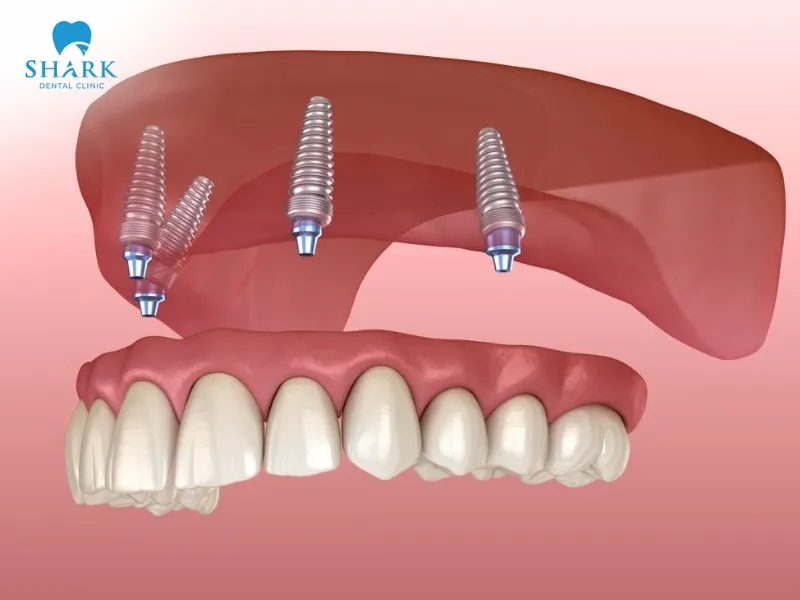
The all-on-4 treatment follows a standardized dental protocol, including the following steps:
- Step 1: Comprehensive examination.
The patient undergoes a full oral examination and a 3D CT scan to assess oral health and jawbone quality. Based on these findings, the dentist develops an appropriate treatment plan.
- Step 2: Oral cleaning and local anesthesia.
Before implant placement, the oral cavity is thoroughly cleaned. The dentist then carefully calculates the implant positions and administers local anesthesia at the surgical sites.
- Step 3: Implant placement.
Once anesthesia takes effect, four implant posts are placed directly into the predetermined positions in the jawbone. This step requires precise technique and accuracy to ensure optimal restorative outcomes.
- Step 4: Impression taking and temporary prosthesis placement.
Dental impressions are taken to fabricate ceramic teeth in the dental laboratory. This ensures the final prosthesis matches the natural teeth in size, shape, and color. During the fabrication period, a temporary prosthesis is provided to maintain daily function.
- Step 5: Post-implant follow-up.
The implants need time to integrate with the jawbone. About 7–10 days after surgery, or according to schedule, the patient returns for a follow-up visit. The dentist evaluates healing and osseointegration and may make necessary adjustments.
- Step 6: Final crown placement.
Once the implants are fully integrated, the ceramic crowns or full-arch prosthesis are attached, completing the All-on-4 restoration.

Limitations and considerations patients should know
Some notable limitations of the all-on-4 dental implant method include:
- Compared to all-on-6 implants, all-on-4 may offer slightly lower durability, stability, and long-term performance.
- Jawbone integration requires a relatively long healing period, and recovery usually takes longer than that of removable dentures. Patients typically need to wait 3–6 months before resuming normal eating and daily activities.
- Compared to traditional tooth replacement methods, All-on-4 dental implants involve higher treatment costs.
Clinical benefits of all-on-4 dental implants
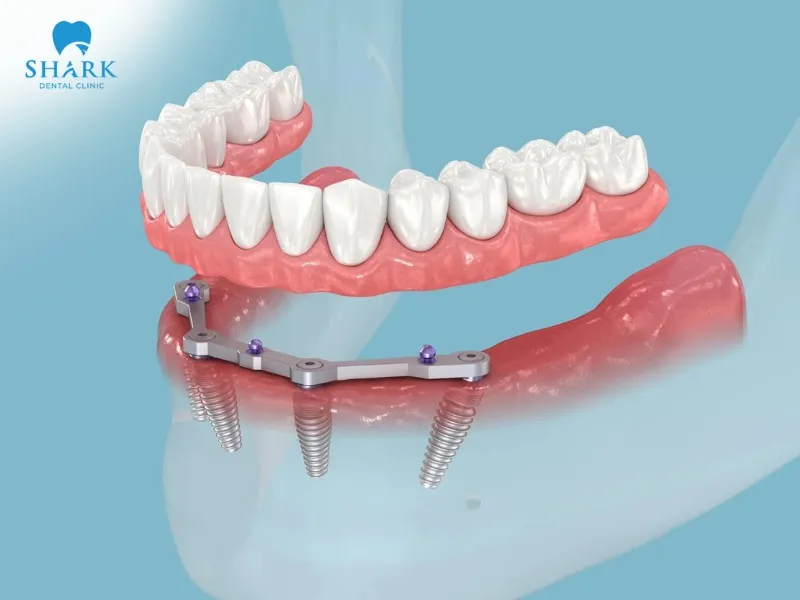
When performed based on proper clinical indications, all-on-4 dental implants offer several significant benefits:
- Improved quality of life: After the placement of implants, patients often feel more confident and comfortable when eating and communicating. With the support of modern dental technology, this method restores the natural function of teeth, greatly enhancing overall quality of life.
- Enhanced aesthetics: Tooth loss can lead to self-consciousness and a reluctance to socialize. After all-on-4 treatment, patients can engage in daily activities with a complete, strong, and natural-looking dental arch.
- Long-term effectiveness: Dental implants are a durable and long-lasting solution, providing exceptional convenience and stability in everyday life.
- Prevention of oral diseases: Following implant placement, common oral conditions such as tooth decay, periodontal disease, and more serious issues like jawbone resorption can be effectively prevented.
- High success rate: While the procedure can be technically complex, all-on-4 dental implants demonstrate a high success rate and are a popular choice among many patients.
Who is an ideal candidate for all-on-4 treatment?
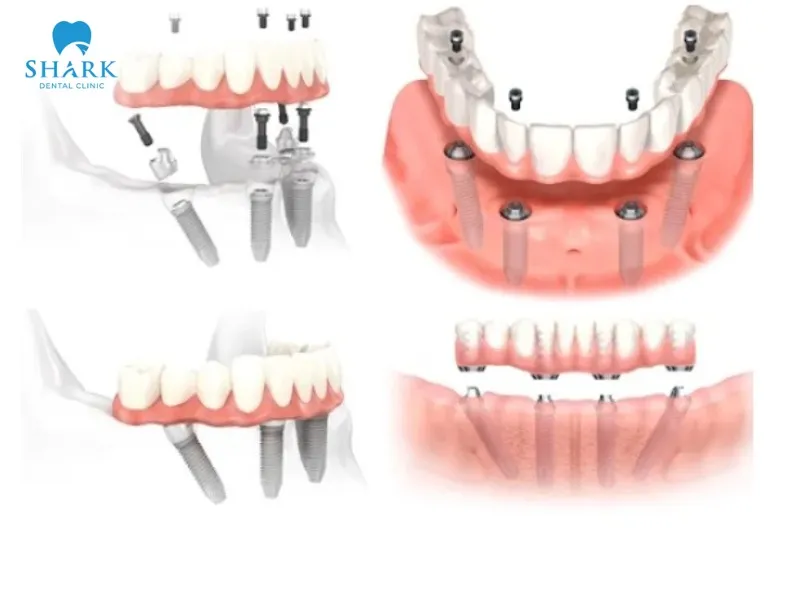
Although dental implants are a favored restorative method, not all cases are suitable for all-on-4. This treatment is typically recommended for:
- Patients who have lost all teeth in both arches or in only the upper or lower arch.
- Patients with full-arch tooth loss and a weak jawbone structure who are not suitable for placing multiple implant posts.
- Patients with complete tooth loss and reduced chewing ability who are uncomfortable using removable dentures.
- Patients with severe tooth decay or advanced periodontal disease requiring tooth extraction.
Comparing all-on-4 to other full-arch tooth replacement options
Each full-arch restoration method has its advantages and limitations, catering to different patient needs.
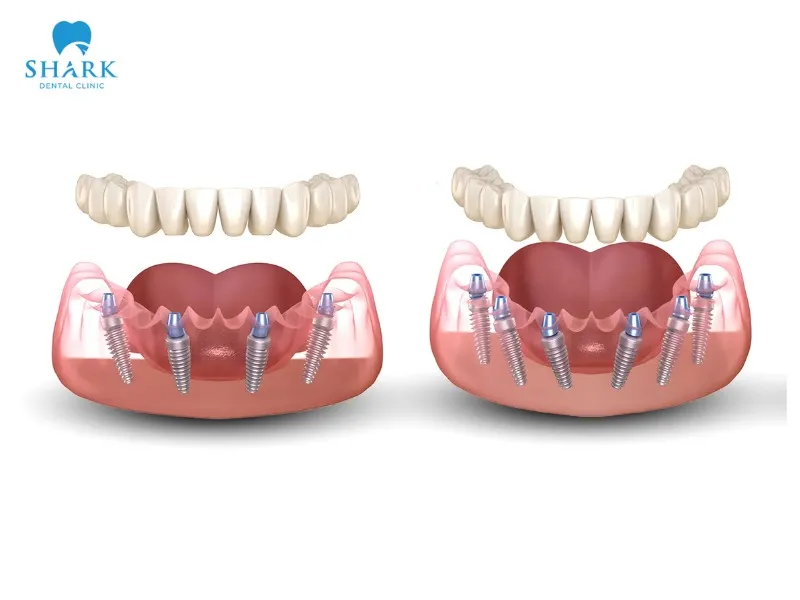
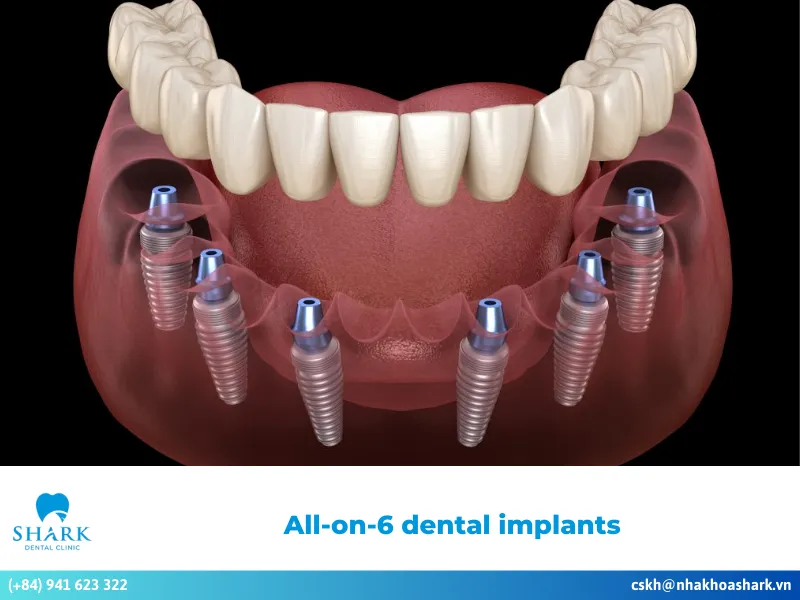
Here is a detailed comparison between all-on-4 and all-on-6 dental implant solutions:
- Number of implants: All-on-4 requires only four implant posts, while all-on-6 uses two additional implants for restoration.
- Durability and stability: All-on-6 generally offers higher stability and better load distribution, helping to evenly distribute chewing forces.
- Treatment time: All-on-4 provides a faster restoration timeline compared to all-on-6 and can be applied to patients with weaker jawbones without needing bone grafting or additional augmentation procedures.
- Cost: All-on-4 is more cost-effective than all-on-6 due to the fewer implant posts required.
Understanding possible risks and complications
While dental implant treatment is widely used, complications can arise if procedures are performed in unreliable clinics or with technical errors. Possible complications include:
- Swelling and pain: Some patients may experience gum swelling and discomfort after implant placement. Though these symptoms usually subside within 5–7 days, they can still cause temporary inconvenience.
- Infection: Infection at the implant site is one of the most common oral complications reported with dental implants.
- Bleeding: Post-operative bleeding is relatively common after implant placement. While it typically resolves within 1–2 days, persistent bleeding requires prompt dental evaluation and treatment.
- Peri-implantitis: Patients may develop inflammation around the implant due to inadequate oral hygiene, which allows bacteria to proliferate and cause infection.
- Soft tissue damage: During implant placement, surrounding soft tissues may be injured, leading to swelling, inflammation, or nerve-related complications.

Longevity, success rates, and expected outcomes
All-on-4 dental implants typically have a lifespan of 20 to 25 years or even longer, with some cases lasting a lifetime. The longevity of the implant system is influenced by several factors, including oral hygiene habits, daily diet, quality of the implant posts, and the patient’s overall health. Overall, this restorative method offers excellent durability and long-term performance, making it a reliable option for patients.
How much do All-on-4 dental implants cost?
The cost of All-on-4 dental implants generally ranges from VND 160,000,000 to VND 240,000,000 per arch. This price usually includes the implant abutments and the final prosthetic porcelain crowns. However, these figures are merely a reference and may vary based on the implant brand, the dental clinic, and the patient’s specific oral condition.
Post-procedure care and long-term maintenance requirements
The following are recommended oral care measures to follow after the placement of all-on-4 dental implants:
- Bite on gauze: Firmly bite down on sterile gauze placed at the implant site to effectively prevent post-operative bleeding.
- Cold compress: After surgery, apply a cold compress to the cheek near the implant site to help reduce swelling, numbness, and discomfort.
- Take medications as prescribed: Patients should adhere strictly to their dentist’s instructions regarding pain relievers and antibiotics. These medications are crucial for relieving pain, reducing the risk of infection, and promoting faster healing.
- Dietary adjustments: In the first 5 to 7 days post-implant placement, patients should focus on eating soft and liquid foods such as porridge, soup, and oatmeal. Additionally, increasing the intake of vitamin-rich fruits and protein-rich foods will support overall health and recovery.
- Oral hygiene: Maintain a routine of brushing your teeth 2-3 times daily with a soft-bristled toothbrush, using gentle motions. Incorporate mouth rinsing and daily dental floss to ensure thorough oral cleanliness.
- Avoid strenuous activities: In the early post-operative period, it is advisable to refrain from intense physical activities such as running, boxing, mountain climbing, or playing football.
- Follow-up visits: Patients must comply with scheduled follow-up appointments. Regular check-ups enable the dentist to assess implant integration, detect any abnormalities early, and provide timely treatment if necessary.

All-on-4 dental implants are an effective restorative solution for addressing tooth loss, significantly improving quality of life. The information above is designed to help you understand this treatment option better, allowing you to make an informed decision and work towards achieving a strong, healthy, and beautiful smile.













Comment on the post