


Eyelid stitching vs eyelid surgery are both methods used to create a clear double eyelid crease. However, they differ fundamentally in invasiveness, technique, and how long the results last. Understanding these differences is the first step to choosing the method that best suits your eye condition and personal needs. Refer to this article to find clear answers to your questions.
The difference between eyelid stitching vs eyelid surgery
Eyelid stitching (also known as non-incisional double eyelid creation) and eyelid surgery (incisional eyelid surgery) have many differences, yet many people still find them hard to distinguish. They differ in surgical technique, suitable candidates, and result durability, as detailed below:
Suitable candidates
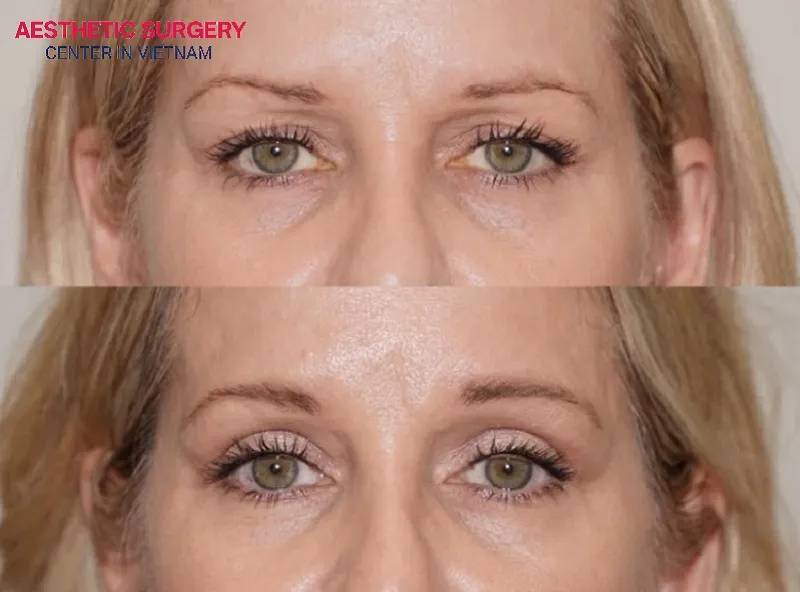
Eyelid stitching: This method is usually suitable for younger people, typically under 30 years old. It is ideal for those with little to no excess skin or fat, thin eyelid skin, and good elasticity. Eyelid stitching is also suitable for people with monolids or hidden eyelid crease who do not have significant structural eye concerns.
Eyelid surgery: Eyelid surgery is suitable for all ages, especially middle-aged and older individuals. These patients often have excess skin and fat, drooping eyelids, loose skin, or heavy-looking eyes. In addition, people with more complex eye conditions that require structural correction, such as congenital ptosis or excessive eyelid fat, are better suited for eyelid surgery rather than eyelid stitching.
Technique
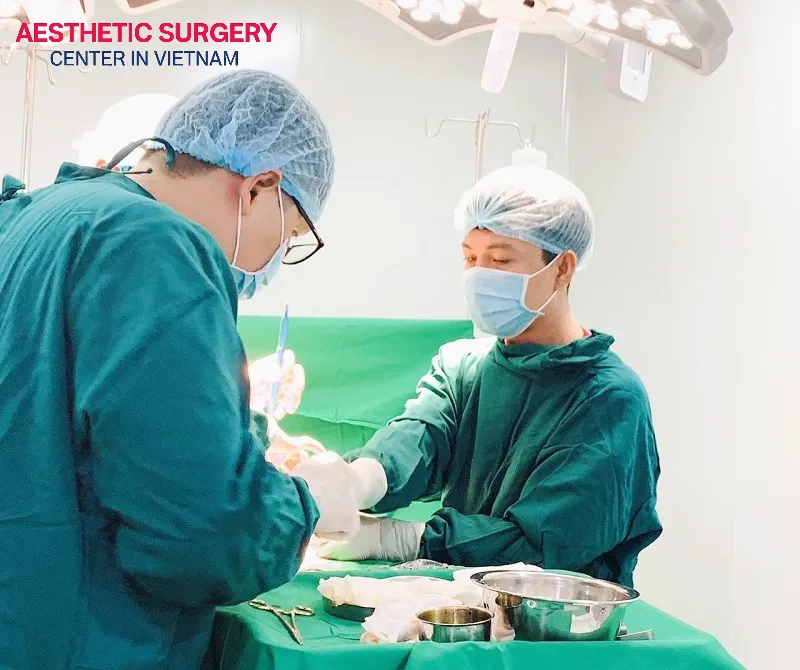
Eyelid stitching: This technique does not require skin incisions. The surgeon uses specialized cosmetic threads, usually very fine biological sutures, to pass through the eyelid skin and the tarsal plate. These threads create connection points between the eyelid skin and the levator muscle or tarsal plate. When the eyes open, these connections pull the skin to form a natural double eyelid crease. Typically, 3–5 stitch points are created on each eyelid.
Eyelid surgery: In contrast to eyelid stitching, eyelid surgery requires a skin incision. The surgeon makes a small, thin incision along the pre-designed eyelid crease. Through this incision, excess skin and fat are removed, and the levator muscle may be adjusted in some cases to correct drooping eyelids. A permanent connection is then created between the skin and the levator muscle or tarsal plate. The incision is closed with fine cosmetic sutures.
Recovery Time
Eyelid stitching: This is a minimally invasive procedure with no skin incision, so recovery is very fast. The eyelids usually recover and return to normal within 5–7 days.
Eyelid surgery: The surgeon directly works on the eyelids, makes an incision, and removes excess skin and fat. This causes more tissue impact, so recovery takes longer. Initial recovery takes about 7–10 days. The eyelid crease becomes stable after around 10 days and looks more natural after about 1 month.
Longevity of Results
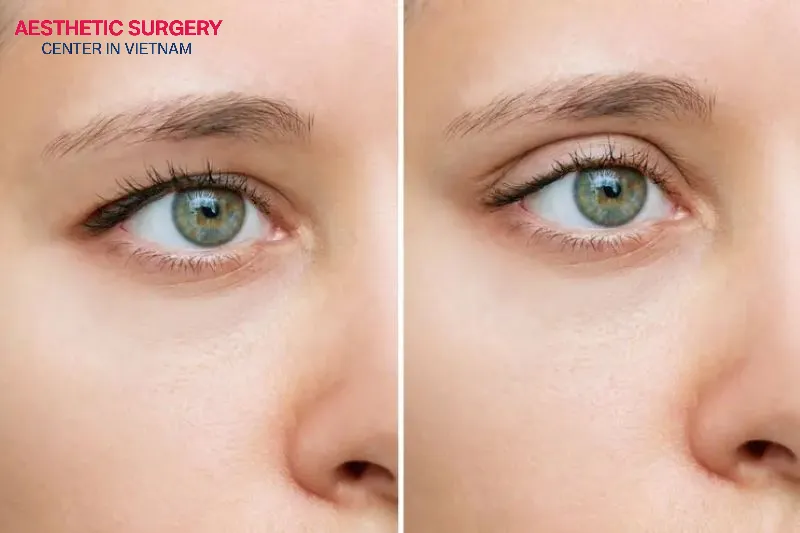
Eyelid stitching: The double eyelid crease looks soft and natural but is not permanent. The crease may loosen, fade, or disappear after 2–5 years, depending on the suture material, the surgeon’s technique, and individual factors. Repeat treatment may be needed.
Eyelid surgery: The double eyelid crease is sharper and more defined, with long-lasting or even permanent results. This is because the crease is created by a fixed connection between the skin and the muscle or cartilage, and excess fat and loose skin are removed. The result is mainly affected only by the natural aging process over time.
>>> See more: Blepharoplasty covered by insurance?
Should you choose eyelid stitching or eyelid surgery?
If you are under 30 years old, have minimal eyelid concerns, and want a quick and natural enhancement, eyelid stitching is a suitable option. In contrast, if you have excess skin, fat bags, drooping eyelids, or want long-lasting results with minimal need for future adjustments, eyelid surgery is more appropriate. Most importantly, you should consult directly with a qualified cosmetic surgeon for an accurate evaluation and a solution that matches your age and personal needs.
Can you get eyelid stitching after having eyelid surgery?
Eyelid stitching after eyelid surgery is possible, but it is not a common approach and is usually considered only in specific cases. Below is a detailed analysis:
When is eyelid stitching needed after eyelid surgery?
Eyelid surgery is designed to create a permanent eyelid crease by forming a fixed connection and removing obstructive factors such as excess skin and fat. Therefore, eyelid stitching afterward is usually considered only in the following cases:
- The existing eyelid crease becomes faint: After a long period of time, the crease created by eyelid surgery may loosen, fade, or nearly disappear due to the natural aging process or because the initial surgical technique did not establish a firm enough connection.
- Correction of an unclear eyelid crease: In cases where the surgically created crease is not sharp enough or does not reach the desired depth, eyelid stitching can serve as a minor adjustment to enhance definition without the need for repeat surgery.
In addition, to determine whether eyelid stitching is necessary following your procedure, you should visit a reputable clinic to benefit from the eyelid surgery experience of a qualified cosmetic surgeon who can provide a detailed consultation based on your specific needs.
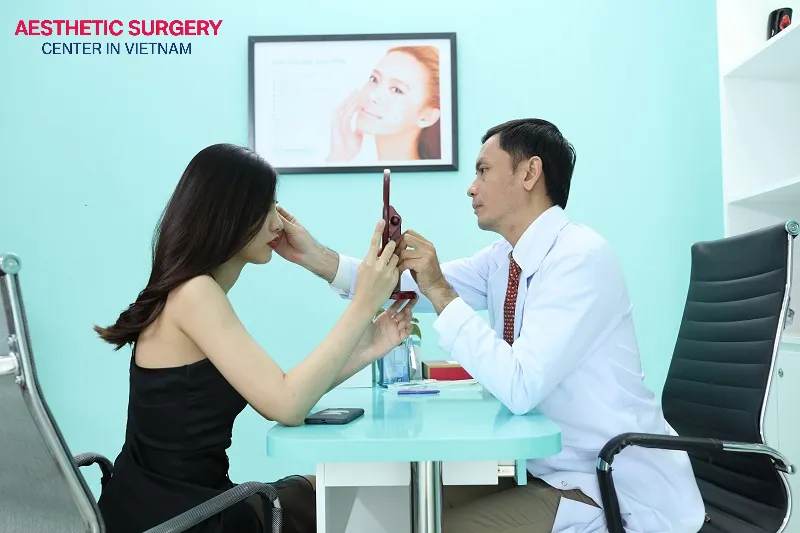
Why is this method not recommended as an optimal solution?
The reason eyelid stitching after eyelid surgery is generally not recommended lies in the following factors:
- It does not address the root cause: The fading of a double eyelid after surgery is often due to the re-accumulation of excess fat over time or skin laxity caused by aging. Eyelid stitching is only a temporary method that creates a fold using sutures and does not remove excess fat or loose skin.
- Results are not long-lasting: Since eyelid stitching is not permanent by nature, performing it after eyelid surgery usually provides only short-term improvement. The eyelid fold may gradually fade again.
- Revision surgery is the optimal solution: In most cases where the eyelid fold after surgery becomes unclear or fails, the most effective and durable option is revision eyelid surgery. This allows the surgeon to re-incise, precisely remove newly developed excess fat or loose skin, and reinforce the eyelid fold in a stable, permanent manner.
If you are not satisfied with your eyelid fold after eyelid surgery, the most important step is to consult an experienced specialist. The surgeon will accurately identify whether the issue is caused by skin laxity, excess fat, or surgical technique, and then recommend the safest and most effective option, whether revision surgery or eyelid stitching.
After reviewing the information regarding eyelid stitching vs eyelid surgery, we hope you now have a clearer understanding of these two eyelid enhancement methods and can make a suitable choice. In addition to referring to the comparison above, you should consult a specialist at a reputable aesthetic clinic to receive the most accurate advice tailored to your current eyelid condition.
>>> See more: How long to avoid certain foods after a brow lift?













Comment on the post