


After eyelid surgery, it’s essential to include nutrient-rich foods that help strengthen your immune system and support the healing process for a quicker and safer recovery. So, what are the best fruits to eat after eyelid surgery? Below are some recommendations from Aesthetic Surgery Center In Vietnam on the fruits you should and shouldn’t eat after the procedure.
Why is it necessary to eat more fruits after eyelid surgery?
After eyelid surgery, your body needs time to recover and regain lost energy. Providing sufficient nutrients plays an important role in tissue regeneration, antibody production, and overall healing.
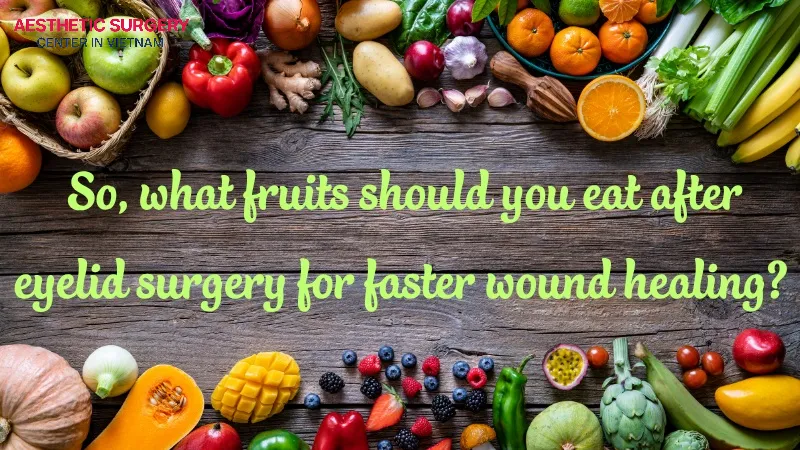
Fruits are an excellent source of vitamins, fiber, and antioxidants that help reduce swelling and inflammation, relieve pain, stimulate collagen production, strengthen immunity, and speed up wound healing while minimizing the risk of raised scars. In addition, eating plenty of fruits helps maintain skin hydration, prevent constipation, and promote skin cell regeneration, allowing the eyelid area to heal faster and look more natural.
>>> See more: Can I eat fish after eyelid surgery?
What are the best fruits to eat after eyelid surgery?
After surgery, you should include fruits rich in vitamin C and beta-carotene to support recovery and promote faster wound healing. Here are some fruits recommended after eyelid surgery:
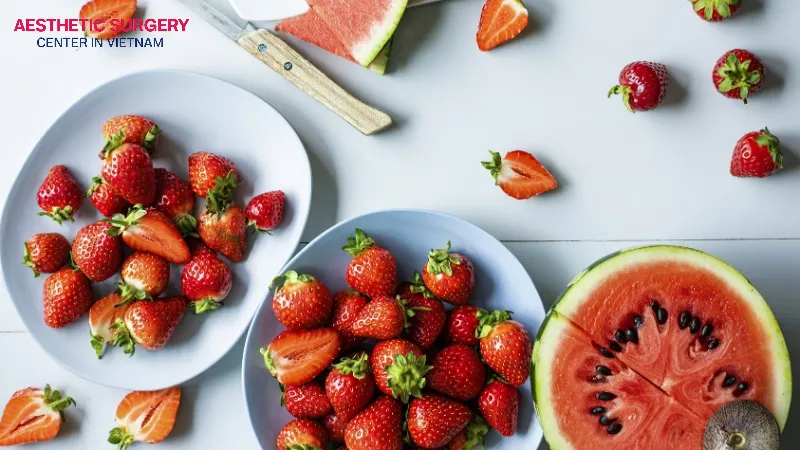
Strawberries and watermelon
Strawberries and watermelon are highly nutritious fruits that are excellent for recovery after eyelid surgery. They are rich in vitamins A, C, and antioxidants, which help wounds heal faster, reduce inflammation, prevent infection, and minimize eyelid scars formation.
Specifically, strawberries contain a high amount of vitamin C, which aids iron absorption, boosts blood production, and stimulates collagen synthesis to support skin tissue repair. Meanwhile, watermelon is rich in beta-carotene—a nutrient that helps regenerate skin cells, allowing wounds to close quickly and recover effectively.
Pineapple and guava
Pineapple and guava are powerful “allies” that help the body recover quickly and effectively after eyelid surgery. Both are rich in vitamin C, fiber, and antioxidants, which boost immunity, reduce swelling and inflammation, and promote wound healing.
In particular, pineapple contains bromelain, an enzyme that helps reduce bruising, minimize puffiness, and enhance tissue regeneration, while guava is high in natural collagen that supports faster scar healing and improves skin firmness and elasticity around the eyes.
Regularly adding these two fruits to your diet helps your eyes recover faster, fade scars, and look naturally radiant.
Bananas and avocados
After eyelid surgery, bananas and avocados are highly beneficial for the recovery process. Both are rich in essential vitamins, minerals, and proteins that support new cell regeneration and promote wound healing. In addition, bananas and avocados help boost collagen production, speed up recovery, and reduce the risk of raised scars, leaving the skin smoother and more even-toned after surgery.
However, you should consume them in moderation, choose naturally ripe fruits, avoid eating on an empty stomach, and maintain a well-balanced diet to achieve the best healing results.
Mulberries and blueberries
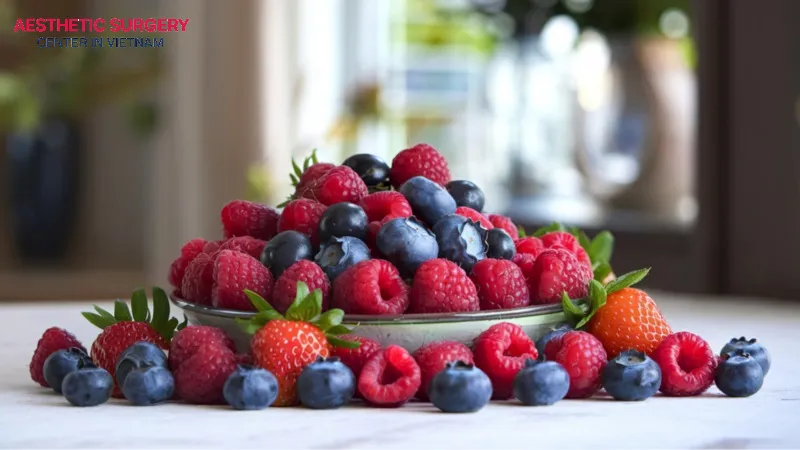
Mulberries and blueberries are rich in vitamins A, C, and E – essential nutrients that protect vision and strengthen eye health. They are also packed with antioxidants that protect cells from damage, promote wound healing, and support collagen and soft tissue regeneration. Adding mulberries and blueberries to your diet after eyelid surgery helps speed up recovery, reduce swelling and inflammation, and maintain bright, healthy, and natural-looking eyes.
>>> See more: Can botched eyelid surgery be fixed?
What fruits should be avoided after eyelid surgery?
Besides beneficial fruits for eyelid surgery recovery such as guava, watermelon, and mulberries, there are also certain fruits that may negatively affect the healing process. Below are the types of fruits you should limit or avoid to ensure safe and effective wound recovery.
Longan, jackfruit
Longan and jackfruit should be avoided as they are considered “heat-inducing” fruits and contain high sugar levels, which can increase the risk of infection and scarring. The high sugar content may trigger inflammation, cause swelling around the surgical area, and slow down healing.
Eating too much of these fruits can also raise body temperature, leading to puffiness, swelling, and a higher chance of developing raised or uneven scars, which can affect facial aesthetics.
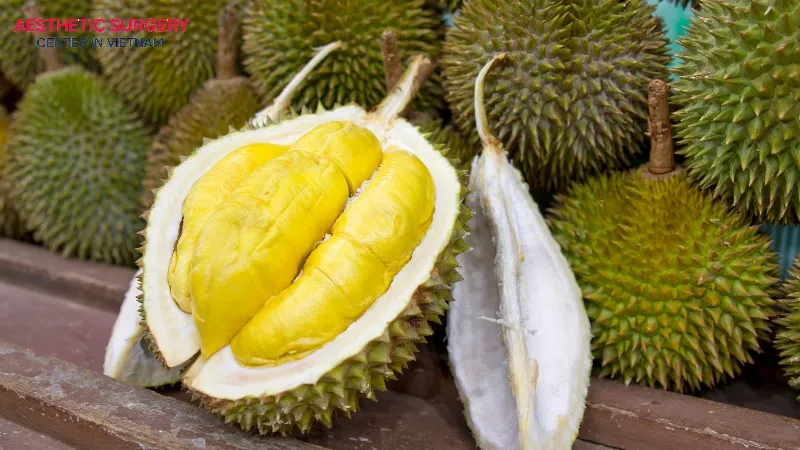
Durian
Durian is another fruit with “heat-inducing” properties and a high sugar content, making it unsuitable for consumption after eyelid surgery. Its warming nature may cause swelling and delay healing, while the excessive sugar increases the risk of inflammation and infection.
It’s best to avoid durian until your wounds are fully healed and your body has completely recovered to prevent any negative effects on your health.
Lychee, rambutan
Lychee and rambutan are also “heat-inducing” fruits with high sugar content. Consuming too much of these fruits can raise body temperature, causing the wound to become red, swollen, inflamed, and slower to heal.
In addition, the high sugar levels in lychee and rambutan can trigger inflammation, increasing the risk of raised or dark scars after recovery. It’s best to completely avoid these fruits until the wound is fully healed to ensure a safe and effective recovery process.
Oranges and Mandarins
Although oranges and mandarins are rich in vitamin C, they should not be consumed immediately after eyelid surgery. Their high acidity may cause stinging or irritation around the wound, delaying the healing process. Eating these fruits before the incision has closed can also increase discomfort, swelling, and burning sensations.
Therefore, during the initial recovery period, you should avoid oranges and mandarins and only reintroduce them once the wound has completely healed to absorb vitamin C safely and effectively.

Tomatoes and papaya
Tomatoes and papayas are not among the fruits that must be completely avoided after eyelid surgery, but they should be limited during the early recovery stage. Tomatoes have mild acidity, which may cause slight irritation or stinging on sensitive skin if consumed in excess. Papayas contain the enzyme papain, which aids digestion but can slow down blood clotting, making bruises fade more slowly.
Therefore, it’s best to eat only ripe tomatoes and papayas in moderation, and only once the wound has dried and swelling has reduced to ensure safety and support smooth recovery.
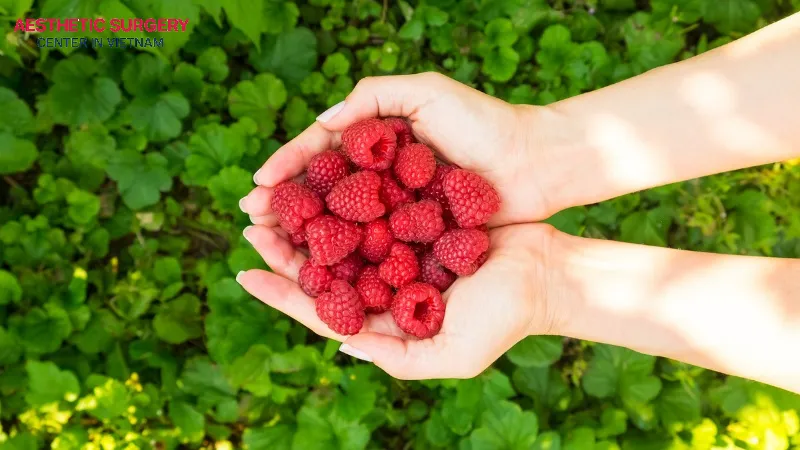
Raspberries
Raspberries should be limited after eyelid surgery as they may cause irritation or slow the healing process. People with sensitive skin may experience allergic reactions, redness, or inflammation when consuming this fruit during recovery. It’s best to avoid raspberries until the wound is completely healed to ensure safe and effective recovery.
Custard apple
Custard apple, though rich in vitamins C and B6, has a high sugar content and warm properties that can increase body heat if consumed excessively. For those who have just undergone surgery, eating custard apple may cause prolonged swelling around the eyelids, slow wound healing, and raise the risk of developing raised scars.
In addition, this fruit can be hard to digest when eaten in large amounts, leading to bloating and reducing the body’s ability to absorb essential nutrients. Therefore, it’s best to avoid custard apple during the early recovery stage and only consume it once the wound has completely healed.
>>> See more: How long to avoid eggs after eyelid surgery?
A guide to proper post-eyelid surgery care
After eyelid surgery, proper care plays a crucial role in helping the wound heal quickly, minimizing scarring, and achieving the desired results. Below are essential aftercare guidelines you should follow:
- Keep the surgical area clean and dry. Avoid letting water, cosmetics, or dust come into contact with the operated area. During the first few days, gently clean around your eyes with sterile gauze or cotton pads soaked in saline solution, as instructed by your surgeon.
- Apply cold compresses during the first 2–3 days to reduce swelling, bruising, and pain. After that, switch to warm compresses to improve blood circulation and support healing.
- Follow your surgeon’s prescription carefully. Take antibiotics, pain relievers, or anti-inflammatory medications exactly as directed. Do not stop or adjust the dosage on your own.
- Avoid touching or rubbing your eyes. Do not bend over or engage in intense physical activities, as this can strain the stitches, cause bleeding, or lead to eyelid asymmetry.
- Get enough sleep and keep your head elevated with a pillow while sleeping to reduce swelling and fluid buildup around the eyes and improve blood flow.
- Avoid makeup and contact lenses for at least two weeks to prevent irritation and allow the incision to heal completely.
- Maintain a nutritious diet. Eat plenty of green vegetables and fruits rich in vitamins C, A, and zinc to boost immunity and promote tissue regeneration. Limit spicy, oily, or hot foods, as well as alcohol.
- Attend follow-up appointments as scheduled so your surgeon can monitor your recovery and promptly address any unusual symptoms such as prolonged swelling, inflammation, or discharge.
- Reduce screen time. Limit the use of phones or electronic devices to prevent eye strain and fatigue.
- Avoid certain foods that may cause raised scars or irritation, such as morning glory, chicken, seafood, sticky rice, eggs, and beef. Stay away from stimulants to ensure a smooth and safe recovery.

The post-surgery period after eyelid surgery is a sensitive time, so choosing the right foods plays a very important role. With the information shared above regarding what are the best fruits to eat after eyelid surgery, Aesthetic Surgery Center In Vietnam hopes to provide you with helpful knowledge to better care for and protect your health effectively.
>>> See more: Eyelid Surgery cost in Vietnam















Comment on the post