


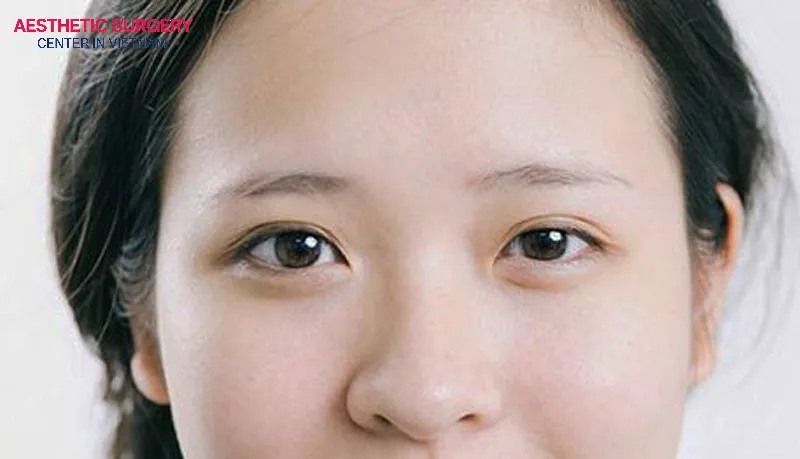
Having balanced, round double eyelids is often considered a standard of facial harmony. However, many patients experience eyelids uneven—one eyelid clearly defined while the other is hidden, or both eyelids having folds at different heights. Although this condition does not affect health, it impacts appearance, making the face look tired and less vibrant, and can make applying makeup more difficult. What causes uneven eyelids, and are there ways to correct it? Let’s explore in detail in this article.
What can cause uneven eyelids?
Uneven eyelids are a common imperfection that can arise from various factors, including congenital traits, lifestyle habits, the effects of aging, or complications after blepharoplasty. More specifically:
Genetics and anatomical structure
In some cases, uneven eyelids are inherited from parents. Congenital eyelids uneven usually result from differences in the height of the levator muscles or uneven fat distribution between the two eyes. If the levator muscle on one side is weaker or attaches slightly lower than the other, it creates eyelid folds with different heights or depths. Additionally, differences in orbital bone structure or the amount of cushioning fat on each side can contribute to this asymmetry. These are intrinsic factors that are difficult to change without medical intervention.
Habits and lifestyle
Daily repetitive habits can create uneven pressure on the eye muscles, leading to asymmetrical eyes over time. Specifically, these habits and lifestyle factors include:
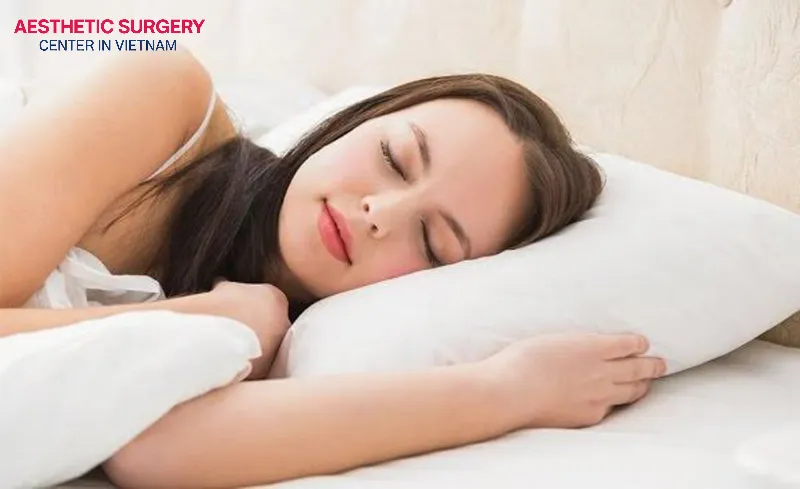
- Sleeping on one side: The habit of consistently sleeping on one side causes the skin and eye muscles on that side to be compressed, making them sag or swell more than the other side. Prolonged pressure can stretch connective tissues, causing noticeable asymmetry.
- Frequently rubbing the eyes: The action of rubbing the eyes strongly and frequently due to allergies, itching, or habit on one eye can stretch the eyelid skin, leading to the folds being pulled or changing position.
- Uneven use of support tools: Using eyelid tape, eyelid enhancers, or wearing contact lenses/glasses on only one side due to vision differences can also create differences in the folds or levator muscles between the two sides.
- Smoking: This bad habit can also affect the elasticity and firmness of the skin, causing imbalance of the eyelids and face.
Uneven fat distribution
Uneven fat distribution in the eyelids is also one of the causes of uneven eyelids. Anyone can experience uneven fat distribution in the eyelids, especially those in the aging process. Over time, the eyelids gradually stretch and the supporting muscles weaken. This can lead to excess fat accumulating above and below the eyelids, causing asymmetry between the two sides.
Medical conditions
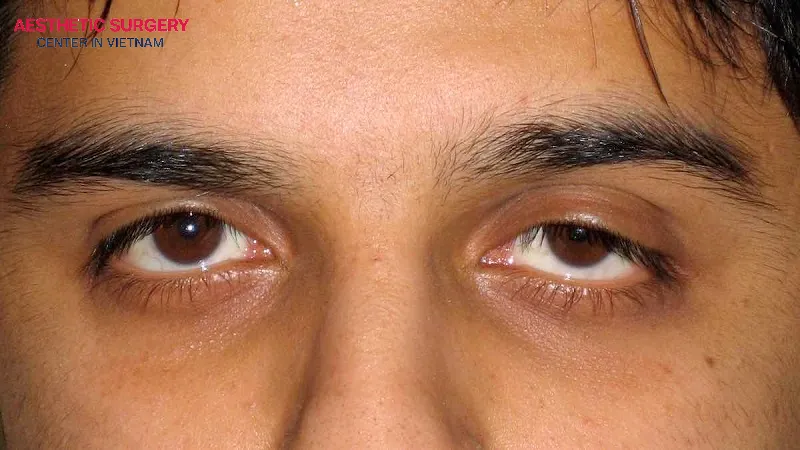
Conditions such as Tic, Bell’s palsy, pathological ptosis, thyroid disorders, nerve damage, loss of mobility, or stroke can cause uneven eyelids. In some cases, involuntary eyelid closure or twitching might require specialized blepharospasm treatment to restore both function and symmetry. These conditions can affect the function or structure of the eyelids, resulting in an unbalanced and less aesthetic appearance.
Eyelid trauma
If the eyelids suffer injuries such as orbital fractures or eye socket fractures, it can also cause uneven, asymmetrical eyelids. This significantly affects aesthetics.
Aging
As we age, eyelid skin loses elasticity and fat begins to atrophy or sag. Aging can occur unevenly, causing one eyelid to droop more, obscuring the double fold or creating more wrinkles than the other side.
Post-surgical complications
After eyelid surgery, double eyelid creation, or blepharoplasty, if the procedure is not performed accurately, it can lead to uneven fat removal or inconsistent folding. Additionally, if recovery is uneven, with swelling, bruising, scar formation, or uneven scar contraction, the result can be temporary or permanent uneven eyelids.
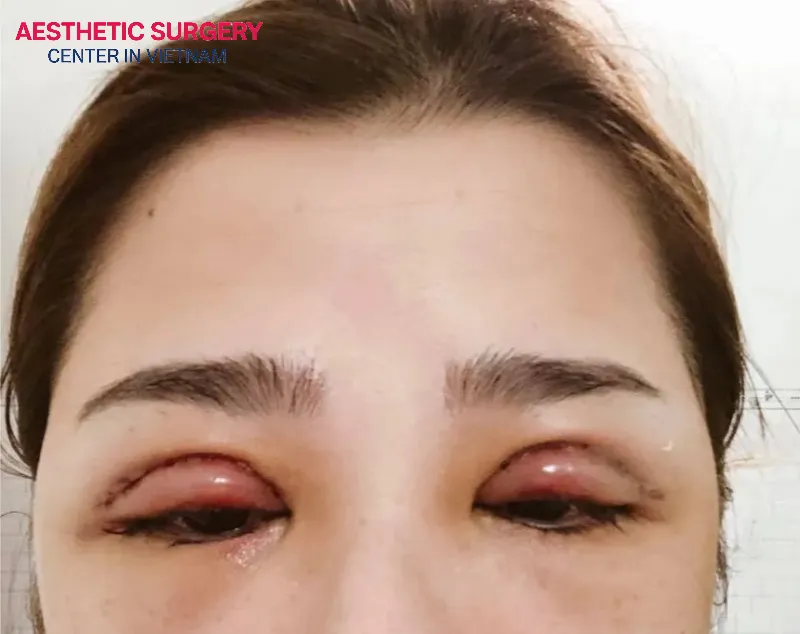
>>> See more: Can botched eyelid surgery be fixed?
What are the treatment options for eyelids uneven?
The condition of eyelids uneven can be treated with various methods, ranging from non-invasive to surgical approaches, depending on the cause and severity of the asymmetry. Here are the treatment options for uneven eyelids:
Non-surgical methods, temporary results
For mild cases of eyelids uneven or those caused by habits, temporary, non-invasive treatments can be applied. These methods include:
Eyelid tape/lift/makeup
These are quick-fix methods to correct uneven eyelids, but they only work temporarily and may cause stretching or irritation of the eyelid skin if overused. Eyelid tape uses adhesive or specialized stickers to create a fold on a hidden or lower eyelid, helping match the height and depth with the other side. Additionally, eyelid makeup can be applied to visually adjust the thickness and shape of the eyelid crease, creating a balanced appearance.
Filler or botox injections
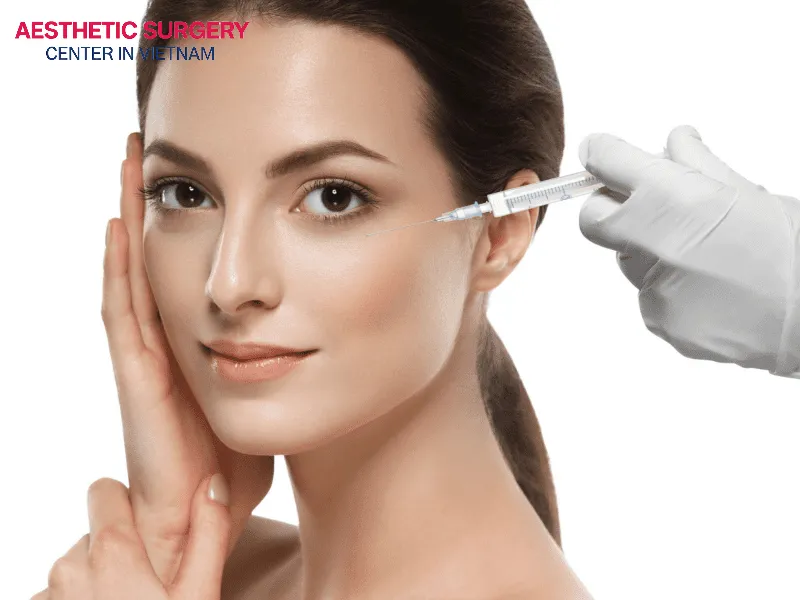
For very minor differences related to volume or brow position, filler can be used to add volume to a hollow eye area, or Botox can be injected to adjust the brow height, making one eyelid appear higher. This is a minimally invasive method but requires a skilled surgeon to avoid complications, and results typically last only 6 to 12 months.
Surgical methods
For cases where eyelid asymmetry is pronounced due to congenital factors, aging, trauma, or surgical complications, permanent treatment methods can be applied, including:
Blepharoplasty
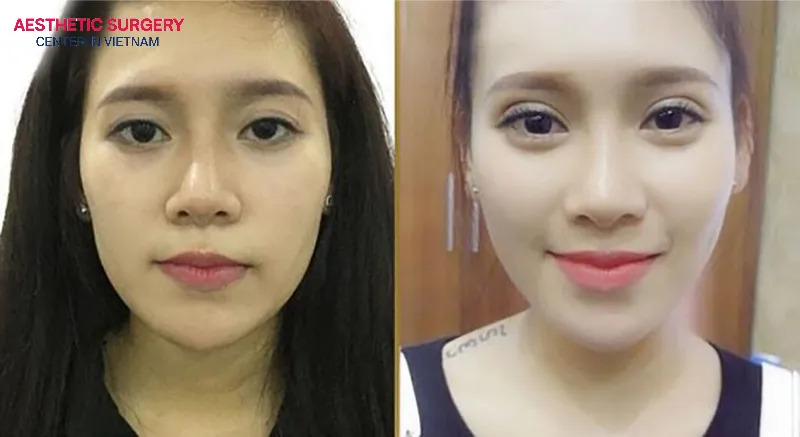
Eyelid surgery is the most common method to correct uneven eyelids caused by differences in excess skin, fat, or crease depth. The surgeon precisely measures the desired crease, then adjusts the eyelid with a lower or hidden crease by removing excess skin, reshaping fat, and creating a new crease with height and curvature that matches the other side. This surgery focuses on aesthetic results and can be performed on both eyes to achieve optimal symmetry.
Eyelid ptosis correction surgery
Eyelid ptosis correction surgery is usually for those whose eyelids are not only uneven but also drooping due to a medical condition. In this procedure, the surgeon directly adjusts the levator muscle, shortening or tightening it to lift the drooping eyelid and align it with the normal eyelid. This surgery improves both vision function and appearance.
Revision eyelid surgery
Revision surgery is applied when unevenness results from a previous eyelid procedure. This is the most complex method, as the surgeon must manage old scar tissue, damaged muscles, or unevenly removed fat. The procedure involves releasing scar tissue, readjusting incisions, and balancing skin and muscle tension to restore symmetry. Due to its complexity, the eyelid surgery recovery timeline is often longer and more delicate, requiring a highly experienced surgeon to ensure optimal healing and natural results.
Tips for preventing eyelids uneven
Tips for preventing eyelids uneven when undergoing eyelid cosmetic procedures, choose reputable hospitals with surgeons who prioritize the overall eyelid surgery experience to ensure accurate measurements and precise technique.
- Rubbing your eyes is a primary cause of eyelid skin stretching and weakening of the levator muscle. Minimize touching or rubbing your eyes. If itching occurs due to allergies, use doctor-prescribed eye drops or gently apply a cold compress.
- Try to develop a habit of sleeping on your back. If that’s not possible, alternate sides to distribute pressure evenly, avoiding sleeping on one side for extended periods.
- Use eyelid tape only when necessary. After use, remove it gently without pulling harshly. Daily overuse of glue or tape can stretch the eyelid skin and reduce its elasticity.
- Have regular eye check-ups and wear properly prescribed glasses to avoid eye strain.
- Always wear high-quality sunglasses with UVA/UVB protection outdoors, even on cloudy days, as UV rays are a leading cause of collagen breakdown, reducing skin elasticity and firmness.
- Use specialized eye creams, applying lightly with your ring finger in circular motions from the inner to the outer corner.
- When undergoing eyelid cosmetic procedures, choose reputable hospitals or clinics with surgeons experienced in eyelid surgery to ensure accurate measurements and precise technique.

From the information shared about uneven eyelids, you should now have a clearer understanding of the causes and treatment options for this condition. If you are experiencing eyelids uneven and are considering treatment, it is important to identify the underlying cause and seek care at reputable aesthetic clinics or hospitals, where surgeons can examine you and recommend the most suitable treatment.
>>> See more: Why are my eyelids dry?












Comment on the post