



Breast augmentation is one of the most popular cosmetic procedures today, helping women achieve a fuller bust and greater confidence. However, like any major surgery, the recovery process always carries certain risks. Among them, hematoma after breast augmentation is one of the most common complications. This article will help you recognize early warning signs, understand the causes, and learn timely treatment methods to ensure absolute safety for patients.
Hematoma after breast augmentation
In medical terms, hematoma after breast augmentation is a condition in which blood abnormally accumulates in the implant pocket or within the breast tissue. It is considered an early complication, usually occurring within the first 24 to 72 hours after surgery, with an incidence ranging from about 1% to 10%, depending on individual factors and surgical technique.
When the surgeon creates the pocket for implant placement, small blood vessels may be injured. If bleeding is not fully controlled or a blood vessel ruptures after wound closure, blood can leak out of the vessels and collect inside, forming blood clots.
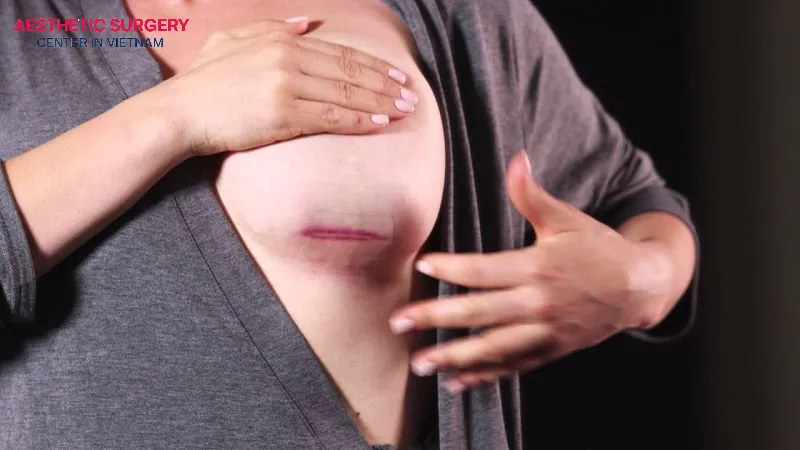
Unlike normal mild swelling and bruising, hematoma presents with the following clear signs:
- Sudden swelling: One breast enlarges rapidly and becomes noticeably asymmetrical compared to the other.
- Severe pain: Persistent tightness and cramping pain that does not improve even with pain medication.
- Skin discoloration: The breast skin turns dark purple, red, or shows localized blue-black discoloration.
- Firmness: When touched, the breast feels hard like a rock instead of soft.
The presence of a hematoma after breast augmentation can cause several consequences, including increased pressure, prolonged pain, swelling and bruising; delayed wound healing; aesthetic complications; and an increased breast augmentation risks of capsular contracture.
Based on the analysis above, if a hematoma appears after breast augmentation, it is necessary to identify the cause and manage it promptly to prevent the condition from worsening.
Causes of hematoma after breast augmentation
Hematoma after breast augmentation can result from various factors, ranging from surgical technique to the patient’s daily habits. Below are the most common causes:
The surgeon’s hemostasis technique during surgery
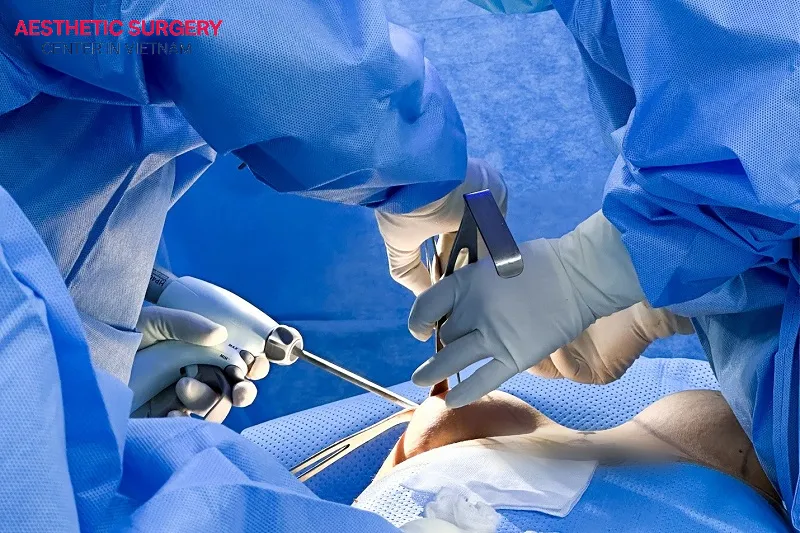
This is the most common cause of early hematoma within the first 24 hours. During the creation of the implant pocket, the surgeon must work through tissues and blood vessels. If bleeding control with electrocautery is not thorough, or if small bleeding points are unintentionally missed, blood may continue to ooze after the incision is closed. Over time, this blood accumulates in the implant pocket, forming a hematoma that causes breast swelling, tightness, and pain.
Sudden increase in blood pressure after surgery
Blood pressure plays an important role in keeping blood vessel clots stable. After anesthesia wears off, if a patient experiences severe pain, excessive anxiety, or has a history of hypertension that is not well controlled, blood pressure can rise sharply. This pressure may dislodge blood clots that are sealing the vessel ends, causing the vessels to reopen and leading to secondary bleeding within the breast pocket.
Excessive or improper movement in the early recovery period
After surgery, the chest area needs time for tissues to adhere and blood vessels to stabilize. If the patient moves their arms beyond the recommended range, lifts heavy objects, or performs sudden actions such as reaching overhead or pushing forcefully, the pectoralis major muscle can contract strongly. This force may tear healing tissues or place pressure on the implant pocket, causing small blood vessels to rupture and resulting in localized hematoma formation.

Use of blood-thinning medications and foods
Diet and medication use before and after surgery directly affect blood clotting ability. If patients take medications such as aspirin, ibuprofen, anticoagulants, or supplements like fish oil, vitamin E, or ginseng without stopping them at the recommended time, blood may not clot properly. This makes small wounds in the breast pocket unable to stop bleeding on their own, leading to prolonged oozing and the formation of fluid or blood collections.
Trauma or direct impact to the breast area
Although less common, external physical impacts such as strong blows to the chest, falls, or even wearing a compression bra that is too tight or too loose can cause hematoma. A direct impact may injure the sensitive blood vessels around the implant. In addition, if the compression bra does not provide proper support, the implant may shift and rub against the breast tissue, causing irritation and internal bleeding.

Natural clotting disorders or individual predisposition
In some cases, hematoma results from individual factors or underlying medical conditions. People with fragile blood vessels or mild clotting disorders that are not fully detected during preoperative testing have a higher risk. In these cases, even when the surgeon performs the procedure very carefully, the healing process may be slower and spontaneous bleeding points can still develop under the skin or deep within the breast tissue.
How to prevent hematoma after breast augmentation?
To prevent hematoma after breast augmentation, it is essential to strictly follow your surgeon’s medical instructions and maintain a careful home care and lifestyle routine. The most effective preventive measures include:
- Stop blood-thinning medications: At least two weeks before surgery, avoid aspirin, ibuprofen, anticoagulants, and supplements such as vitamin E, fish oil, ginseng, and herbal products.
- Avoid stimulants: Stop smoking and drinking alcohol at least 1–2 weeks before surgery, as they weaken blood vessel walls and affect natural blood clotting.
- Control blood pressure: If you have a history of hypertension, make sure it is well controlled before surgery to prevent increased pressure from disrupting hemostasis after the procedure.
- Strict rest during the first 24–48 hours: This is the “golden period” when hematoma is most likely to occur. Rest fully and avoid any strong arm movements.
- Avoid raising arms overhead: During the first two weeks, avoid reaching overhead, vigorous hair brushing, or lifting objects heavier than 2–3 kg. This helps protect healing blood vessels from being stretched or torn.
- Avoid increasing heart rate: Do not exercise, run, or participate in activities that raise heart rate and blood pressure for at least four weeks, as increased blood flow pressure can cause secondary bleeding in the breast pocket.
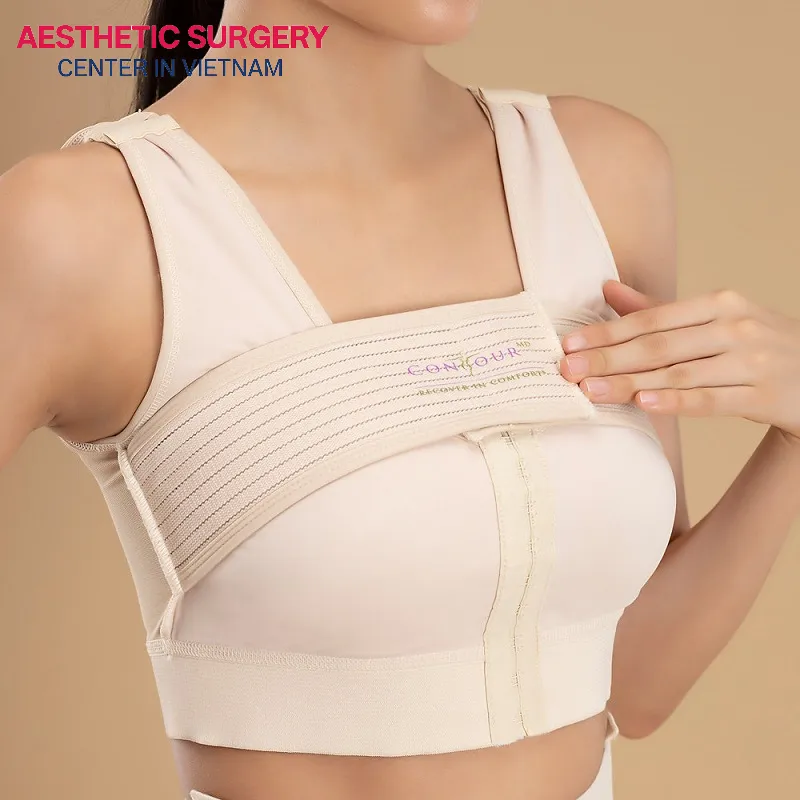
- Wear the compression bra correctly: A properly fitted compression bra provides adequate pressure to keep tissues close together, preventing space for blood to accumulate and helping stabilize the implants.
- Apply cold compresses: During the first two days, apply cold compresses around the breast area, avoiding direct contact with the incision, to constrict blood vessels, reduce swelling, and prevent blood leakage.
- Monitor surgical drains (if present): If a drain is placed, monitor the amount of fluid and blood according to your surgeon’s instructions. The drain helps remove excess blood immediately, preventing accumulation.
- Sleeping position: Sleep on your back with your upper body slightly elevated during the first week. This reduces pressure on the chest and supports better fluid drainage, helping prevent localized hematoma.
- Proper nutrition: Include foods rich in vitamin K, such as dark leafy greens and broccoli, to support natural blood clotting. However, avoid overly salty foods, as salt causes fluid retention and can worsen swelling.
Treatment of breast hematoma
Treatment depends on the size and severity of the breast hematoma. Below are common approaches:
Home treatment: For small and mild hematomas
Small hematomas usually resolve on their own and are reabsorbed within about 4–6 weeks. You can help speed up breast augmentation recovery with the following measures:
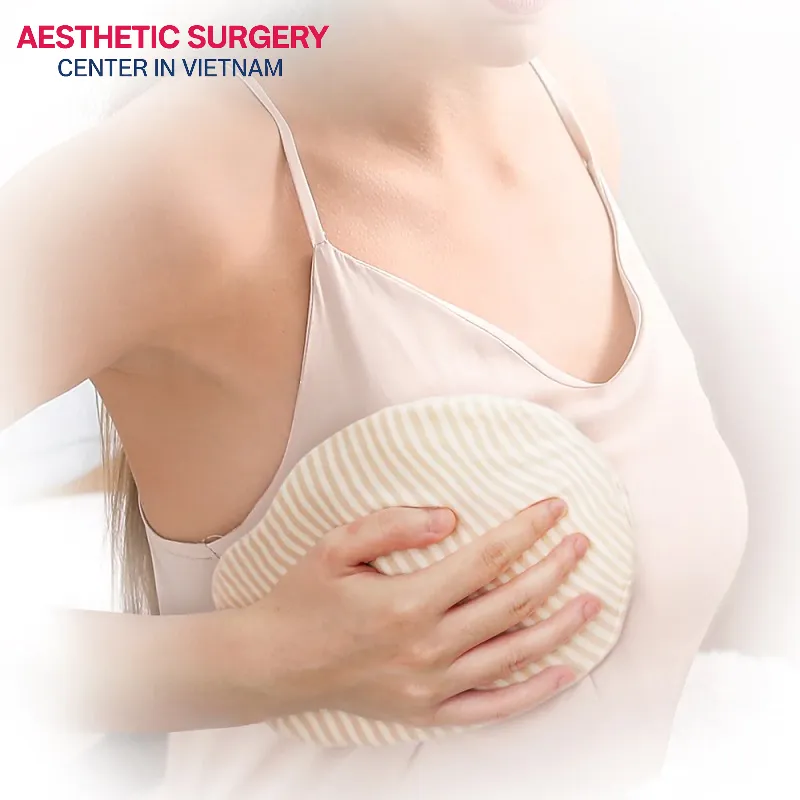
- Cold compresses (first 48 hours): Apply an ice pack to the affected area for about 15–20 minutes, several times a day. This helps reduce swelling, relieve pain, and prevent further bleeding.
- Warm compresses (after 48 hours): Once the wound is stable, warm compresses help improve blood circulation and support faster absorption of the hematoma.
- Wear a compression or sports bra: Light compression provides breast support, reduces pain, and limits movement of the hematoma.
- Pain medication: Use acetaminophen such as Panadol or Tylenol. Avoid aspirin or nonsteroidal anti-inflammatory drugs like ibuprofen or other NSAIDs, as they can thin the blood and worsen the hematoma.
Medical intervention: For large or painful hematomas
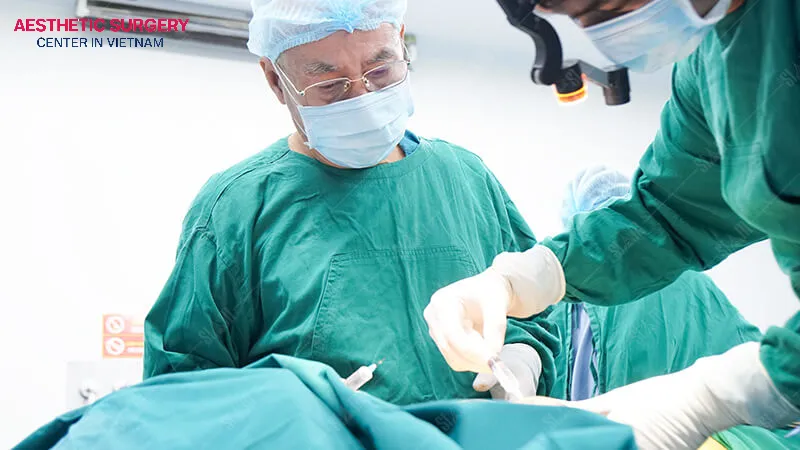
If the hematoma does not resolve on its own or causes significant pressure and pain, you should visit a reputable medical facility for examination and treatment. While many cases are resolved through drainage, some patients who experience recurrent issues or structural changes may need to discuss the possibility of a secondary breast augmentation with their surgeon. This follow-up procedure ensures that any underlying damage to the implant pocket is repaired and the aesthetic results are preserved. The surgeon may recommend the following options:
- Needle aspiration: The surgeon uses a small needle to withdraw accumulated blood. This method is usually applied to newly formed hematomas.
- Drainage or surgical removal: If the blood has clotted or the hematoma is large and causes breast distortion, the surgeon will make a small incision to remove the clot and achieve definitive hemostasis.
- Ultrasound-guided vacuum aspiration: A modern, minimally invasive method that removes the hematoma without the need for open surgery.
After learning about hematoma after breast augmentation, it is clear that this condition is relatively common following breast cosmetic surgery. When you notice signs of this complication after breast augmentation, apply the recommended treatment methods above. We hope this article has provided you with helpful information.















Comment on the post