



Have you had breast augmentation but are not fully satisfied with the breast shape or size? Or after a period of time, have you experienced issues such as implant displacement, capsular contracture, or breast deformity? Secondary breast augmentation is a solution that helps correct these concerns and restore breasts that are more balanced, soft, and natural-looking. In the article below, Aesthetic Surgery Center will share essential information about breast augmentation revision to help you prepare properly and achieve the breast results you desire.
What are the most common reasons for undergoing a second breast augmentation?
Secondary breast augmentation is performed when patients want to improve previous breast augmentation results or correct issues that develop after a period of implant use. According to aesthetic experts, the most common reasons women choose a second breast augmentation include:
- Changing implant size: After some time, many people feel that their original breast size no longer suits their body shape or current aesthetic preferences. Some want to increase the size for a fuller look, while others prefer to reduce the size for a more natural and comfortable appearance.
- Adjusting unsatisfactory breast shape: In some cases, breasts may appear slightly asymmetrical, uneven, less soft, or fail to achieve the desired shape, leading to the need for revision to create a more harmonious result.
- Capsular contracture: This is a possible complication in which scar tissue around the implant tightens excessively, causing the breasts to feel firm, painful, or deformed. In such cases, revision surgery and capsule release are necessary.
- Implant aging over time: Although modern implants are highly durable, natural tissue aging and material wear can cause changes in breast shape. This may lead to the need for implant replacement to maintain safety and aesthetics.
- Implant leakage or rupture: While rare, silicone breast implants can rupture or leak after many years. When this occurs, surgery is required to remove the old implant and replace it with a new one for safety.
- Body changes over time: Pregnancy, breastfeeding, weight loss, or weight gain can alter breast shape and cause previous augmentation results to change, leading to the need for a second corrective procedure.
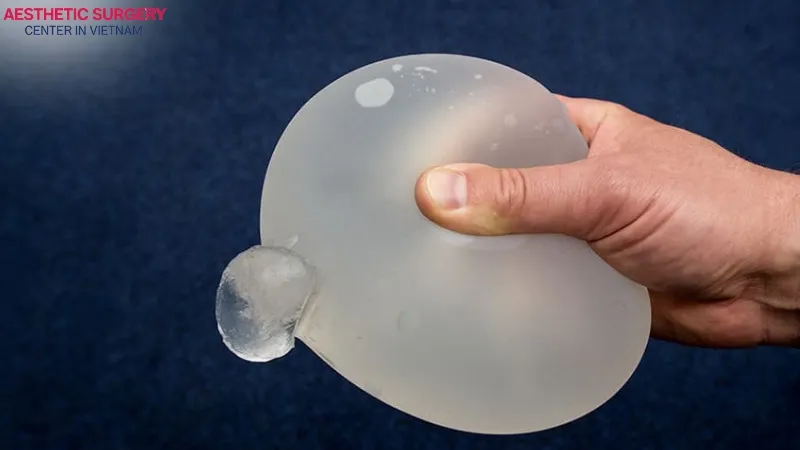
Is a second breast augmentation easier than the first?
In reality, a second breast augmentation is usually not easier than the first and can even be more complex in many aspects. This is because the surgeon must operate on tissue that has already been treated, where scar tissue, capsular formation, or changes in the implant pocket may be present.
These factors make dissection, pocket management, and implant adjustment more delicate and require a higher level of surgical skill. In addition, if the patient experiences issues from the previous surgery such as capsular contracture, implant displacement, deformity, or leakage, the complexity of the procedure increases further. The surgeon must both address existing complications and reshape the breasts to achieve the most balanced and natural result.
However, secondary breast augmentation is still safe when performed at a reputable aesthetic facility with surgeons who specialize in breast revision procedures. An experienced surgeon will carefully assess the current breast condition, choose the appropriate technique, and create a precise surgical plan to ensure optimal aesthetic results while minimizing breast augmentation risks.

How soon can you get a secondary breast augmentation?
In general, a second breast augmentation should only be performed at least 6–12 months after the first surgery. This is the time needed for the breast tissue to stabilize, the implant pocket to heal completely, and the body to fully recover. Once the tissue is stable, the surgeon can accurately assess the implant condition, the level of capsular formation, and determine the safest and most effective revision approach. However, in special cases such as implant rupture, infection, severe capsular contracture, or obvious deformity, the surgeon may recommend earlier surgery to address the issue promptly and protect overall health.
Overall, the appropriate timing depends on the condition of tissue recovery, the severity of any complications, your general health, and the surgeon’s professional evaluation. Therefore, before planning a second breast augmentation, you should undergo a direct consultation so the surgeon can determine the safest timing and the most optimal revision plan.
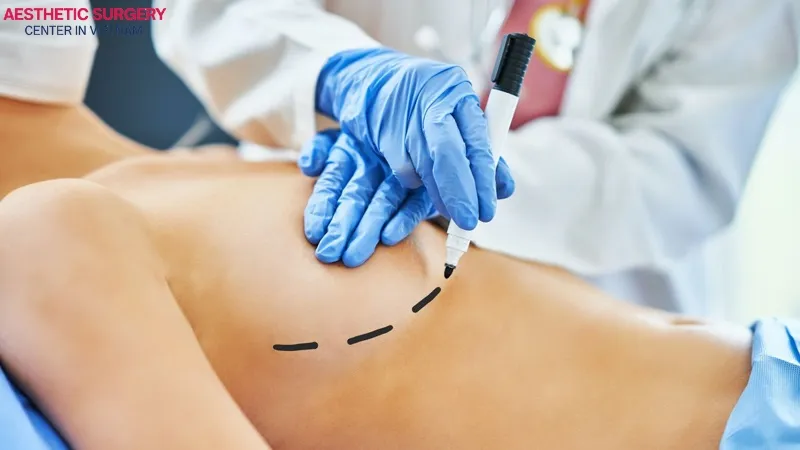
How much is a second breast augmentation?
The cost of secondary breast augmentation does not have a fixed price, as each case requires a different treatment plan depending on the current breast condition and the patient’s aesthetic goals. In general, the cost varies based on several key factors, including:
- Breast condition after the first surgery: If there are issues such as capsular contracture, implant displacement, rupture, or deformity, the procedure will be more complex, resulting in higher costs.
- Revision techniques required: Secondary breast augmentation may involve implant replacement, pocket correction, complication management, or a combination of techniques. Each requirement comes with a different cost level.
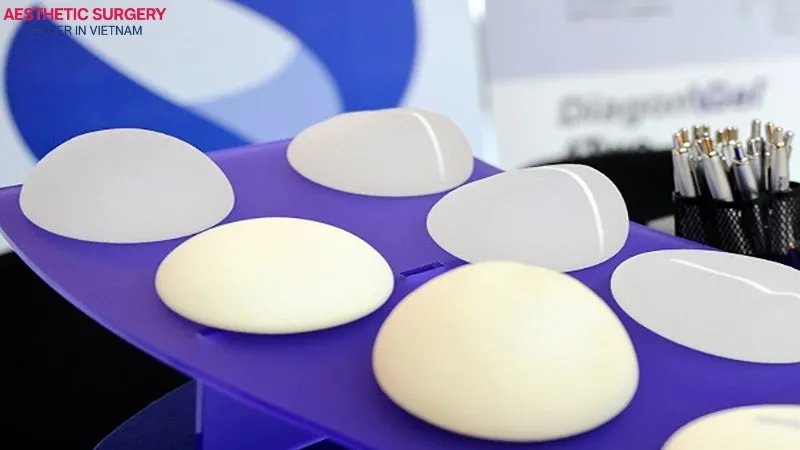
- Type of implant selected: Smooth implants, textured implants, and other types differ in price. Premium implants are usually more expensive due to their durability, safety, and ability to maintain shape.
- Surgeon’s expertise and the clinic: Reputable facilities with highly skilled surgeons and modern surgical systems often have higher fees, in exchange for greater safety and long-lasting, natural-looking results.
>>> See more: How much does breast augmentation cost in Vietnam?
Therefore, to know the exact cost of a second breast augmentation, it is best to attend an in-person consultation so the surgeon can assess your condition and recommend an appropriate treatment plan.
Is a second breast augmentation more painful?
Many patients worry that a second breast augmentation will be more painful than the first. However, secondary breast augmentation is usually associated with mild discomfort and is often less painful. During the procedure, you will be under general anesthesia, so you will not feel any discomfort at all. After the anesthesia wears off, you may experience a feeling of tightness or mild soreness in the chest area, but this is a normal reaction and is often lighter than the first surgery because the breast tissue has already adapted to the presence of implants.
In addition, the surgeon will prescribe appropriate pain medication and provide detailed postoperative care instructions, including rest, wearing a support bra, and guidance on daily activities and nutrition. These measures help minimize discomfort and support a smooth, safe recovery, allowing you to enjoy the aesthetic results sooner without excessive concern.

What is the recovery time for secondary breast augmentation?
In general, after about 4–6 weeks, most patients can return to normal daily activities, including light work and regular movement. Secondary breast augmentation surgery is usually more complex than the first procedure because the surgeon must operate on breast tissue that has already undergone surgery, where scar tissue or fibrous tissue may be present. Therefore, the secondary breast augmentation recovery process requires greater care and attention.
During this period, you should still avoid strenuous activities, heavy lifting, or high-intensity exercise to protect the implants and ensure stable aesthetic results. In addition, following postoperative care instructions, wearing a supportive garment, and attending regular follow-up visits will help ensure a smooth recovery, minimize complications, and allow the breasts to settle into a soft, natural, and well-shaped appearance.
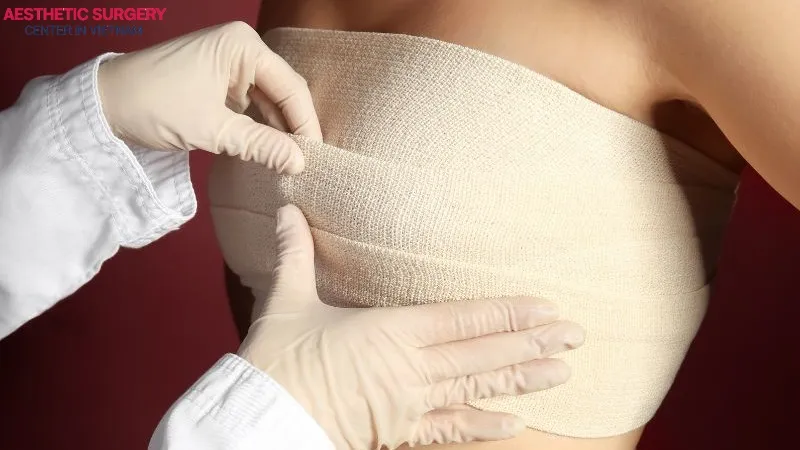
What to expect after 2nd breast augmentation?
After a second breast augmentation, your body will go through certain changes and natural responses that you should understand to support a smooth recovery. First, the breast area may experience swelling, mild bruising, or a feeling of tightness. This is a normal reaction after surgery. These sensations usually decrease over a few days to a few weeks and are not more severe than the first augmentation, thanks to modern surgical techniques and pain management.
The breasts will gradually stabilize in shape and position, but it takes time for the implants to fully settle. During this period, wearing a supportive bra as instructed and avoiding strenuous activities are essential to achieve optimal aesthetic results. You may also experience temporary sensitivity or mild numbness around the nipples or incision area, which typically resolves within a few weeks. In addition, the surgeon will guide you on proper nutrition, rest, and gentle breast massage to help reduce swelling, improve blood circulation, and support faster soft tissue recovery.
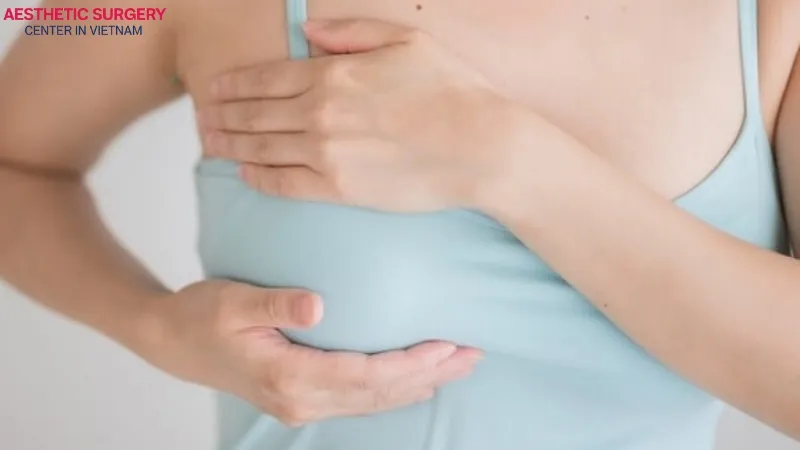
In summary, secondary breast augmentation is not only an opportunity to correct remaining issues after a previous surgery, but also an important step toward achieving breasts that are balanced, soft, and harmonious with your body. Hopefully, the information shared by Aesthetic Surgery Center helps you feel more confident in your beauty decision and better prepared for your second breast augmentation journey, so your breasts can look natural and attractive.













Comment on the post