



Porcelain crowns on implants are the restorative tooth components that are permanently fixed onto the artificial implant post, aiming to complete the tooth structure and restore chewing ability as well as oral aesthetics. So, how is the procedure for placing porcelain crown on implant carried out, and what are the important things you need to know before undergoing the treatment? All of these questions will be answered in detail by Shark Dental Clinic in the article below.
Porcelain crowns on implants: How are they attached?
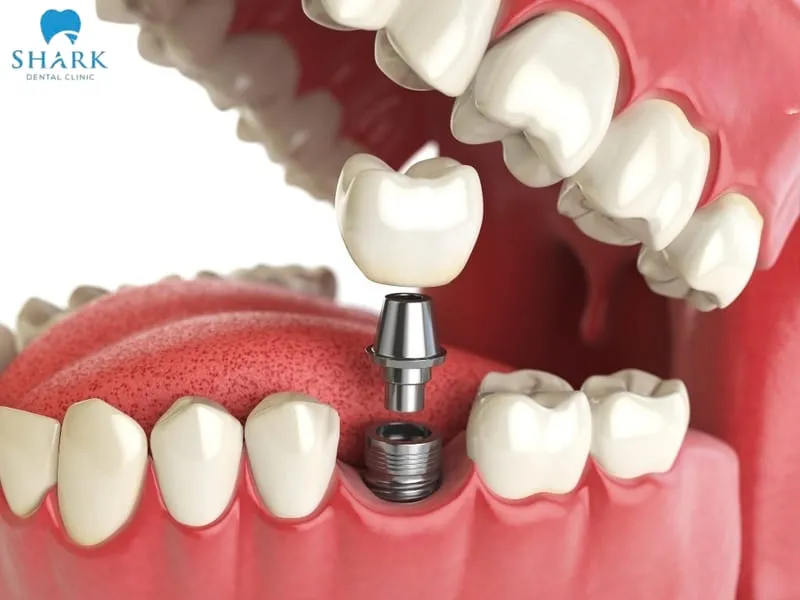
Porcelain crowns on implants are secured to the implant fixture using an intermediate component known as an abutment. Depending on the location of the missing tooth and clinical considerations, dentists often recommend one of the two common attachment methods:
- Screw-retained crowns: In this method, the porcelain crown is designed with a small access hole on the chewing surface. This allows the dentist to insert a screw and directly secure the crown to the implant fixture. Once secured, the access hole is sealed with a composite material to maintain optimal aesthetics.
- Cement-retained crowns: Here, the abutment is first firmly screwed onto the implant fixture. The porcelain crown is then cemented onto the abutment using specialized dental cement, ensuring stability and comfort during daily activities.
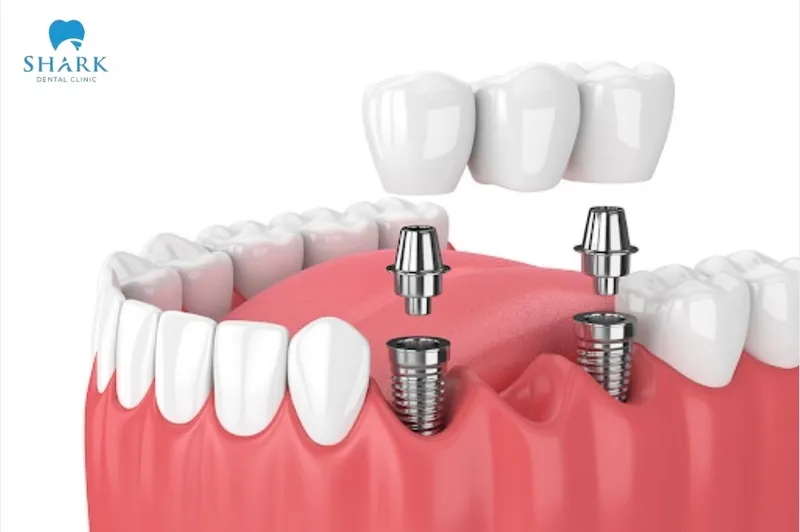
Dental implant restoration overview
Dental implant restoration is an advanced dental technique that utilizes a titanium implant fixture to replace the root of a missing tooth. A porcelain crown is then placed on top to restore the tooth’s shape, function, and aesthetics. This solution helps to reestablish strong chewing ability, provides a natural feel similar to real teeth, and maintains long-term aesthetic stability.
A complete dental implant restoration system typically consists of three main components that work together to recreate a missing tooth in a secure and natural way:
- Implant fixture: This serves as an artificial tooth root, forming a solid foundation to support the entire restoration above.
- Abutment: This intermediate component is fixed onto the implant fixture. The abutment supports and stabilizes the crown or final restoration, ensuring that it remains secure during chewing.
- Restorative tooth: This is the visible part of the restoration, which may be a porcelain crown, an implant-supported bridge, or an implant denture.
What risks should patients know about implant crowns?
Although porcelain crowns on implants have a high success rate, improper techniques or inadequate aftercare can lead to certain risks, including:
- Peri-implant inflammation due to excess cement: If residual cement is left beneath the gum line, bacteria can accumulate, causing inflammation and increasing the risk of implant failure.
- Loose or fractured connecting screws: For screw-retained crowns, uneven chewing forces over time may cause the screw to loosen. If it is not retightened promptly, the screw could fracture, damaging the internal structure of the implant.
- Cracking, chipping, or fractures in porcelain: Improper bite alignment can concentrate excessive chewing force at a single point, leading to damage to the porcelain layer.
- Bad breath and food impaction: Poorly fitted crowns can create gaps where food becomes trapped, causing unpleasant odors and creating conditions for bacterial growth around the implant.

How long do implant crowns last?
The lifespan of porcelain crowns on implants typically ranges from 10 to 15 years and may last even longer with proper care. However, longevity depends on several factors, such as the quality of porcelain materials, the dentist’s expertise, the stability of the implant fixture, and daily oral hygiene habits.
To ensure long-lasting durability, patients are advised to choose reputable dental clinics with experienced dentists, authentic materials, and modern implant technology. Additionally, regular dental check-ups allow dentists to monitor implant conditions and promptly address any emerging issues, helping to maintain both chewing efficiency and long-term aesthetics.
Candidate criteria for implant crowns
Porcelain crowns on implants are suitable for many individuals with missing teeth, particularly those seeking durable chewing function and long-term aesthetics. Specifically:
- Patients with successful osseointegration: Individuals who have had implant fixtures placed for 3 to 6 months, allowing for sufficient integration and stability to support the porcelain crown.
- Patients missing one or multiple teeth: Those who desire a fixed, highly aesthetic solution without the need to grind down adjacent natural teeth for a dental bridge.
- Patients with healthy gum tissue: Individuals with healthy peri-implant gums that are free from inflammation, ensuring a snug fit and natural-looking results after crown placement.
- Patients with stable overall health: Those with good oral health who do not have uncontrolled chronic conditions, such as cardiovascular disease or diabetes.
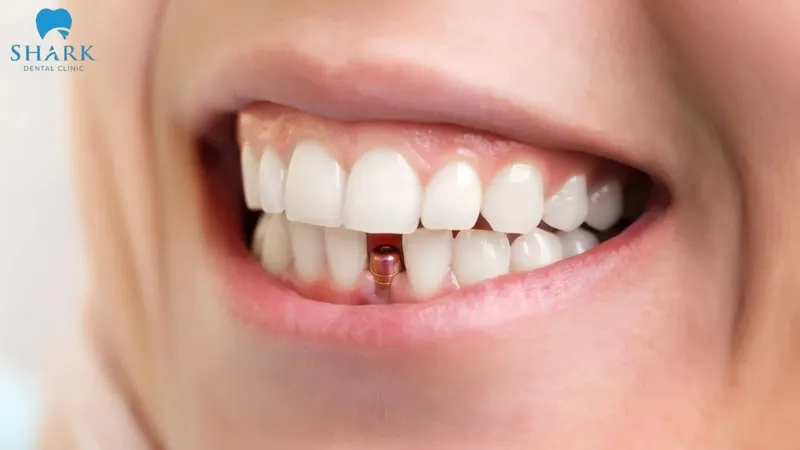
Porcelain implant crown placement steps
To ensure optimal aesthetics and effective restoration of chewing function, the placement of porcelain crowns on implants must follow these standardized steps:
Step 1: Examination and assessment of osseointegration
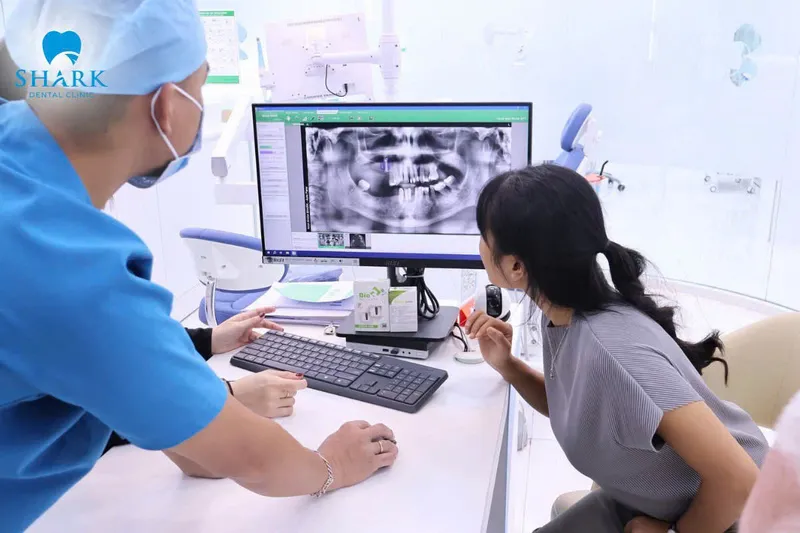
The dentist performs a clinical examination and takes radiographs to evaluate the stability and integration of the implant fixture. If the implant has fully integrated with the jawbone, the restoration process will proceed. If not, appropriate interventions will be recommended to ensure treatment effectiveness.
Step 2: Placement of the healing abutment
A suitable healing abutment is selected based on each patient’s oral condition to shape an aesthetically pleasing gum contour. This step allows the gum tissue around the implant to heal naturally, creating a solid foundation for a well-fitted and long-lasting porcelain crown.
Step 3: Fabrication of the crown and abutment connection
Once the gum tissue has stabilized, the dentist takes an impression of the patient’s mouth. Based on this impression, dental technicians fabricate a custom abutment and porcelain crown with precise shapes and dimensions, ensuring a seamless replacement of the missing tooth.
Step 4: Final placement of the abutment and porcelain crown
The dentist attaches the fabricated abutment and porcelain crown to the implant, carefully selecting a shade that blends naturally with adjacent teeth. After this step, patients can resume normal eating. If any discomfort occurs, patients should return to the clinic for timely evaluation and adjustment.
How do porcelain implant crowns achieve a natural look?
Porcelain crowns on implants achieve a natural appearance through a combination of high-quality ceramic materials and personalized design using advanced technology:
- Porcelain translucency: Premium ceramic materials effectively reflect light, giving the crown depth and vitality without an opaque or artificial appearance.
- Personalized design for each patient: Crowns are custom-made based on tooth shape, bite alignment, and facial characteristics, ensuring harmony with the overall smile.
- Precise fit with the implant and gum tissue: Modern impression-taking and fabrication technologies allow the crown to fit closely against the implant and gum margin, enhancing aesthetics and providing a natural chewing sensation.
- Refined surface morphology: The ridges, grooves, and contours of the crown are carefully modeled to closely resemble natural teeth, making the restoration difficult to distinguish visually.
Should it be screw-retained or cement-retained?
Both screw-retained and cement-retained porcelain implant crowns have their own advantages and limitations. Here’s a comparison to help you understand each option:
| Comparison criteria | Cement-retained implant | Screw-retained implant |
| Connection material | Medical-grade dental cement bonds the crown to the abutment. | A screw connects the abutment and porcelain crown. |
| Aesthetics | Risk of cement exposure over time, potentially affecting the aesthetic. | No cement exposure, ensuring long-term aesthetic stability. |
| Chewing function | Good chewing ability, but higher risk of crown debonding. | Excellent chewing function with minimal risk of loosening. |
| Longevity | Shorter lifespan, difficult to repair partially. | Longer lifespan, easy removal for repair or replacement. |
| Cost | Lower initial cost (approximately 5–20 million VND) but higher long-term repair expenses. | Higher initial cost (approximately 7–50 million VND) but more cost-effective over time. |
From this comparison, screw-retained implant crowns offer superior durability and long-term convenience. Although the initial cost is higher, their retrievability allows for easier maintenance or repairs without damaging the underlying implant.
However, to make the most appropriate choice, patients should visit a dental clinic for a thorough examination and radiographic assessment of the jawbone structure. Based on tooth position, financial considerations, and aesthetic expectations, the dentist will recommend the most suitable restoration solution, helping patients achieve strong oral function and a confident, long-lasting smile.
How should care for soft tissue after crown placement?
To keep the soft tissue and gums around the implant healthy after crown placement, patients should follow these essential care guidelines:
- Gentle gum cleaning: Use a soft-bristled toothbrush to clean the gum area where it meets the porcelain crown. This helps remove plaque without damaging sensitive soft tissue.
- Use a water flosser: A water flosser effectively removes food debris between teeth and beneath the gumline. The water stream also massages the gums, improving blood circulation and keeping the implant area clean.
- Antibacterial mouth rinsing: Rinse regularly with a saline solution or a specialized antibacterial mouthwash after meals to reduce bacteria and maintain fresh breath.
- Routine dental check-ups every 6 months: Visit the dental clinic for professional cleanings and evaluations to ensure the ongoing health of your implants and surrounding tissues.
Through the information above, it is clear that porcelain crowns on implants are an indispensable step in the restorative phase, delivering outstanding results in both chewing function and aesthetics. Dental Shark Clinic hopes this article has helped you gain a clearer understanding and prepare properly before treatment, as well as adopt the right care routine to maintain a healthy, beautiful smile for years to come.













Comment on the post