


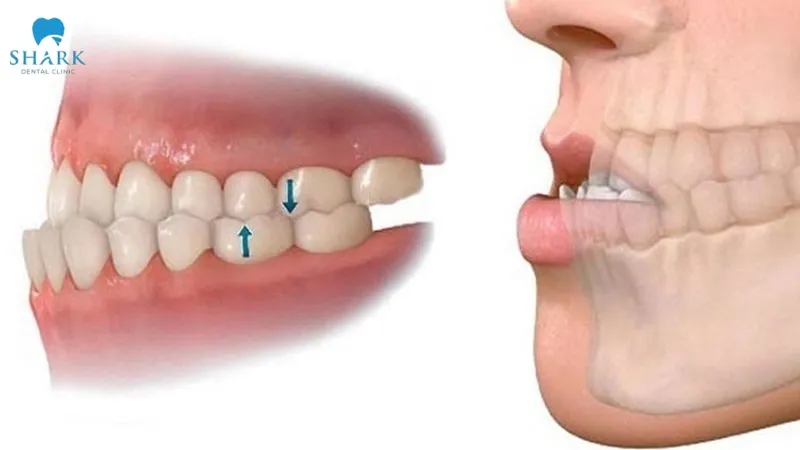
Bite misalignment not only affects chewing function but can also cause jaw fatigue, headaches, and accelerated tooth wear. Therefore, bite rehabilitation is considered an effective solution to rebalance the chewing system and restore functional harmony. To prepare thoroughly before treatment, let’s join Shark Dental Clinic in exploring this procedure in detail in the article below.
What is bite rehabilitation?
Bite rehabilitation, also known as bite adjustment therapy, is an advanced dental technique aimed at repositioning the teeth for proper contact. This process corrects bite misalignment, ensuring that the upper and lower teeth fit together harmoniously. Restoring the bite to its optimal position not only protects the teeth from premature wear but also alleviates jaw muscle fatigue, supports efficient chewing, and enhances overall facial aesthetics.
Benefits of bite rehabilitation
Bite rehabilitation improves chewing function, promotes a confident smile, and reduces the risk of long-term oral health problems. The key benefits of this treatment include:
- Improved chewing efficiency: Even distribution of chewing forces across all teeth allows food to be broken down more effectively, enhancing eating comfort and supporting better digestion.
- Reduced tooth wear and fractures: By eliminating excessive pressure points, bite rehabilitation protects tooth enamel and lowers the risk of uneven wear, cracks, or early tooth fractures.
- Relief from jaw and facial muscle pain: Rebalancing the bite reduces strain on the jaw muscles, relieving symptoms associated with temporomandibular joint (TMJ) disorders, such as jaw pain and headaches.
- Prevention of future complications: Early bite rehabilitation is one of the most effective ways to avoid complex and costly dental problems later on.
How does bite adjustment therapy work?
The bite adjustment process typically follows these standard dental steps:
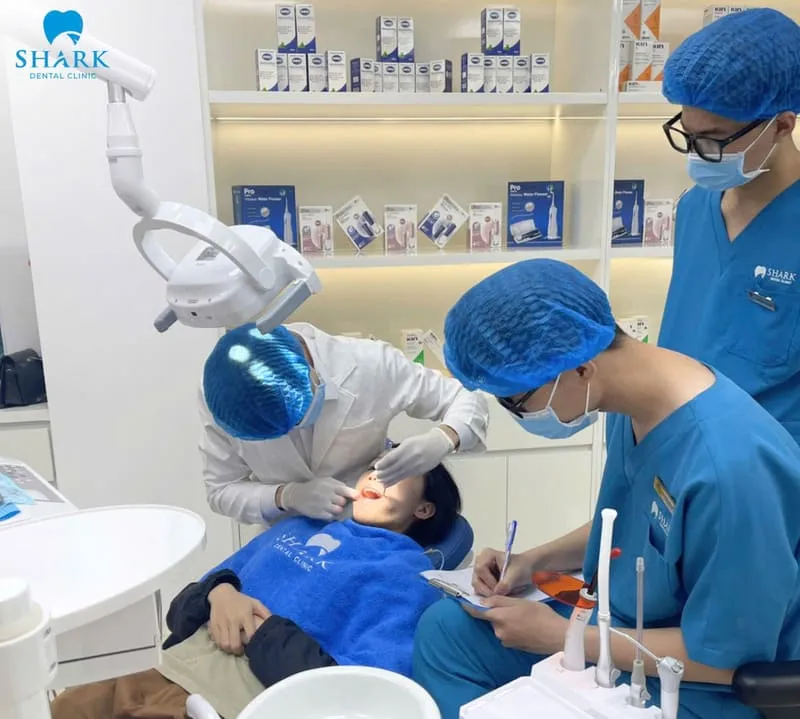
Step 1: Comprehensive examination and evaluation
The dentist thoroughly assesses your teeth, jawbone structure, and chewing patterns to determine the extent of misalignment and your suitability for bite rehabilitation.
Step 2: Treatment planning
Based on the examination results, the dentist develops a personalized treatment plan, which may involve minor bite adjustments or more comprehensive interventions depending on the severity of the condition.
Step 3: Bite rehabilitation procedure
The dentist carefully removes a very small amount of enamel from areas where teeth are uneven or interfere with proper contact, allowing the teeth to align correctly. In some cases, orthodontic appliances, such as braces or retainers, may be used to gradually reposition the teeth.
Step 4: Completion and follow-up visits
After each adjustment, follow-up appointments are scheduled to monitor jaw adaptation. Adhering to the prescribed treatment plan helps resolve jaw discomfort and maintain long-term dental health.
Bite rehabilitation methods
Depending on individual oral conditions and the degree of bite discrepancy, the dentist may recommend one or a combination of the following treatment methods:
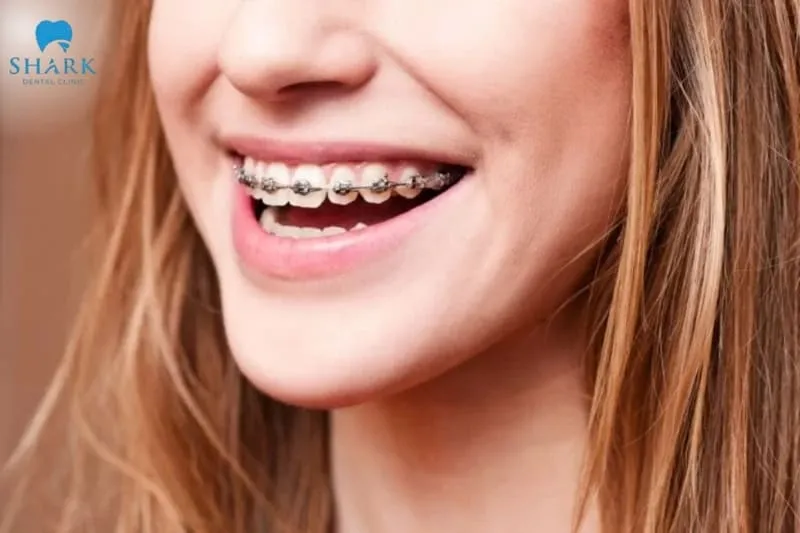
- Orthodontic treatment: Braces or clear aligners are used to move teeth into proper alignment within the dental arch. This is the most effective approach for correcting overbites, underbites, and crowded or misaligned teeth.
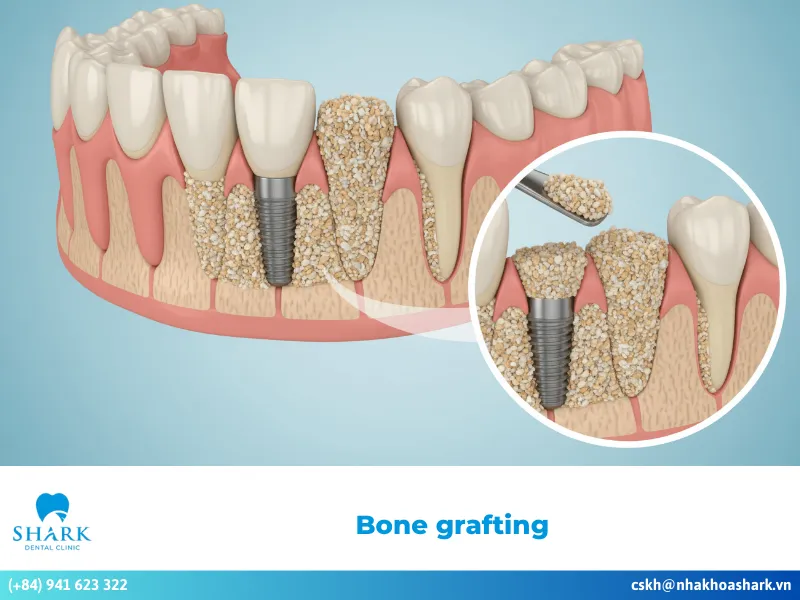
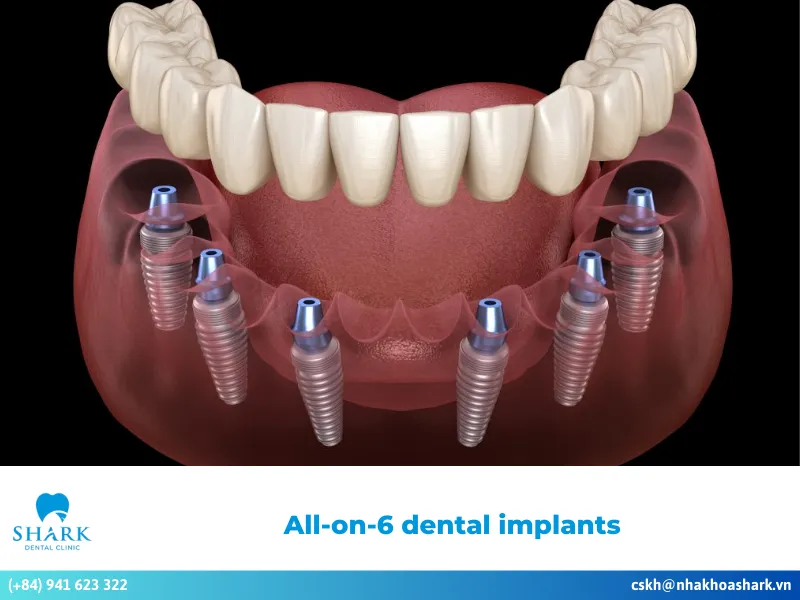
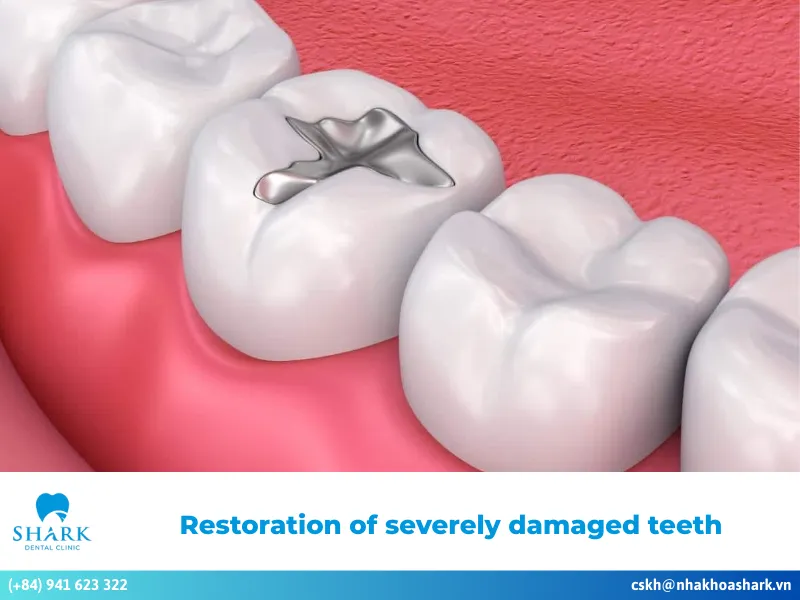
- Dental restorations: For missing, chipped, or damaged teeth, procedures such as porcelain crowns, dental bridges, or dental implants are performed to rebuild chewing surfaces and close gaps, allowing the upper and lower jaws to function more evenly.
- Occlusal splints (bite guards): Custom-made dental appliances based on your bite impressions are designed to reduce pressure on jaw muscles and the temporomandibular joint, relieving discomfort and supporting the bite’s return to an ideal position.
- Jaw surgery: In cases of severe bite discrepancies caused by jawbone structural abnormalities that cannot be corrected with conservative methods, corrective jaw surgery may be recommended to realign the jawbone, improve facial balance, and achieve optimal bite function.
Who can benefit from bite adjustment therapy?
Bite adjustment therapy is suitable for patients whose teeth and jaws do not work together harmoniously, affecting their daily lives. It is particularly recommended in the following situations:
- Jaw pain or discomfort when eating or speaking.
- Congenital bite abnormalities or those caused by childhood habits such as thumb sucking.
- Bite misalignment that develops after dental treatments that were not properly calibrated.
- Difficulty biting or chewing food effectively.
To determine if you are a suitable candidate for bite adjustment therapy, a consultation with a dental specialist is essential. The dentist will examine your dental and jaw structure, assess your symptoms and medical history, and recommend the most appropriate treatment plan for your condition.
Is bite adjustment therapy painful?
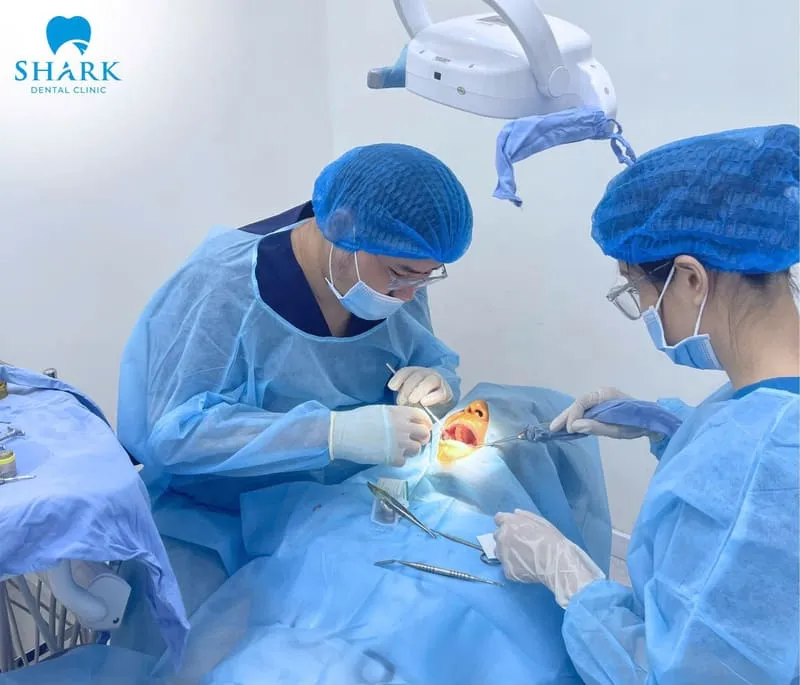
Bite adjustment therapy is a safe, minimally invasive procedure that is generally painless. The dentist employs precise techniques to rebalance bite forces without damaging the teeth or gums. Some patients may experience mild sensitivity or slight discomfort after treatment; however, these symptoms typically subside within a few days.
How long does the procedure take?
The duration of the treatment varies based on the complexity of each individual’s bite condition. A standard bite adjustment session usually lasts between 30 minutes and 1 hour. In some cases, multiple appointments may be required to achieve optimal results and ensure the bite is fully rehabilitated in a balanced and stable manner.
Are the results permanent?
Bite rehabilitation provides long-lasting improvements in both function and occlusal balance. However, over time, natural tooth wear or habits such as grinding teeth or biting hard objects may cause changes to the bite.
To maintain optimal results, regular follow-up visits are recommended so that the dentist can monitor your condition and make any necessary adjustments. Proper oral hygiene and the elimination of harmful habits will help preserve a healthy, stable bite in the long term.
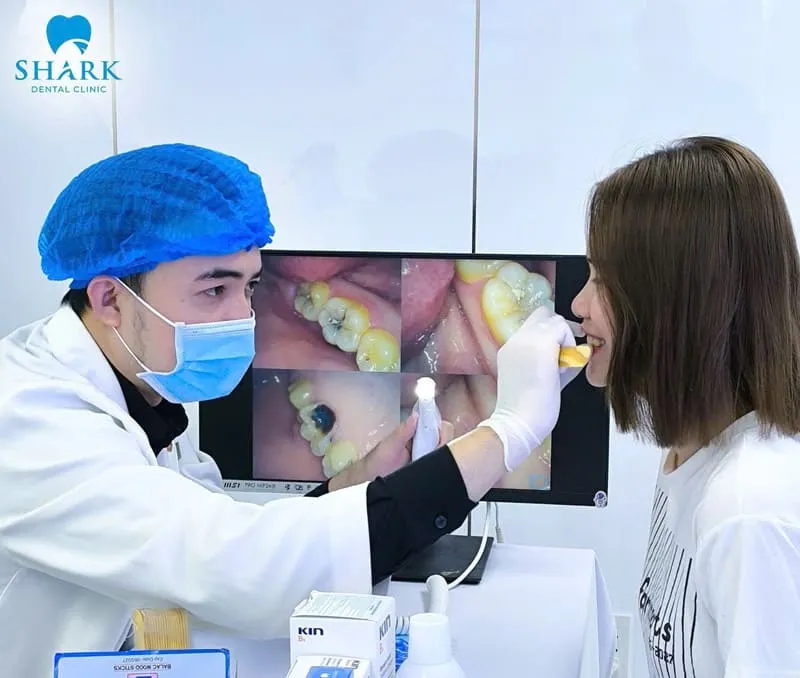
Bite rehabilitation not only enhances chewing efficiency but also protects the teeth, relieves jaw pain, and improves overall quality of life. If you are experiencing any of the issues mentioned above, contact Shark Dental Clinic today at hotline (+84) 941 623 322. Our professional team will assist you with fast appointment scheduling and provide exclusive offers for this treatment service.












Comment on the post