



Rhinoplasty is not merely a cosmetic surgery; it is a journey of transformation that requires meticulous post-operative care. One of the most common concerns for clients, especially those traveling from afar or who need to move frequently is: “When can I fly after rhinoplasty?” Air travel is directly linked to changes in atmospheric pressure, which can potentially affect the wound and the unstable nasal structure. This article will provide the safe timelines you need to ensure your flight is as smooth and comfortable as possible.”
Understanding the recovery process after rhinoplasty
The recovery process after rhinoplasty is a journey that requires patience and meticulous care through specific stages to achieve the most perfect aesthetic result.
- During the first 2-3 days, you will face swelling and mild bruising around the nose and eye areas; this is a natural reaction of the body as soft tissues begin the self-healing process.
- Moving into days 7 to 10, open wounds gradually close, making this a crucial time for suture removal and splint take-off, allowing the new nose shape to become more visible.
However, for the cartilage and tissue connections to truly bond and settle naturally, you need to wait for the next 1 to 3 months.
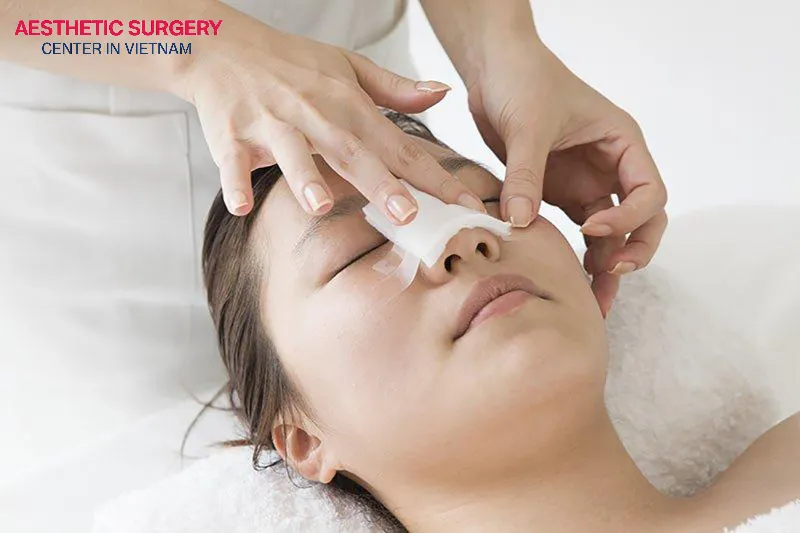
Throughout this period, understanding that the nasal structure is still sensitive to external forces or pressure changes will help you maintain an appropriate diet and activity level, ensuring the bridge of the nose forms beautifully and remains stable over time.
Potential risks of flying too soon after nose surgery
Traveling by air immediately after cosmetic intervention is not just a matter of transportation; it also poses many risks due to pressure changes and the specific cabin environment. People often wonder, “When can I fly after rhinoplasty?” to avoid the following detailed risks:
Increased swelling
Sudden changes in cabin pressure during takeoff and landing are the main causes of worsened edema. When pressure drops, soft tissues damaged by surgery tend to expand and accumulate more fluid, leading to a feeling of tightness and severe swelling. This not only slows recovery but also makes the nose look stiff and lose its natural elegance in the days following the flight.
Bleeding and infection
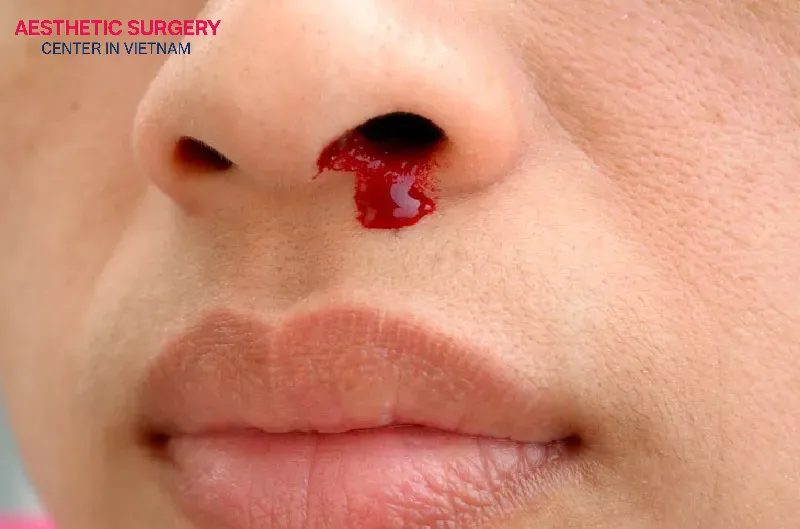
Flying too early, especially before suture removal, can increase the risk of small blood vessels bursting due to pressure differentials, causing nosebleeds or pinkish discharge at the incision site. Additionally, the air filtration systems and crowded environments on planes harbor many bacteria, while the nasal mucosa is extremely sensitive and fragile after surgery. Without careful protection, bacteria can easily invade open wounds, leading to infection risks and complex postoperative complications.
Discomfort and pain
Cabin air is often very dry, which quickly dehydrates the nasal mucosa, causing burning pain and hard crusting inside the nostrils. Combined with pressure changes affecting the facial sinuses, passengers who have recently had rhinoplasty often endure throbbing pain and pressure in the bridge and forehead throughout the journey. This discomfort causes physical fatigue and stress, directly affecting the rate of tissue regeneration and overall health recovery.
Precautions for flying after rhinoplasty
To ensure a smooth flight without putting pressure on your new nose shape, thorough preparation is indispensable. Keep these important precautions in mind:
Consider flexible tickets or postponing long-haul flights
One of the top priorities is to book tickets with flexible rescheduling options or consider postponing flights longer than 6 hours during the first month. Long-haul flights involve constant pressure changes and long periods of sitting, which can easily cause fluid buildup and increased swelling. A flexible ticket allows you to proactively delay your flight if your doctor feels the wound is not stable or if you do not feel physically ready for a long journey.
Use saline nasal sprays
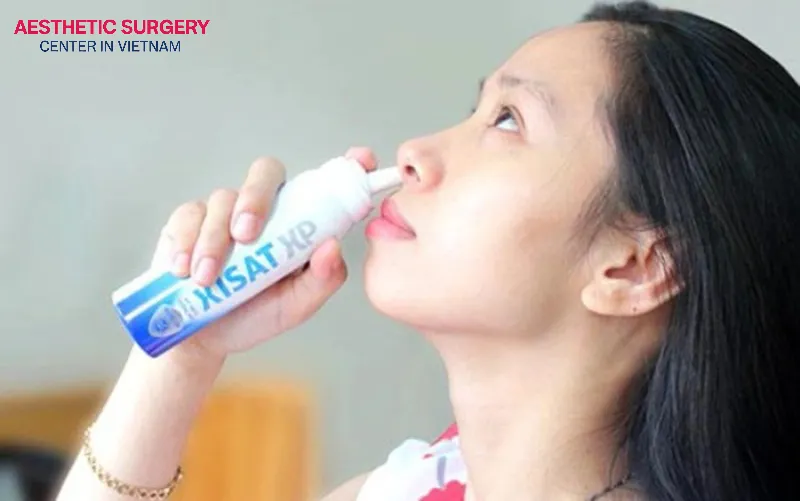
The dry air inside the cabin can easily irritate the nasal mucosa and form painful hard scabs. To overcome this, always carry a saline nasal spray in your carry-on luggage to moisturize the nasal cavity regularly. Gentle spraying every 1-2 hours not only soothes the mucosa but also prevents bacterial entry, helping you breathe easier and more comfortably without touching your nose.
Stay hydrated
Maintaining hydration from the inside by drinking enough water is a simple but highly effective measure to support recovery during a flight. Low humidity at high altitudes easily dehydrates the body, thickening nasal mucus and causing uncomfortable congestion. Prioritize filtered water or fruit juices, and avoid alcohol or caffeine, as they can increase edema and dehydrate the body faster.
Avoid lifting heavy objects, excessive movement, or touching/bumping the nose
Throughout the airport check-in and boarding process, you must absolutely avoid lifting heavy suitcases or checked luggage. This exertion can cause a sudden spike in blood pressure, leading to a risk of nosebleeds or stretching aesthetic sutures. Additionally, move slowly and remain vigilant to avoid accidental bumps to the face by other passengers when they are storing or retrieving luggage from overhead bins.
Be careful in public places
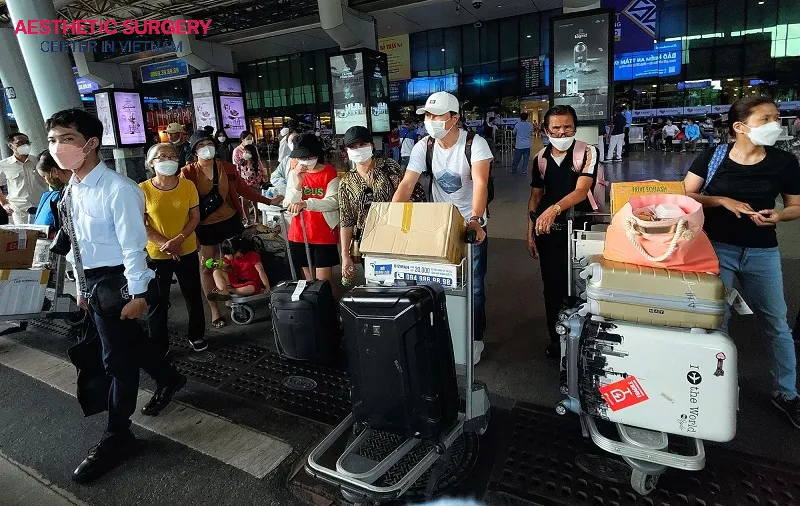
Airports and airplanes are crowded places with many risks of respiratory bacterial infection or unintended collisions. You should wear a soft medical mask (not too tight) to protect the incision from dust and direct environmental impacts. Additionally, use hand sanitizer frequently and minimize touching your face or adjusting the nasal splint before cleaning your hands to prevent postoperative infection in these public areas.
Consult your rhinoplasty surgeon before flying
Before deciding to book a flight or undertake any journey, the most important thing you need to do is to speak directly with your rhinoplasty surgeon to receive the most accurate advice. Each rhinoplasty procedure has a different level of intervention and recovery speed, so only the surgeon can assess whether your nasal structure is truly safe to withstand the pressure changes in the airplane cabin.
Regular check-ups before your trip allow the surgeon to promptly address any issues that may arise, such as unhealed wounds or unstable cartilage, and provide you with specialized advice or necessary supportive medications, ensuring your complete peace of mind throughout your journey.
What should I do if I experience severe discomfort during the flight?
If you encounter intense pain, heavy pressure, or any abnormal signs while at an altitude of thousands of feet, stay calm and immediately follow these steps to protect your nose shape:
- Notify flight attendants immediately: Do not suffer in silence. Flight attendants are trained to handle basic medical situations. They can provide warm towels, ice packs, or oxygen support if you feel short of breath due to sudden pressure changes.
- Balance pressure by swallowing gently or chewing gum: During takeoff or landing, significant pressure changes can cause pain in the nose and ears. Instead of blowing your nose (which is strictly forbidden), try swallowing repeatedly, chewing gum, or opening your mouth wide to help balance internal pressure naturally.
- Use saline nasal spray immediately: If your nose feels dry or painful, use a saline spray to soothe the mucous membranes. The moisture from the saline will help reduce irritation caused by the dry cabin air.
- Keep your head upright: Avoid lowering your head or tilting too much. Adjust your seat to a slight recline and use a U-shaped travel pillow to keep your head straight, which promotes better blood circulation and reduces direct pressure on the nasal area.
- Apply a cold compress if there are signs of swelling or pain: You can ask a flight attendant for some ice cubes wrapped in a thin towel and apply it gently to the cheeks or forehead near the nose. Absolutely do not press hard or place ice directly on the bridge of the nose to avoid shifting the cartilage.
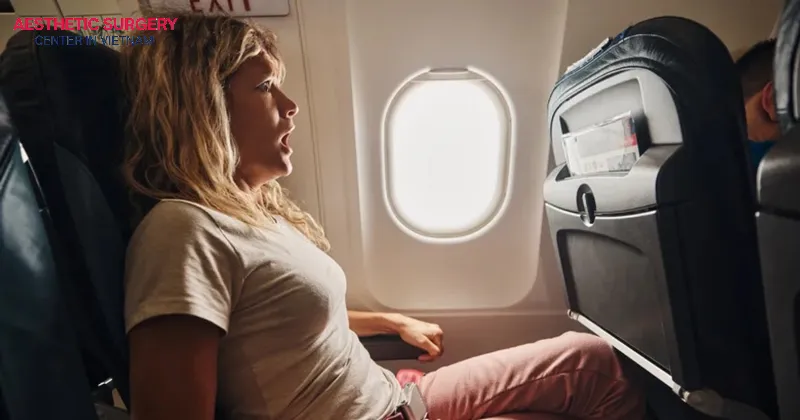
Post-flight care: Why is special care crucial during the rhinoplasty recovery process?
Once the flight is over, your nose has just passed a “challenge” involving pressure changes and dry air. Therefore, the care stage immediately after landing plays a decisive role in returning the nose shape to its most stable state.
Post-flight care: Immediate actions to take
- Clean off airport grime: Airports are environments with high bacterial density. As soon as you reach your accommodation, use physiological saline to clean both the inside and outside of your nose, removing dirt and bacteria accumulated during travel.
- Rest with your head elevated: After a long journey, the body is often fatigued, and the nose may be slightly swollen due to pressure. You should rest with your head elevated to improve fluid circulation, helping to quickly reduce edema.
- Monitor for abnormal symptoms: Self-examine in a mirror to ensure the nose shape is not deviated and the incision is not bleeding or unusually bruised. If you feel the pain increasing, contact your doctor immediately.

Post-operative care, especially after impacts like flying or blowing your nose, is not just about hygiene but also directly affects the final aesthetic result for the following reasons:
- Protecting unstable cartilage structure: In the early months, the grafted cartilage is only held by sutures and temporary tissue adhesion. Any strong impact or sudden pressure change can cause the cartilage to shift, leading to a crooked, deviated, or exposed bridge.
- Preventing scarring complications and infection: The post-surgical nasal area is very sensitive to bacteria. Special care ensures the incision stays dry and clean, thereby minimizing the risk of infection.
- Determining the natural look of the nose: Proper care (such as icing, dieting, and cleaning) helps swelling subside faster. Rhinoplasty swelling stages decreases quickly and evenly, soft tissues will fit snugly around the cartilage form, helping the nose reach a soft, natural, and non-rigid shape sooner.
- Optimizing recovery time: A scientific care regimen helps the body focus its resources on healing the wound. This not only allows you to return to work sooner but also minimizes the risk of needing a second revision rhinoplasty, which is very complex and costly.
After consulting the answer to the question “when can i fly after rhinoplasty?”, you now know that the safest timeframe to fly is usually 7 to 10 days after surgery, depending on your physical condition and the surgeon’s instructions. Thorough preparation regarding health and knowledge of handling cabin pressure will help you avoid unnecessary risks. If you still have concerns about your recovery or need further advice on a medical-standard post-operative care process, contact our medical team immediately for the fastest support!
















Comment on the post