


After undergoing nose surgery, your nutrition accounts for up to 30% of the success of your final result. A scientific diet not only helps the wound close quickly and reduces bruising effectively but also minimizes the risk of keloid scarring or post-operative complications. However, not everyone knows exactly what to eat after rhinoplasty to speed up recovery while still ensuring adequate nutrient intake. Let’s explore the list of golden foods in the article below to help you shorten your downtime and achieve a perfectly beautiful nose.
What to eat after rhinoplasty?
Post-operative nutrition is not merely about providing energy; it is a natural remedy that helps the body fight inflammation and regenerate tissue. Choosing the right foods at each recovery milestone will minimize swelling, prevent scarring, and help the nose shape stabilize more quickly. A general rule of thumb regarding what to eat after rhinoplasty is to prioritize foods rich in Vitamin A, C, zinc, and lean protein to stimulate natural collagen production.
Beyond choosing the right ingredients, the method of preparation is equally important. In the first few days, you should opt for light, bland dishes with minimal seasoning-especially low in salt to prevent water retention and swelling. Additionally, foods should have a soft texture to minimize jaw movement, thereby avoiding any physical strain on the delicate, newly-operated nasal area.
The first 24 hours after rhinoplasty
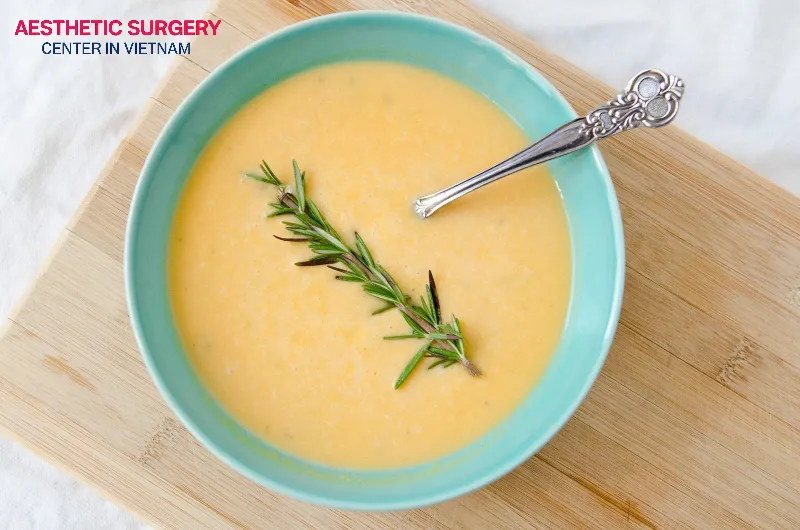
During the first 24 hours, your body is usually still under the influence of anesthesia or local anesthetic, which may cause you to feel slightly nauseous or tired. Your digestive system is also not yet fully functional, so liquid and soft foods are the top priority. You should eat finely minced meat porridge, light soups, or drink milk for easy absorption without much chewing. Make sure to drink enough water, but only sip it slowly, avoiding straws as the sucking motion can put pressure on the nasal septum.
What to eat during the first week after rhinoplasty?
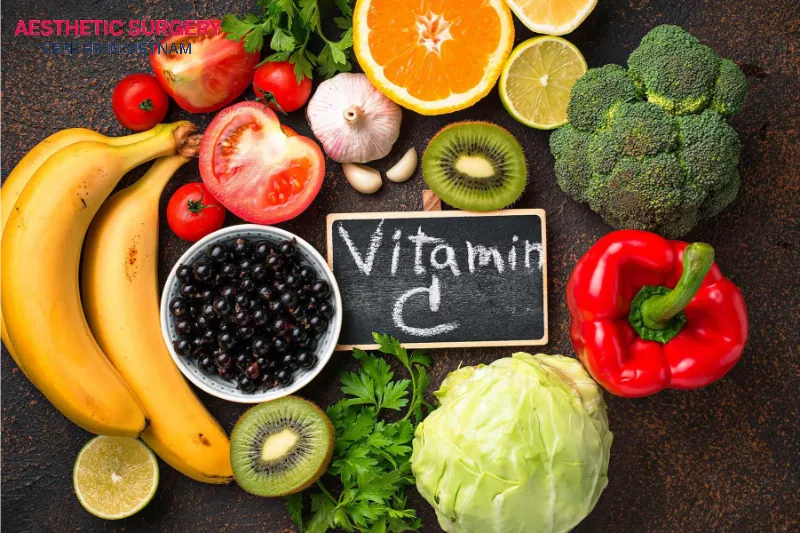
This is the stage where the nasal tissues are healing and swelling is beginning to subside. You need to supplement your diet with foods rich in healthy proteins such as lean pork, beans, and grains to support tissue regeneration. Don’t forget to include fruits and vegetables rich in Vitamin C such as oranges, grapefruits, strawberries, broccoli, bell peppers, etc., to boost immunity and help the wound heal faster. In particular, foods with natural anti-inflammatory properties like ginger or turmeric, which contain curcumin, will help reduce bruising very effectively during this period.
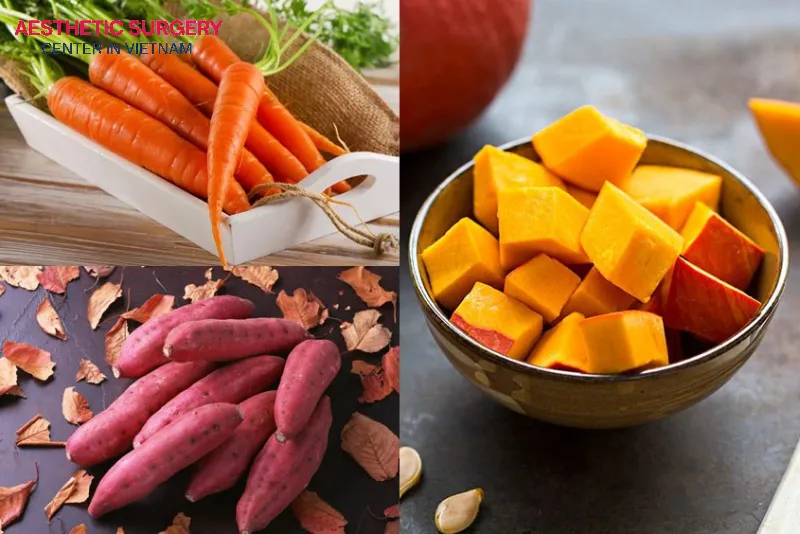
In the second week, when the incision has started to heal and the splint may have been removed, you can eat a wider variety of foods, but still need to be selective. Focus on foods rich in Vitamin A, such as carrots, sweet potatoes, and pumpkin, to help fade scars and smooth the skin around the nose.
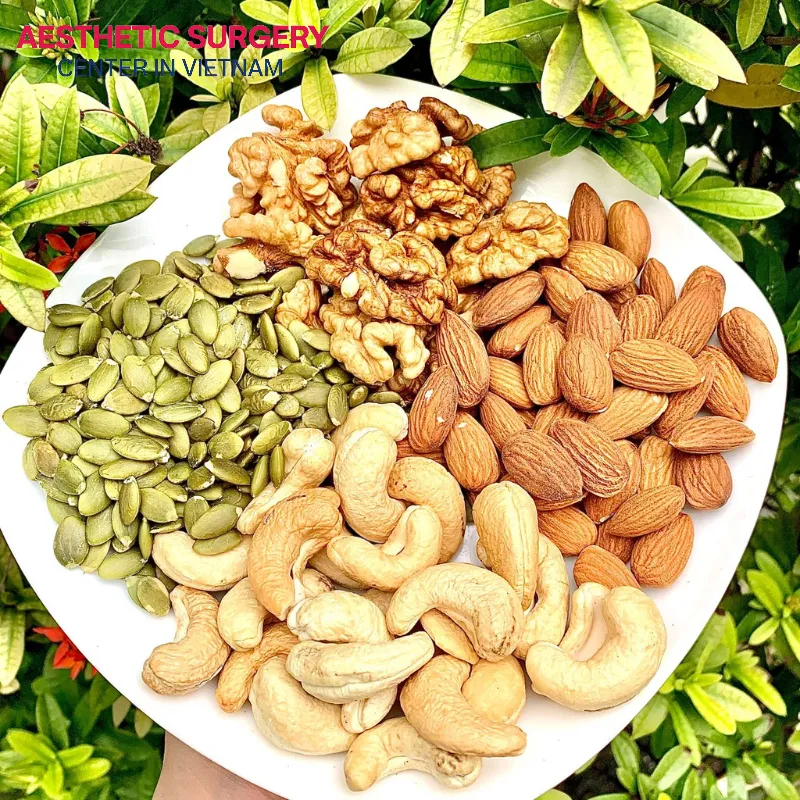
This is also a good time to supplement with healthy fats from almonds, walnuts, or avocados to support the recovery of nerve cells around the surgical area. Although you can chew slightly harder foods, you should still limit foods that are too chewy or hard to protect the shape of your nose.
The benefits of proper nutrition – before and after surgery
Focusing on nutrition shouldn’t just begin when you step out of the operating room; it should be meticulously prepared well in advance. A proper diet acts as a protective “buffer,” preparing your body to face the impact of surgery and recover more robustly.
Pre-operative stage
When you load up on essential nutrients such as Protein, Vitamin C, and Zinc, your immune system is fortified to its highest level. This minimizes the risk of infection and prepares skin cells for rapid regeneration the moment an incision is made.
Additionally, supplementing with iron-rich foods helps maintain stable red blood cell counts, ensuring smooth oxygen circulation to tissues. This helps you avoid prolonged dizziness or fatigue after the minor blood loss typical of surgery.
Post-operative stage
After surgery, establishing the right nutritional regimen becomes the deciding factor for healing speed and the aesthetic outcome of your nose. A scientific diet helps control inflammatory responses, aids you through the different rhinoplasty swelling stages and most importantly minimizes the formation of bad scars or bruising.
Understanding what to eat after rhinoplasty is crucial. When the body is supplied with necessary nutrients like Vitamin A and healthy proteins for collagen production, new tissue bonds form more durably, helping the nose stabilize into its intended shape quickly. Conversely, a careless diet not only slows down recovery but can also lead to unsatisfactory aesthetic results due to localized inflammatory complications.
Which foods are allowed during the recovery process?
During the recovery period after a rhinoplasty, choosing what to eat is not just about “staying full” but also about supporting your body’s healing process. Below are the food groups that are allowed and encouraged to help you quickly achieve a refined and elegant nose shape:
Foods that help reduce inflammation and swelling around the nose
To manage edema and bruising, you should prioritize foods with natural anti-inflammatory properties. Pineapple and papaya are considered “golden” fruits because they contain enzymes like bromelain and papain, which can break down inflammatory proteins and effectively reduce post-surgical swelling. Additionally, foods rich in Omega-3 fatty acids—such as chia seeds, flaxseeds, or walnuts—play a crucial role in soothing damaged tissues and helping the nasal area return to normal more quickly.
Furthermore, adding gentle spices like turmeric and ginger to daily dishes such as soups or porridge will support antibacterial efforts and promote blood circulation. However, you must be careful to minimize salt intake during food preparation. Salt causes water retention, which can make the nose and under-eye area swell more and prolong recovery time. A low-sodium, bland diet for the first two weeks is the “key” to helping your nose heal faster and settle into its beautiful shape.
Best whole fruits, vegetables, and foods
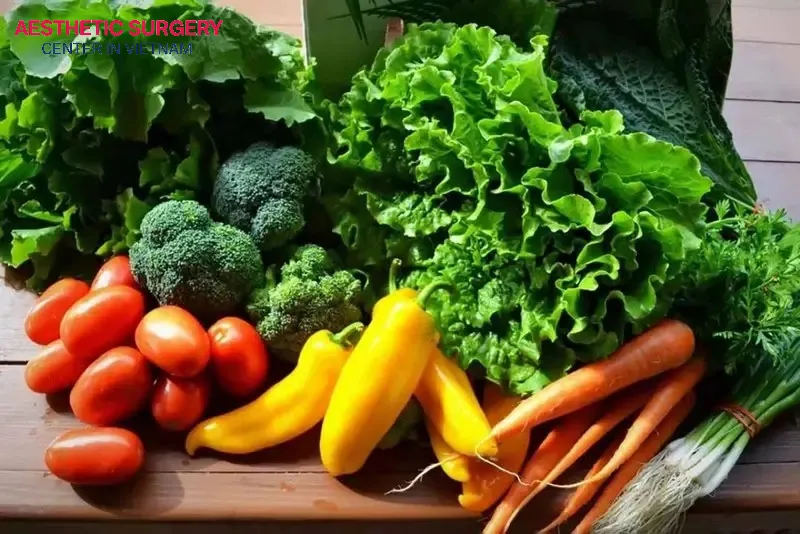
Fruits and green vegetables are excellent sources of fiber, helping to prevent constipation – a seemingly simple but extremely dangerous problem after rhinoplasty. When constipated, excessive straining increases blood pressure in the face, easily causing bleeding or distorting the shape of the still-developing nose. You should eat plenty of dark green leafy vegetables like broccoli and kale, or soft fruits and vegetables like avocado and sweet potatoes to help your digestive system function more smoothly.
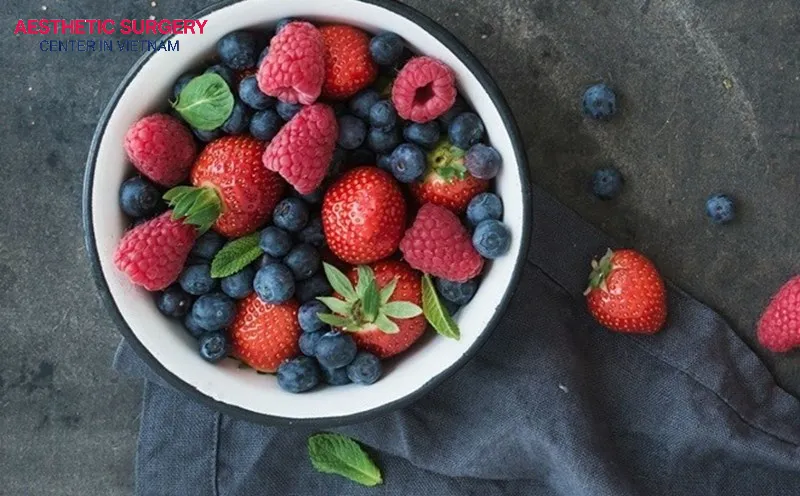
In addition, berries like strawberries, blueberries, and raspberries are not only delicious but also contain extremely high levels of antioxidants. They help protect newly formed cells from the attack of free radicals, thereby speeding up the healing process. Prioritize whole, minimally processed foods to retain vitamins and minerals, helping the skin around the nose become smooth and not dull after recovery.
The role of protein and vitamins in a post-rhinoplasty diet
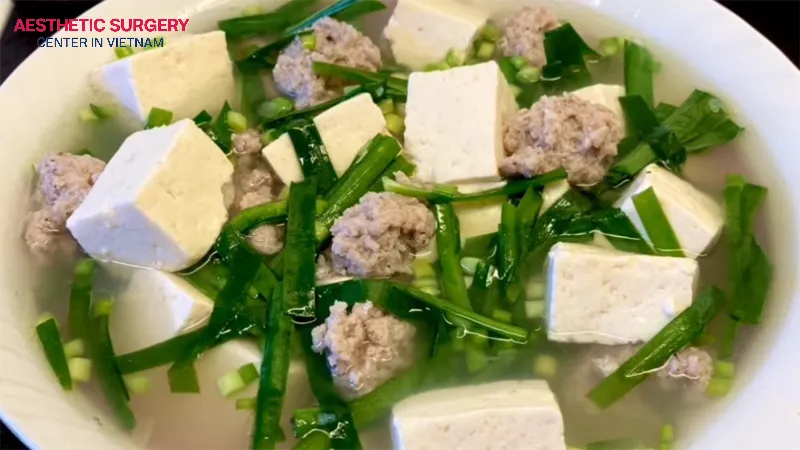
After rhinoplasty, the body needs a large amount of protein to rebuild broken collagen bonds and help the incision close quickly. However, instead of choosing proteins that easily cause keloid scarring like beef, choose healthy proteins from lean pork, soybeans, mushrooms, and nuts. These protein sources are not only safe but also provide essential amino acids to form a strong new layer of skin around the implant.
Alongside protein are vitamins, especially Vitamin A and Vitamin C. While Vitamin C plays a role in connecting collagen fibers and boosting the body’s resistance to infection, Vitamin A supports cell differentiation, preventing the wound from drying out and minimizing the formation of unsightly scars. Combining all these nutrients in your daily meals will create a perfect “protective barrier,” significantly shortening your recovery time.
Foods to avoid after rhinoplasty
Besides nutritional supplementation, the list of foods to avoid is equally important. Unintentionally consuming unsuitable foods can lead to unfortunate complications such as keloid scarring, pus formation, or delayed wound healing. Below are the foods you should absolutely avoid for at least the first month after surgery:
Foods that cause keloid scarring and bruising
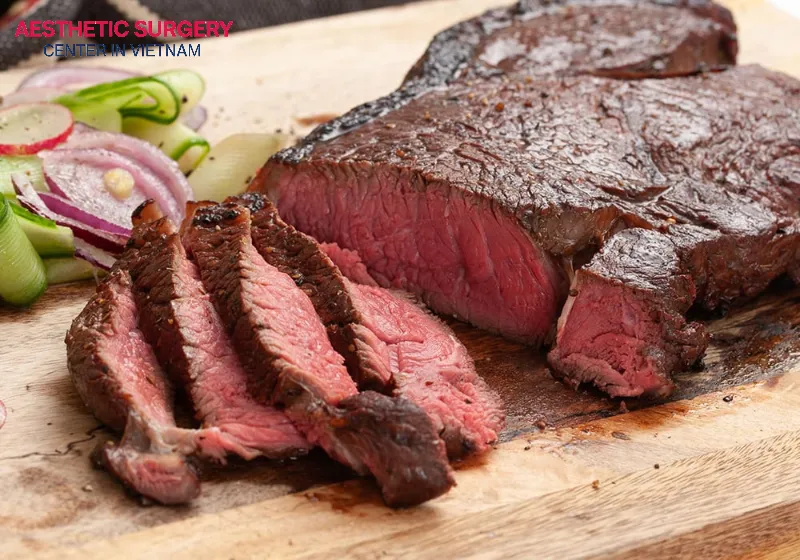
At the top of this list are beef and water spinach. Although beef is rich in protein, it can easily darken the skin around the incision, causing darkening after healing. Meanwhile, water spinach can stimulate excessive collagen production, easily leading to unsightly keloid scarring. Additionally, you should limit poultry eggs, as eggs can cause the newly healed skin to become pale or uneven in color with the surrounding skin (patchy like vitiligo).
Foods that cause pus formation and itching
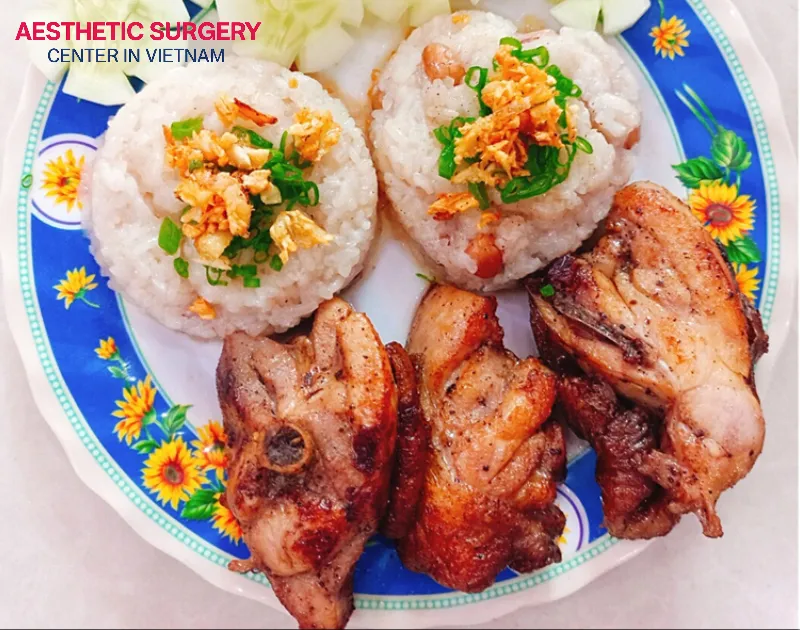
Sticky rice and chicken are two items that should be immediately removed from the menu. Sticky rice dishes like glutinous rice and banh chung are considered “heating,” easily causing swelling, pus formation, and prolonging healing time.
Chicken, especially the skin, often causes uncomfortable itching at the surgical site, leading you to scratch and affecting the shape of your nose. In addition, seafood such as shrimp, crab, and squid, while nutritious, can easily cause allergies, causing itching from within and increasing the risk of infection in the sensitive nasal area.
Foods high in salt, spicy seasonings and stimulants
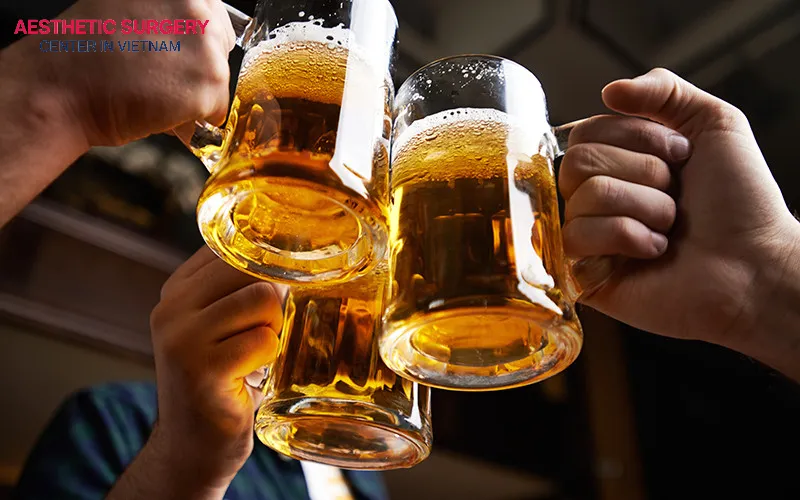
Excessively spicy (chili peppers, black pepper) or very hot foods can irritate the nasal mucosa, making you prone to sneezing or runny nose, putting direct pressure on the newly augmented nasal structure. Additionally, alcohol, beer, tobacco, and coffee reduce blood circulation, affecting the transport of oxygen and nutrients to the wound, thereby significantly slowing down the healing process. The use of stimulants can also reduce the effectiveness of certain antibiotics and painkillers prescribed by your doctor.
Nutrition through different recovery stages
Nutritional support cannot follow a “one-size-fits-all” formula throughout the entire recovery process. Depending on the specific stage—whether the wound is open, beginning to heal, or stabilizing—your body will have specialized needs to “rebuild” the nasal structure perfectly.
Stage 1: The first 1-3 days post-surgery
During the initial days, the top priority is gentle and liquid foods. Due to the effects of anesthesia and mild swelling around the jaw area, you should consume dishes like thin porridge, soup, or smoothies. The goal is to minimize heavy chewing or excessive facial muscle movement that could affect the nasal splint.
Be sure to supplement with plenty of filtered water and fruit juices to detoxify the body and help metabolize the medications administered during surgery.
Stage 2: From day 4 to the end of week 2
This is the “golden” window for the body to start forming new skin and tissue connections. You need to increase your intake of lean protein and Vitamin C. Protein from lean pork or legumes provides the building blocks to close the incision, while Vitamin C boosts resistance and helps fade bruising around the eyes and nose. You can now transition to soft rice, but you should still avoid hard or chewy foods that require significant chewing force.
Stage 3: From week 3 to month 3
At this point, the nose shape has begun to settle, but the internal tissues are still maturing. Nutrition in this stage focuses on scar prevention and evening out skin tone. Maintain a diet rich in green vegetables and fruits high in Vitamins A and E to ensure the skin on the nose is smooth and matches the rest of your face.
Although you can gradually return to your normal diet, it is crucial to continue avoiding foods prone to causing keloids—such as water spinach (rau muống) and sticky rice—until your surgeon confirms the nose is fully stabilized to ensure the best aesthetic outcome.
How long should I wait after rhinoplasty before eating any food?
Generally, you should wait 2 to 4 hours after surgery before starting to eat anything light, but the exact timing depends entirely on how your body feels after the anesthetic or sedative wears off. Here are some important milestones to keep in mind:
- Immediately after surgery (first 1-2 hours): You may feel a dry throat or thirst. At this time, you should only sip small amounts of water to allow your body to readjust, avoiding drinking too much at once as it may cause nausea due to the side effects of the medication.
- When you feel alert and no longer nauseous: You can start with liquid foods such as thin soups, porridges, or milk. Absolutely do not eat solid or hard foods immediately because your digestive system is working slowly at this time, easily causing bloating or vomiting. This is extremely dangerous because vomiting will put a lot of pressure on the newly operated nasal area.
- Start with small amounts of soft food: If after 30 minutes you don’t feel nauseous or have any stomach discomfort, you can continue eating to replenish your energy.
Through the information shared on the topic “What to eat after rhinoplasty?”, you have probably grasped the details of the foods you should eat after cosmetic nose surgery. Follow the dietary restrictions and supplement with necessary foods to help your nose heal quickly and achieve a beautiful shape.
>>> See more: Frequently asked questions about rhinoplasty
















Comment on the post