


Droopy nose rhinoplasty is an effective solution to improve a sagging, unbalanced nasal tip, helping create a more harmonious and natural-looking nose. If you are unsure about the method, cost, or safety, this article will help you understand clearly before making a decision.
What is a droopy nose tip?
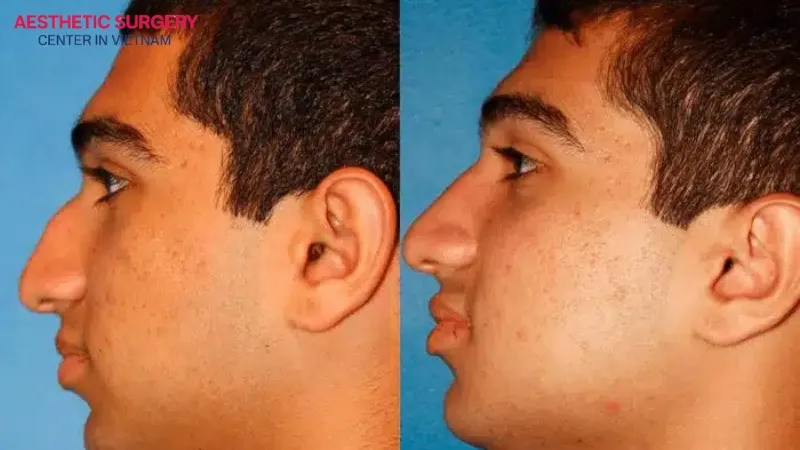
A droopy nose tip (also known as a hanging tip) is a condition where the tip of the nose points downward, making the overall nose look less refined. In some cases, the nose may appear hook-shaped when viewed from the side.
This condition not only affects facial aesthetics but can also create a heavy and unbalanced appearance. In more severe cases, a drooping tip may narrow the airway and make breathing more difficult.
Normally, a balanced nose has a slightly lifted tip, helping the face look more proportionate, fresh, and natural.
Who are ideal candidates for this procedure?
Droopy nose rhinoplasty is typically suitable for the following cases:
- Individuals whose nasal tip points downward at rest or when smiling
- A nose that appears longer and unbalanced due to a drooping tip
- Individuals dissatisfied with their current nose shape (large, crooked, humped, or not harmonious with the face)
- Individuals with breathing difficulties caused by nasal structure (such as a deviated septum or narrow airway)
- Those who want a long-term improvement rather than a temporary solution
In addition, to ensure safety and good results, you should also:
- Be in good health, with no serious medical conditions that affect surgery
- Have a fully developed facial structure (usually from 17–18 years old and above)
- Have realistic expectations, understanding the goal is improvement, not “perfect results”
- Make the decision based on personal choice, with a stable mindset
You should consult a doctor to have your nose carefully evaluated and determine whether this procedure is suitable for you.
How does rhinoplasty correct a droopy nasal tip?
According to PubMed Central (PMC), rhinoplasty improves a droopy nasal tip by reshaping and strengthening the support of the nasal tip cartilage, helping lift the tip to a more balanced and natural position.
- Increase support: In some cases, the surgeon uses cartilage grafts to reinforce the nasal tip structure and prevent it from drooping again over time.
- Adjust tip position: The surgeon modifies the angle and projection of the nasal tip to create a higher and more harmonious appearance.
- Correct imbalances: If needed, the surgeon may also adjust the nasal bridge or nostrils to achieve a more balanced and aesthetic overall result.
Techniques and benefits
Droopy nose rhinoplasty is not a one-size-fits-all procedure. The surgeon will evaluate the specific cause and choose the appropriate approach, rather than simply “lifting the tip.”
Today, the most effective and long-lasting method is rebuilding the support structure of the nasal tip. The procedure is usually performed using an open technique, allowing the surgeon to clearly see the internal structure for precise correction.
The procedure typically includes the following main steps:
- Step 1 – Release the downward pull: If an overly long septum pulls the tip downward, the surgeon adjusts it to reduce pressure. After this step, the tip may naturally lift slightly.
- Step 2 – Build a new support structure: The surgeon uses autologous cartilage (usually from the septum or rib) to create a strong internal support that maintains the shape.
- Step 3 – Reshape the nasal tip: The tip cartilage is adjusted and secured to the new support, allowing precise control of tip rotation and size, creating a natural and balanced look.
- Step 4 – Adjust the muscle that pulls the tip when smiling (if needed): For patients whose tip droops when smiling, the surgeon modifies this muscle to maintain a more stable shape during facial expressions.
Benefits of droopy nose rhinoplasty:
- Improves facial balance: Lifting the nasal tip creates a more harmonious and attractive overall appearance.
- Creates a more youthful nose: The lifted tip gives the face a lighter and fresher look.
- Boosts confidence: A more balanced nose can help you feel more confident in daily interactions.
- Supports better breathing: In some cases, lifting the nasal tip can help improve airflow and reduce breathing difficulty.
The cost of drooping nasal tip treatment
According to Medical Tourism, the cost of droopy nose rhinoplasty in Vietnam typically ranges from $500 to $3,600 (approximately 13,000,000 to 95,000,000 VND), depending on the method and complexity of the procedure. Meanwhile, the same service in the US may cost around $6,500 (about 172,000,000 VND).
These costs usually include basic items such as initial consultation, surgeon fees, anesthesia, operating room, and equipment. They also cover medications, surgical materials, and early post-operative care. However, some additional services or specialized follow-up visits may be charged separately depending on the clinic or hospital.
Overall, having droopy nose rhinoplasty in Vietnam can help you save about $2,900 to $6,000 (approximately 76,000,000 to 157,000,000 VND). Costs in Vietnam are only about one-half to one-fifth of those in the US, making it a more cost-effective option while still maintaining quality.
Risks and complications
Here are some risks and complications you should be aware of before undergoing droopy nose rhinoplasty:
- Swelling, bruising, and mild numbness: These are common after surgery and may include tingling sensations, but they usually improve over time.
- Mild bleeding: Light bleeding may occur in the first few days after surgery, but it is usually not serious and resolves on its own.
- Slow healing or scarring: Some cases may heal more slowly or develop more noticeable scars.
- Changes in sensation or smell: You may experience temporary numbness or reduced sense of smell, which usually returns to normal over time.
- Breathing difficulty: If the nasal structure is not properly adjusted, you may feel congestion or have difficulty breathing.
- Issues with graft materials: Cartilage or implants may shift, move, or become visible, requiring correction.
- Unsatisfactory results: The final nose shape may not meet expectations, and some cases may need revision rhinoplasty.
Recovering from the treatment
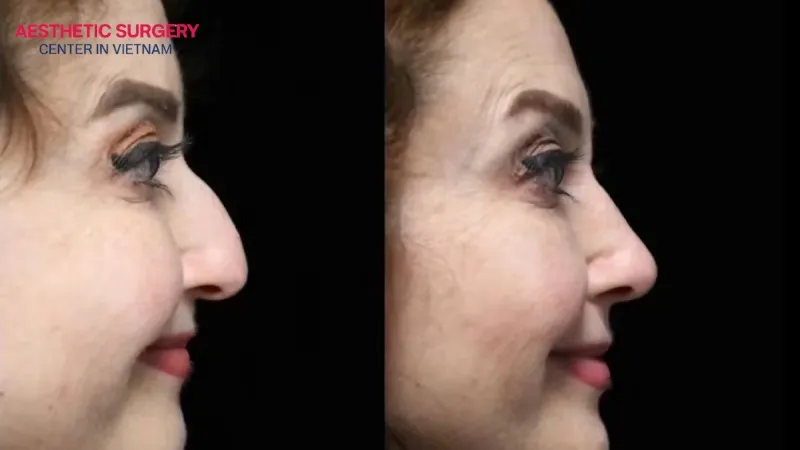
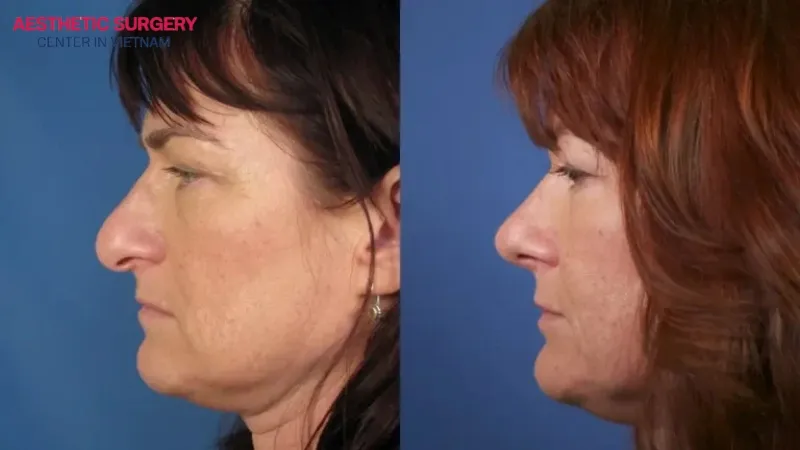
After droopy nose rhinoplasty, you will need to wear a nasal splint for about 5–7 days to maintain the shape and protect the nose. Once the splint is removed, you can immediately notice a lifted nasal tip and a visible change in shape.
During the first few weeks, swelling and bruising (which may slightly spread around the eyes) are completely normal and will gradually subside over time. However, the nasal tip is usually the slowest area to heal, so it may take a few months for the nose to become softer and more natural. The final shape typically stabilizes after about 6–12 months.
During recovery, you should get enough rest, avoid strenuous activities, and follow your doctor’s instructions to reduce risks. Attending follow-up appointments on schedule is also important so your doctor can monitor healing and address any issues early.
Once fully healed, your nose will appear more balanced with your face, more natural, and in some cases, breathing may also improve.
Droopy nose rhinoplasty address in Vietnam
If you have a droopy, short, upturned, or under-projected nasal tip that makes your nose look unbalanced, structural rhinoplasty is an effective solution to improve both shape and overall harmony.
In Vietnam, Aesthetic Surgery Center in Vietnam is one of the most chosen destinations for correcting a droopy nasal tip.
Key advantages:
- Advanced structural rhinoplasty technique: Combines autologous cartilage and premium materials to support, lengthen the nasal tip, refine the tip, and create a natural S-line shape while minimizing implant visibility or long-term deformities.
- Experienced surgeons: The medical team is well-trained and has performed many rhinoplasty procedures, from basic to complex cases.
- Modern facilities: Sterile operating rooms, imported equipment, and 3D simulation technology help visualize results before surgery.
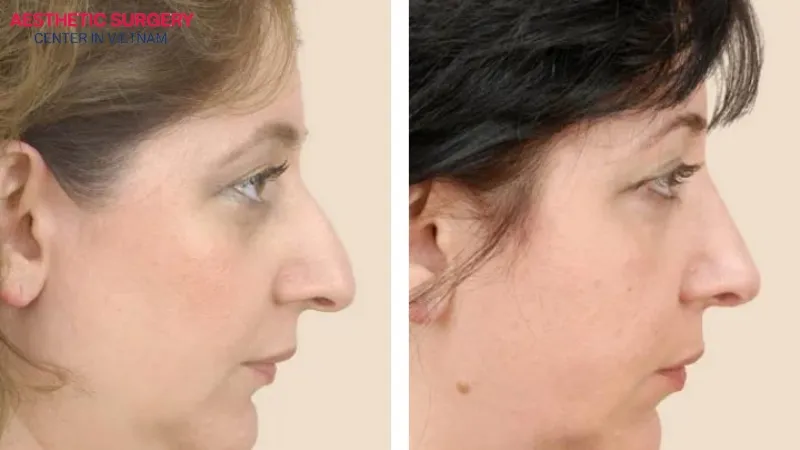
- Clear real results: Many cases of droopy nasal tips have been significantly improved, with more balanced and natural-looking outcomes.
Droopy nose rhinoplasty not only enhances aesthetics but can also support breathing function when performed correctly. If you are looking for a reputable, safe, and personalized clinic, Aesthetic Surgery Center in Vietnam is a reliable choice. Contact the hotline (+84) 911 582 499 for detailed consultation and the most suitable treatment plan.


















Comment on the post