


The feeling of nasal congestion and difficulty breathing after a nose job is undoubtedly one of the most difficult tests of patience that anyone undergoing the procedure must endure. You want to get rid of all the mucus immediately, but you fear damaging the nose shape that you have invested so much time and money to achieve. Don’t worry! Refer to this article to find out: When can I blow my nose after rhinoplasty?
When is it safe to blow my nose following surgery?
After rhinoplasty, controlling the urge to blow your nose is extremely important to protect your aesthetic results. Generally, you strictly must not blow your nose for at least the first 3 to 4 weeks. During this phase, the cartilage structure and soft tissues are in the process of bonding; creating strong internal pressure can lead to serious risks such as shifting the nose shape, popping sutures, or causing hemorrhage (bleeding). After about 1 month, when the wounds have healed and the nose shape begins to stabilize, you can blow your nose very gently.

However, to ensure absolute safety and allow the internal structures to fully mature, experts often recommend waiting 2 to 3 months before applying any strong force to the nasal area. In the meantime, if you feel itchy or congested due to mucus, use saline drops to clean the area and a cotton swab to gently dab instead of blowing hard.
What are the risks of blowing your nose after surgery?
Blowing your nose too early or too hard after a nose job not only causes pain but also poses many serious risks to the final aesthetic outcome. Here are the main risks you should be aware of:
- Nasal displacement: This is the most common risk. When you blow your nose, you create immense internal pressure. Since the graft (artificial or autologous cartilage) has not yet firmly attached to the bone and tissue, this pressure can shift the cartilage, leading to a crooked bridge or a deviated tip.
- Bleeding and hemorrhage: The blood vessels inside the nasal cavity are still healing. Blowing hard can rupture these capillaries, leading to nosebleeds or prolonged rhinoplasty bruising, which slows down the recovery process.
- Suture rupture and open wounds: The pressure from blowing can stretch the skin and tissue, putting stress on the aesthetic sutures. In worst-case scenarios, this can pop the stitches, leaving the wound open and prone to scarring.
- Infection: When blowing your nose, bacteria from the mucus can be pushed deep into the sinuses or into the area where the implant is placed. If the internal environment is not well-sanitized, the risk of infection and implant rejection increases.
- Increased swelling: Constant force on the injured nasal area irritates the soft tissues, making the rhinoplasty swelling stages worse and prolonging the time it takes for the nose to “settle” into its final shape.
- Impact on sinus structure: Post-surgery, the nasal mucosa is very sensitive. Blowing hard can cause severe irritation, leading to allergic rhinitis or acute post-operative sinusitis.
What happens if I accidentally blow my nose?
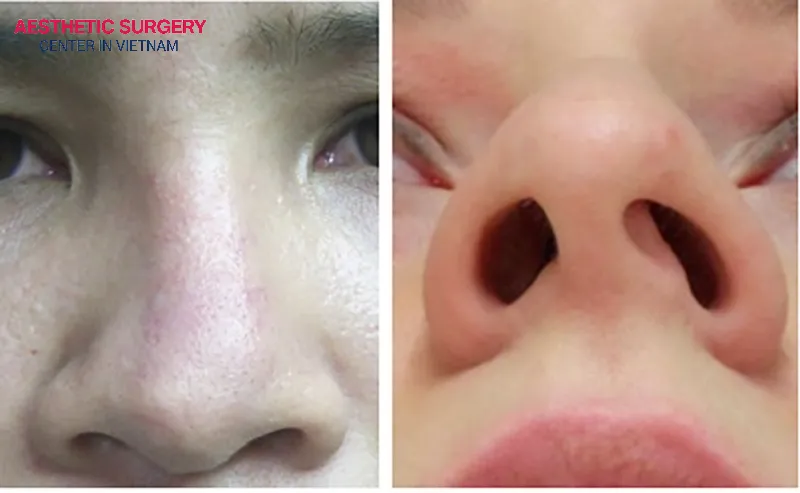
If you accidentally blow your nose a few times due to natural reflexes (like sneezing or forgetting), it usually does not cause immediate consequences if the force wasn’t too strong. However, depending on the severity and timing, you might face:
- Immediate sharp pain: Sudden air pressure causes stinging pain in the tender tissues.
- Bleeding or pink discharge: Ruptured capillaries may cause a small amount of fresh blood or pink fluid.
- Increased swelling: This irritates soft tissues, potentially causing more swelling the next day.
- Risk of cartilage shifting: If blown very hard in the first week, the un-fixed cartilage may wobble.
Are there any safe methods to relieve nasal congestion after rhinoplasty?
To alleviate discomfort and congestion during the postoperative period without affecting the shape of your nose, you can apply the following safe and medically standard methods:
- Use saline drops or a gentle mist spray: This is the safest way to soften blood clots and dried mucus inside the nasal cavity. You should apply 2–3 drops of physiological saline (NaCl 0.9%) into each nostril, wait a few minutes for the mucus to dissolve, then use a clean cotton swab to gently dab the nasal entrance. Note: Choose an ultra-fine mist spray to avoid sudden strong pressure on the sensitive nasal mucosa.
- Elevate your head while sleeping: Maintaining a sleep after rhinoplasty position with your head higher than your heart (about 30–45 degrees) by using 2–3 pillows is a highly effective physical solution. This position enhances fluid drainage and reduces blood pressure in the head and nose area, significantly decreasing swelling and congestion at night. This also helps you breathe easier without having to force a blow or sniff.
- Use a humidifier in the room: Excessively dry air, especially in air-conditioned rooms, causes nasal secretions to thicken and form hard crusts, leading to stinging pain and difficulty breathing. Using a misting fan or humidifier maintains ideal humidity, keeps the nasal mucosa moist, and helps mucus drain naturally. This minimizes the urge to blow your nose or touch it.
- Stay hydrated and maintain proper nutrition: Providing enough water for the body is a natural way to thin mucus from the inside, making nasal cleaning more convenient. Additionally, avoid irritants or foods that increase mucus secretion, such as sticky rice or spicy foods. Supplementing with Vitamin C from fruits helps strengthen the resistance of the nasal mucosa, speeds up wound healing, and reduces discomfort from mild postoperative rhinitis.
- Facial steam with warm water: You can sit in a bathroom with warm steam or place a bowl of warm water in front of you to let the steam rise naturally (avoid high temperatures that could burn the skin or dissolve sutures). Gentle warmth helps dilate capillaries and thin mucus effectively, clearing the airways without external force. However, ensure that the heat does not directly contact the surgical area too closely.

How to clean your nose during recovery after rhinoplasty?
External cleaning
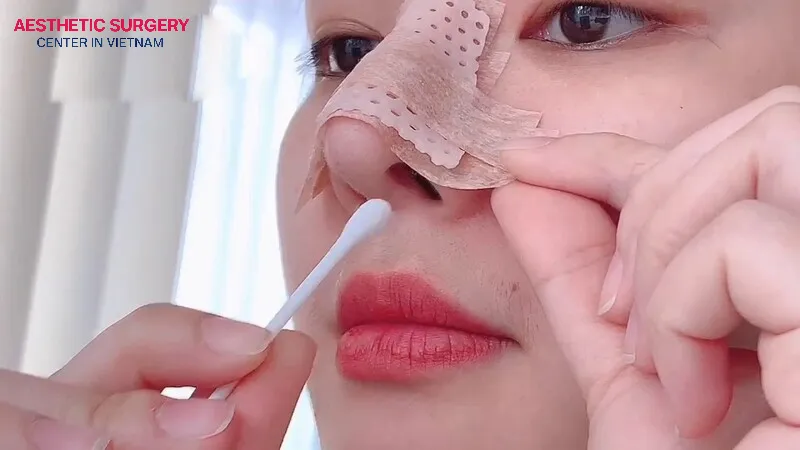
For the external skin of the nose and the suture lines, you must perform cleaning extremely gently to avoid shifting the nasal shape. Use a cotton swab or clean gauze soaked in saline to lightly wipe around the alar (nostrils), the tip of the nose, and the incision sites. Note: Do not rub harshly or use regular face towels, as fibers may get caught in the sutures. After cleaning with saline, you can apply a thin layer of antibiotic ointment as prescribed by your doctor to keep the wound moist and prevent bacterial invasion, facilitating smoother skin regeneration.
Internal cleaning
Cleaning inside the nasal cavity requires maximum caution to avoid touching the newly placed cartilage structure. Instead of using fingers or hard tools, drop 2–3 drops of saline into each nostril to soften dried blood crusts and trapped mucus. Once the mucus has softened, use a small, clean, saline-moistened cotton swab and gently insert it into the edge of the nostril to absorb impurities. Strictly avoid deep probing or pushing hard against the nasal septum, as this area needs absolute stability to settle into its best form.
Managing nasal congestion after rhinoplasty
Nasal congestion is a common condition caused by mucosal swelling and mucus buildup, but you must absolutely not blow your nose to relieve this feeling. The safest approach is to combine regular saline drops to thin the mucus and maintain an elevated head position while lying down. Keeping the head higher than the heart not only reduces blood pressure in the nose but also supports natural fluid drainage, making the airways clearer. If congestion causes difficulty sleeping, use a humidifier to prevent dry mucosa and drink plenty of warm water to help the body purify and effectively thin out phlegm and mucus.
After reading this article, you have surely found the answer to the question, “When can I blow my nose after rhinoplasty?” As you can see, being patient and strictly following the instructions regarding the appropriate time to blow your nose is vital to achieving a lasting and beautiful nose shape. Remember that the first 1 to 2 months is the golden period for the nasal structure to stabilize. Therefore, instead of being impatient to blow your nose, prioritize gentle cleaning with physiological saline. If you notice any abnormal signs, such as persistent pain or a deviated nose shape, contact your specialist immediately for a timely examination and treatment.

















Comment on the post