



Can botox cause headaches? While popular for its powerful anti-aging effects, side effects remain a consideration for many patients. Understanding them not only eases concerns but also helps optimize cosmetic results. Let’s explore the scientific aspects to get the most accurate answers.
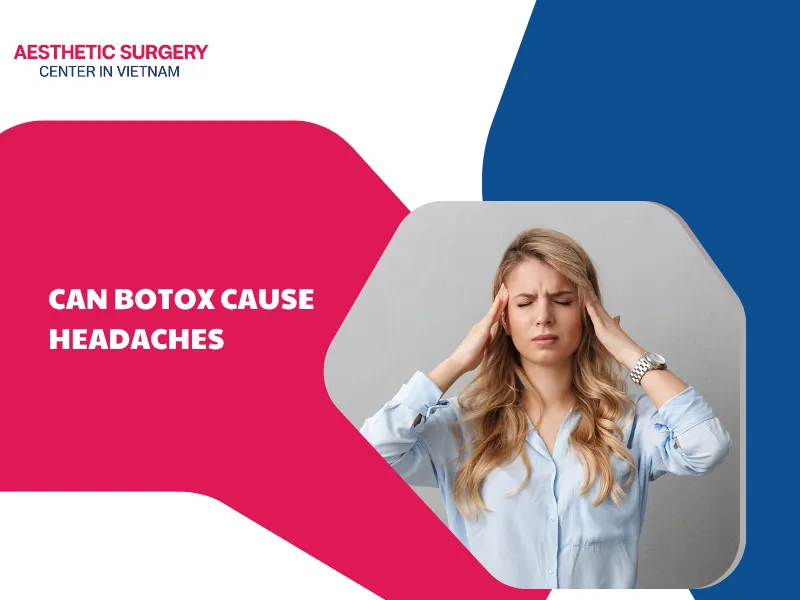
Can botox cause headaches?
Botox is not known to cause chronic headaches and is FDA-approved for migraine treatment. However, clinical experience shows that a small percentage of patients may experience mild headaches after injection. This usually results from temporary muscle reactions in the face or pressure from the needle at the injection site. These mild headaches typically resolve on their own within a few days.
Causes of headaches after botox?
Identifying the cause helps you manage post-procedure care more effectively. Here are the most common reasons for headaches following botox injections:
- Temporary muscle contractions: As botulinum toxin begins to take effect, facial muscle groups may contract slightly, putting pressure on surrounding tissues and causing headaches.
- Physical irritation from the needle: Injections create tiny micro-injuries in the skin and soft tissue, temporarily stimulating sensory nerves.
- Injection technique and dosage: If the doctor injects too shallow, too deep, or uses an inappropriate dose, the muscles may feel tense or sore.
- Psychological factors and stress: Excessive anxiety before or during the procedure can trigger tension-type headaches.
How long botox headaches may last?
Typically, headaches after botox appear for a short period, usually within the first 24 to 48 hours. These symptoms often resolve on their own without significant medical intervention.
However, in sensitive cases, headaches can last up to two weeks. If the pain persists beyond this period, you should contact a specialist.
How to manage headaches with botox?
To relieve headaches after botox, you can try gentle at-home methods. Here are specific tips to help you feel comfortable again:
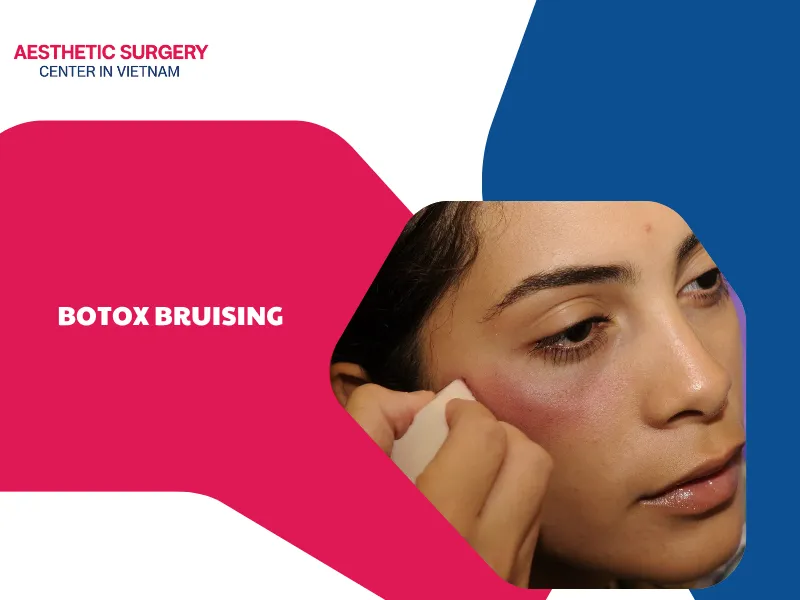
- Use over-the-counter pain relievers: Medications containing paracetamol can quickly ease the pain. Avoid aspirin or ibuprofen, as they may increase bruising at the injection site.
- Apply cold compresses: Gently place a cool pack on the forehead or injection points. Low temperature helps constrict blood vessels and reduce post-procedure swelling.
- Rest and avoid strenuous activity: Take time to relax in a quiet, dim environment. Avoid high-intensity exercise within the first 24 hours to prevent diffusion of the toxin.
- Stay hydrated: Drinking plenty of water helps flush the body, reduce fatigue, and supports recovery of soft tissues.

Does insurance cover botox for migraines?
Health insurance providers—especially premium or international plans—often cover botox if it is medically prescribed for chronic migraines. However, strict eligibility criteria must be met.
How to qualify for botox for migraines?
To qualify for botox as a medical treatment for migraines, you must meet strict standards recognized by the FDA and medical organizations. The approval process typically includes:
- Frequency of headaches: You must show that you experience headaches at least 15 days per month, with at least 8 days being migraines, lasting for over 3 months.
- Failure of oral medications: You have tried at least 2–3 traditional preventive medications without success or experienced botox side effects.
- Specialist recommendation: You must have medical records and a direct prescription from a neurologist.
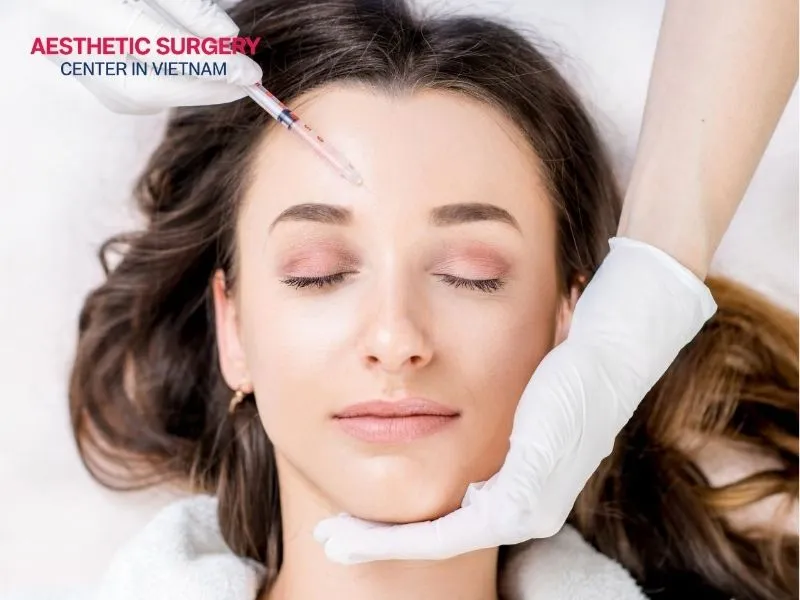
Where is botox injected to treat migraines?
To treat migraines, botox is injected at 31 specific points across 7 muscle areas in the head and neck. These sites include the forehead, both temples, the back of the head, and the upper neck and shoulders. Even distribution of the toxin at these points helps block pain signals from reaching the brain effectively. Treatments are typically repeated every 12 weeks to maintain stable results.
When to see a doctor for botox reactions?
Although most reactions after botox injections are mild and self-resolving, you should pay attention to warning signs and contact a specialist or nearby medical facility if you experience:
- Vision and muscle disorders: Blurred vision, severe droopy eye after botox, or difficulty moving facial muscles near the injection site.
- Respiratory and swallowing reactions: Trouble breathing, hoarseness, or difficulty swallowing food or liquids after the procedure.
- Acute allergic symptoms: Severe itching, rash, or unusual swelling of the face, lips, or throat.
- Prolonged headaches: Headaches that persist beyond two weeks or increase in intensity despite pain medication.
- Infection at Injection sites: Treated skin showing pus, redness, warmth, or accompanied by high fever.
In summary, the question of whether can botox cause headaches has been answered. Although the likelihood of this side effect is very low, understanding the causes and management strategies helps you stay prepared during your beauty journey. Always prioritize reputable clinics and highly skilled doctors to minimize the risk of complications.














Comment on the post