



Botox injections are often the ideal choice for those seeking quick, minimally invasive rejuvenation with little downtime. However, like any cosmetic procedure, Botox can still cause some reactions after treatment. Understanding botox side effects in this article will help you recognize common versus rare signs and know when timely intervention is needed.
Common botox side effects
After injection, the body may show some mild reactions as Botox begins to take effect. Here are common signs that usually disappear within a few days, so you don’t need to worry:
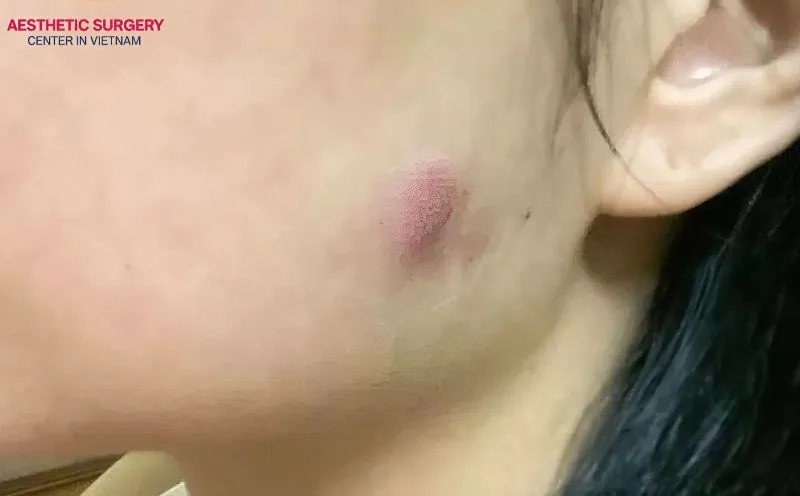
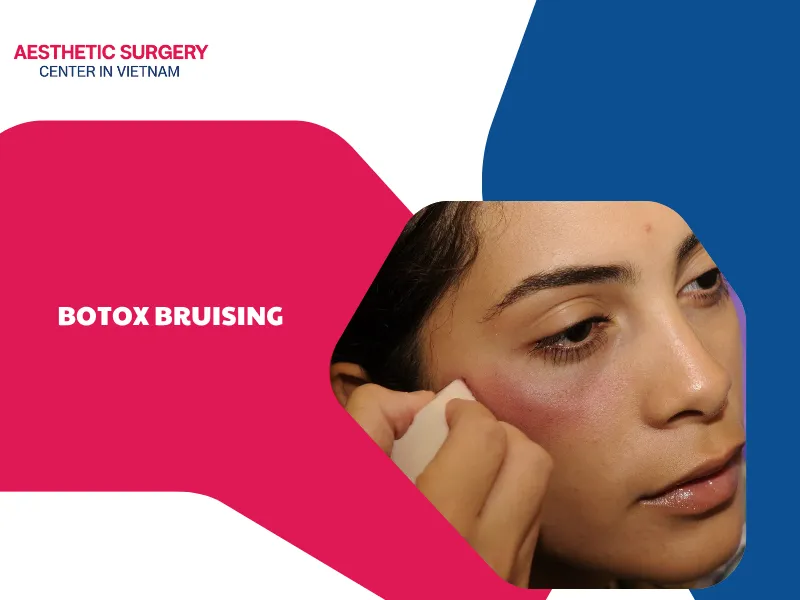
Bruising
Bruising after Botox injections often occurs when the needle accidentally touches small blood vessels under the skin, causing some blood to leak and pool. This is completely normal, especially in thin-skinned areas like around the eyes or forehead.
You don’t need to worry, as it typically fades within 3–7 days and does not affect the results of your Botox treatment.
Swelling and redness
Right after a Botox injection, you may notice mild swelling or slight redness at the treated area. This is a natural inflammatory response of the body to the injection. Sensitive skin or injections into looser tissue can cause the product to spread slightly, leading to mild swelling.
Usually, this subsides within a few hours to 1–2 days and is not dangerous. To ease discomfort during recovery, you can gently apply a soft cloth-wrapped ice pack around the treated area.
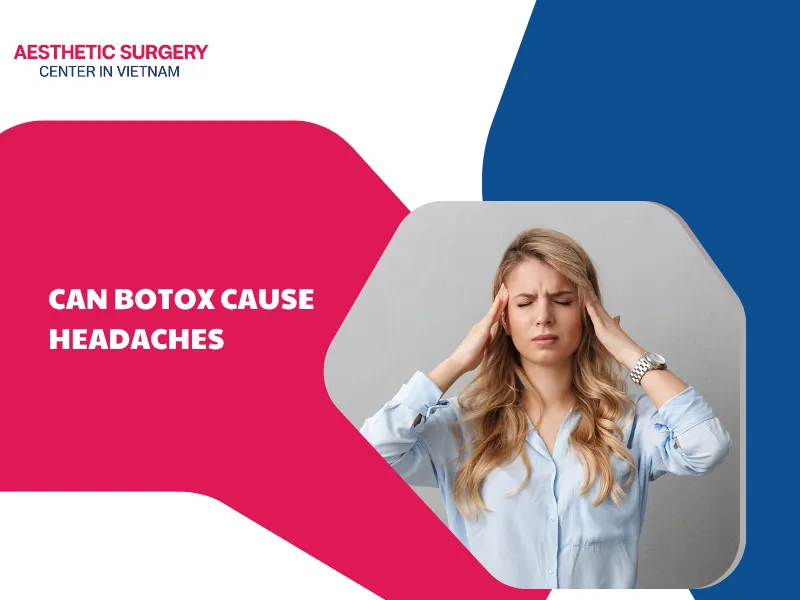
Headache
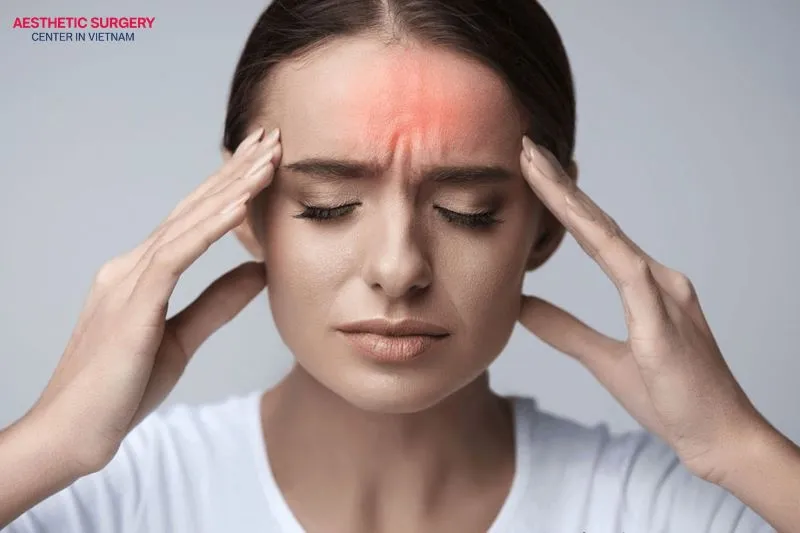
Headaches can occur as a side effect of Botox or temple filler injections, especially in areas like the forehead, between the eyebrows, or the temples. Some people may unconsciously tense facial muscles or hold their breath during the injection, causing tension in the forehead and temple regions, which leads to a headache right after the procedure.
However, this usually lasts only a few hours, is generally mild, and rarely affects daily activities, gradually easing as the muscles adjust. This is frequently reported in botox for women. Some people may unconsciously tense their facial muscles during a Botox injection, causing a headache immediately afterward.
Drooping eyelids (ptosis)
Eyelid drooping is a common concern for some patients after injections. If too much product is administered, it can spread to the muscles that lift the eyelids, temporarily affecting their function. This complication, often referred to as a droopy eye after botox, can create a heavy feeling or make it difficult to open the eyes fully, impacting both aesthetics and comfort.
This usually happens when injections are placed too close to the eyes, the eyelid muscles are sensitive, or the patient massages the area immediately after injection, causing the Botox to move from its intended position.
Nausea
Nausea can occur as a Botox side effect during the first 1–2 days after injection. This is usually the body’s reaction to Botox in the tissues, similar to how some people respond to vaccines.
It is more likely in individuals with sensitive constitutions, or who are tense or anxious during the procedure. Typically, this feeling subsides quickly with rest, adequate hydration, and light meals.

Rare Botox Side Effects
Although most patients only experience mild reactions such as swelling, redness, or bruising, Botox can occasionally cause rare side effects if the body is highly sensitive or if the injection technique is incorrect. Here are some uncommon cases you should be aware of, so you can recognize them early and respond promptly if they occur:
Allergic reactions
Allergic reactions to Botox are very rare but possible. This happens when the immune system reacts to an ingredient in Botox, treating it as a foreign substance. This can cause mild burning or tingling sensations.
If the reaction is more severe, such as difficulty breathing, significant swelling at the injection site, or chest tightness, it is a warning sign that requires immediate medical attention to ensure patient safety.
Muscle weakness or paralysis
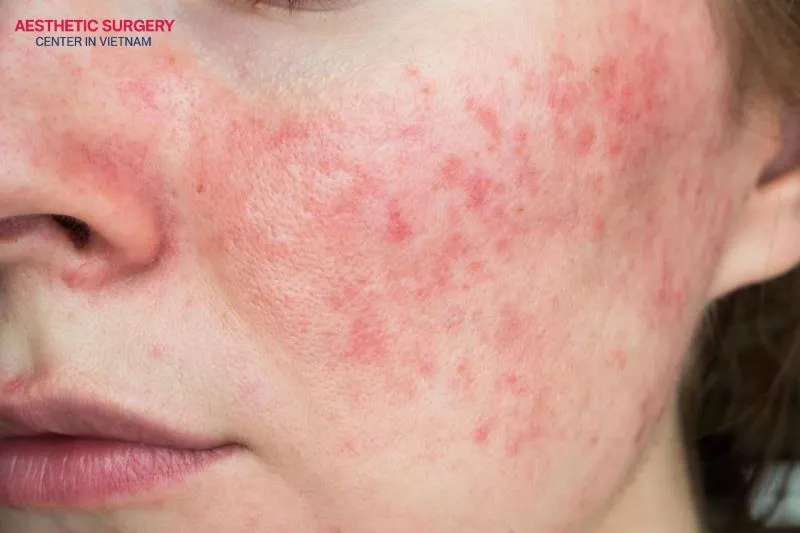
Temporary muscle weakness or paralysis is a Botox side effect that usually occurs when the product spreads to surrounding muscle tissues. Affected muscles may function less effectively, causing weakness and making it difficult to control certain facial expressions, sometimes giving the face a slightly stiff appearance.
This often happens when injections are placed too close to unintended muscle groups or in areas with loose tissue, allowing Botox to spread from its intended location.
Infection
Infection after Botox injections is very rare, especially when the procedure is performed in a sterile environment following proper protocols. However, if tools are not properly sanitized or aftercare is neglected, bacteria can easily enter the treated area.
Signs of infection include unusual swelling, redness, pain, sensitivity, or even pus. If any of these occur, it is important to have a surgeon or clinic examine and treat the area promptly to prevent further complications.
How to Reduce the Risk of Botox Side Effects
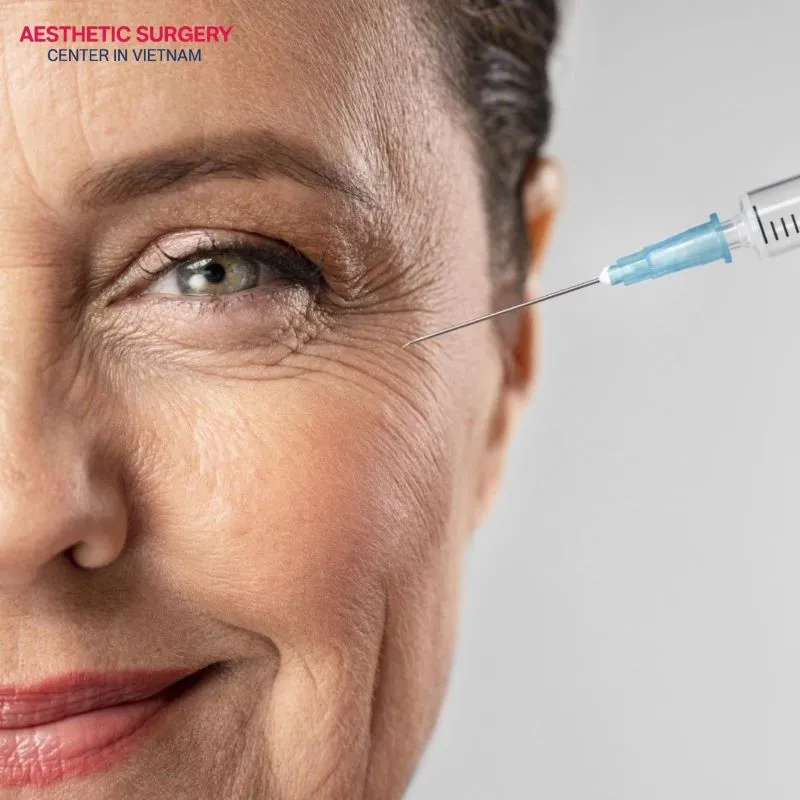
To ensure Botox works as expected and minimize the risk of side effects, here are some important tips:
- Choose a reputable clinic: Opt for a licensed aesthetic clinic with qualified surgeons and standardized medical procedures. Reputable clinics are equipped with modern systems to reduce the risk of product spread, infection, or allergic reactions—an essential consideration for anyone researching botox in Vietnam to ensure safety and optimal results.
- Use genuine products: Using authentic Botox with a clear origin and proper storage ensures purity and safety, preventing unusual swelling, pain, allergic reactions, or inconsistent results.
- Avoid blood-thinning medications and alcohol: Stay away from blood-thinning drugs, foods, and alcohol, as they can increase the risk of bruising and bleeding after Botox injections.
- Do not massage the treated area: After injection, Botox needs time to settle in the correct location. Massaging, rubbing, or pressing the area can cause the product to spread to unintended muscles, leading to eyelid drooping or temporary muscle weakness.
- Follow post-injection instructions: After the procedure, follow the surgeon’s guidance carefully. Rest, stay hydrated, and avoid strenuous exercise to help your body adjust and achieve the best Botox results.
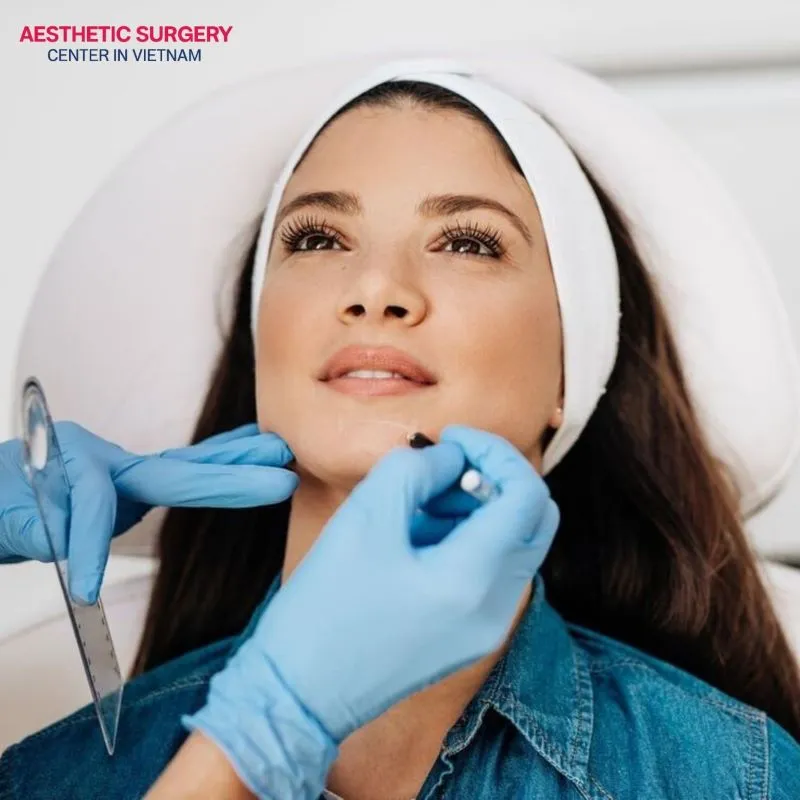
Why choose Aesthetic Surgery Vietnam for your botox treatment?
For Botox treatments in Vietnam, it is essential to go to a reputable clinic to ensure safety and achieve natural results. Aesthetic Surgery Vietnam is an ideal choice for those seeking medical-standard cosmetic services.

Here, the center is trusted by many patients because of:
- Experienced surgeons: The team includes skilled surgeons and experts in aesthetic medicine with deep knowledge of facial structure. This ensures Botox is injected in the correct location and dosage, reducing the risk of unintended spread or unwanted side effects.
- Genuine products: Aesthetic Surgery Vietnam guarantees the use of authentic Botox with verified origin, clear expiration dates, and proper medical-standard storage, giving patients confidence and safety throughout the treatment process.
- Medical-standard procedures: All procedures strictly follow sterile protocols, from preparing tools to performing injections. This minimizes the risk of infection while providing a comfortable experience for every patient.
- Natural results: At Aesthetic Surgery Vietnam, treatments such as botox for wrinkles are performed with a focus on maintaining a balanced and natural-looking appearance. After the procedure, your facial expressions remain flexible and lifelike—never stiff—while wrinkles soften noticeably for a refreshed, youthful look.
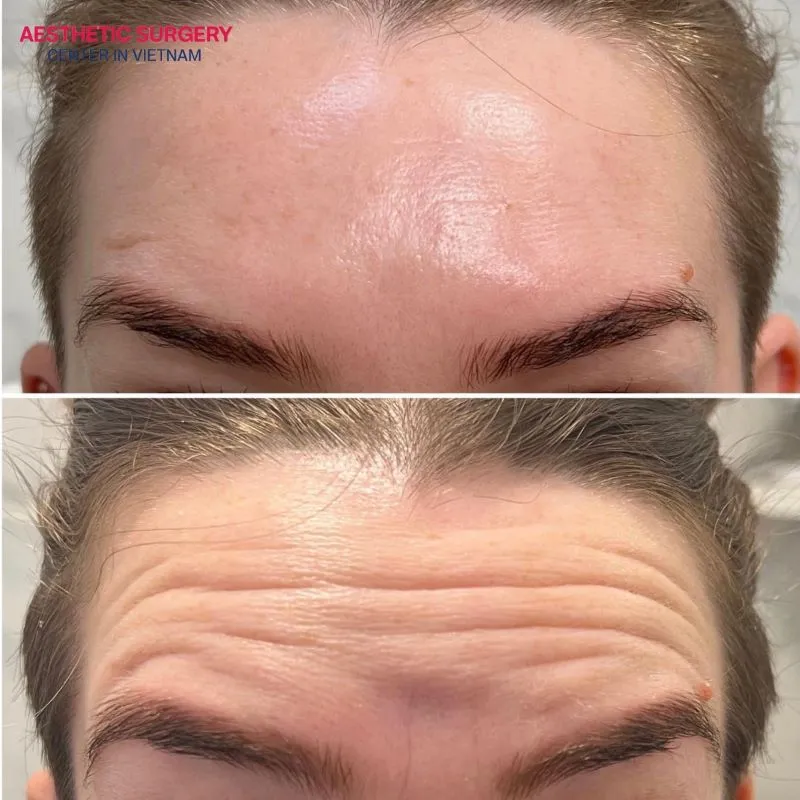
If you are considering Botox, contact our hotline at +84 911 582 499 to receive advice from highly qualified surgeons on the most suitable treatment plan for your condition.
We hope this article has helped you better understand botox side effects, how to recognize them, and ways to prevent and manage them safely. Botox is an effective and quick cosmetic treatment, but it must be performed with the correct technique at a reputable clinic to ensure a youthful appearance while minimizing unwanted risks.
>>> See more: Botox for men











Comment on the post