



Lip filler injection is currently the most popular non-surgical aesthetic treatment, thanks to its ability to shape the lips as desired in just 15 to 30 minutes. Although it is considered a minimally invasive procedure, the lips are a highly sensitive area with a dense concentration of nerve endings. Consequently, many women feel anxious and frequently ask: “Does lip filler hurt?” This question will be addressed in detail below.
Does lip filler hurt? What does the procedure actually feel like?
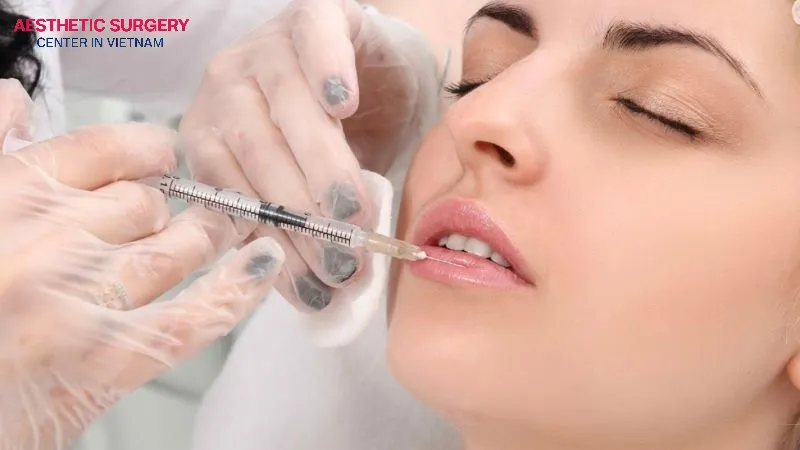
Before the treatment, a specialized numbing cream is applied for about 20 to 30 minutes, temporarily desensitizing the lip area. The actual sensation when the doctor inserts the needle is often described as nothing more than a mild “ant bite” or a tiny, fleeting prick.
Notably, most premium filler brands today are pre-mixed with Lidocaine, a local anesthetic that ensures the injection process is incredibly smooth and comfortable. Once the procedure is over, you might feel a slight tightness or a mild heaviness as your body naturally adjusts to the filler, but this sensation fades quickly leaving you with the plump, soft, and perfect pout you’ve always wanted.
Factors affecting the level of discomfort: Does lip filler hurt?
To ensure a smooth beauty experience and achieve the best aesthetic results, it is essential to understand the following factors that influence whether or not does lip filler hurt:
Injection technique
The injection technique plays a pivotal role in managing a client’s comfort level. Utilizing ultra-fine needles or blunt-tip cannulas helps minimize trauma to tissues and blood vessels, thereby reducing pain and bruising after lip filler. Furthermore, the speed of delivery must be slow and steady; if the injection pressure is too forceful or rapid, the tissues may stretch abruptly, causing immediate soreness and discomfort.
Use of anesthetics
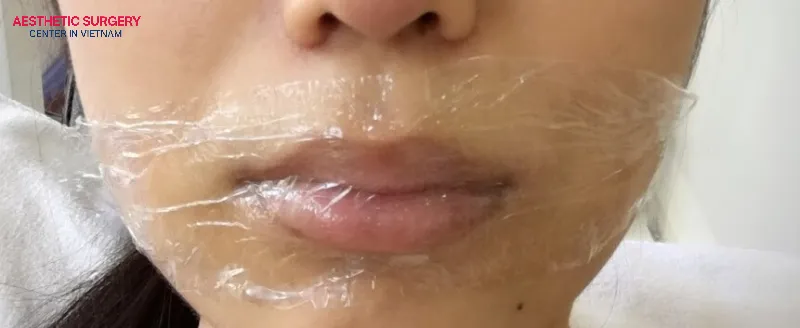
Typically, clients will have a high-concentration topical numbing cream applied for 20–30 minutes to desensitize the sensitive lip area. Additionally, premium fillers often contain Lidocaine (a local anesthetic), which helps clients feel at ease as soon as the product begins to integrate into the tissue. The combination of topical numbing and the anesthetic within the filler itself ensures the procedure is virtually painless.
Individual pain tolerance
Pain threshold is highly subjective and varies significantly from person to person. Some individuals have a high tolerance and may perceive a filler injection as nothing more than a light touch. Conversely, those with a more sensitive constitution may experience discomfort even from the slightest stimulus. Psychological state also plays a crucial role: entering your appointment with a relaxed and trusting mindset helps the body release fewer stress hormones, which can noticeably diminish the sensation of pain.
Lip sensitivity
The lips are among the most sensitive parts of the human body due to a dense concentration of nerve endings and blood vessels. Because the skin on the lips is thin and lacks the sebaceous glands or the thick stratum corneum (outermost layer) found on other areas, any invasive procedure is felt more acutely. This natural sensitivity is why lip filler injections require much more meticulous care and technique compared to areas like the chin or cheeks.
Skill and experience of the injector
The expertise of the doctor or technician accounts for 80% of the overall patient experience. An experienced injector possesses a profound understanding of lip anatomy, knowing exactly how to navigate the needle into the correct skin layer while avoiding sensitive nerves. Precision in every movement and the ability to handle the procedure fluidly help shorten the treatment time and minimize the number of needle pricks, ensuring the patient feels as secure and pain-free as possible.
Which is more painful the upper or lower lip?
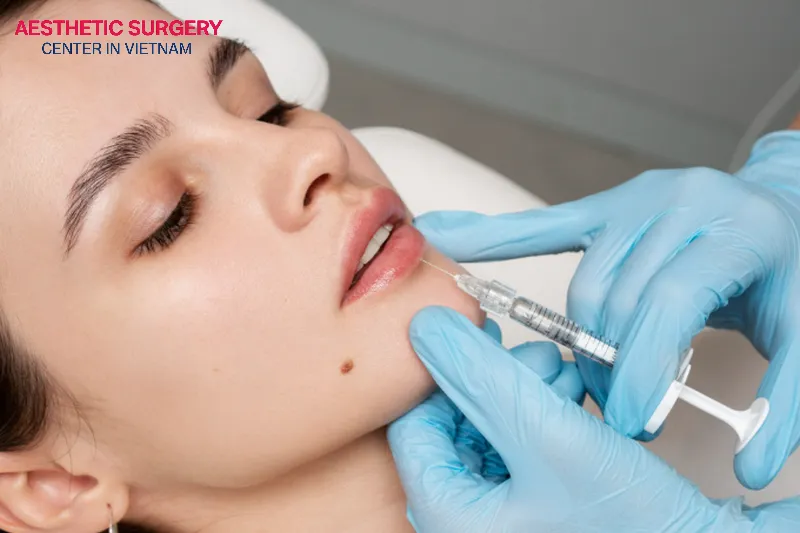
Generally, most clients find filler injections in the upper lip to be more painful and sensitive than the lower lip. The primary reason is that the upper lip has a thinner skin structure and a higher density of sensory nerve endings, particularly around the philtrum (the cupid’s bow area) and the lip border. These areas are extremely sensitive to mechanical impact; therefore, even with topical numbing, the stinging sensation as the needle passes through the upper lip border is often more noticeable.
In contrast, the lower lip has a larger area of soft tissue and fewer concentrated sensitivity points, allowing for a smoother injection process. However, this difference in discomfort is negligible when performed by a highly skilled injector who knows how to control pressure and employ proper injection techniques to minimize discomfort for both lips.
How to reduce pain and discomfort after lip filler injections?
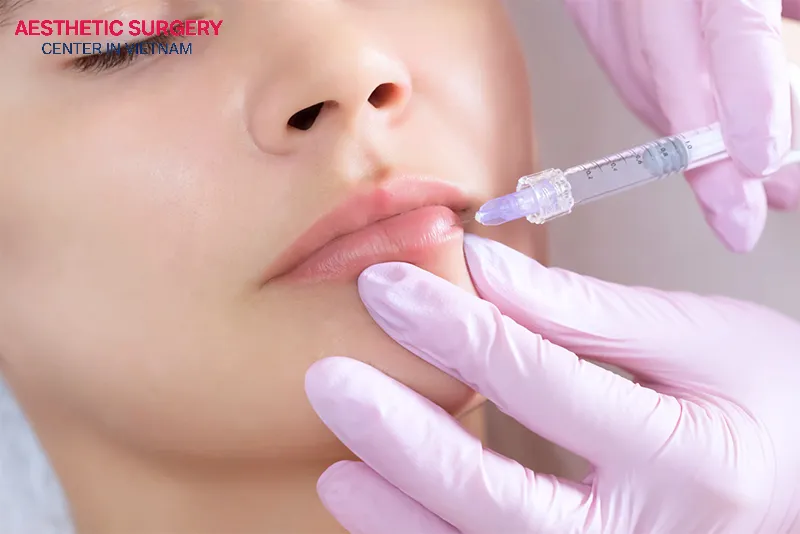
To minimize swelling and soothe any tension after your treatment, you can apply the following scientific dermal fillers aftercare methods:
- Apply cold compresses for the first 24 hours: This is the most effective way to constrict blood vessels, reduce swelling, and provide immediate pain relief. Use a specialized cold pack or wrap ice in a soft towel, applying it gently to the lips for 10–15 minutes at a time. Repeat this several times throughout the first day.
- Stay hydrated and supplement vitamins: Water helps maintain lip hydration, while fruits rich in Vitamin C (such as oranges, pineapples, and grapefruits) support tissue recovery and effectively reduce inflammation.
- Keep your head elevated while sleeping: During the first 1–2 nights, keeping your head positioned higher than your heart helps improve circulation and prevents fluid buildup in the lip area, thereby minimizing morning-after puffiness.
- Avoid thermal and mechanical impacts: You should limit saunas, hot drinks, or spicy foods for at least 3–5 days, as high temperatures can cause filler to break down faster or increase swelling. Additionally, strictly avoid massaging, squeezing, or making forceful lip movements (such as kissing or using hard straws) to prevent shifting the filler.
- Use prescribed medication: If you experience significant aching, you may use pain relievers or anti-swelling medication as prescribed by your doctor. Do not self-medicate with unfamiliar drugs without professional medical advice.
How long will lips be sore after filler injections?
Lip filler swelling stages and discomfort following lip filler injections are typically temporary and will gradually subside according to the body’s natural recovery process. Generally, the healing stages occur as follows:
- During the first 24 hours: This is when the lips are most sensitive. Once the anesthetic wears off, you may feel slight tightness, a dull ache, or minor swelling. This is a completely normal reaction as the body integrates a new substance into the tissue.
- 2 to 3 days later: The soreness will decrease significantly, leaving only a mild tension when you move your lips (such as smiling or eating). Swelling also begins to diminish during this period.
- After 5 to 7 days: Most sensations of pain, tightness, or discomfort will disappear entirely. At this point, the filler has begun to stabilize and integrate into the tissue, making the lips feel softer and more natural.

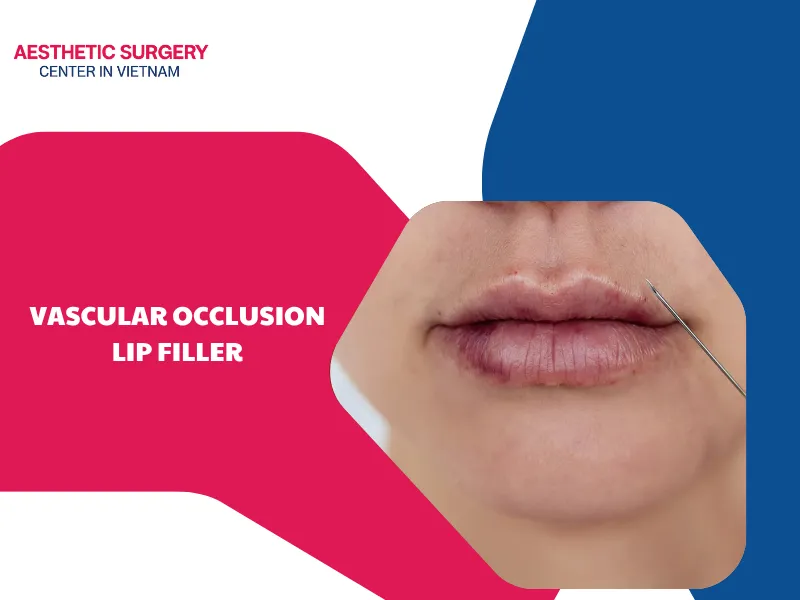
If the pain does not decrease after 3 days or is accompanied by abnormal symptoms such as extensive bruising, the appearance of blisters, skin blanching (turning pale/white) at the injection site, or intense, radiating pain you should contact your doctor immediately. These may be signs of infection or vascular occlusion.
Lip filler aftercare
To help your lips stabilize quickly, achieve the perfect shape, and minimize discomfort, please follow these essential aftercare rules:
- Cold compress: Apply a cold compress during the first 24 hours (10–15 minutes per session) to reduce swelling and bruising.
- Gentle cleansing: Use saline solution and a cotton pad to clean your lips gently; avoid vigorous rubbing.
- Avoid high temperatures: Stay away from saunas, hot baths, or consuming very hot food and drinks for at least one week.
- No lip massage: Avoid squeezing, massaging, sleeping on your face, or kissing for the first 1–2 weeks to prevent shifting the filler.
- Dietary restrictions: Limit foods that cause swelling, such as water spinach, sticky rice, seafood, beef, and stimulants (alcohol, beer, tobacco).
- Minimize intense movement: Avoid using straws, pursing your lips tightly, or applying lipstick too early (it is best to wait 24–48 hours).
- Stay hydrated: Drink plenty of water and eat fruits rich in Vitamin C to accelerate the tissue healing process.
- Follow medication schedule: Take pain relievers or anti-inflammatory medications exactly as prescribed by your doctor (if applicable).”

We hope this article has addressed your concerns regarding whether does lip filler hurt. Beyond the comfort of the procedure, selecting a prestigious aesthetic facility is crucial for a positive experience. Only with expert physicians, professional care, and a standardized medical process can you achieve optimal results and ensure maximum safety from potential complications.














Comment on the post