



Wrinkles around the eyes often appear due to aging, facial expressions, and environmental factors. Botox injections for crow’s feet are a popular cosmetic solution that temporarily smooths these wrinkles, giving your eyes a youthful and radiant appearance.
Common causes of wrinkles around the eyes
Wrinkles at the corners of the eyes, also called crow’s feet, appear both from natural aging and environmental influences. The skin in this area is thin and sensitive, so wrinkles form easily over time.
Main causes include:
- Aging effects: As we get older, the skin loses collagen and elastin, which maintain elasticity. Skin begins to sag, forming fine lines. Slower cell regeneration also makes the skin less resilient to daily facial movements.
- Facial movements: Repetitive actions like squinting, blinking (more than 10,000 times per day), smiling, or rubbing the eyes create temporary wrinkles. Over time, these lines become permanent.
- Sun exposure: UV rays from sunlight can break down collagen, reduce skin firmness, and accelerate wrinkle formation, especially at the eye corners.
- Lifestyle factors and habits: Smoking produces free radicals that damage collagen. Lack of sleep, dehydration, alcohol, sugary foods, or living in a polluted environment also accelerate wrinkle formation. Dry or windy weather can make eye wrinkles appear more pronounced.
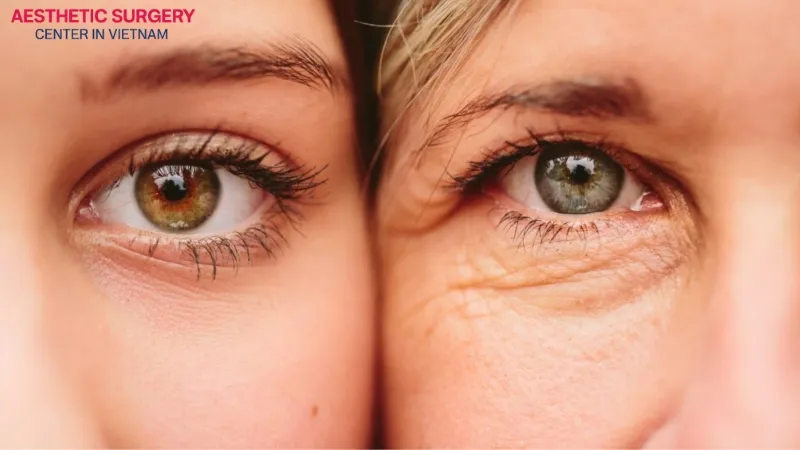
What is botox injection for crow’s feet?
Botox injections for crow’s feet are a popular, FDA-approved cosmetic treatment that temporarily smooths wrinkles at the corners of the eyes. This method uses purified botulinum toxin type A, injected directly into the orbicularis oculi muscle to relax it. When the muscle contracts less, wrinkles caused by repeated facial expressions—such as squinting, smiling, or frowning—are visibly reduced, leaving the eye area smoother and more youthful.
How does botox for eye wrinkles work?
Botox for wrinkles is a treatment that uses botulinum toxin, working by blocking nerve signals that make muscles contract. When injected into the muscles around the eyes, botox temporarily relaxes them, reduces muscle activity, and helps smooth wrinkles.
- Botox injections: This method injects directly into the muscle, reducing contraction and thus softening wrinkles.
- Nerve signals: Botox blocks nerve impulses to the muscle, reducing contractions and preventing new wrinkles from forming.
- Botulinum toxin: This special ingredient in botox is safely processed to effectively smooth wrinkles without causing harm.
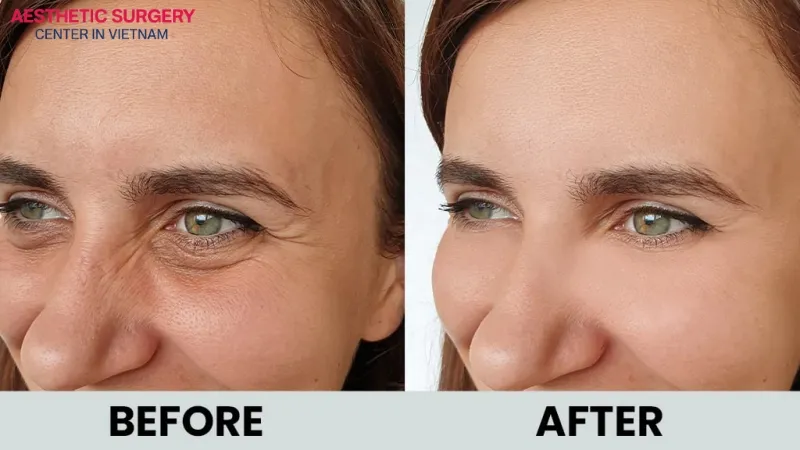
Botox units for crow’s feet
The total botox dose for both eyes usually ranges from 10 to 24 units, with most doctors injecting around 12 units per eye.
Standard dosage:
- The first treatment typically uses 5–15 units per eye (total 10–30 units), depending on muscle strength, wrinkle depth, and desired results.
- The FDA (Food and Drug Administration) allows a total dose of 24 units (12 units per eye).
- For stronger muscles or deeper wrinkles, doctors may inject up to 20 units per eye.
Factors affecting botox dosage for crow’s feet:
- Muscle structure
- Age
- Gender (botox for men often need more)
- Treatment goals
These factors determine the botox dose for crow’s feet. The doctor will adjust the units after examination. Usually, each eye is treated at 3–5 injection points, about 1 cm from the eye contour.
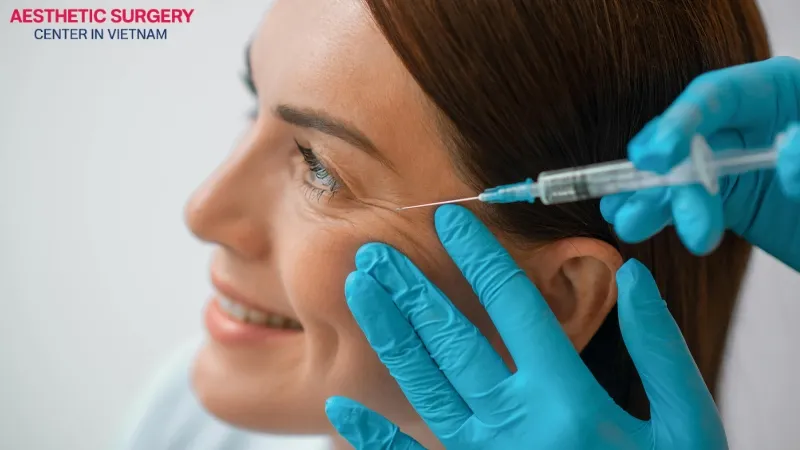
How much does botox injection for crow’s feet cost?
The price per botox unit is usually around $10–$20 (approximately 5–14 million VND). For both eyes, the total dose typically ranges from 10–30 units, meaning the overall cost is about $100–$600 (approximately 3–14 million VND), depending on the number of units needed and the clinic’s price per unit.
The cost of botox for crow’s feet also depends on location, the doctor’s experience, whether the clinic charges per unit or per area, and the total number of units injected. Botox in Vietnam (Ho Chi Minh City), the price can be lower, around 3–8 million VND ($115–$305), saving roughly 50–70% compared to U.S. prices.
Recovery timeline botox for eye wrinkles
Understanding the recovery timeline after botox injections for eye wrinkles helps you anticipate what happens at each stage:
- Immediately after injection: Mild swelling, redness, or small bumps like mosquito bites may appear, usually disappearing within 15–30 minutes. Facial muscles still move normally.
- Days 4–7: Botox starts working; wrinkles soften and results gradually appear. Crow’s feet usually improve earlier than other areas.
- Days 10–14: Maximum effect is reached; wrinkles are clearly reduced while facial expression remains natural. This is when the doctor can check and adjust if necessary.
- Weeks 3–8: Botox effect stabilizes; facial muscles move naturally, and wrinkles stay softened for a longer period.
- Months 3–4: Effect starts to fade; wrinkles gradually reappear. If not retreated, muscles return to their original state, and wrinkles come back to baseline (no worsening).
- Maintenance: Most individuals repeat injections every 3–4 months, while some can extend results to 4–6 months with regular treatment.
Do botox injections help reduce crow’s feet? The answer is yes. Botox can smooth crow’s feet, but the effect needs to be maintained every 3–4 months.
Botox injections effectively reduce crow’s feet, but maintenance every 3–4 months is needed. No downtime is required, so normal activities can resume immediately. For best results, avoid lying down for 3–4 hours post-injection, do not touch or rub the treated area for 24 hours, and avoid alcohol after botox during the first 24 hours.
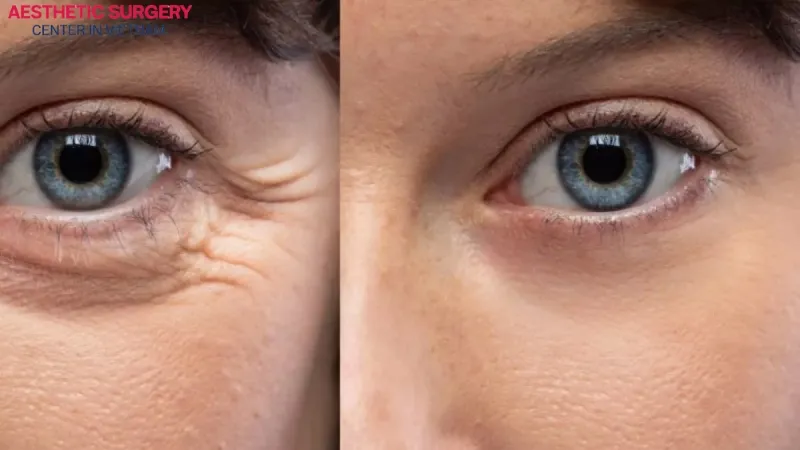
Potential side effects to watch for
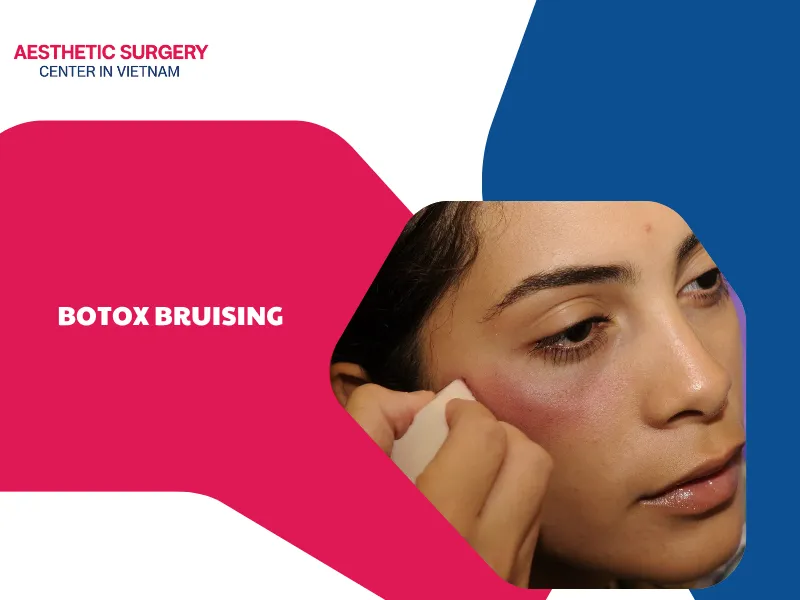
Common reactions after injections around the eyes include swelling, mild discomfort, and slight redness, which are considered typical botox side effects. The eye area has many blood vessels, so bruising is possible. However, these are normal responses after an injection and usually disappear on their own within a few days without medication or further treatment. For sensitive skin, applying ice to the injection site or taking pain relievers like acetaminophen can help reduce swelling and discomfort.
More serious complications are rare and usually occur when the injector lacks experience. These may include:
- Infection at the injection site
- Excessive bleeding
- Severe headache
- Fainting
- Uneven facial expressions
- Life-threatening allergic reactions
- Temporary numbness or altered sensation
- Botulinum toxicity
Additional risks specific to the eye area include:
- Drooping of the upper lip if the injection is too low
- Lower eyelid turning outward if the skin is too loose, causing the eyelid not to fit snugly
These serious side effects are very rare and can be avoided by choosing a reputable clinic.
With fast, safe results, botox injections for crow’s feet are an ideal option to reduce wrinkles and keep your eyes looking bright and youthful. Visit Aesthetic Surgery Center in Vietnam and read our other articles for more updates on modern cosmetic treatments.















Comment on the post