



Can you get botox while nursing? Is botox safe while nursing? This is a common question among many modern women who want to quickly regain a radiant appearance after pregnancy. If you have the same concern, let’s explore the answer in the following article.
Can you get botox while nursing? Is it safe?
Botulinum toxin type A in botox has a large molecular weight and usually works only at the injection site. However, the possibility that a small amount could diffuse into the bloodstream and be excreted through breast milk remains a medical hypothesis that requires caution.
Currently, there are no clinical studies that confirm the exact level of risk. Therefore, the absolute safety of botox during breastfeeding for both the mother’s body and breast milk has not been fully determined. For this reason, experts recommend delaying botox injections during this period. Instead, you can consider other safer alternatives.
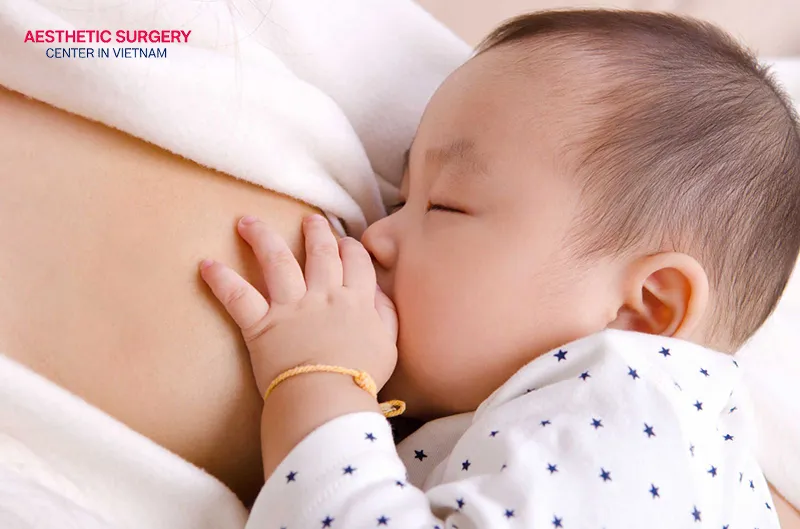
How soon after gving birth can I get botox?
In theory, the mother’s body needs about 6 to 12 weeks for hormone levels to stabilize after childbirth. However, if you are not breastfeeding, you may have this procedure once your health is stable and your doctor allows it.
In contrast, for mothers who are breastfeeding, doctors often recommend waiting until the baby is at least 6 months old. This is when infants begin eating solid foods and are no longer completely dependent on breast milk.
In particular, the safest and most widely recommended time is after you have completely stopped breastfeeding. This helps eliminate any potential risk of Botulinum toxin diffusing into the milk glands.

How botox works and why this matters for breastfeeding?
Botox — or Botulinum toxin type A — works by blocking the release of acetylcholine. This is a neurotransmitter responsible for sending signals from nerves to muscles. When this signal is interrupted, the muscles at the injection site temporarily relax or become paralyzed; this mechanism is what makes botox for wrinkles so effective at helping reduce dynamic facial lines and creases.
This becomes especially important for women who are breastfeeding for two main reasons:
- Local and systemic diffusion: A very small amount of this protein may still enter the bloodstream. For adults, this level is not considered dangerous. However, for infants, even the smallest residue in breast milk remains a medical variable that has not been fully verified.
- The role of acetylcholine: This neurotransmitter not only controls muscle activity but also plays a supporting role in several physiological responses in the body. Interfering with the nervous system through botox while the body is focused on hormone production and nourishing a baby may raise psychological and overall safety concerns for both mother and child.

Can botox affect my breast milk or baby?
The question of whether botox can affect breast milk or a baby remains a debated topic in the medical community due to the lack of clinical trials. However, based on the biological characteristics of this toxin, it can be considered from two main aspects:
The possibility of secretion into breast milk
Botox is a very large protein molecule. In theory, molecules with such a large molecular weight have great difficulty passing through the blood-milk barrier to enter the mammary glands. In addition, botox is injected directly into the muscle and binds tightly to local nerve endings, which means its concentration in the bloodstream after injection is extremely low or undetectable.
Potential effects on the baby
Although the chance of botox entering breast milk is very low, doctors still remain cautious for the following reasons:
- Infant digestive system: Babies, especially those under 6 months old, have an immature digestive system and protective barriers. If an extremely small amount of toxin enters breast milk, the impact on the infant’s developing nervous system is still unknown.
- Risk of toxicity: Although cosmetic botox is different from bacteria that cause food poisoning, introducing a neurotoxin into the mother’s body during this sensitive period still comes with the recommendation of “prevention is better than cure.”
So far, there have been no reports of babies being affected because their mothers received botox injections. However, since the baby’s health is the top priority, most aesthetic experts recommend waiting until the breastfeeding period has ended.
Is botox safe during pregnancy?
Getting botox injections during pregnancy is currently not recommended by obstetricians and dermatologists. During pregnancy, hormone levels in the mother’s body change significantly, and the skin often becomes more sensitive. Injecting botox at this time may lead to allergic reactions that are difficult to control or results that are not as expected.
In addition, if complications occur during or after the injection, such as infection or botox side effects, treatment with antibiotics or pain relievers can become extremely complicated. This is because pregnant women must limit the use of medications that may affect the fetus.

What other cosmetic procedures should you avoid while breastfeeding?
Besides botox, there are several other cosmetic procedures that breastfeeding mothers should consider postponing, including:
Filler injections
Although Hyaluronic Acid (HA) naturally exists in the body, commercial filler products often contain chemical cross-linking agents and preservatives. Currently, there is not enough research confirming that these ingredients cannot be excreted through breast milk.
High-strength chemical peels
Strong active ingredients such as high-concentration Salicylic Acid (BHA) or TCA can penetrate the skin and enter the bloodstream. In particular, BHA is often recommended to be limited because high absorption may negatively affect infants. Mothers should instead choose gentle AHAs such as Lactic Acid or Glycolic Acid at low concentrations.
Topical and oral retinoid treatments
Although topical retinol has a low absorption rate into the bloodstream, dermatologists usually advise avoiding it completely during pregnancy and breastfeeding. Isotretinoin should absolutely not be used because this ingredient can pass into breast milk and may be dangerous for the baby.
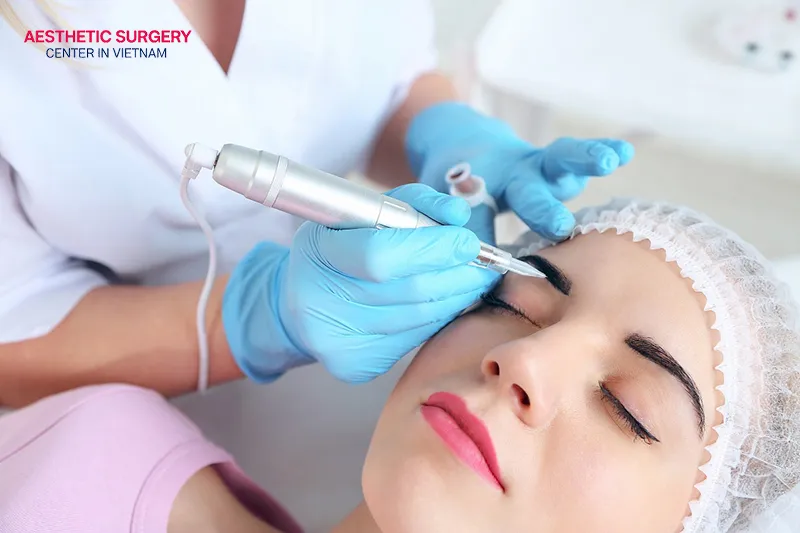
Cosmetic tattooing (eyebrows, lips, eyelids)
Cosmetic tattooing is also not recommended for women after childbirth who are breastfeeding. This beauty procedure carries two major risks: infection and potential exposure to heavy metals from tattoo ink.
If the equipment is not properly sterilized, there is a real risk of transmitting blood-borne diseases such as Hepatitis B, Hepatitis C, or HIV. These bacteria and viruses may directly affect the quality of breast milk. In addition, heavy metal components in low-quality inks may cause allergies or accumulate in the mother’s body.
Invasive cosmetic surgery
Procedures such as breast augmentation, liposuction, or tummy tuck require general anesthesia and high-dose pain medication after surgery. These medications can affect the quality of breast milk and the baby’s health. In addition, recovery after surgery can take a significant amount of energy that the mother needs to care for her child.
Alternatives to botox during breastfeeding
During the breastfeeding period, instead of using invasive treatments, you can prioritize gentle skincare methods that still provide noticeable rejuvenating effects:
- Use medical-grade skincare with natural active ingredients: Replace retinol with Bakuchiol or peptide-based products that help stimulate collagen and relax surface wrinkles safely.
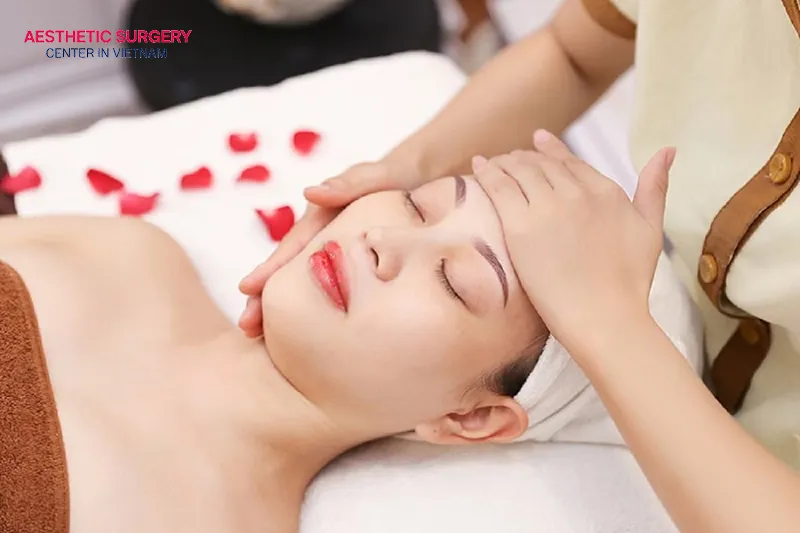
- Massage and physical lifting techniques: Methods such as Gua Sha, facial massage, or Face Yoga can improve blood circulation, reduce eye puffiness, and enhance facial contours.
- Non-invasive high-tech skincare treatments: Procedures such as HydraFacial for deep cleansing or nutrient infusion therapy can provide instant hydration and plump dehydration lines without introducing chemicals into the bloodstream.
- Deep hydration support: Maintaining the skin barrier with high-concentration Hyaluronic Acid combined with a diet rich in antioxidants helps the skin retain elasticity and prevent new wrinkles from forming from within.
Prioritizing these methods not only helps you feel more confident about your appearance but also provides complete peace of mind while breastfeeding.
The answer to the question “Can you get botox while nursing?” is not only about the desire for beauty but also about the responsibility to protect your baby’s health. Although no direct risks have been confirmed, patiently waiting until you finish breastfeeding is the wisest and safest decision. Use this time to try gentle alternative treatments, nourish your skin from within, and fully enjoy the meaningful journey of motherhood.














Comment on the post