



After Rhinoplasty, you may experience mild swelling and discomfort, which can affect your sleep. However, getting enough rest is very important for recovery. So, how to sleep after Rhinoplasty? Let’s find the answer in the following article!
How is rhinoplasty surgery performed?
Rhinoplasty is a cosmetic surgery that improves the shape, size, or function of the nose. It is a popular choice for people who want to correct features such as a low nasal bridge, a bulbous tip, or a hump on the nose. In addition to enhancing facial harmony, Rhinoplasty can also help fix breathing problems caused by structural issues in the nose. In Vietnam, this procedure attracts many international clients thanks to its reasonable rhinoplasty cost, advanced technology, and skilled surgeons.
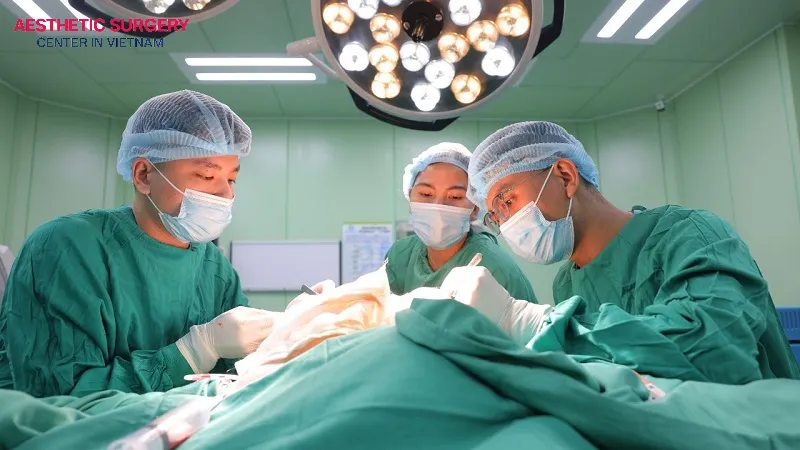
The rhinoplasty procedure usually begins with a consultation with the surgeon to discuss your aesthetic goals. Then, you will receive either general anesthesia or local anesthesia, depending on the complexity of the surgery.
The surgeon may use an open rhinoplasty technique (making a small incision across the columella) or a closed rhinoplasty technique (with incisions inside the nostrils) to access the nasal structure. Next, the bone and cartilage are reshaped to achieve the desired look, using either your own cartilage (from the ear or septum), an implant, or a filler, depending on the method.
Once the new shape is formed, the incisions are closed with fine cosmetic sutures and secured with a splint to protect the nose during early recovery. The entire procedure usually takes about 1 to 3 hours, depending on its complexity.
Is recovery from rhinoplasty surgery painful?
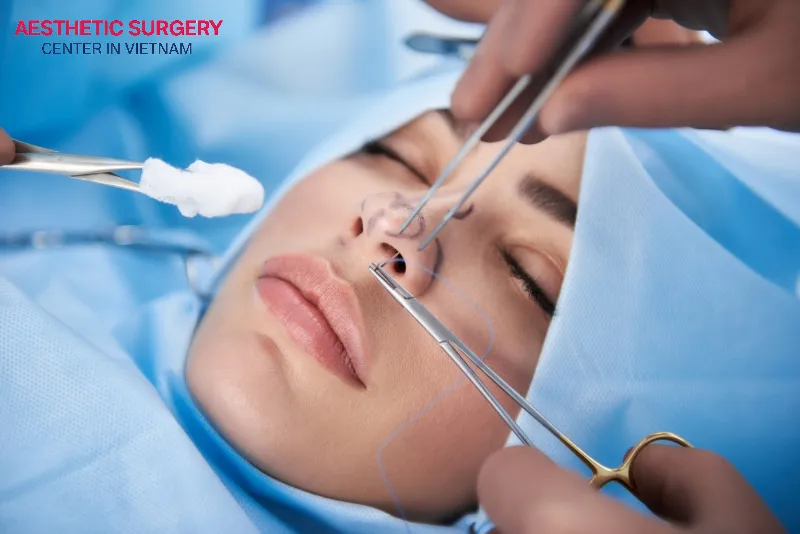
The recovery after Rhinoplasty may cause some discomfort, but it is usually mild and manageable. Right after surgery, you might feel pressure or tightness around your nose and face due to swelling and the effects of the procedure.
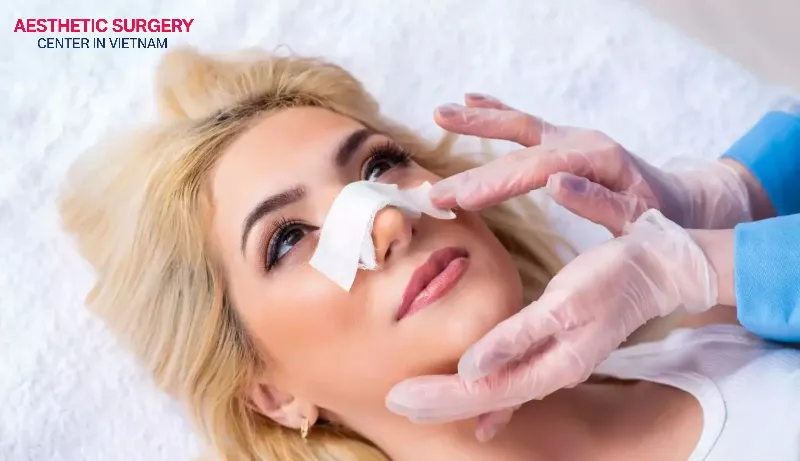
Swelling and bruising around the nose and eyes are common during the first 3–7 days, peaking around day 2–3 and gradually subsiding afterward. To reduce swelling, you can gently apply a cold compress around the nose area and keep your head elevated, especially while sleeping.
This condition will improve significantly after 1–2 weeks when the splint is removed. However, you may still experience slight sensitivity or stiffness around the nose for several weeks or even months, depending on your body and the surgical technique.
In Vietnam, reputable aesthetic clinics provide detailed post-surgery instructions, including how to care for the incision, take medications properly, and attend follow-up appointments to ensure safe healing. Your main task is to follow these guidelines carefully to minimize pain, recover smoothly, and achieve your desired results.
What tips should I follow when sleeping after rhinoplasty?
Sleeping in the right position after nose surgery is very important to support recovery and protect the new shape of your nose. Many people feel uncomfortable and wonder how to sleep properly after Rhinoplasty.
During the first 1–2 weeks, you should sleep on your back with your head elevated about 30–45 degrees above your body. This position helps reduce swelling, improve blood circulation, and minimize pressure on the nose. You can use 2–3 soft pillows to support your head or sleep in a recliner if that feels more comfortable. Avoid sleeping on your side or stomach, as it can cause the nose to shift, swell, or become injured.
To ensure better sleep, keep your bedroom cool, quiet, and clean. If you feel uncomfortable or have nasal congestion, take medications as prescribed by your surgeon to ease pain and improve breathing.
Also, avoid drinking coffee or alcohol before bedtime, as they can affect your sleep quality and slow down the healing process.

When can I resume normal sleep again?
You don’t need to worry too much about how to sleep after Rhinoplasty, as the discomfort usually lasts only about 1 to 2 weeks. However, to return to your usual sleeping positions, such as on your side or stomach, you should wait at least 4 to 6 weeks. By that time, your nose will be more stable and the risk of shifting or injury will be much lower. For more complex surgeries, this period may be longer, usually up to 2–3 months, to ensure complete safety.

Rest well after rhinoplasty
Don’t worry too much about how to sleep after Rhinoplasty, what matters just as much is your rest and daily routine. This plays a key role in how quickly you heal:
- After surgery, make sure to rest as much as possible, keeping your head elevated while lying down or sleeping.
- Avoid strenuous activities such as exercising, bending over for long periods, or lifting heavy objects, as these can increase pressure on your nose and cause swelling or bleeding.
- However, resting doesn’t mean staying completely still. You can take gentle walks to improve circulation, but avoid touching or bumping your nose.
- If your nose feels swollen or slightly sore, apply a cold compress gently around it during the first 48–72 hours to help reduce swelling.
- Along with proper rest, maintain a healthy diet. Drink plenty of water and eat foods rich in vitamin C, zinc, and protein, such as fruits, vegetables, and lean meats, to promote healing.
- Avoid spicy or hot foods, alcohol, and smoking, as they can worsen swelling or slow down recovery.
- Finally, make sure to take painkillers, antibiotics, or anti-inflammatory medicines as prescribed by your doctor to stay comfortable and prevent infection.

After Rhinoplasty, knowing how to sleep after Rhinoplasty properly plays an important role in reducing swelling and protecting the final shape of your nose. Follow the recommended sleeping positions after surgery, maintain a healthy diet, and be patient throughout the recovery process. Wishing you a smooth healing journey and the beautiful, refined nose you desire!
>>> See more: When can i wear glasses after Rhinoplasty?

















Comment on the post