


Are you experiencing persistent nasal congestion or unhappy with the shape of your nose? Septoplasty may be the ideal solution for you. This procedure corrects a deviated septum, improving breathing comfort and creating a more harmonious nasal appearance. In Vietnam, with modern technology and affordable costs, many international visitors choose to undergo the procedure here, often combining it with a relaxing stay. Read on to learn more about this method and make an informed choice!
What is septoplasty?
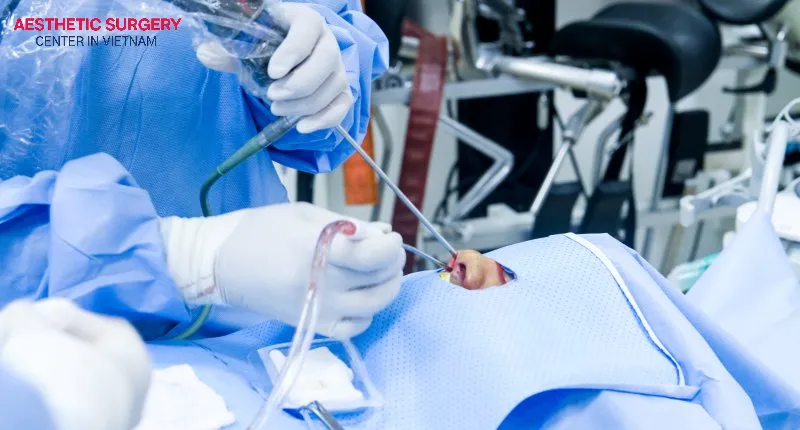
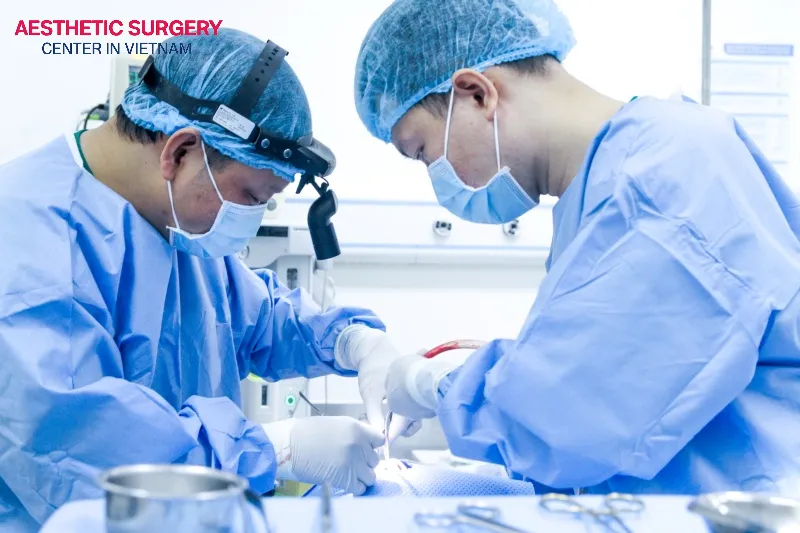
Septoplasty is a medical procedure aimed at correcting the nasal septum, the bone and cartilage that divide the two nostrils, when it is deviated. During the surgery, the doctor adjusts, trims, or reshapes the septum to improve airflow through the nose and address related issues.
The procedure typically lasts 30–90 minutes, performed under general or local anesthesia, and usually leaves no external scars since it is done through the nostrils.
This is a safe, effective, and widely used method in both medical and cosmetic practice.
Why is septoplasty done?
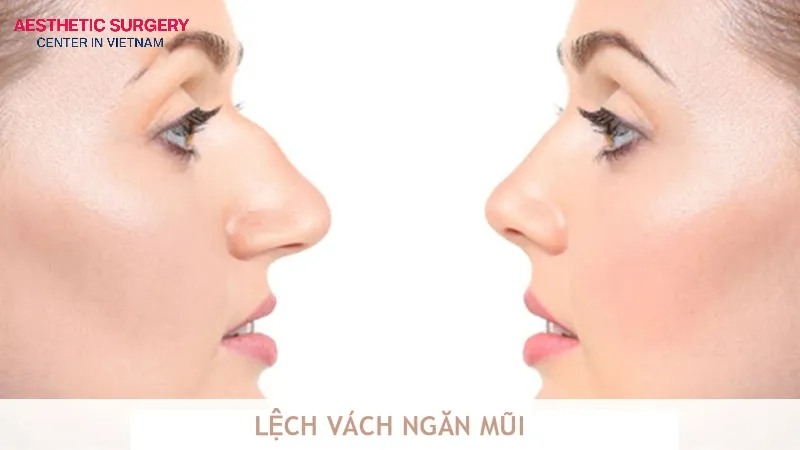
Septoplasty is performed to correct a deviated nasal septum, providing both medical and cosmetic benefits, including:
- Improve breathing: A deviated septum can obstruct airflow, causing difficulty breathing, especially during sleep or physical activity.
- Reduce sinus infections: A deviated septum can block the sinuses, leading to chronic sinusitis or recurrent infections.
- Reduce snoring and sleep apnea: Correcting the septum opens the airway, improving sleep quality.
- Relieve headaches and facial pressure: A deviated septum can cause pain from sinus pressure.
- Enhance aesthetics: In some cases, the surgery is combined with rhinoplasty to achieve a harmonious appearance.
Who is a candidate/might not be a candidate for septoplasty?
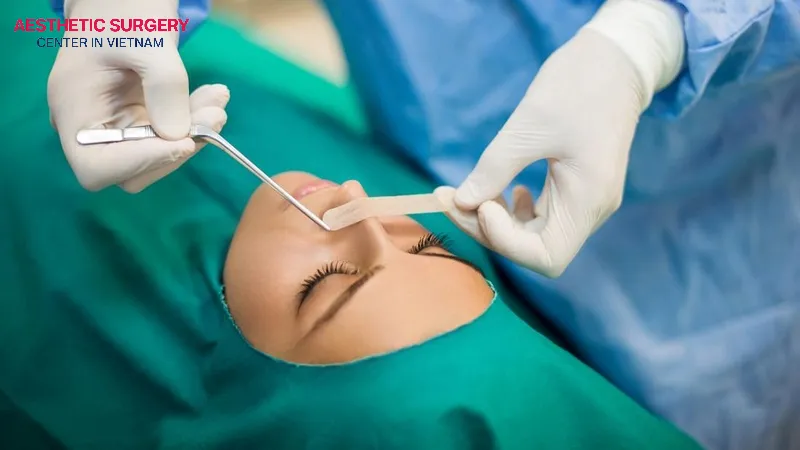
Before the surgery, the doctor will assess your overall health, review your medical history, and evaluate the severity of your septal deviation to determine if you are a suitable candidate. If you are not suitable, the doctor may suggest alternative treatments or postpone the surgery.
Here are some cases where surgery may or may not be suitable—please review them carefully before deciding to proceed!
Candidates suitable for septoplasty
Septoplasty is typically recommended for individuals experiencing the following issues caused by a deviated nasal septum:
- Nasal breathing difficulty: A deviated septum can obstruct airflow, especially on one or both sides of the nose.
- Chronic sinusitis: Septal deviation can block the sinuses, leading to recurrent infections.
- Snoring or sleep apnea: These conditions may improve after septum correction.
- Headaches or facial pressure: Caused by a deviated septum putting pressure on the sinuses.
- Frequent nasal infections: Septal deviation increases the risk of infections.
- Individuals seeking cosmetic improvement: Can be combined with rhinoplasty for both aesthetic and functional results.
- Healthy adults: Typically 18 years or older, when the nasal structure is fully developed.
Individuals unsuitable or requiring caution
Some cases may be unsuitable or require careful evaluation before surgery:
- Children under 18: Except in severe cases, surgery may affect natural development since the nasal bones and cartilage are still growing.
- Individuals with serious underlying conditions: Such as bleeding disorders, severe heart disease, uncontrolled diabetes, or weakened immunity, due to increased anesthesia risks.
- Those with acute nasal or sinus infections: Infections should be treated before surgery.
- Pregnant or breastfeeding women: Surgery is generally recommended to be postponed to avoid risks.
What are the types of septoplasty?
Septoplasty has several different methods, depending on the condition of the septum, the purpose (medical or cosmetic), and the technology used. Here are the common types of nasal septum surgery:
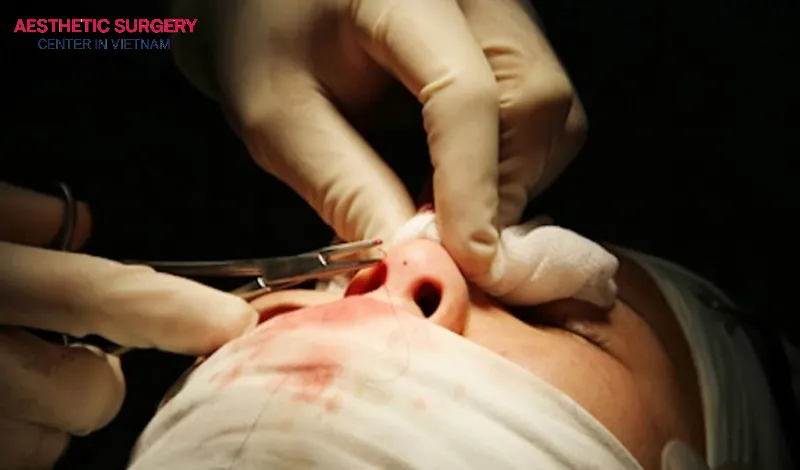
Traditional septoplasty
This is the most common method for correcting a deviated nasal septum. The surgeon works through the nostrils, making a small internal incision to access the septum, removing or reshaping the crooked cartilage and bone without affecting the external appearance of the nose.
The procedure usually lasts 30–60 minutes and is performed under general or local anesthesia. After surgery, patients may experience mild swelling or discomfort for a few days, but recovery is generally quick. This method is suitable for those with breathing difficulties, sinusitis, or snoring caused by a deviated septum.
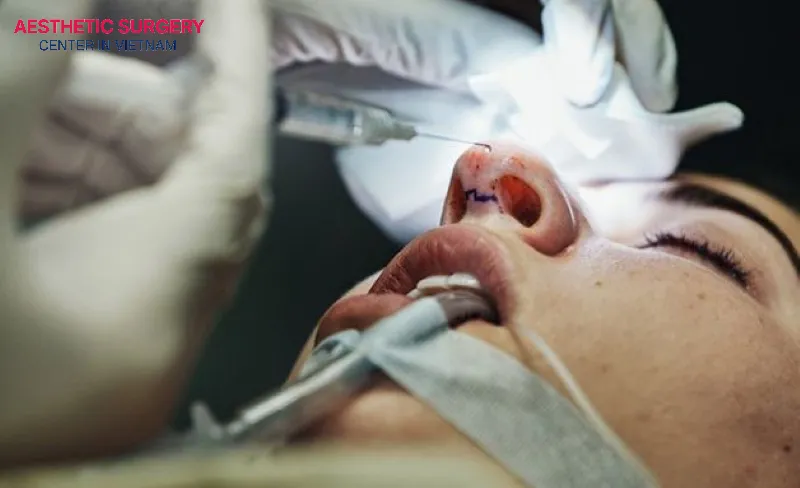
Septoplasty combined with rhinoplasty
This surgery combines septoplasty with Rhinoplasty to improve both breathing function and aesthetics. The surgeon not only corrects the deviated septum but also reshapes the external structure of the nose, such as reducing the nasal tip, lifting the bridge, or adjusting the nasal angle.
This procedure is usually more complex, lasting 1–2 hours, and is performed under general anesthesia. It is suitable for individuals who want to improve the appearance of their nose while addressing breathing issues. After surgery, recovery may take longer, about 1–2 weeks, with mild swelling and the need for careful aftercare.
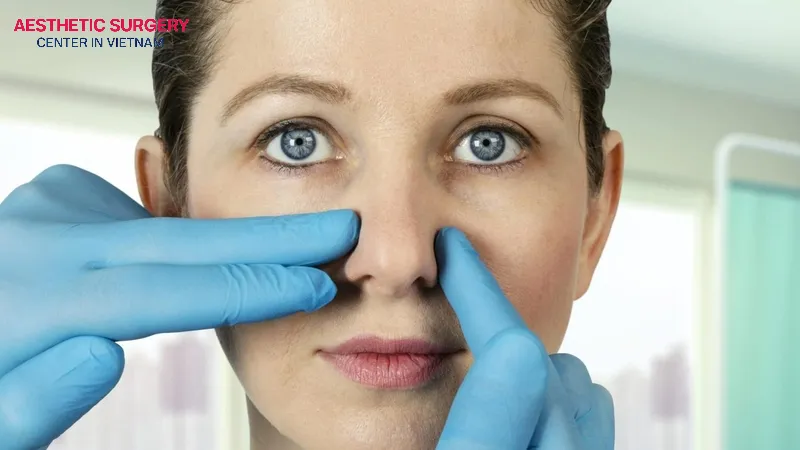
Endoscopic septoplasty
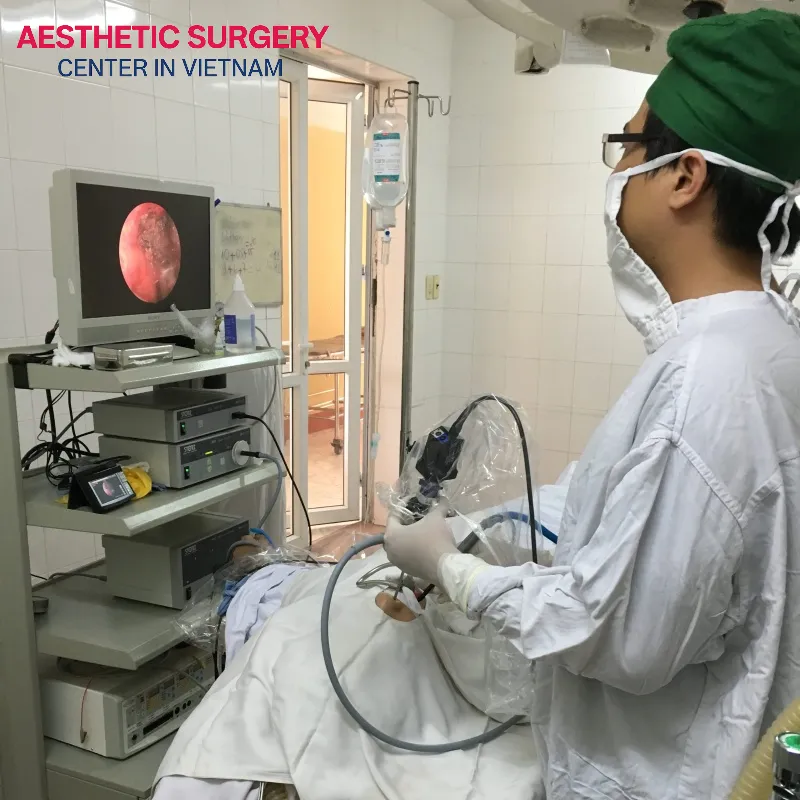
Endoscopic Septoplasty uses a small endoscope with a camera to access and correct the septum with high precision. The surgeon makes a small incision inside the nose, inserts the endoscope to observe, and adjusts the crooked cartilage and bone without significantly damaging surrounding tissue. This minimally invasive method reduces pain and allows for a quick recovery (usually 5–7 days). It is suitable for mild to moderate septal deviations, especially when preserving the nasal structure is important.
How do I prepare for septoplasty?
To prepare for Septoplasty, you should follow these steps to ensure safety and effectiveness:
- Consult a specialist: Meet an ENT or plastic surgeon to assess the severity of your septal deviation, and undergo X-rays or nasal endoscopy if needed. Discuss your medical history, allergies, and current medications.
- General health check: Complete blood tests, cardiovascular evaluation, and coagulation function tests to ensure you are fit for surgery.
- Stop certain medications: Under your doctor’s guidance, temporarily discontinue blood-thinning medications (aspirin, ibuprofen) or supplements (vitamin E, omega-3) at least 1–2 weeks before surgery to reduce the risk of bleeding.
- Avoid smoking and alcohol: Stop smoking and drinking at least 2 weeks before and after surgery to support recovery and reduce the risk of complications.
- Prepare mentally and physically: Eat healthily, get adequate rest, and maintain a relaxed mindset. Avoid strenuous activities before surgery.
- Arrange postoperative support: Have a family member or friend assist you for 1–2 days after surgery, as you may need complete rest.
- Fasting before surgery: If under general anesthesia, you should fast (usually 6–8 hours) before the procedure, following your doctor’s instructions.
- Choose a reputable facility: In Vietnam, select a hospital or clinic with experienced surgeons and modern equipment.
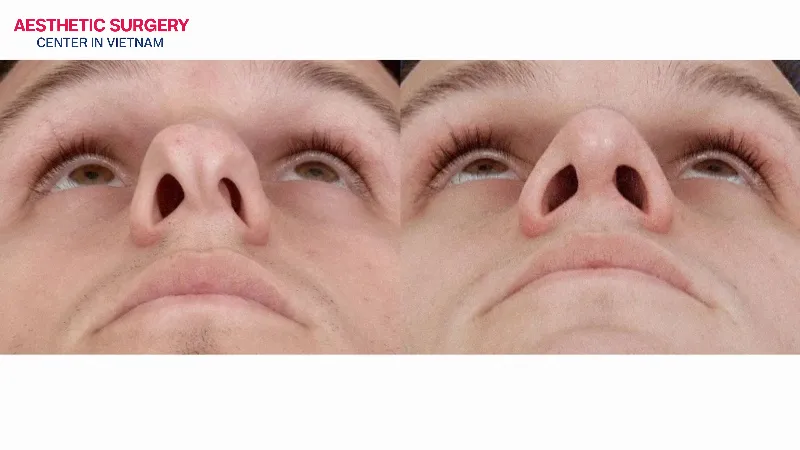
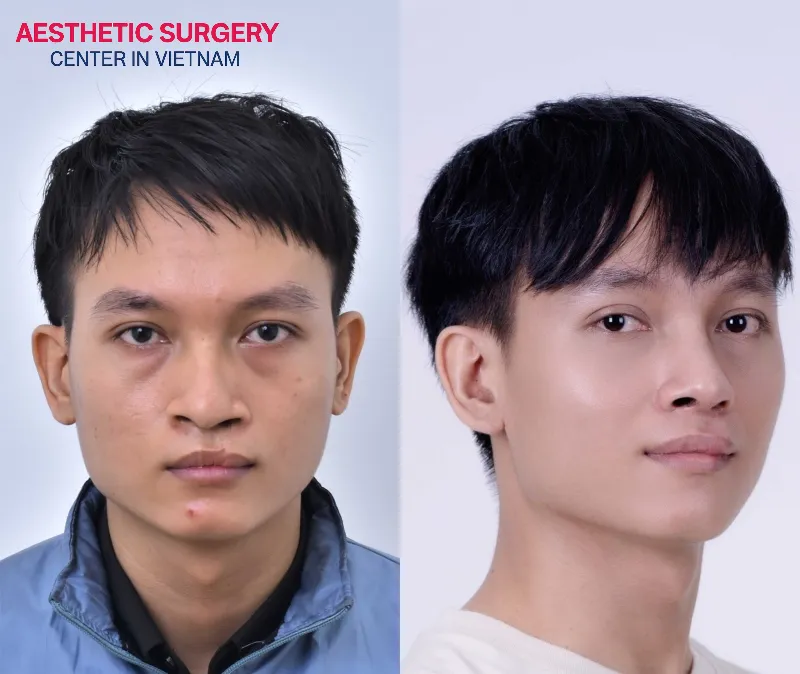
Septoplasty before – after
Septoplasty not only provides health benefits but also significantly improves quality of life. Below are some illustrative images to help you visualize your potential transformation, take a look!
Postoperative care after septoplasty
Postoperative care after septoplasty is crucial for ensuring a speedy recovery, reducing the risk of complications, and achieving optimal results. Here are detailed guidelines:
- Rest completely for the first 1–2 days, keeping your head elevated to reduce swelling and pressure in the nose.
- Avoid lying on your side or stomach to prevent bleeding.
- Use saline solution to gently rinse the nose, keeping it moist and cleaning nasal secretions.
- Do not blow your nose forcefully for at least 1–2 weeks to avoid damaging newly healed tissue.
- Monitor for symptoms such as heavy bleeding, severe pain, high fever, or unusual swelling, and contact your doctor immediately if they occur.
- However, mild swelling, slight pain, or light pink discharge in the first few days is normal and not a cause for concern.
- Take painkillers, antibiotics, or anti-inflammatory medications as prescribed by your doctor to prevent infection and reduce discomfort.
- Do not take any additional medications on your own.
- Avoid strenuous activity, exercise, or heavy lifting for 2–4 weeks to prevent pressure on the nose.
- Avoid swimming or exposure to dusty or smoky environments.
- Eat soft, easily digestible foods (porridge, soup) during the first few days, and avoid hot or spicy foods that may irritate the nose.
- Drink plenty of water to keep the nasal mucosa hydrated.
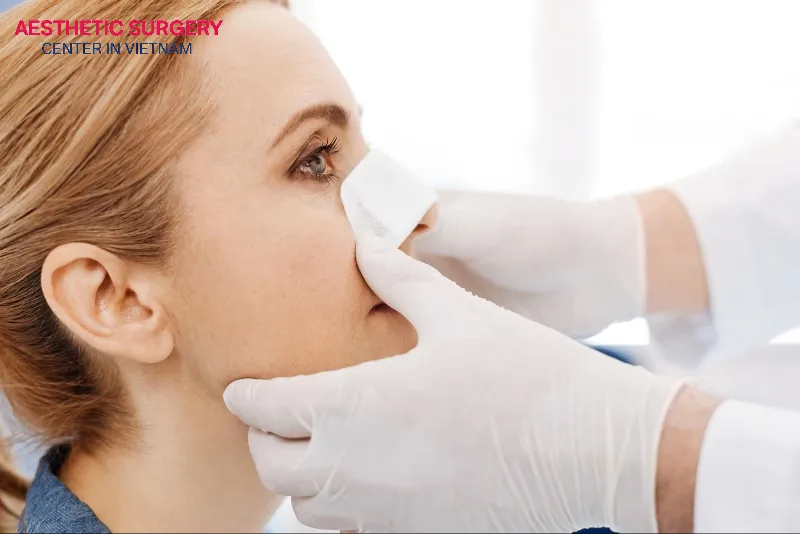
- Follow up according to your doctor’s schedule (usually after 1 week and 1 month) to monitor recovery and remove nasal splints if necessary.
Septoplasty in Vietnam – Trusted clinics for septoplasty surgery in Vietnam
Vietnam is becoming an attractive medical destination for international visitors thanks to its modern hospitals and aesthetic centers, reasonable rhinoplasty costs, and professional services. When looking for a reputable clinic for Septoplasty, the Aesthetic Surgery Center stands out as a top choice.
With the mission of delivering natural beauty and lasting health, the center specializes not only in nasal septum correction but also applies advanced technologies such as 3D endoscopy and high-precision lasers, ensuring the procedure is safe, minimally invasive, and allows quick recovery in just 5–7 days.
The outstanding strengths of the Aesthetic Surgery Center lie in its modern technology and highly experienced medical team, with thousands of successful surgeries. Notably, the center also offers airport pick-up services, assistance with booking nearby premium hotels, free English-speaking interpreters, and online consultations before your flight. This allows you to relax and fully focus on your beauty journey without worrying about any issues.
In addition to Septoplasty, the Aesthetic Surgery Center offers a diverse beauty service ecosystem, ranging from invasive procedures like Rhinoplasty, Liposuction, and fat reduction to non-invasive treatments such as Fillers and Botox or laser skin rejuvenation. Each treatment is personalized, with combination packages available to help save costs.
Choose the Aesthetic Surgery Center to turn your Septoplasty journey into a memorable wellness and beauty retreat in Vietnam.
Septoplasty not only helps you breathe more easily but also enhances your appearance. In Vietnam, the Aesthetic Surgery Center is the ideal destination, offering advanced technology, a top-tier medical team, and attentive international-standard care. From consultation and surgery to recovery, the center ensures a safe and comfortable experience at a reasonable cost. Let the Aesthetic Surgery Center accompany you on your journey to beauty and health! Contact us today via our website or hotline +84 911 582 499 for a free consultation and special offers!
>>> See more: Rhinoplasty clinic in Vietnam














Comment on the post