


Rhinoplasty is a cosmetic procedure with various techniques tailored to each individual’s nose shape and preferences. Each method has its own advantages, disadvantages, and suitability depending on nasal structure. If you are looking to choose the right technique, this article will help you explore the different types of rhinoplasty available today and guide you in selecting the method that achieves a natural and aesthetically pleasing nose.
Open rhinoplasty – One of the different types of nose surgery
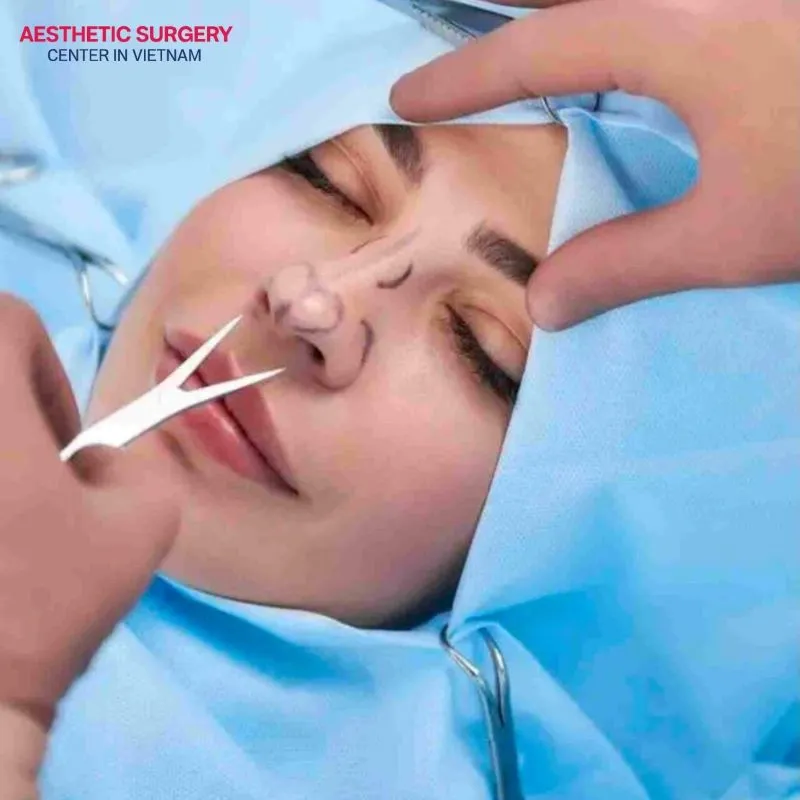
Open rhinoplasty is a technique in which the surgeon makes a small incision under the nose and between the nostrils, then lifts the nasal skin to directly view the underlying cartilage, tissue, and bone. With this clear and wide view, the surgeon can perform detailed corrections and reconstruct the nasal structure. This method is particularly suitable for complex cases or when multiple changes to the nose are needed.
Advantages
- The surgeon can easily view the entire nasal structure, allowing for more precise and effective corrections.
- Can address crooked, bumpy noses, large nasal tips, weak septums, or other complex nasal defects.
- Results in a more harmonious nose shape, as the surgeon can directly see and adjust the nasal structure during the procedure.
Disadvantages
- Recovery time is generally longer compared to other rhinoplasty techniques due to the small incision on the nasal bridge.
- A small scar may appear, but it typically fades over time and is barely noticeable.
- The procedure is complex and requires a highly skilled surgeon with extensive experience in open rhinoplasty.

Typically, the open rhinoplasty method is suitable for individuals with complex nasal structures requiring extensive correction. For those with crooked, deviated, or bumpy noses, or a weak nasal septum, the surgeon can reconstruct the nasal structure to create a more refined appearance while also improving breathing function.
>>> See more: Does Septoplasty change nose shape?
Closed rhinoplasty
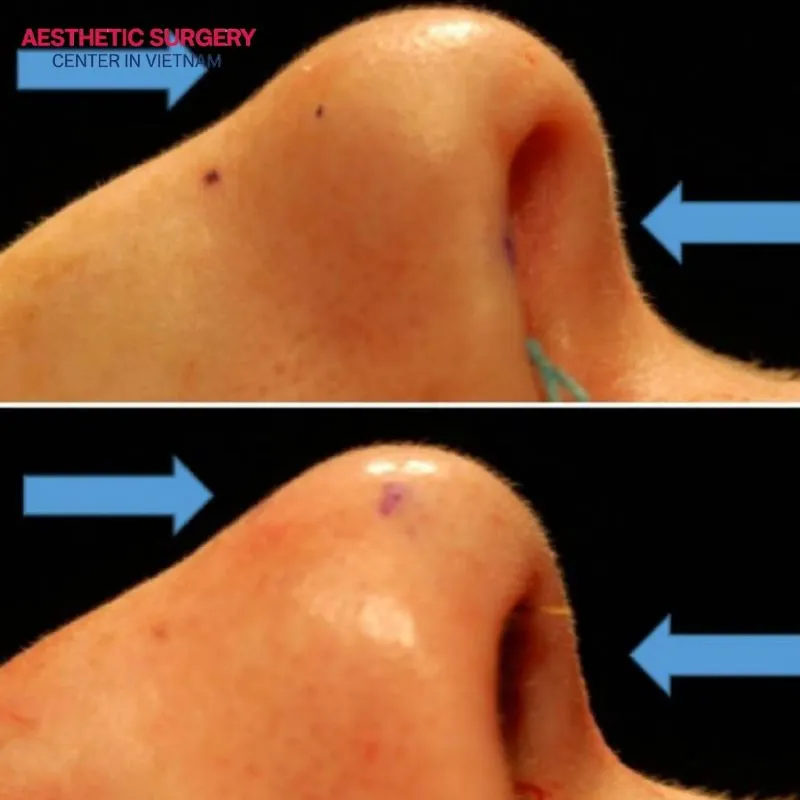
Closed rhinoplasty is a technique where the surgeon makes small incisions inside the nose, leaving no visible marks on the external skin. Due to its minimal invasiveness and lack of external scarring, recovery is faster compared to other types of nose surgery. This method is often used for noses that are already harmonious but require minor adjustments, such as slight bridge enhancement or small detail corrections, without deep structural intervention.
Advantages
- No visible scars since the incision is made inside the nose.
- Minimally invasive, reducing swelling and bruising after surgery.
- Faster recovery time, ideal for busy individuals seeking minor adjustments.
Disadvantages
- Limited visibility of the internal nasal structure, making it challenging for complex rhinoplasty cases.
- Not suitable for deep interventions, tip reshaping, or correcting severely damaged noses.
- Cannot perform extensive structural reconstruction or address crooked, bumpy noses, or weak septums.
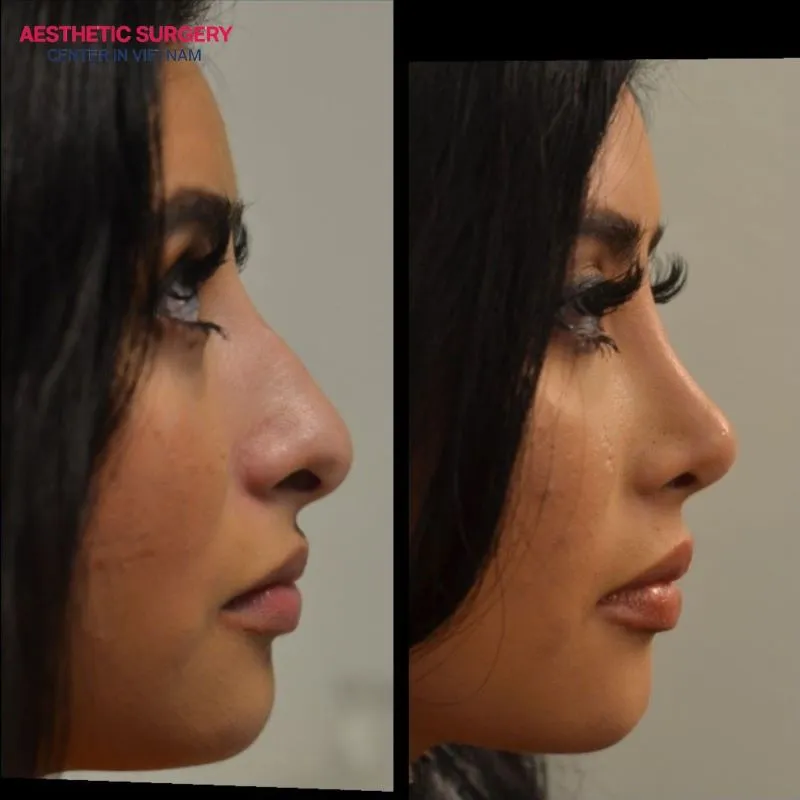
Closed rhinoplasty is suitable for individuals with a naturally balanced nose who only need slight bridge enhancement or minimal adjustments. For noses with few imperfections, a well-shaped tip, and no need for major structural reconstruction, this technique delivers natural results and a faster recovery.
Tip Plasty- Different types of nose surgery
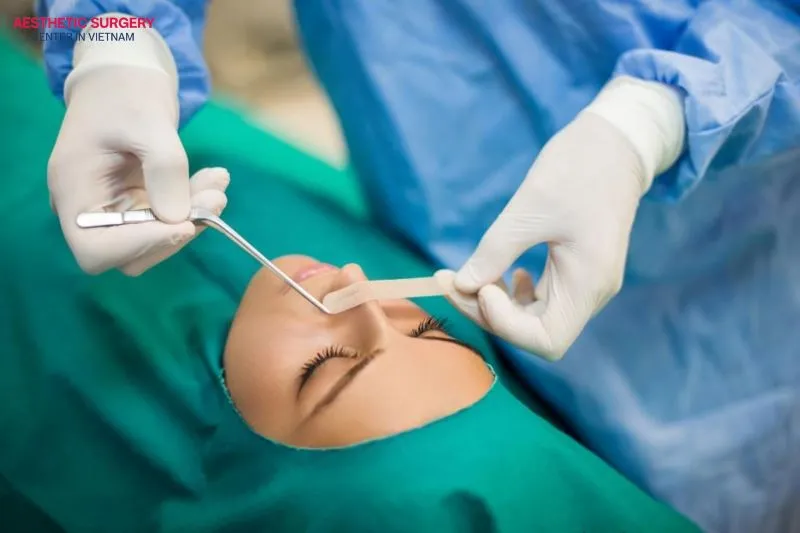
Tip plasty focuses on reshaping the nasal tip to correct issues such as a wide, bulky, or slightly rough tip. Instead of altering the entire nasal structure, this method subtly adjusts the tip cartilage to create a more refined, elevated, and harmonious nasal tip. It is an ideal choice for those who want to enhance the tip without undergoing a more invasive nose surgery.
Advantages
- Creates a refined, elegant nasal tip that harmonizes with the face.
- Minimally invasive, with less swelling and a faster recovery without extended downtime.
- Preserves the natural nasal structure since it involves minimal intervention.
Disadvantages
- Does not address the nasal bridge, so it is unsuitable for those seeking a full nose transformation.
- Results depend heavily on the stability of the tip cartilage.
- Cannot correct complex nasal imperfections such as crooked noses or weak septums.
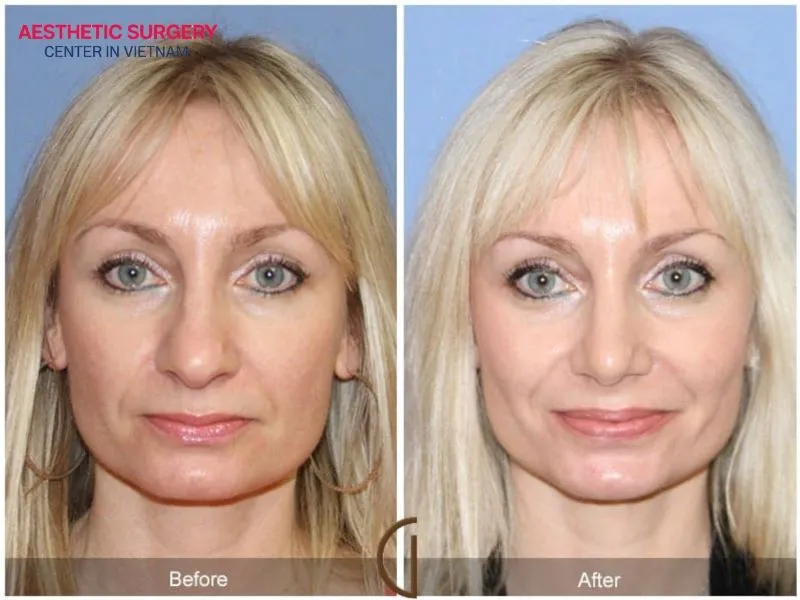
For tip plasty, ideal candidates are those with a harmonious nasal bridge but a wide, bulky, or less defined tip. This technique is also suitable for individuals who want to slightly refine the tip for a more elegant facial appearance without altering the entire nasal structure.
Septorhinoplasty
Septorhinoplasty combines cosmetic nose enhancement with internal septum correction. This type of surgery is often the primary choice for crooked nose rhinoplasty, as it addresses a deviated septum that can cause nasal obstruction, breathing difficulties, and a visibly asymmetrical nasal bridge. The procedure not only improves the nose’s appearance but also enhances airflow, making breathing easier and helping maintain proper nasal alignment for years.

Advantages
- Fully corrects a deviated septum, reducing breathing difficulties, nasal congestion, and even snoring.
- Improves the appearance of crooked, bent, or asymmetrical noses.
- Creates a balanced and long-lasting nasal bridge and tip compared to standard rhinoplasty.
Disadvantages
- The procedure is more complex than common rhinoplasty techniques, requiring a highly skilled surgeon.
- Typically costs more than standard nose augmentation methods.
- Noticeable swelling occurs in the first few days due to the extent of the corrections.
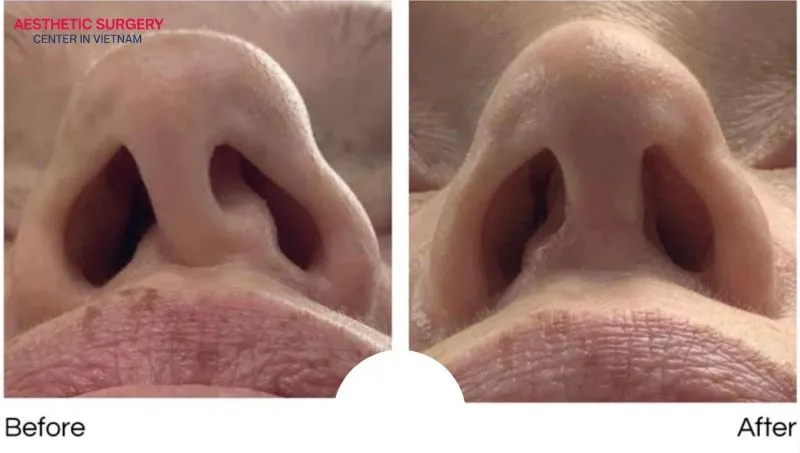
Septorhinoplasty is suitable for individuals with a crooked nose, breathing difficulties due to a deviated septum, or an imbalanced nasal structure. It is ideal for those who want to improve both the appearance of their nose and respiratory function, as this procedure addresses both aesthetic and functional concerns in a single surgery.
Revision rhinoplasty
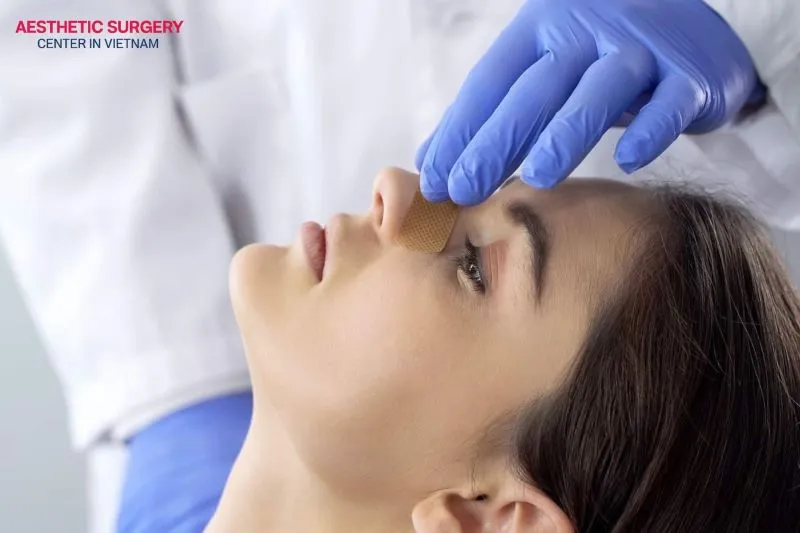
Revision rhinoplasty is a type of nose surgery that requires deeper intervention, designed for individuals who have previously undergone rhinoplasty but are dissatisfied with the results. It is also suitable for correcting complications such as crookedness, redness, cartilage displacement, or structural deformities. The surgeon performs comprehensive corrections to restore a balanced, natural nose while ensuring safety and stability.
Advantages
- Corrects complex complications such as crooked noses, exposed nasal bridges, or capsular contracture.
- Reconstructs the entire nasal structure, providing a beautiful, safe, and long-lasting result.
- Improves nasal breathing if complications have affected the septum.
Disadvantages
- There is a significantly higher cost compared to standard procedures, as rib cartilage rhinoplasty often requires the specialized harvesting of autologous rib cartilage.
- Longer recovery time due to deep structural intervention.
- Technically challenging, requiring an experienced surgeon with a successful track record in revision rhinoplasty.
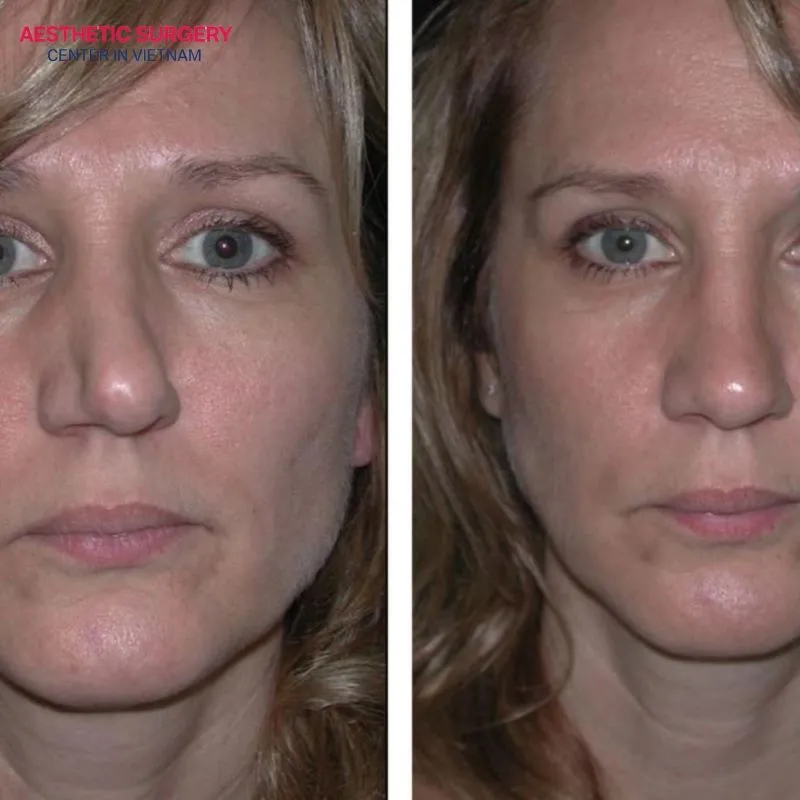
Revision rhinoplasty is typically suitable for individuals who have previously undergone nose surgery but experienced complications or are dissatisfied with the results. Cases with a crooked nose, exposed bridge, redness, collapsed bridge, deformed tip, or uneven shape may require this method for a complete correction.
Liquid rhinoplasty – A types of nose job
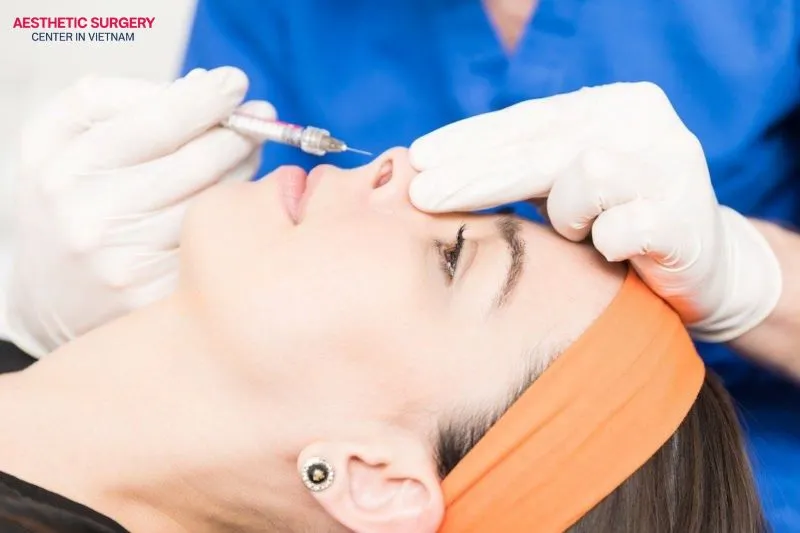
Liquid rhinoplasty is a non-surgical nose enhancement technique. It involves injecting dermal fillers directly into the nasal bridge to add height and adjust the nose shape without dissecting or interfering with the underlying bone and cartilage structure. This method provides immediate results, avoids incisions, and is ideal for those seeking a subtle nose lift or who prefer to avoid surgical intervention.
Advantages
- Lower cost compared to surgical rhinoplasty.
- Can refine small details, creating a smooth and natural-looking nasal bridge.
- Quick procedure, typically 10–15 minutes, with minimal pain and swelling.
Disadvantages
- Results last only 6–12 months, depending on individual care and body response.
- Risk of vascular complications if the injection is not performed by a skilled practitioner.
- Cannot correct the nasal tip, crooked nose, or internal structural issues.
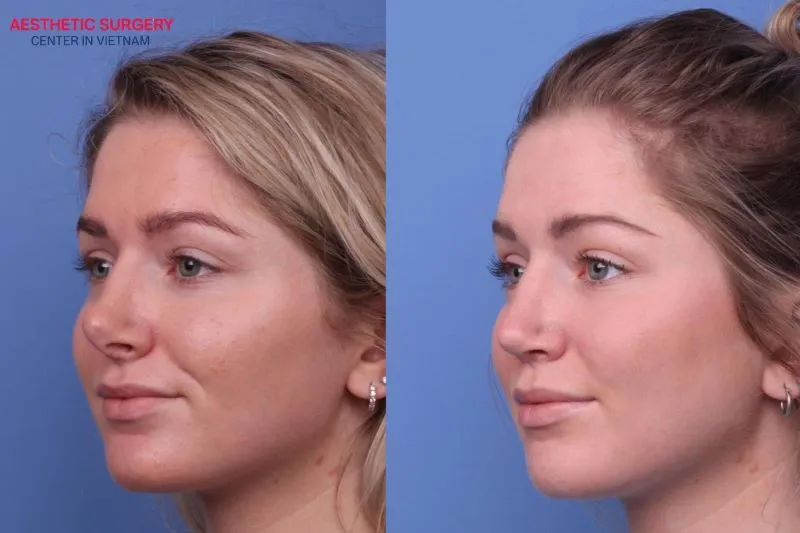
Filler rhinoplasty is generally suitable for those who want a subtle nasal bridge enhancement and a natural-looking nose without surgery. It is also ideal for individuals who are sensitive to pain or only need minor corrections along the nasal bridge.
We hope this article has helped you understand the different types of rhinoplasty available today, along with the advantages, disadvantages, and suitable candidates for each method. By knowing the characteristics of each technique, you can more easily choose the nose enhancement procedure that best fits your facial structure and aesthetic goals.


















Comment on the post