



It is completely understandable to feel anxious about surgery or discomfort after a nose job. Many prospective patients often wonder, “is rhinoplasty painful?” in the days leading up to their procedure. However, with the significant advancements in modern anesthesia and minimally invasive techniques, the reality is often much more manageable than imagined. Let’s explore what you will truly feel during and after surgery to help you mentally prepare for your beauty transformation journey.
Does rhinoplasty hurt?
Generally, you will not feel pain during the surgery, and any subsequent discomfort is entirely manageable thanks to modern medical techniques.
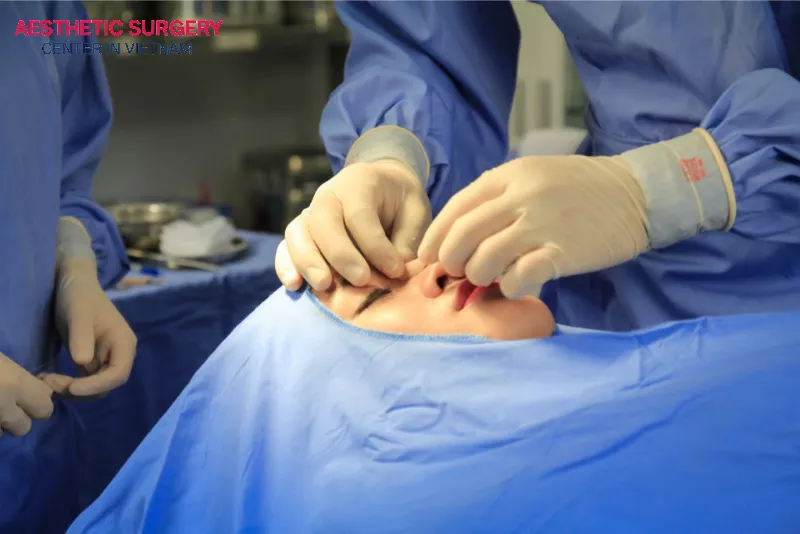
To better understand what to expect, here is a detailed breakdown of the sensations before, during, and after surgery:
- During surgery: Completely smooth
Before the procedure begins, the surgeon will administer local anesthesia or general anesthesia (depending on the complexity of the case). Thanks to precise dosages, your nose area will lose all sensation. You may remain aware of the surgeon’s movements, but you will not feel any pain or stinging.
- Immediately after surgery: A feeling of tightness
As the anesthesia wears off (usually after 2–4 hours), you will begin to feel a slight tightness and heaviness in the nasal area. You may experience a mild ache due to the impact on the soft tissue. However, this is not intense pain but rather a dull discomfort. At this stage, your doctor will have already prescribed high-dose painkillers and anti-inflammatories to help you get through the first few hours comfortably.
- Recovery phase (Days 3–7): Discomfort replaces pain
In the following days, rather than pain, you will likely feel more “annoyed.” Wearing a splint and nasal packing can cause nasal congestion, forcing you to breathe through your mouth. Swelling around the eyes and nose is a natural healing response of the body. By day 7, once the stitches and splint are removed, the heavy sensation almost completely vanishes, replaced by the relief of seeing your new nose shape.
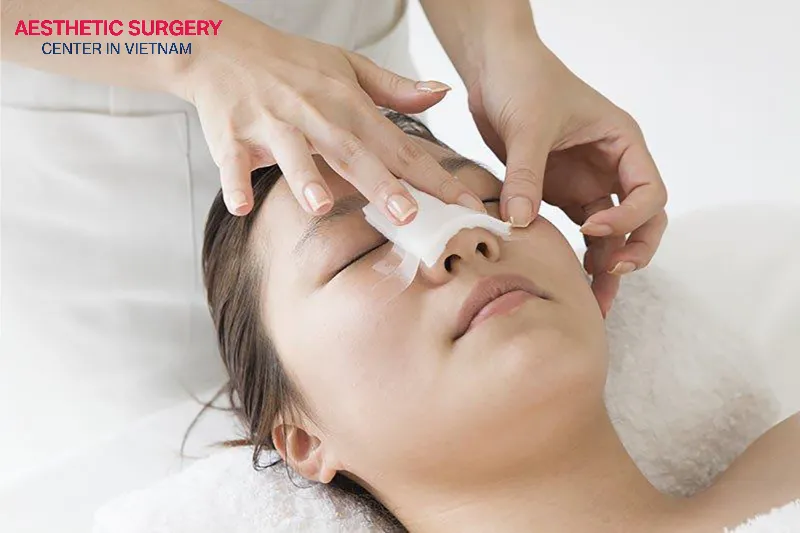
Factors affecting pain levels
The level of pain depends heavily on the surgeon’s expertise. A skilled surgeon uses delicate dissection techniques and minimizes invasion to avoid nerve interference, which reduces tissue trauma and directly impacts the rhinoplasty swelling stages, leading to less inflammation and a lightning-fast recovery.
Additionally, the application of modern technology—such as Cold Plasma therapy—helps wounds close faster and significantly reduces the sensation of aching after surgery.
How long does post-operative pain last for most rhinoplasty patients?
For the majority of patients, pain following a rhinoplasty does not last very long and is typically most intense during the first few days. In reality, the sensation is often described more as pressure and discomfort rather than severe pain.
Here is a typical timeline of the recovery process:
- The first 24–48 hours: This is when the anesthesia wears off completely. You will feel tightness and heaviness in the nose and surrounding areas (such as under the eyes and cheeks). The soreness is moderate and can be fully managed with the pain medication prescribed by your surgeon.
- Days 3–5: The throbbing sensation will decrease significantly. Instead, you may feel discomfort as swelling reaches its peak and you are forced to breathe through your mouth due to internal splints or packing. At this stage, many patients are able to stop taking high-dose pain relievers.
- Days 7–10: Once the sutures and splints are removed, the feeling of pressure vanishes. The nasal area begins to feel much lighter. You may only feel a slight twinge if you accidentally touch the tip of your nose.
- After 2 weeks: There is almost no remaining pain or discomfort during daily activities. However, because the internal structures are still healing, a slight “numbness” or stiffness in the nasal tip may persist for several more weeks.
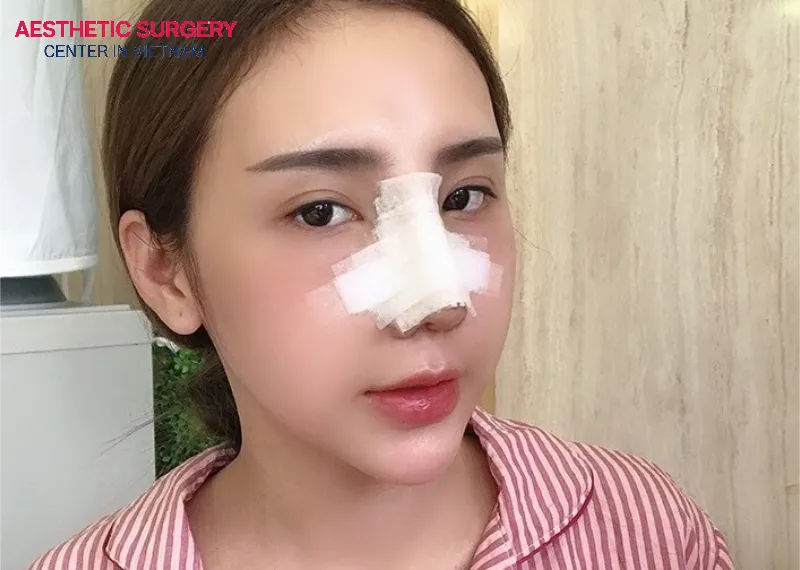
In general, the factors that shorten the duration of pain include your individual physical constitution, the surgical technique used, and the supporting technology. If the pain does not subside after 10 days—but instead increases or is accompanied by a fever or discharge—this is an abnormal sign and you should contact your doctor immediately.
Pain management during rhinoplasty
In modern aesthetic medicine, addressing the common concern of is rhinoplasty painful involves more than just standard medication; it is a multimodal coordinated process designed to ensure the most comfortable experience for the client. Below are the common methods surgeons use to minimize discomfort and manage sensation effectively during and after a nose job.
- Multi-point local anesthesia: Surgeons use micro-needles to deliver anesthetic to strategic locations around the nasal area. This technique ensures the medication absorbs quickly and evenly while minimizing the stinging sensation during injection.
- Sedation (If required): For complex cases like structural rhinoplasty or upturned nose correction, surgeons may apply sedation. You will fall into a light sleep, remain completely relaxed, and wake up once the procedure is finished.
- Precise dissection: A skilled surgeon will perform precise dissection between the periosteum (bone membrane) and soft tissue. Navigating the “correct layer” limits bleeding and avoids sensitive sensory nerves, thereby minimizing post-operative pain.
- Modern equipment: Using ultrasonic scalpels (Plasma/Harmonic) helps seal blood vessels instantly upon cutting, reducing swelling and soreness right from the operating room.
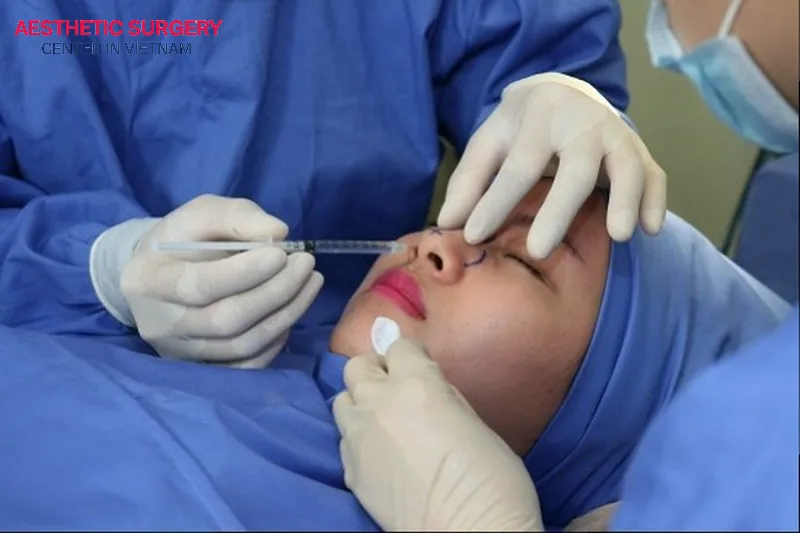
How to minimize post-operative discomfort?
Minimizing discomfort after a nose job isn’t just about taking pills; it’s about “pampering” your body during this sensitive phase. To make your recovery journey as smooth as possible, consider the following tips:
- The first 48 hours (Cold compress): Use specialized cold packs or ice wrapped in a towel around the nose, forehead, and cheeks. The low temperature constricts blood vessels, reduces swelling, and numbs the painful area.
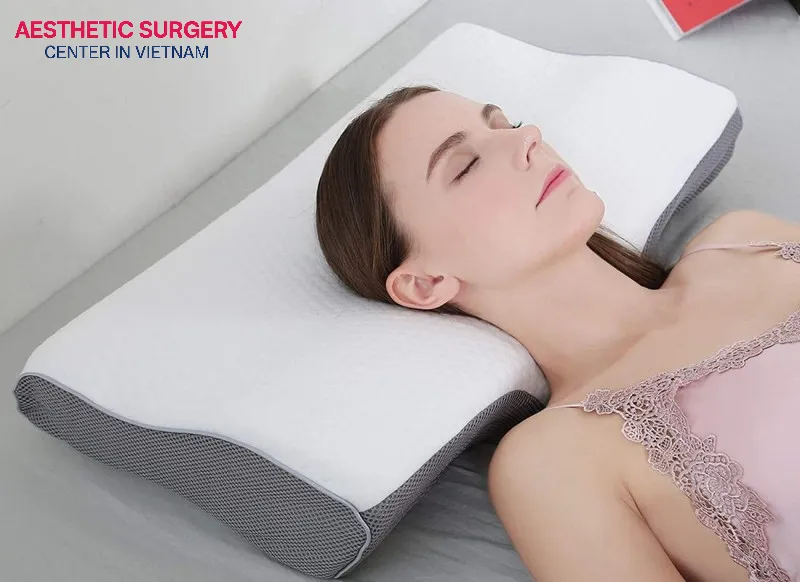
- Elevate your head: During the first week, use 2–3 pillows to keep your head elevated while sleeping (at a $45^\circ$ angle). This position allows fluid to drain downward, reducing pressure on the nose and making breathing easier.
- Sleep strictly on your back: This prevents the nose shape from shifting and reduces the feeling of tension on one side of the face.
- From day 3 (Warm compress): Switch to warm compresses to enhance blood circulation, helping bruises fade faster.
- Use saline solution: Soak a cotton swab in saline to gently clean the edges of the nostrils.
- Essential oil diffuser/humidifier: If you have to breathe through your mouth (causing a dry throat), place a humidifier in your room to soothe the air.
- Eat soft/liquid foods: For the first 3–5 days, prioritize porridge, soup, or pureed foods so the jaw muscles don’t have to work hard, avoiding impact on the tender nose area.
- Drink pineapple or celery juice: These contain Bromelain, which is highly effective at reducing inflammation and swelling.
- Do not sneeze through the nose: If you feel a sneeze coming on, open your mouth to release the pressure.
- Avoid heavy glasses: The weight of glasses can press on the bridge of the nose, causing pain and shifting the form. Use contact lenses or tape the frames to your forehead.
What to expect during the recovery process?
Recovery is a “marathon of patience.” Understanding what happens will help you stay calm and ensure the most natural aesthetic results.
- Fluid drainage: In the first 24 hours, the nose may leak a small amount of fluid. Simply use clean gauze to dab it gently; there is no need to worry.
- Widespread swelling: Swelling of the nose is expected, but sometimes the eye area may become bruised or puffy. This is due to fluid shifting downward with gravity and will gradually subside after 5–7 days.
- Nasal congestion: You may feel like you have a severe cold due to the splints and packing inside. You should practice breathing through your mouth during this time.
- Do not remove the splint yourself: The splint stabilizes the bone and cartilage. Removing it early can cause the bridge of the nose to shift.
- Avoid strenuous activity: Do not go to the gym, do yoga, run, or swim for at least one month. Increased blood pressure during exercise can cause nosebleeds or prolonged swelling.
- Facial expressions: Limit wide smiles, opening your mouth too wide, or chewing hard foods (bones, cartilage, nuts) to avoid pulling the muscles around the nose.
- Utilize cold plasma technology: Cold Plasma therapy not only helps the wound dry faster but also reduces the “stiff” sensation in the nasal area.
- Follow-up appointments: Even if you think your nose looks perfect, it is crucial for the doctor to check inside the nostrils to ensure there is no internal scarring or hidden infection.
We hope the information shared above regarding the question “is rhinoplasty painful” has provided you with a clearer understanding of the recovery process. May this guide help you feel more confident on your journey to a more beautiful version of yourself.
















Comment on the post