


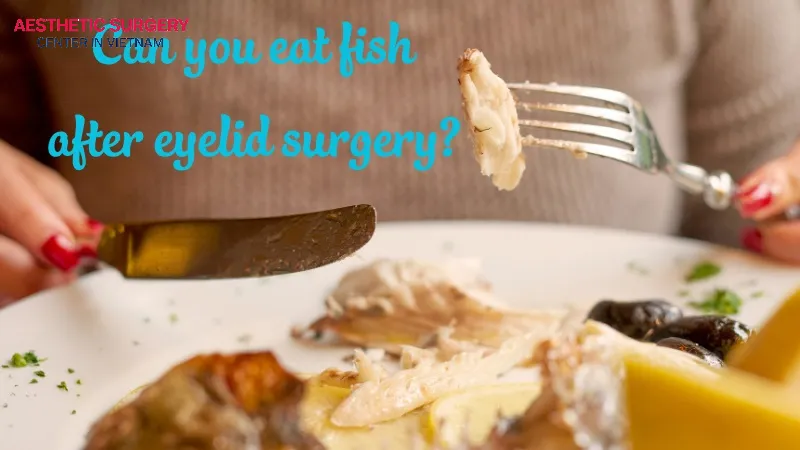
Fish is a nutritious food that provides essential nutrients for the body. However, many people wonder: Can I eat fish after eyelid surgery? In the article below, Aesthetic Surgery Center in Vietnam will help you find the answer to this question and guide you on how to properly take care of yourself after surgery.
Can you eat fish after eyelid surgery?
After eyelid surgery, you should avoid eating fish because some components in fish can cause allergies, itching, and discomfort around the surgical area, which may affect the healing process. In addition, fish may increase the risk of keloid formation, slow down recovery, and reduce the aesthetic results of the surgery.
>>> See more: How long to avoid eggs after eyelid surgery?
Why should you avoid eating fish after eyelid surgery?
Eating fish after eyelid surgery may negatively affect the healing process. Fish contains certain substances that can easily cause allergic reactions or irritation in people with sensitive skin, leading to itching, redness, or delayed wound healing.
In addition, if the fish is not fresh or improperly cooked, bacteria in the fish can increase the risk of infection around the surgical area. Certain components found in seafood can irritate open wounds, causing swelling, inflammation, and delayed healing.
How long should you avoid eating fish after eyelid surgery?
After eyelid surgery, you should avoid eating fish for at least 1–2 weeks, or up to about a month if you have sensitive or allergy-prone skin. This is because the fishy smell and certain components in fish can cause itching, irritation, or infection, leading to slow wound healing and a higher risk of keloid formation. Eating fish too soon may also cause swelling around the eyelids and affect the final aesthetic result after recovery.
Nutrients found in fish
Fish is an excellent source of high-quality protein and essential amino acids that the body cannot produce on its own. It also contains two important omega-3 fatty acids, EPA and DHA, which help protect heart health, lower bad cholesterol, boost memory, and improve brain function. In addition, fish is rich in vitamins A, B, and D, as well as antioxidants that strengthen the immune system, support blood cell and nerve functions, maintain healthy vision, and provide energy for the body.
However, during the recovery period after eyelid surgery, you should temporarily limit fish consumption to avoid the risk of irritation or infection. Once the wound has completely healed, reintroducing fish into your diet will help your body recover better, stay healthy, and maintain a fresh, radiant appearance.
Besides fish, what else should be avoided after eyelid surgery to prevent irritation?
After eyelid surgery, you should avoid certain foods to reduce irritation and support faster healing.
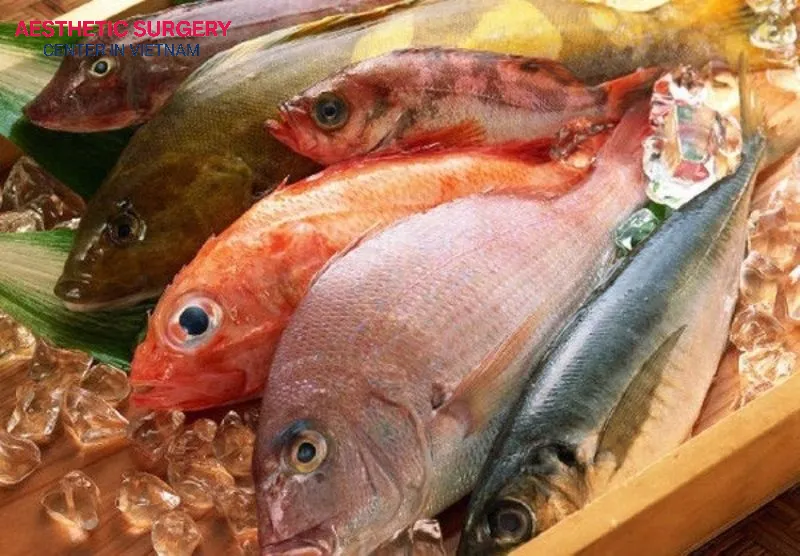
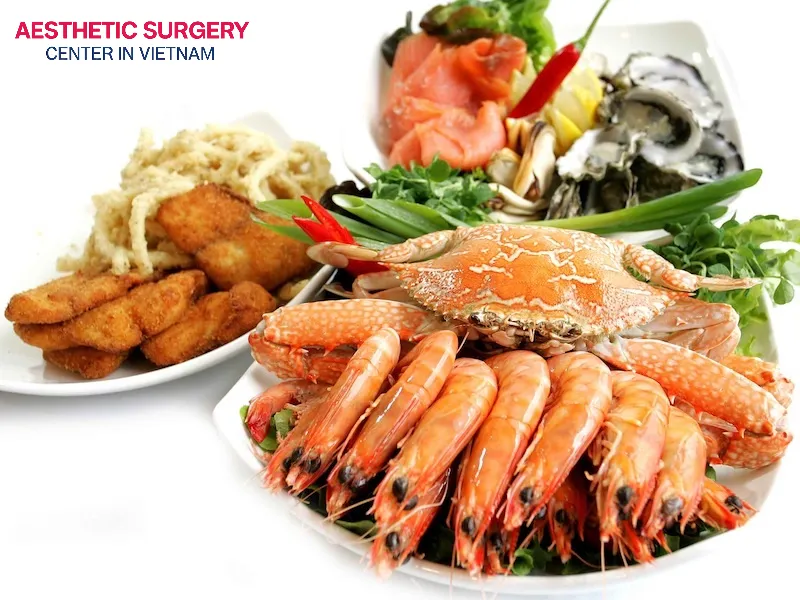
- Avoid seafood and fishy foods, as they can cause allergic reactions, itching, swelling, and slow wound recovery.
- Beef may lead to dark or keloid scars, so it’s best to avoid it for at least the first four weeks after surgery.
- Chicken and duck can increase body heat, which may cause swelling, pus, itching, and discomfort, slowing the healing process.
- Eggs should also be avoided, as they can cause uneven skin pigmentation and affect the appearance of the scar after healing.
- Spicy foods, alcohol, carbonated drinks, and stimulants can hinder blood circulation, cause inflammation, and slow down tissue repair and recovery.
What should you eat after eyelid surgery for a faster recovery?
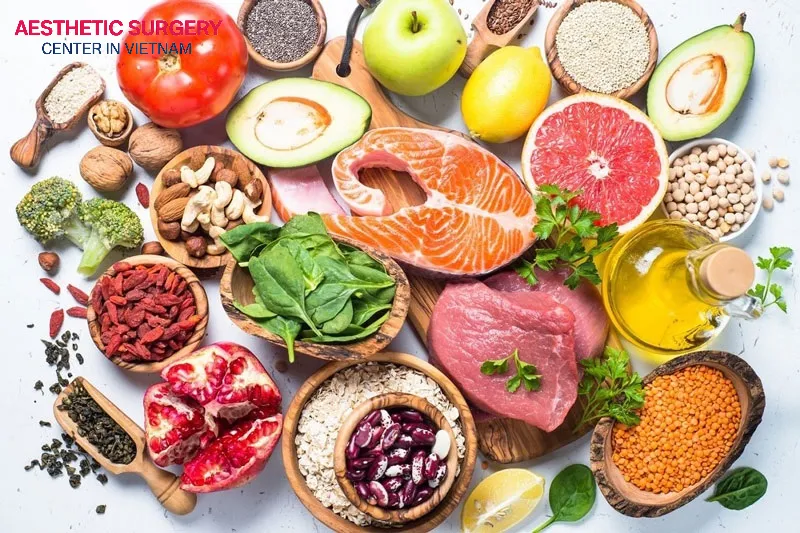
Choosing the right foods after surgery is essential for a fast recovery and achieving the desired aesthetic results. Identifying the best fruits to eat after eyelid surgery—such as strawberries, watermelon, guava, and kiwi—is a great starting point, as these are excellent sources of Vitamin C. Increasing your intake of these nutrients helps boost the immune system and promotes faster wound healing. Below are some additional foods you should include in your diet:
- Foods rich in vitamin C such as strawberries, watermelon, guava, kiwi, and green vegetables like broccoli are excellent sources of nutrients. Increasing your vitamin C intake helps boost the immune system and promotes faster wound healing.
- Zinc-rich foods are also important for cell regeneration and wound healing. Add foods like pumpkin seeds, cashews, almonds, and whole grains to your diet.
- Protein-rich foods are vital for cell repair. Getting enough protein from sources such as beans, mushrooms, and lean meat helps wounds heal quickly and prevents hypertrophic scarring.
- Foods rich in vitamin A help stimulate collagen production and speed up wound recovery. You can find them in pumpkin, sweet potatoes, tomatoes, and bell peppers.
- In addition to these foods, make sure to drink enough water and include fresh fruit juices to provide your body with extra vitamins and minerals.
To maintain good health and achieve the desired aesthetic results, it’s important to follow a balanced and healthy diet and lifestyle to help your body recover faster. With the insights shared above from the experts at Aesthetic Surgery Center In Vietnam on “Can I eat fish after eyelid surgery?”, we hope you now have a clearer understanding and know how to properly take care of yourself after surgery.
>>> See more: What to avoid eating after eyelid stitching?










Comment on the post