


Early recognition of signs of infection after breast reduction surgery is key to protecting both your aesthetic results and your overall health. Although this procedure is generally safe, neglecting post-operative care may lead to unwanted complications. Learn how to identify abnormal symptoms and effective prevention methods below.
Factors that increase the risk of infection after breast reduction surgery
To ensure a smooth recovery, it is important to understand the factors that may negatively affect wound healing. Many elements, from body condition to lifestyle habits, can unintentionally create an environment for bacteria to develop. Below are the main risk factors you should pay attention to:
- Smoking: Nicotine causes blood vessel constriction, reduces oxygen supply to tissues, and slows down the natural healing process.
- Diabetes: High blood sugar levels suppress the immune system, making it harder for the body to fight bacterial infection.
- Poor nutrition: Lack of essential proteins and vitamins prevents the skin from properly regenerating and closing surgical wounds.
- Improper post-operative hygiene: Not following dressing change instructions or exposing the incision to contaminated environments is one of the most common causes of infection.
- High BMI: Excess body fat may reduce blood circulation to the skin layers, creating favorable conditions for infection development.
- Weakened immune system: The use of immunosuppressive medication or chronic illnesses can reduce the body’s natural defense ability.
Recognizing these risks early helps both you and your surgeon prepare the best possible plan before undergoing surgery.

Signs of infection after breast reduction surgery
After completing the cosmetic procedure, closely monitoring your body’s response is extremely important. Any unusual changes in the breast area may be a warning sign that the immune system is fighting bacteria. Below are specific symptoms that can help you recognize infection early:
Excessive pain and swelling
Normally, pain should gradually decrease after a few days of rest and prescribed medication. However, if you notice sudden, severe pain that cannot be relieved by painkillers, this is an abnormal sign. Intense pain accompanied by tightness often indicates that inflammation may be spreading. You should contact your surgeon immediately for evaluation of the underlying soft tissue.
Swelling
Mild swelling is a natural response after surgical intervention in the breast tissue. However, if one breast becomes significantly larger than the other or swelling increases rapidly, you should pay close attention. Swelling accompanied by a warm or burning sensation when touched may indicate fluid buildup or infection. Monitoring swelling helps surgeons assess the healing progress of the surgical site.
High fever
Fever is the body’s natural defense mechanism when it detects the invasion of foreign bacteria. If your body temperature rises above 38°C and is accompanied by chills, this may indicate a systemic infection. You should not self-medicate with fever reducers at home while ignoring the underlying cause. High fever after cosmetic surgery always requires immediate medical attention from a specialist.
Bleeding
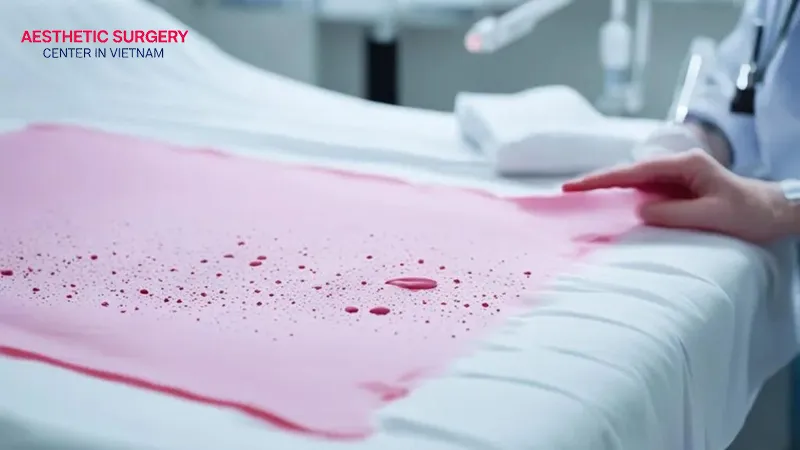
It is normal to see a small amount of pink fluid through the dressing within the first 24 hours after breast reduction surgery, so there is no need to worry in this case. However, if fresh blood continues to leak or large bruises develop, the risk of infection increases.
Accumulated blood can create an ideal environment for bacterial growth and place pressure on surgical sutures. You should closely monitor the amount of discharge to ensure the wound remains clean, dry, and safe.
Pus discharge from the surgical incision
One of the most typical signs of infection is the appearance of pus, which may be yellow, green, or cloudy white. This discharge often has an unpleasant odor and may leak directly from the incision line or needle entry points. Pus is made up of dead white blood cells and bacteria, indicating that an active infection is present beneath the skin surface. You should clean the area very carefully and seek medical care immediately for proper drainage and treatment.
Redness around the incision
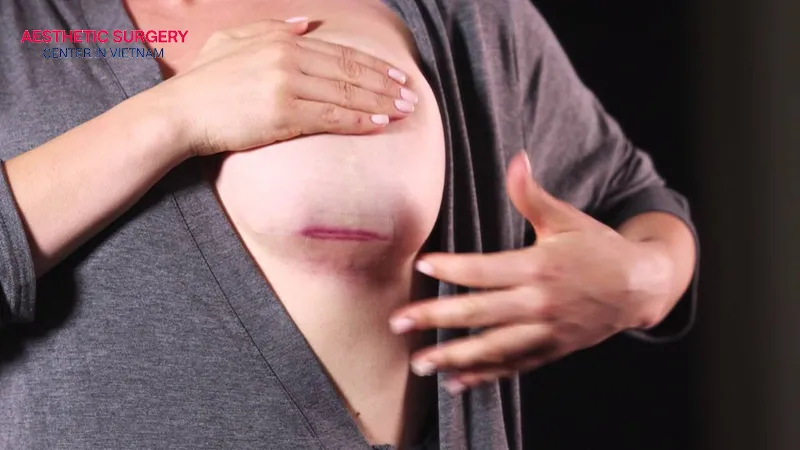
It is normal for the skin around the incision to appear slightly pink during the healing process. However, intense redness is a different concern. If red areas begin to spread beyond the surgical site or appear as red streaks along blood vessels, this is a serious warning sign.
This condition is often accompanied by burning pain and skin that feels tight, shiny, and highly sensitive. It is a clear sign of cellulitis and requires prompt medical treatment.
What can you do to prevent infections after breast surgery?
Proactive prevention not only helps you avoid serious complications but also ensures the breast shape heals beautifully and as desired. Below are practical actions you can take to optimize your recovery process:
- Follow your prescription strictly: Take all antibiotics and pain medications exactly as prescribed by your surgeon, including correct dosage and timing.
- Keep the incision clean and dry: Avoid direct water contact with the surgical area during the early days and always change dressings using sterile tools.
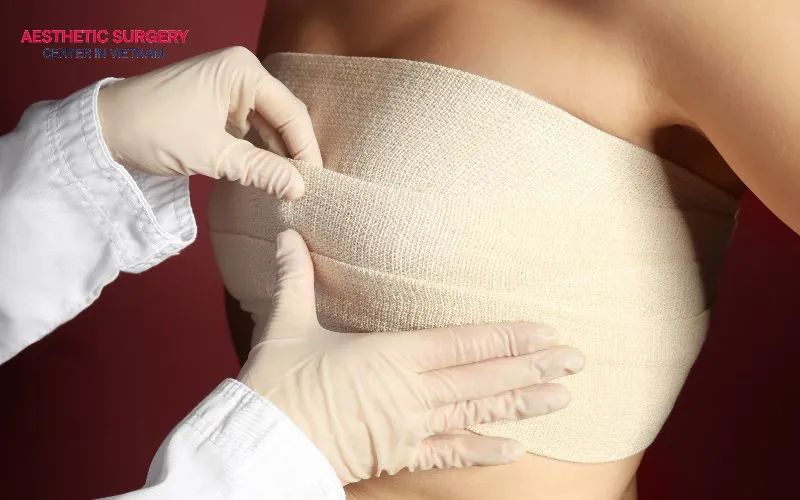
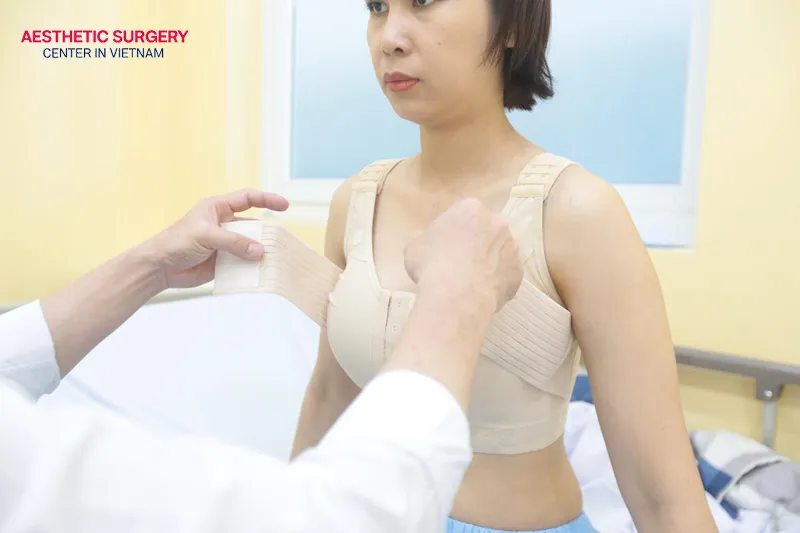
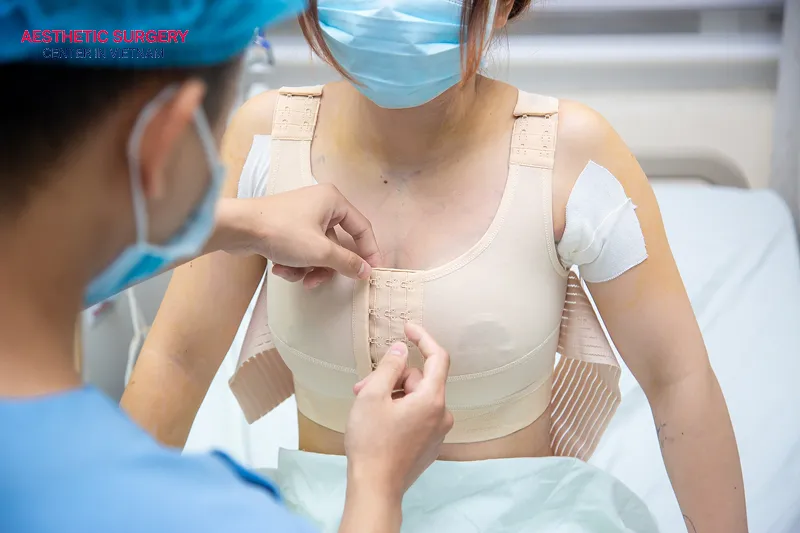
- Wear a support bra: Use a medical-grade compression bra to reduce swelling, support blood circulation, and stabilize healing tissues.
- Limit strenuous movement: Avoid lifting heavy objects or engaging in high-intensity exercise to prevent strain or disruption of the sutures.
- Maintain a clean lifestyle: Do not smoke or consume alcohol, as these significantly slow down skin cell repair and healing ability.
- Monitor body temperature: Check your temperature regularly to detect early signs of inflammation before they develop further.
Discipline in daily habits and lifestyle is the strongest “shield” to help prevent bacteria from entering the body during recovery.

Prevention tips to reduce the risk of infection
In addition to following basic medical instructions, applying the specialized tips below can help you build a more comprehensive protective barrier. These measures are divided into stages so you can easily apply them in daily life. A consistent combination of preparation and aftercare will significantly reduce the risk of aesthetic complications.
Pre-surgery measures
Infection prevention actually begins before you enter the operating room. You should shower using an antiseptic soap as instructed by your surgeon to reduce skin bacteria.
Treating any existing infections on the body is also an important preparation step. Make sure your body is in the healthiest possible condition so your immune system is ready for the breast reduction recovery process.
Post-surgery care
Wound care at home requires careful attention and strict hygiene. Always wash your hands thoroughly with an antiseptic solution before touching the dressing or surgical area.
Use sterile saline solution and medical cotton to gently clean the wound according to medical instructions. Keeping your resting environment clean and well-ventilated also helps reduce the spread of airborne bacteria.
Lifestyle factors
A healthy lifestyle plays a key role in determining how quickly tissues regenerate and how well the body resists bacteria. You should prioritize foods rich in zinc, vitamin C, and protein to support faster wound closure and tissue repair.
Getting enough sleep and maintaining a calm mental state helps the immune system function at its best. It is also important to drink enough water daily to support detoxification and deliver nutrients to the surgical area more effectively.
Follow-up appointments
Never skip scheduled follow-up visits, even if you feel your body is recovering well. Your specialist can professionally detect early signs of hidden infection that are not visible to the naked eye.
Regular check-ups help assess wound stability and allow timely adjustments in post-operative care. This is the final monitoring step to ensure the best possible aesthetic outcome.
How is breast infection treated after surgery?
When signs of breast infection appear after surgery, timely action is crucial to control the condition and protect the breast shape. Depending on the severity, the surgeon will prescribe a specific treatment plan to fully eliminate the infection. Below are the medical steps that may be required under professional supervision:
- Targeted antibiotics: The surgeon may prescribe oral or intravenous antibiotics to quickly eliminate harmful bacteria.
- Wound drainage and cleaning: If pus is present, a minor procedure may be performed to drain the infected fluid safely.
- Deep wound cleaning: The incision is disinfected using medical-grade solutions to remove dead tissue and prevent the infection from spreading.
- Bacterial culture testing: A sample of the wound fluid may be collected to identify the exact type of bacteria, helping to choose the most effective antibiotic treatment.
- Revision surgery if necessary: In severe or complicated cases, additional surgery may be required to completely remove the source of infection inside the tissue.
It is important to remember that professional medical intervention is the only effective way to fully treat post-surgical breast infection.
In summary, understanding the signs of infection after breast reduction surgery and following proper aftercare is essential for achieving optimal breast results. Being proactive in prevention and seeking timely medical intervention will help you go through the recovery period safely. Do not let concerns about complications interrupt your aesthetic journey. Contact your specialist immediately for consultation and professional support if you notice any unusual symptoms.













Comment on the post