



Breast reduction scars are one of the biggest concerns for women when deciding to reshape their breasts. Do breast reduction scar fade away on their own, or will they stay on the body permanently? Let’s explore the answers to these concerns so you can feel more confident before making your decision.
Does breast reduction leave scars?
In fact, any invasive procedure involving breast tissue will leave marks on the skin. Breast reduction surgery is no exception, as scars will form because the surgeon needs to make incisions to remove excess skin and fat. However, the location and shape of the scars depend greatly on the surgical technique used.
Today, cosmetic surgeons often place incisions in hidden areas or along the natural breast folds. Over time, with proper care, these scars can gradually fade and blend more naturally with your skin tone. While they may not disappear completely, they usually do not have a major impact on the overall appearance.
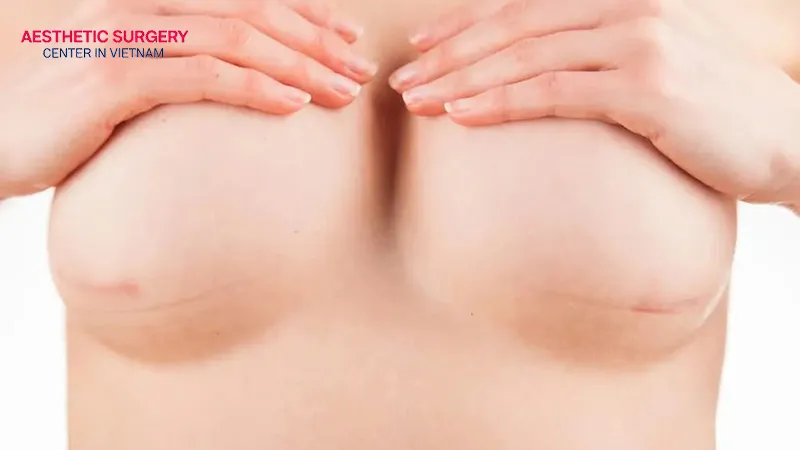
What are the most common breast reduction scar?
Depending on your skin type and the surgical technique used, breast reduction scar can form in different shapes. Below are the most common types of scars patients may experience after breast reduction surgery:
- Periareolar scar: The incision runs along the outer edge of the areola and is usually used for less extensive procedures. This type of scar has the advantage of being easier to hide because of the natural color transition between the areola and the surrounding breast skin.
- Vertical scar: This scar includes a circular incision around the areola and a vertical line extending down to the breast crease. Its shape looks like a lollipop and is commonly used when the surgeon needs to remove a moderate amount of tissue.
- Anchor scar: This is the traditional technique that includes an incision around the areola, a vertical line, and a horizontal line along the breast crease. This type of scar is more visible but allows the surgeon to fully reshape and reconstruct the breast.
- Inframammary scar: The incision is placed only along the natural fold under the breast to help hide surgical marks. This technique minimizes visible scarring on exposed skin and provides a more aesthetic result.
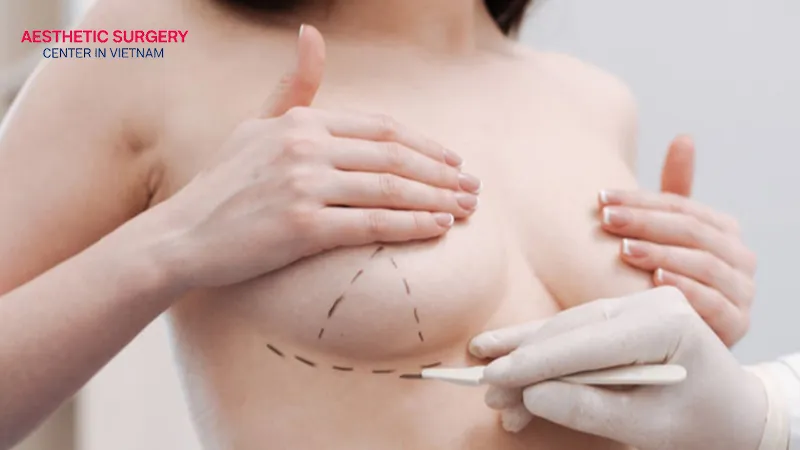
Do breast reduction scar go away?
In reality, breast reduction scar cannot disappear completely on their own. Over time, the body’s natural healing process helps stabilize the wound and change the texture of the scar. Scars often change from dark red to light pink and then gradually blend in with the surrounding skin tone.
However, this fading process is very slow and depends greatly on your skin type and aftercare routine. Without the use of scar treatment products, the scars will still remain as thin lines. Following post-surgery care instructions carefully and consistently is important to achieve the best cosmetic results.
Best scar treatment after breast surgery
To improve healing results and reduce breast reduction scar, combining modern treatment methods with proper home care is very important. Below are some of the most effective scar treatment options recommended by cosmetic experts today:
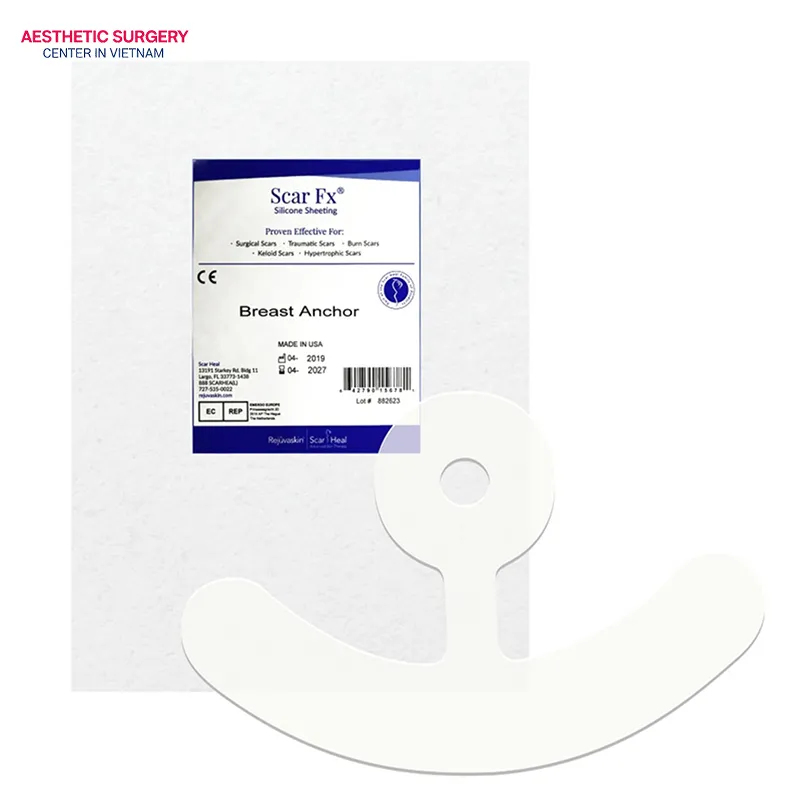
Silicone sheets or silicone gel
This is considered the gold standard for preventing raised scars and hypertrophic scars after surgery. Silicone creates a protective layer over the scar, helping retain moisture and flatten the scar tissue more effectively. It is best to start using silicone products once the wound has fully closed for the best results.
Laser therapy
Pulsed dye lasers and Fractional CO2 lasers can help break down the blood vessels that support scar tissue and stimulate collagen production. This treatment helps reduce redness, improve skin texture, and make scars blend with the surrounding skin faster. In most cases, multiple sessions are needed to see clear improvements.
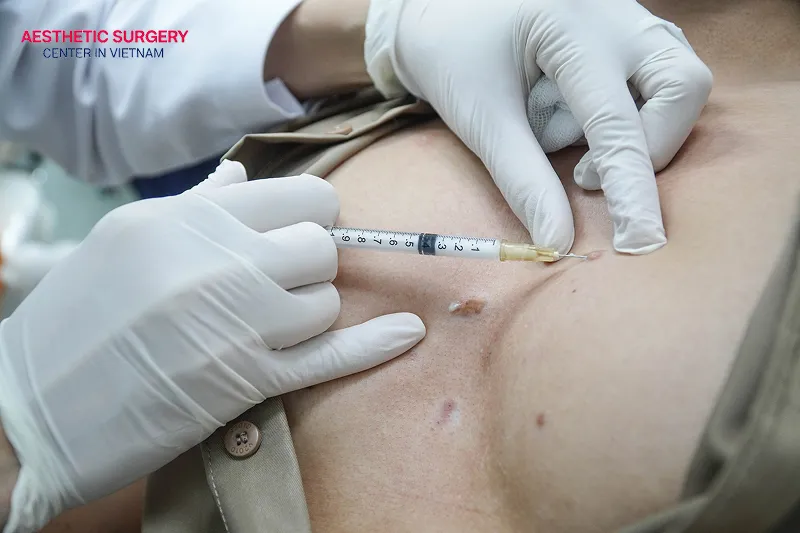
Corticosteroid injections for raised scars
For individuals who are prone to keloid or raised scars, corticosteroid injections can be an effective treatment option. These injections help soften thick scar tissue and reduce the scar’s height above the skin surface. This treatment should always be performed by a qualified specialist to ensure safety and accuracy.
Home care routine
Gently massaging the scar area every day can help improve blood circulation and soften scar tissue during your breast reduction recovery time. You should also protect the breast area from sun exposure to prevent darkening or discoloration of the scar. At the same time, maintaining a diet rich in Vitamin C and zinc can further support skin healing from within.
The process of fading breast reduction scar requires patience and proper care. Although scars cannot disappear completely, modern medical treatments can help you achieve a slimmer breast shape and smoother-looking skin. Be proactive in discussing with your surgeon to choose the most suitable scar treatment based on your skin type. Contact Aesthetic Surgery Center in Vietnam today for professional consultation and a safe scar treatment plan.













Comment on the post