



Smile line injections are widely regarded as a quick aesthetic solution that can rejuvenate the face by 5–10 years in just 15 minutes. However, in reality, many women find themselves facing the nightmare of nasolabial fold filler gone wrong, resulting in a face that feels stiff, lumpy, or even deformed. So, what are the underlying causes of these complications, and how can they be fixed? Let’s explore the details in the article below.
Signs of nasolabial fold filler gone wrong
Recognizing the early signs of a filler complication will help you seek timely treatment and avoid severe long-term consequences. Here are the 5 most typical signs:
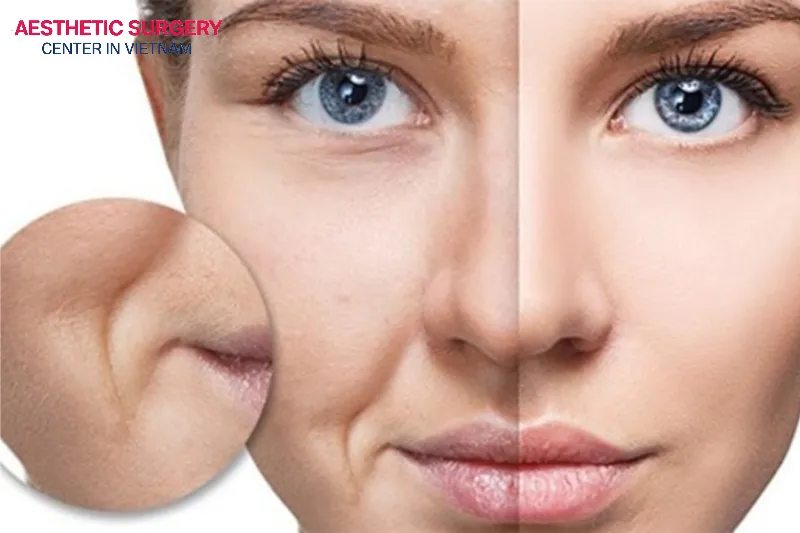
Abnormal lumps and uneven texture
The most noticeable sign is that the nasolabial fold is not smooth but displays small, hard bumps or patches of filler clumping under the skin. This is often caused by injecting too superficially (too close to the surface) or using a filler with high cohesivity that isn’t suited for a dynamic area like the smile lines.
Filler migration or displacement
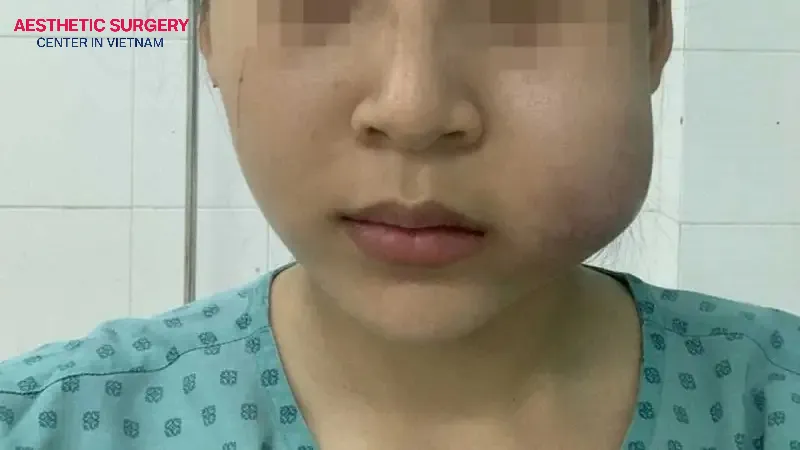
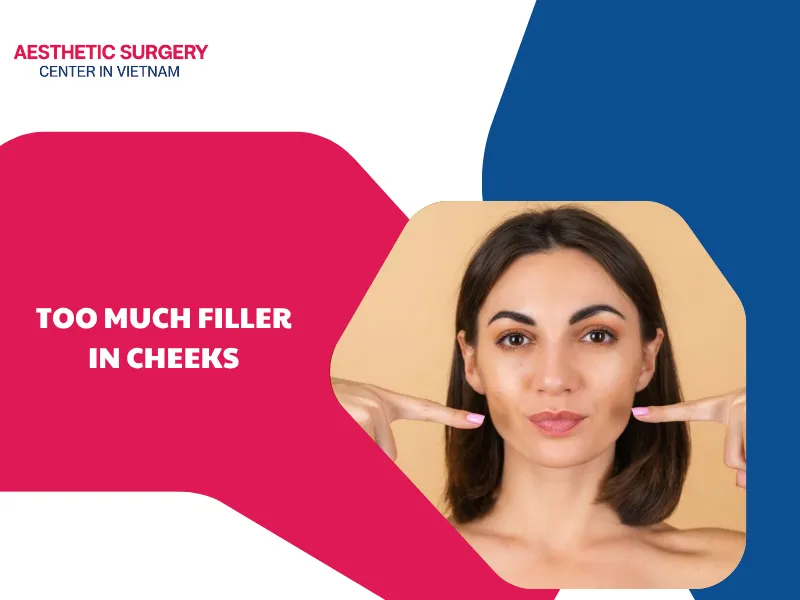
A common error is when the filler does not stay in the fold but “spills” upward toward the nose wings or downward into the cheeks. Overfilling or poor technique during a cheek filler procedure can make the folds look deeper or cause the upper cheek to protrude unnaturally—an effect sometimes jokingly called the “monkey face” in the industry.
Stiff facial expressions
When filler is injected incorrectly, your smile may look forced or crooked. This happens when filler is injected too deeply into the muscle layer or in excessive amounts, inhibiting the natural movement of the mouth muscles.
Prolonged swelling or discoloration
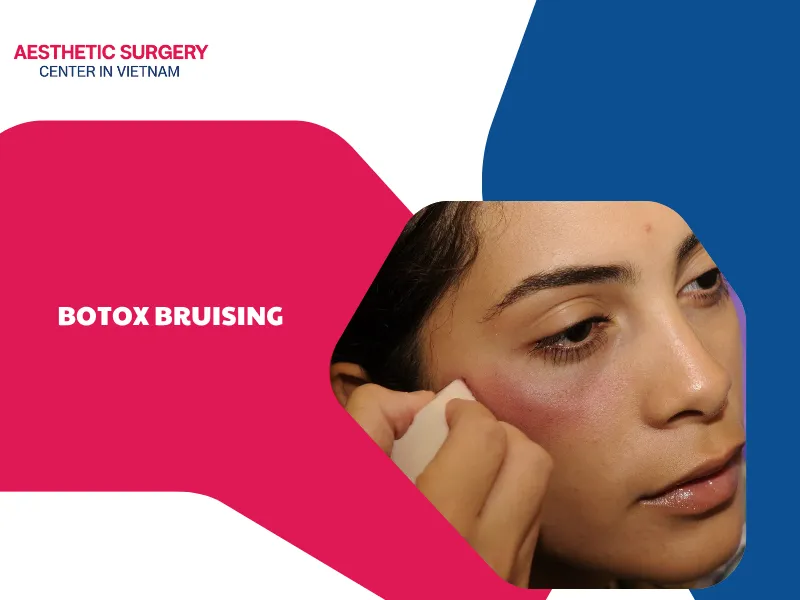
While mild swelling usually subsides after 2–3 days, persistent pain, redness, or a purple/pale tint is a “red alert.” This indicates the filler may have been injected into the wrong layer or, worse, is compressing a blood vessel, risking skin necrosis.
Facial asymmetry
Since smile lines often vary in depth on each side, an inexperienced injector might use equal amounts for both, leading to an unbalanced look where one side is overfilled while the other still has wrinkles.
Why do nasolabial fold fillers gone wrong?
Failed filler results usually stem from errors in technique, dosage, or product quality. Specifically:
Incorrect injection depth or placement
The nasolabial area has a complex anatomy of blood vessels and muscles. Injecting too shallowly causes lumps; injecting too deeply or into a blood vessel causes vascular occlusion.
Excessive dosage (overfilling)
There is a misconception that “more filler equals a flatter surface.” However, because this area moves constantly when speaking or eating, excessive filler will migrate to the cheekbones or nose wings, creating a “stiff” mask-like look.
Low-quality or inappropriate filler
Not all fillers are suitable for smile lines. This area requires a high-elasticity filler that integrates with tissue. Using cheap, unknown brands or “hard” fillers (meant for the chin or nose) will make the filler look like a “foreign object” when you smile.
Skill and experience of the practitioner
Filler injection is a medical procedure that requires in-depth knowledge of anatomy. Currently, many unlicensed beauty clinics with newly trained practitioners often lack a thorough understanding of the location of facial artery branches. Mistakes in assessing the depth of wrinkles or not controlling the syringe pressure lead to uneven filler distribution, causing facial asymmetry or clumping immediately after injection.
Poor sterilization procedures and post-operative care
The cause of complications related to prolonged inflammation and swelling after filler injections often stems from an injection environment that does not meet sterile standards. In addition, clients not following post-injection instructions, such as steaming, vigorous massage of the smile lines, or sleeping face down, can cause the filler to shift from its original position before it has had time to stabilize. This negligence turns a properly performed injection into a “failed” one due to filler displacement.

The “flip side” of nasolabial fold fillers
Despite being advertised as a quick and “non-surgical” beauty solution, nasolabial fold filler injections carry significant downsides that individuals should carefully consider before proceeding:
Risk of vascular occlusion and skin necrosis
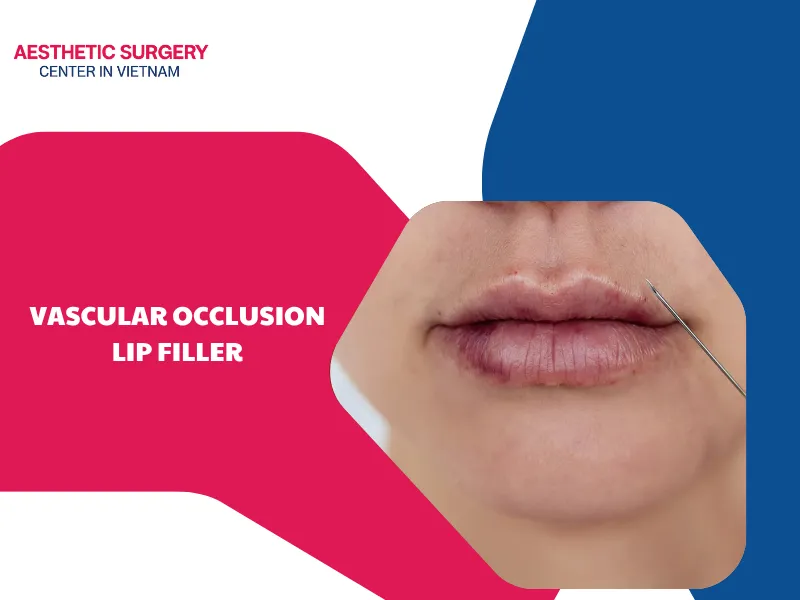
This is perhaps the most concerning risk for anyone considering the procedure. The nasolabial area contains a complex network of facial arteries that run close to the ophthalmic (eye) artery. If filler is accidentally injected into a blood vessel or causes excessive compression, blood circulation is disrupted. This can lead to necrosis (tissue death) of the skin around the nose and lips. In rare, extreme cases, it can even lead to blindness if the filler travels retrograde into the ophthalmic artery.
Dependency and the “filler overuse” phenomenon
Filler is not permanent; it typically dissolves after 6 to 18 months. A psychological downside is that many individuals fall into a cycle of “filler addiction,” leading to overly frequent touch-ups. Over time, natural fat tissues in the cheeks can become fibrotic or stretched due to the constant presence of foreign substances. When the filler eventually dissolves, the skin may appear more lax than its original state, forcing the user to inject larger volumes to maintain results.
The “frozen” face effect and loss of natural smile
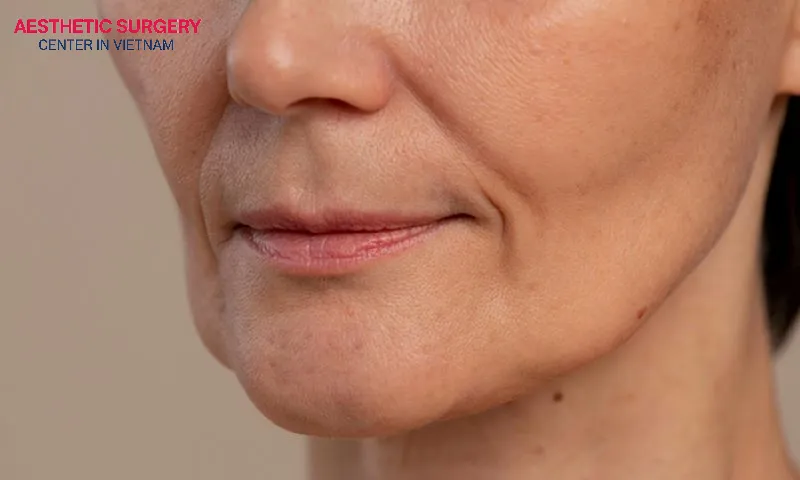
The nasolabial fold is a natural anatomical feature that allows the face to show expression when smiling. Attempting to completely “erase” this fold often results in an unnaturally flat appearance. When smiling, the facial muscles cannot contract naturally, creating a stiff, wax-figure-like sensation that robs the individual of their unique charm and vitality.
Filler migration over time
Filler is a soft gel. Under the influence of gravity and the continuous movement of facial muscles during talking, eating, and laughing, it can shift from its original injection site. Over time, you may notice the upper cheeks feeling “heavy,” or filler pooling near the corners of the mouth, forming small lumps under the skin. This negatively alters the facial structure in ways the user may not have initially anticipated.
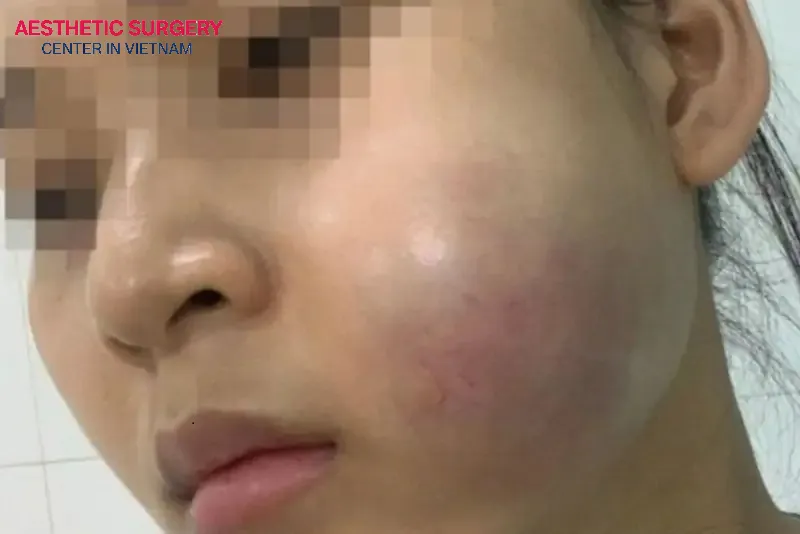
High maintenance costs and risks from substandard products
Unlike plastic surgery which offers long-term results, filler is a short-term investment with high long-term cumulative costs. Maintaining a wrinkle-free smile requires a significant recurring expense. This financial pressure often drives individuals toward cheap, unverified fillers at unlicensed spas, leading to chronic inflammatory reactions or granulomas (hard lumps) that are extremely difficult to treat.
Can nasolabial fold filler move?
Filler migration in the nasolabial area-also known as filler “spilling” or total displacement-can occur if the procedure is not performed with the correct technique.
The primary cause is that while the nasolabial fold is a deep line, it is located in a highly dynamic zone where facial muscles constantly contract during smiling, speaking, or eating. If the filler is injected too superficially, in excessive amounts, or if a product with poor tissue integration is used, muscular pressure will push the filler out of its original position. This usually results in the filler “spilling” upward toward the cheeks, creating an unnatural appearance.
Furthermore, external factors such as strong pressure from massages, sleeping face-down, or using saunas immediately after the procedure—while the filler has not yet stabilized-can also cause shifting. To fix this, doctors typically prescribe hyaluronidase (filler dissolver) to return the skin to its original state before considering a more precise re-correction.
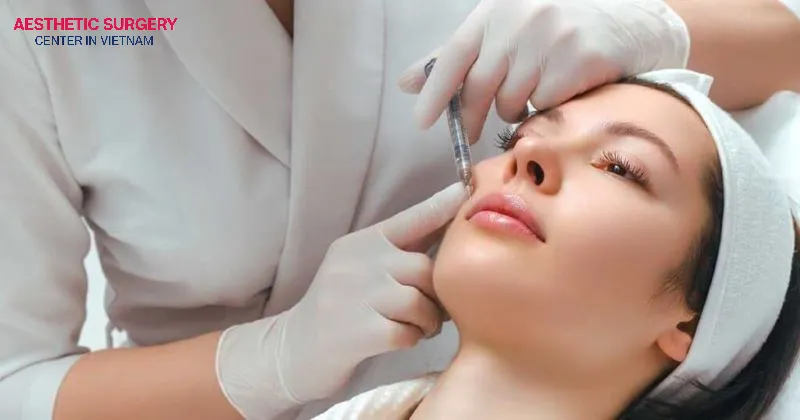
What should i do if i suspect a complication?
If you suspect something is wrong, stay calm and follow these steps:
- Contact a specialist immediately: Do not try to treat it at home. Contact the performing doctor or visit a hospital with a dermatology/plastic surgery department for a professional diagnosis.
- Stop all pressure on the area: Do not massage, squeeze, or apply intense heat/cold to the area. This can push the filler into dangerous spots or worsen a blockage.
- Monitor and document: Take clear photos and note when symptoms (like spider-web patterns on the skin or intense pain) started. This information helps the doctor decide if a Hyaluronidase (filler dissolver) injection is needed immediately.
- Follow the medical protocol: Adhere strictly to prescribed antibiotics or anti-inflammatories. Do not use “folk remedies” or unverified creams that could cause drug interactions.
>>> See more: Avoid complications from dermal fillers

How to choose a qualified injector to minimize risks?
To select a qualified injector and ensure your safety, you should base your decision on the following critical criteria:
Verify degrees and professional certifications
The first essential criterion is that the practitioner must be a specialized doctor with a valid medical license and a deep understanding of facial anatomy, including the vascular and nervous systems. You have the right to ask the practitioner to show their training certificates for dermal filler injections issued by competent medical authorities.
Choose a licensed facility
The skill of an injector is usually tied to the reputation of the establishment. A reputable doctor will work at aesthetic hospitals or specialized clinics licensed by the Ministry of Health or the Department of Health. In these facilities, not only is the doctor’s expertise guaranteed, but sterile procedures, filler origins, and emergency equipment are always strictly maintained. Stay away from “underground spas” or salons that lack the legal authorization for filler injections, as the greatest risks often come from places with inadequate medical conditions.

Evaluate the consultation and examination process
A qualified injector will always perform a thorough direct examination and consultation rather than simply injecting at the customer’s request. They will assess your bone structure and skin elasticity, ask about your allergy history, and clearly explain the type of filler to be used as well as potential risks. If an injector promises “permanent” results, offers suspiciously low prices, or ignores your underlying medical conditions, these are red flags for lack of professionalism and expertise.
Research experience and real results
You should look for reviews from previous clients or view “before and after” photos of the doctor’s actual work. However, be cautious of overly edited images. A conscientious and high-caliber doctor will prioritize natural, harmonious beauty rather than over-injecting and distorting the client’s face.
Verify product transparency
A qualified practitioner always upholds transparency by allowing you to inspect the packaging, labels, and expiration dates of the product before the injection. Quality fillers (such as Juvederm, Restylane, etc.) all feature barcodes and anti-counterfeit stamps. The doctor should explain why they chose that specific product for your nasolabial folds or chin. Product transparency not only minimizes the risk of allergic reactions but also demonstrates the doctor’s confidence and responsibility toward the client.
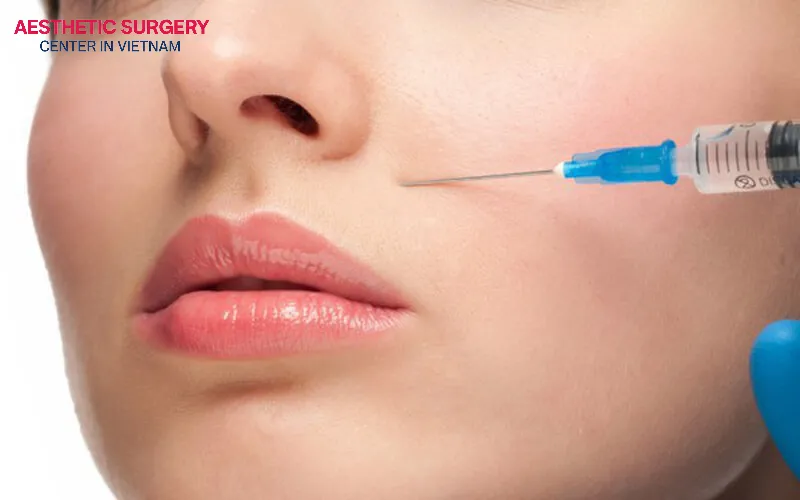
Experiencing a nasolabial fold filler gone wrong is something no one ever wants; however, you should not be overly anxious. Modern aesthetic medicine is fully capable of correcting these errors if intervened in time by skilled experts. Instead of attempting to fix the issue yourself at home, proactively contact reputable medical facilities for an examination and the most appropriate treatment plan. Remember, the most perfect beauty always stems from a healthy body and a safe aesthetic procedure.















Comment on the post