



Early recognition of the signs of lip filler gone wrong is a very important part of the beauty journey. It helps you make the right decisions, prepare carefully in all aspects, and follow the aftercare process more strictly. This article will help you understand the signs of lip filler has gone wrong, the causes, and timely solutions. Let’s take a look.
How do you know if lip filler has gone wrong? Signs to look for
Carefully observing and evaluating the lip area after the procedure is the most important step to answer the question: “How do you know if lip filler has gone wrong?” Below are signs that indicate lip filler gone wrong or complications that you should pay close attention to.
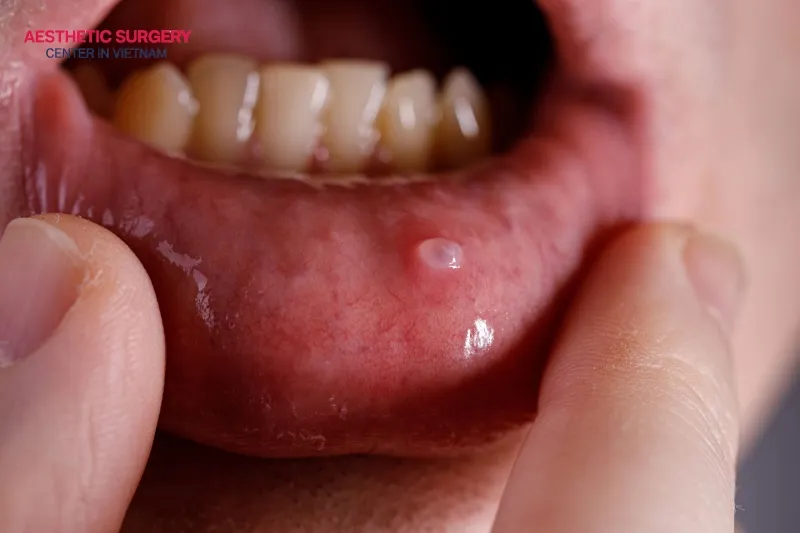
Lumps and bumps
The appearance of small lumps or firm swelling under the skin after the filler has settled is a sign of improper injection technique. These bumps usually appear when the injector places the filler too superficially or injects unevenly, causing the substance to integrate poorly with the natural tissue.
If you feel uneven lumps under the lip surface and they do not improve after two weeks, they may be granulomas or clumped filler. Although this condition may not cause immediate pain, it can seriously affect the aesthetic result and requires treatment from a qualified doctor.
Overfilled or “duck lips”
“Duck lips” is a term used to describe lips that protrude too far forward and lose harmony with the overall face. This condition is a common sign of lip filler gone wrong. It often occurs when the amount of filler exceeds what the lip structure can tolerate.
When too much filler is injected, it creates pressure on the lip border and pushes the tissue outward in an unnatural way. This sign is not only an aesthetic problem but also reflects a lack of knowledge about facial proportions and anatomy by the injector.
Migration and “filler mustache”
Filler migration is a condition where the filler moves away from the original injection site and spreads to the skin above the lips. This creates the effect known as a “filler mustache.”
A clear sign appears when you move your lips or smile. The skin above the upper lip border rises and forms a visible ridge compared to the surrounding skin. This usually happens due to incorrect injection depth or excessive filler placed in the delicate lip border area. The result looks unnatural and makes the lip border lose its sharp definition.
Swelling and bruising
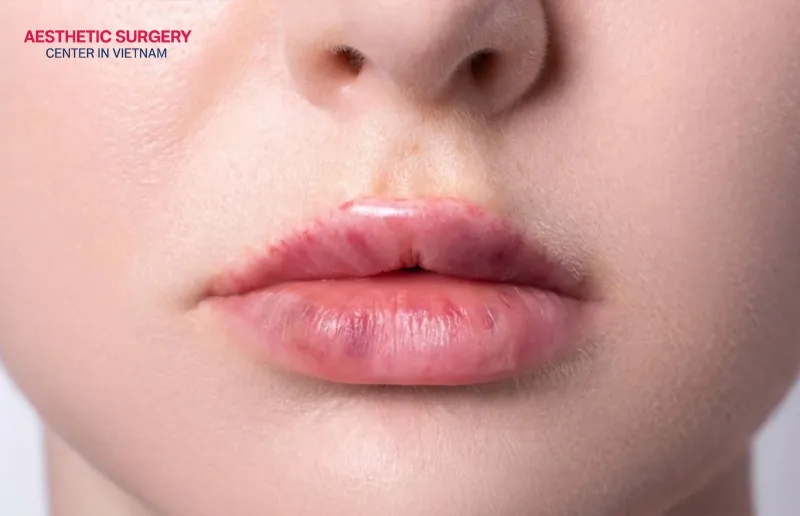
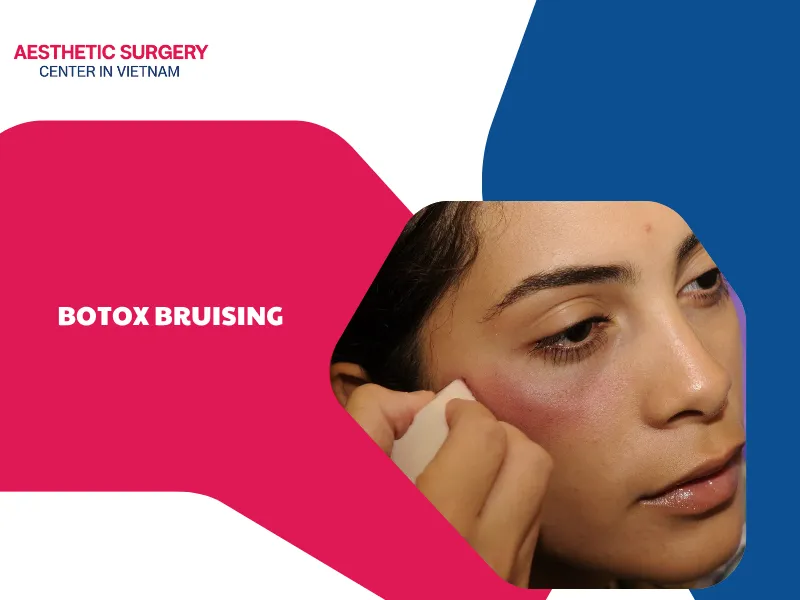
After the injection, mild bruising and inflammation are natural reactions to the needle as you progress through the initial lip filler swelling stages. However, if this condition lasts longer than 14 days or the swelling becomes worse instead of improving, you should be highly cautious and contact your specialist.
Widespread bruising with a burning sensation and persistent pain may indicate serious blood vessel damage. Instead of ignoring it, observe the color of the swollen area. If the skin turns pale purple or shows unusual discoloration, contact your aesthetic clinic immediately to check the level of tissue damage.
Infection
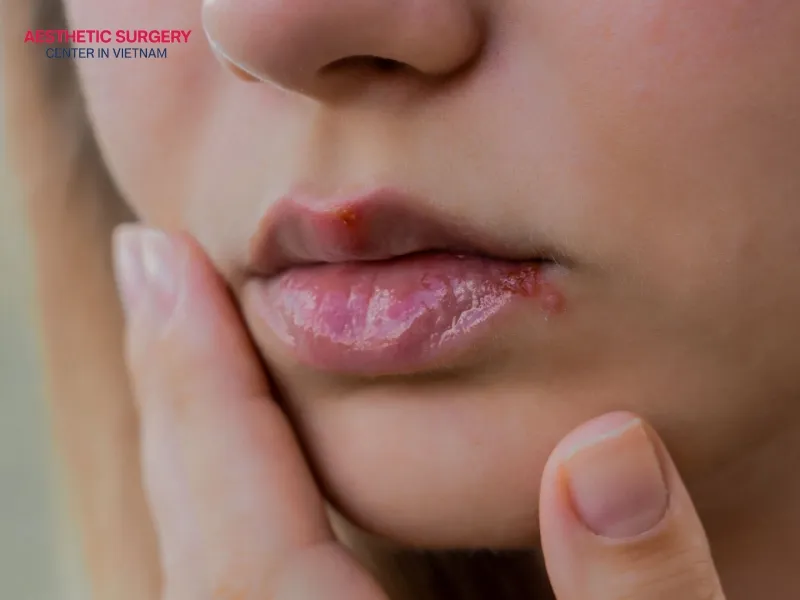
Infection is a dangerous complication. Typical signs include severe lip swelling, bright red skin, warmth when touched, and the presence of pus or unusual fluid. In more serious cases, you may experience fever or chills.
This is an emergency condition. You must seek medical care immediately to receive appropriate antibiotics. Do not try to treat it yourself or apply heat. This may cause bacteria to spread faster and lead to unpredictable consequences.
Vascular occlusion
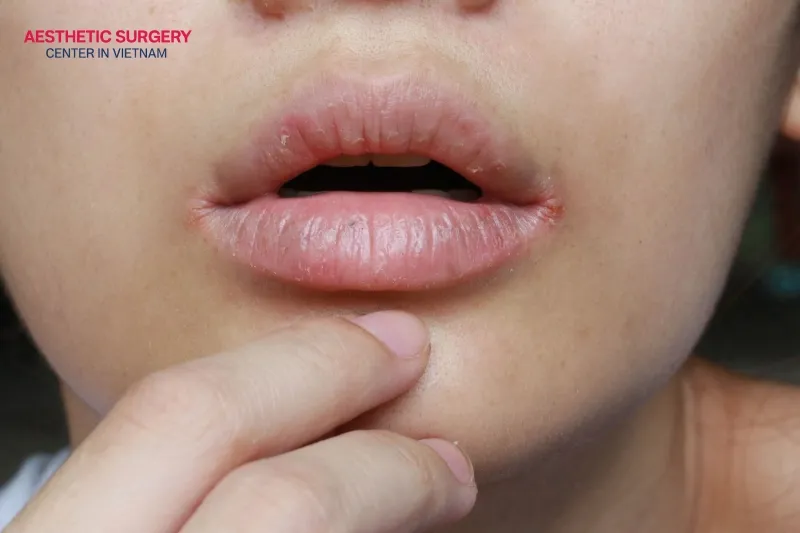
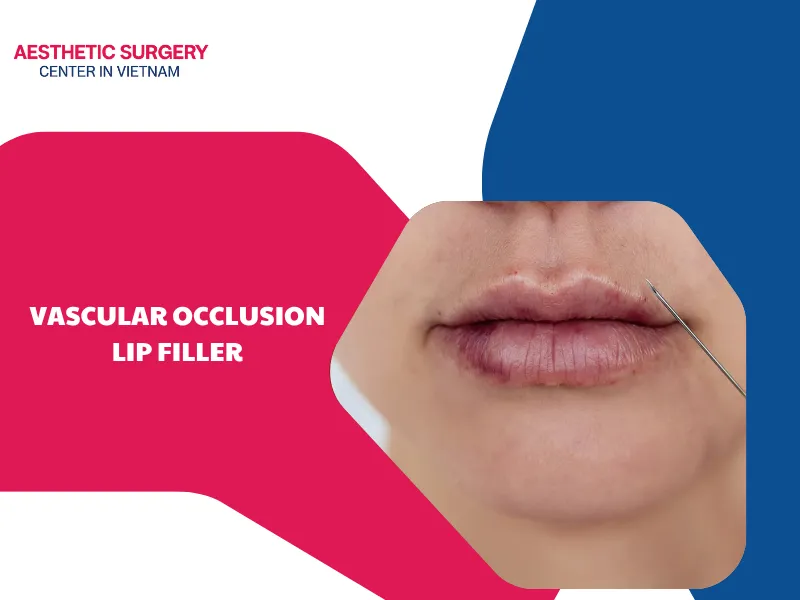
This is the most serious emergency complication in lip filler injection. It occurs when filler enters a blood vessel and blocks blood circulation. Early signs include severe pain at the injection site. The lip skin may turn pale white and then gradually change to grayish purple or black.
If not treated quickly, the tissue may become necrotic. This can leave permanent scars or cause loss of part of the lip structure. If you notice unusual pale skin together with pain, go to the nearest hospital immediately. Time is the key factor in saving the lip tissue.
Allergic reactions
Filler allergy is an immune reaction to the components of the filler substance. Signs include intense itching, red spots, rash, or swelling of the lips that may spread to nearby skin. In severe cases, breathing difficulty or anaphylactic shock may occur and require immediate medical attention.
Although allergic reactions to HA fillers are quite rare, each person’s body is different. If you have a history of allergies, always inform the doctor before the procedure so a reaction test can be performed to ensure maximum safety.
Asymmetry
Asymmetry is a condition where one side of the lip is larger than the other, the lip border appears uneven, or the overall balance is lost after the filler has settled. This may only be an aesthetic issue.
If your lip shape looks uneven after the recovery process, you should return to consult with your doctor. A highly skilled specialist can refine the result by adding a small amount of filler or adjusting it to achieve better balance.
However, you should make sure the cause is not related to other inflammatory complications before performing any corrective procedure.
Common causes of lip filler gone wrong
Understanding the signs of lip filler gone wrong is the first step. However, to prevent risks, you also need to understand the causes behind these complications. A failed lip filler procedure is often the result of several mistakes combined.
Technical errors
Technical errors are the leading cause of unsatisfactory aesthetic results. This happens when the injector identifies the wrong skin layer for treatment, such as injecting too superficially or too deeply. Uneven injection speed or excessive hand pressure can also cause the filler to distribute unevenly, creating unnatural lumps and bumps.
Anatomical oversights
The lip area contains a very complex network of blood vessels and nerves. It requires the injector to have deep medical knowledge. Not understanding the anatomical structure can lead to serious mistakes such as injecting directly into the lip artery. This may cause vascular occlusion and rapid tissue necrosis.
Each person has a different anatomical structure. If a standard injection method is applied without considering the individual vascular pattern, the risk of serious complications becomes very high.
Use of non-medical-grade filler
The aesthetic market currently contains many unregulated fillers with unclear origins. Some may contain dangerous substances such as liquid silicone. These low-quality products often have poor biocompatibility. They can cause rejection reactions, persistent inflammation, or the formation of hard granulomas over time.
Even when the ingredient is Hyaluronic Acid, if purity is not guaranteed or cross-linking is unstable, the filler can deform. It may also migrate to nearby areas and lead to poor aesthetic results.
Inexperienced or untrained injectors
Injecting filler is not only about inserting a needle into the skin. It also requires aesthetic judgment and risk management. Injectors who are not properly trained often cannot assess the correct dosage. This may lead to filler overuse and the “duck lips” effect.
More importantly, they may lack the medical knowledge needed to recognize early signs of serious complications. As a result, the “golden time” to dissolve the filler and correct the problem may be missed.
Unsanitary facilities and lack of sterility
A procedure performed in a non-medical-standard environment can easily lead to serious infections. Bacteria may enter through needles, unsterilized instruments, or even through contaminated air in a poorly controlled treatment room.
Getting lip filler at unlicensed spas, hair salons, or private homes that do not follow strict sterilization protocols is extremely dangerous. Once bacteria enter the lip tissue, they can spread quickly. This may cause pus, abscesses, and permanent deep scars.

Incomplete patient history
If the injector does not carefully check the patient’s allergy history, medication use (such as blood thinners), or underlying medical conditions, severe bruising after lip filler or allergic reactions may occur.
Not properly evaluating the patient’s expectations and natural lip structure before the injection can also lead to dissatisfaction with the final result. A professional procedure always begins with understanding the patient’s condition in order to create the safest treatment plan.
How to correct lip filler complications?
When unusual signs appear, proper and timely treatment is essential to protect your lips and overall health. Below are professional correction methods you should know.
Dissolving filler with hyaluronidase
For lip filler mistakes related to HA filler such as lumps, duck lips, asymmetry, or filler migration, the most effective solution is injecting the enzyme Hyaluronidase. This enzyme can quickly break down filler bonds and dissolve them within 24 to 48 hours. It is considered the “golden key” to restore the lips to their original condition before performing any new aesthetic adjustments.
Emergency intervention for vascular occlusion
This is a medical emergency. If signs such as pale white skin or severe pain appear, the doctor will immediately perform a high-dose dissolving injection in the affected area to reopen the blocked blood vessel.
At the same time, supportive treatments such as warming massage, vasodilator medication, or anticoagulants may be prescribed to restore blood circulation. This helps prevent the risk of permanent tissue necrosis.
Treatment for infection and allergic reactions
- Infection: The doctor will prescribe oral or injectable antibiotics depending on the severity. You should never attempt to drain pus at home because it can allow bacteria to spread deeper into the bloodstream.
- Allergic reactions: Antihistamines or corticosteroids may be used to reduce swelling and itching. In cases of anaphylactic shock, emergency treatment with epinephrine is required at a fully equipped medical facility.
Aesthetic correction after recovery
After 2 to 4 weeks, when complications have been resolved and the lip tissue has fully healed, you may consider reinjection to correct asymmetry. Make sure you choose a highly skilled doctor, use medical-grade filler, and perform the procedure at a reputable medical facility to redesign a more balanced and harmonious lip shape.
Recognizing the early signs of lip filler gone wrong is not only a way to protect your appearance but also a responsibility for your own health. Do not let cheap advertisements influence your decision. Always prioritize reputable clinics, experienced doctors, and medical-grade products. Hopefully, this article has provided you with practical knowledge so you can feel more confident on your journey to enhance your beauty.













Comment on the post