



Chin filler injections help create a well-shaped, balanced chin that is harmonious with the face. However, in some cases, the filler may shift or move from its original position. Understanding chin filler migration, including its causes, signs, and prevention, can help you maintain long-lasting and safe results.
Does chin filler migrate?
Chin filler can migrate, but this is quite rare. Normally, filler is designed to stay stable at the injection site. However, over time, factors such as facial movement, gravity, or the properties of the filler may cause slight movement. This change happens gradually, not a sudden shift to another area.
When migration occurs, you may notice the chin becoming slightly uneven, lumpy, or mildly swollen. However, many changes seen right after injection are usually due to swelling or tissue settling and will improve over time.

What causes chin filler migration? Understanding the underlying factors
Chin filler migration can occur due to several factors, including injection technique, type of filler, and dermal fillers aftercare, as follows:
- Incorrect injection technique: Injecting too superficially or into the wrong tissue layer makes the filler less stable and more likely to move over time.
- Overfilling: Using too much filler creates pressure on the tissue, causing it to spread to surrounding areas.
- Inappropriate filler choice: Filler that is too soft or lacks support may not hold its shape well in the chin area.
- Frequent facial movement: Talking, chewing, and facial expressions can gradually affect filler position.
- External pressure after injection: Massaging, pressing, sleeping face down, or intense activity too soon can cause the filler to shift.
- Improper aftercare: Not following the doctor’s instructions may affect filler stability before it settles.
- Individual factors: Skin elasticity, tissue density, and metabolism can influence how well the filler stays in place.
- Time and gravity: Over time, filler may slightly migrate if not well supported.
- Repeated injections: Frequent or early repeat injections can disrupt tissue and increase the risk of filler displacement.
Recognizing the signs of filler migration: Early identification and diagnosis
You can identify chin filler migration through the following signs:
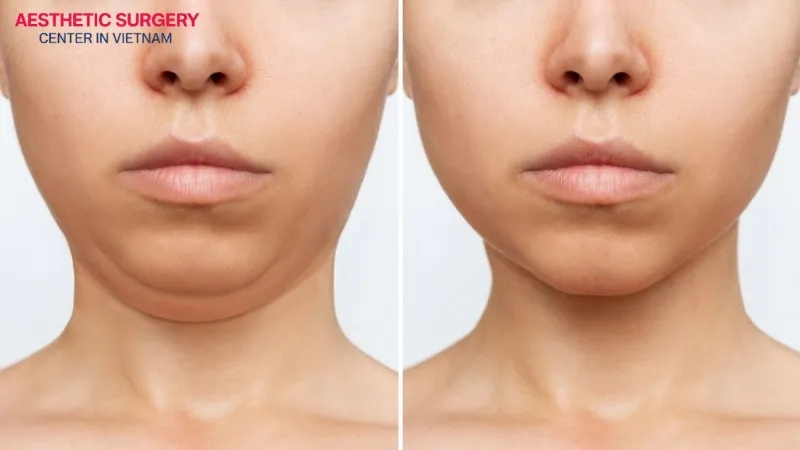
- The chin may become asymmetrical, with uneven sides or a different shape than before
- You may see or feel lumps or irregularities, making the chin less smooth
- The chin may appear wider or bulkier as the filler spreads beyond the treated area
- A feeling of heaviness or firmness in the chin
- The chin and neck may look less defined, losing the clear separation
- Facial expressions around the chin may appear slightly unnatural when speaking or moving
Note: Mild swelling or slight unevenness in the first few days is normal. Filler migration usually becomes noticeable after a few weeks, once the swelling begins to subside.
How can dermal filler migration be prevented?
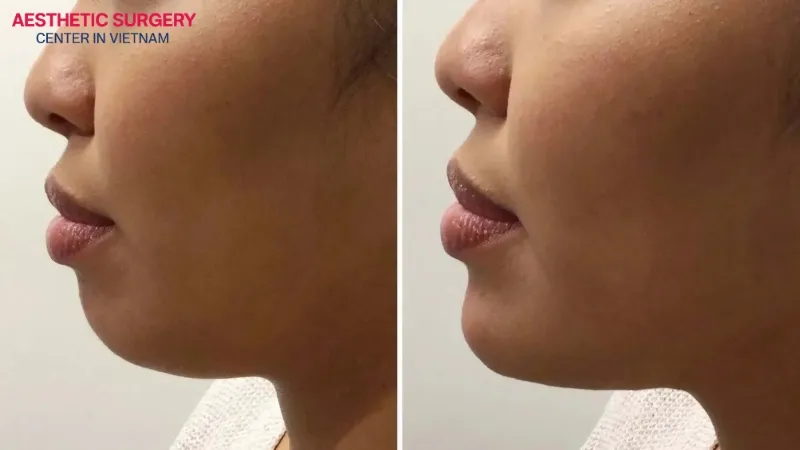
To prevent chin filler migration, you should prepare carefully before the injection and follow proper aftercare. Key points include:
Choose the right filler
- Use filler with high viscosity, good cohesiveness, and strong structure to help maintain chin shape against facial movements
- Avoid fillers that are too soft or not designed for the chin and jaw area, as they are more likely to migrate
Proper injection technique
- Place the filler deep in the correct tissue layer to keep it stable
- Use a cannula instead of a needle when possible to reduce tissue trauma and migration risk
- Inject slowly in small amounts, avoiding large volumes at once
- Distribute filler in multiple small points rather than a single line in high-movement areas
- Mold and shape the filler immediately after injection to secure its position
Aftercare
- Do not touch, massage, or apply pressure to the chin area for at least 2 weeks
- Sleep on your back and avoid sleeping face down or on your side
- Avoid intense exercise for the first 48 hours after injection
- Limit strong facial expressions in the first few days
- Attend follow-up appointments to check filler position and stability
Corrective treatments for chin migrated fillers
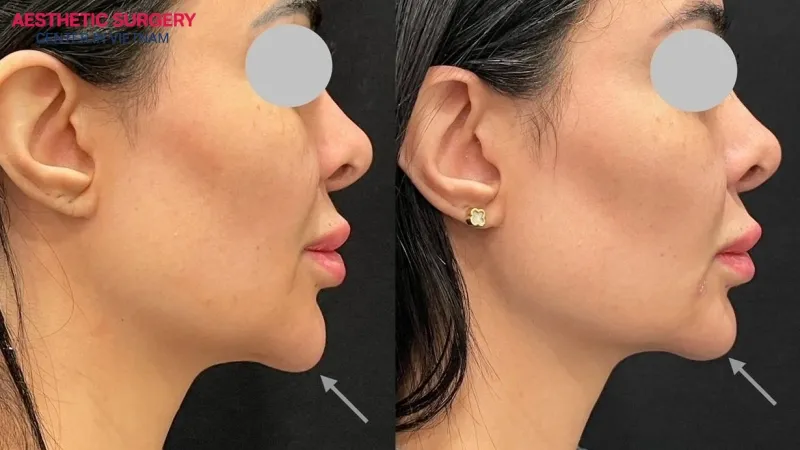
If chin filler contouring shifts or migrates, most cases can be corrected safely and effectively.
- Hyaluronidase can be used to dissolve hyaluronic acid–based fillers safely.
- After the filler is dissolved, you should wait until the chin fully recovers before reinjection.
- For more complex cases, consult an experienced aesthetic doctor for careful and safe correction.
- The correction process may include reassessing the overall facial structure and planning the filler treatment to ensure long-term results.
- It is important to identify and address the cause of migration (such as filler type or injection technique) to prevent it from happening again.
Understanding and managing chin filler migration is key to maintaining a natural-looking chin. Choosing an experienced doctor, following proper injection techniques, and maintaining correct aftercare will help ensure stable results and minimize risks. To learn more about safe and effective aesthetic procedures, follow and explore more articles from Aesthetic Surgery Center in Vietnam!

















Comment on the post