



In hair restoration surgery, finasteride is often considered an ideal solution to prevent progressive hair loss. However, due to health concerns and side effects, the demand for hair transplant without finasteride is increasing. So what is finasteride? Do you have to take finasteride after hair transplant? This article will help answer your questions about this medication.
What is finasteride?
Finasteride is a prescription medication that belongs to the class of type II 5-alpha-reductase inhibitors. It is approved by the FDA — the U.S. Food and Drug Administration — to treat two main hormone-related conditions in men: androgenetic alopecia (male pattern baldness) and benign prostatic hyperplasia.
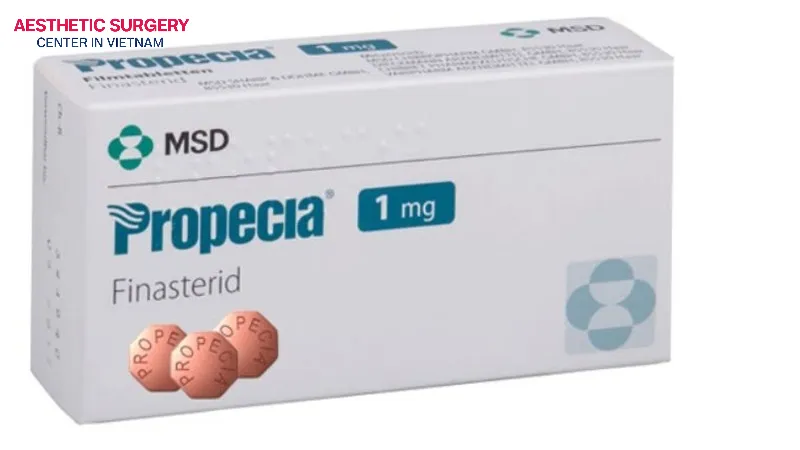
The core mechanism of finasteride lies in regulating male hormones. In the body, the enzyme 5-alpha-reductase converts testosterone into Dihydrotestosterone (DHT). In individuals with the baldness gene, DHT binds to receptors in the hair follicles, causing them to shrink (follicle miniaturization). This process makes the hair thinner and eventually leads to permanent hair loss. Finasteride works as a “shield” that blocks this conversion process.
According to clinical studies, taking 1 mg of finasteride daily can reduce DHT levels in the scalp by 60% – 70%, helping hair follicles recover and prolong the hair growth cycle.
Currently, finasteride is available in two main dosages for different treatment purposes:
- 1 mg dosage: Used to treat androgenetic alopecia (male pattern hair loss). The medication helps slow hair loss and stimulate hair regrowth in the crown and mid-scalp areas.
- 5 mg dosage: Prescribed to treat benign prostatic hyperplasia (BPH). At this dosage, the medication helps reduce prostate size, improve urine flow, and lower the risk of acute urinary retention.
Do you have to take finasteride after hair transplant?
Whether you have to take finasteride after hair transplant depends largely on long-term aesthetic goals and each person’s natural hair loss condition. Technically, the transplanted hair follicles are usually taken from the back of the scalp, where they are resistant to the DHT hormone. Therefore, they typically do not fall out after being moved to the new area.
However, finasteride acts as a “protective barrier” for the original hair surrounding the transplanted area. Without the medication, the existing hair can still be affected by genetic hair loss and gradually fall out over time. This may lead to a situation where the transplanted hair remains while the natural hair continues to thin, creating an uneven and unnatural appearance.
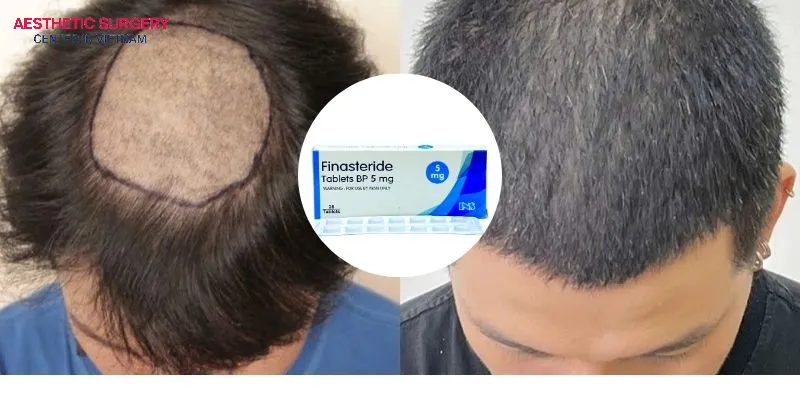
Therefore, specialists often recommend using finasteride as a maintenance method to preserve overall hair density and extend the time between additional hair transplant procedures. However, it is not a mandatory requirement for the survival of the newly transplanted hair follicles.
For those who are concerned about hair transplant side effects or do not want to use medication long term, doctors can adjust the treatment plan by transplanting with higher density or combining alternative non-medication therapies to achieve the most sustainable results.
Risks of avoiding finasteride after a hair transplant
Choosing a hair transplant without finasteride is a common personal decision, but it comes with aesthetic challenges that you should consider. Below are the main risks when you avoid this medication after surgery:
“Island effect”
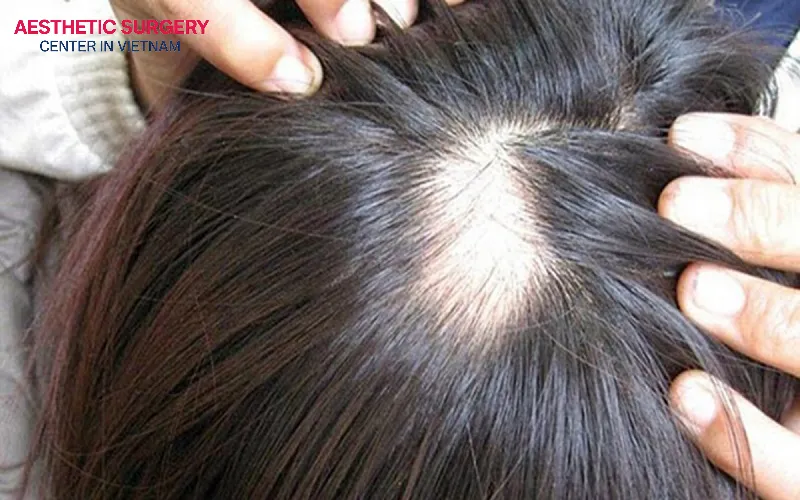
This is the most serious aesthetic risk after a hair transplant without using Finasteride. The transplanted hair follicles taken from the back of the scalp are naturally resistant to DHT, so they will survive permanently. However, the natural hair surrounding the transplanted area will continue to be affected by genetic hair loss. Without Finasteride to block DHT, the existing hair will gradually fall out, leaving transplanted hair clusters standing alone like islands on the scalp. This makes the hair look very unnatural and reveals clear signs of aesthetic intervention.
Overall hair density decline
The goal of a hair transplant is to create thickness. Finasteride helps preserve existing hair, while transplantation adds hair that has already been lost. Without medication, you may face a “replace what is lost” situation: you transplant 2,000 hairs but lose 3,000 natural hairs over the next few years. As a result, the hair may still look thin and fail to achieve the expected coverage.
Faster need for second or third surgery
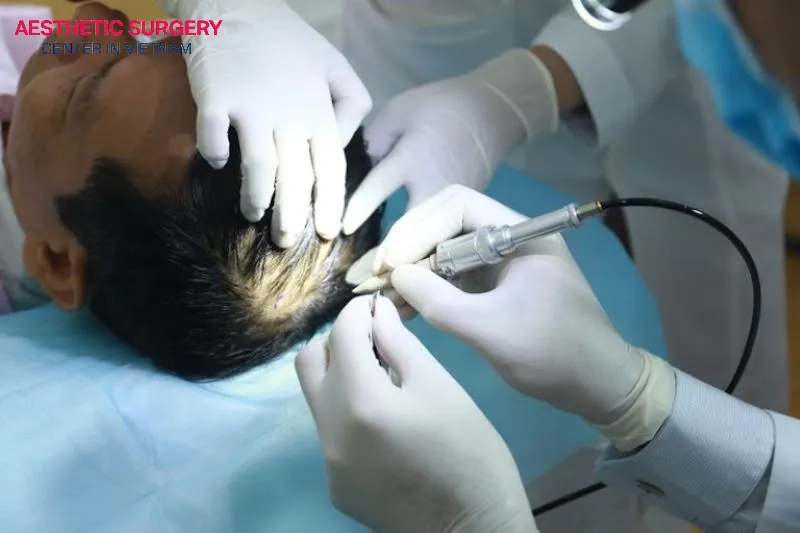
When natural hair loss continues quickly without medication to suppress it, new thinning areas will appear sooner. This may require you to return to the clinic for additional transplants earlier than expected. The problem is that the donor hair supply is limited. If you rely on repeated transplants to fill new gaps without addressing the root cause of hair loss, you may eventually run out of donor hair for future needs.
Higher cost and time commitment
Instead of maintaining results with a low-cost medication, avoiding finasteride may lead to a costly cycle: more hair loss, more transplants, and more expenses and recovery time. In the long term, the total hair transplant cost of maintaining your appearance without medication support is often much higher than a combined treatment approach.
Alternatives and hair loss treatment without finasteride
If you are concerned about the side effects of finasteride, looking for alternative solutions is completely possible. Modern medicine now offers several supportive treatments that help protect hair follicles and stimulate hair growth without deeply affecting the hormonal system.
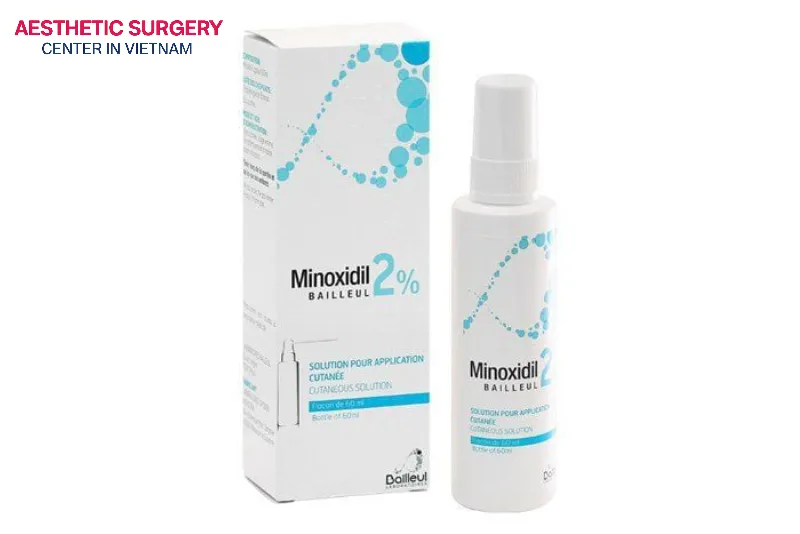
Topical Minoxidil
This is the most common alternative to finasteride. Unlike finasteride, which blocks hormones, Minoxidil works as a vasodilator. When applied directly to the scalp, it helps widen blood vessels and increase the flow of oxygen and nutrients to hair follicles. This process helps extend the hair growth phase (anagen), allowing hair to grow thicker and stronger.
Low-level light therapy (LLLT)
This method uses devices that emit red light (cold laser) at a specific wavelength directed onto the scalp. The light stimulates the mitochondria in hair follicle cells to produce energy (ATP), which promotes metabolism and helps hair follicles function more actively. This is a completely non-invasive method, painless, and has no side effects.
Using “natural finasteride” from herbal supplements
Some plant-based supplements may mildly inhibit DHT without causing serious side effects like pharmaceutical drugs:
- Saw palmetto: Extract from saw palmetto berries has been shown to help block the 5-alpha-reductase enzyme.
- Pumpkin seed oil: Contains phytosterols that help reduce genetic hair loss.
- Zinc and biotin: Essential micronutrients that support strong hair structure.
PRP therapy – Platelet-rich plasma
PRP uses the client’s own blood. After drawing a small amount of blood, the doctor centrifuges it to isolate plasma with a much higher concentration of platelets than normal and injects it back into the thinning scalp area. The growth factors in platelets help:
- Stimulate stem cell hair transplant.
- Restore miniaturized hair follicles.
- Accelerate healing after hair transplant.
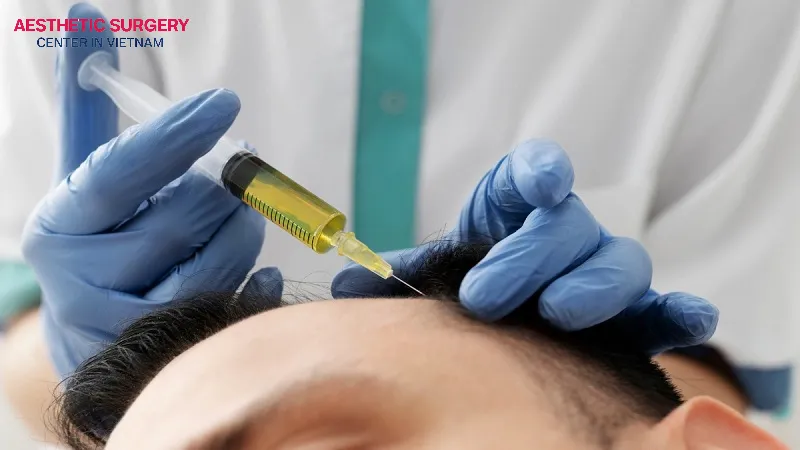
Meso hair technology
Doctors use ultra-fine needles to deliver a blend of nutrients—such as vitamins, amino acids, and antioxidants—directly into the middle layer (mesoderm) of the scalp. This method allows hair follicles to receive nutrients directly, making it significantly more effective than taking oral supplements alone.
When choosing a hair transplant without using finasteride, it is recommended to combine at least two of the alternative methods mentioned above. For example, applying Minoxidil together with periodic PRP injections can create a dual effect—nourishing transplanted hair while protecting existing hair.
A hair transplant without finasteride is entirely possible if you follow a well-planned alternative care regimen. The most important step is to discuss your expectations and individual condition with a qualified doctor to determine the most suitable approach.










Comment on the post