



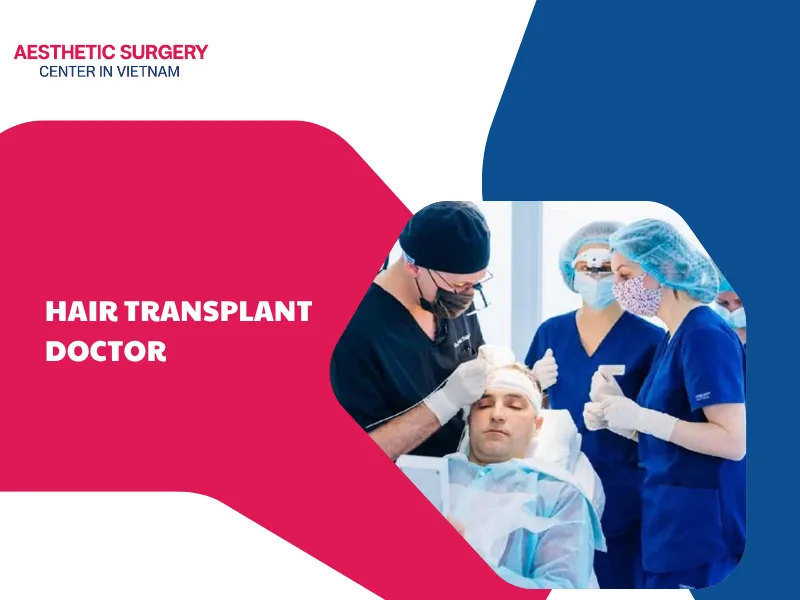
A hair transplant is not only a solution to restore thinning hair but also a turning point that helps many people regain their confidence and elevate a more youthful appearance. However, behind the aesthetic outcome is a recovery journey that requires patience and careful aftercare. In the following article, Aesthetic Surgery Center in Vietnam will provide information to help you understand the hair transplant side effects, as well as important notes to minimize complications after the procedure.
Do hair transplant side effects?
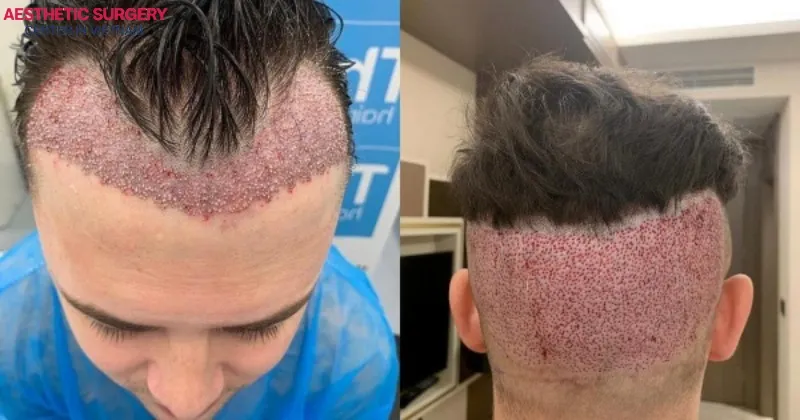
A hair transplant is an advanced method that helps restore fuller, natural-looking hair. However, just like any medical procedure, it can come with certain side effects. After the procedure, you may experience mild forehead swelling, itching, scabbing, small scars, and temporary hair shedding in the transplanted area. These reactions are normal and simply part of the healing process as your scalp adapts to the newly implanted follicles.
In rare cases, some people may develop folliculitis, slight numbness, or reduced sensation in the scalp. These symptoms usually resolve within a short period and improve with proper aftercare as instructed by your surgeon.
Overall, a hair transplant is a safe procedure when performed at a reputable clinic with experienced surgeons and strict sterile protocols. Following the recommended post-transplant care is the key to minimizing hair transplant side effects and achieving natural, long-lasting results.
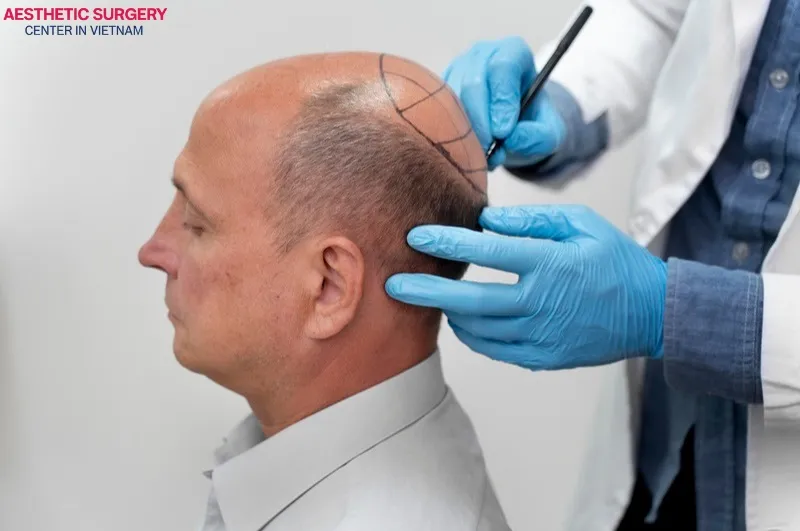
Common side effects after a hair transplant
Most people recover well and achieve the expected results after a hair transplant. However, a few common side effects may appear during the early healing stage, when the scalp is adjusting and the newly transplanted follicles are starting to stabilize. Below are the typical side effects you may experience.
Itching
Itching on the scalp is a common reaction that indicates the skin is healing and regenerating. However, you should avoid scratching or touching the transplanted area, as this can damage the new follicles or increase the risk of infection.
Follicle damage
Follicle damage may occur if the procedure is not performed with proper technique or if post-procedure care is not followed correctly. This can affect the growth and survival of the new hair, leading to weak, thin, or poorly anchored strands.
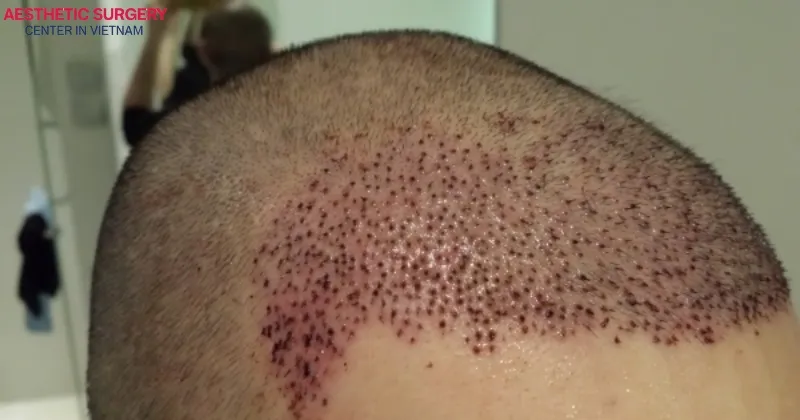
Hair shedding in the transplanted area
Temporary hair shedding is a normal reaction. In the first few weeks, the newly transplanted hairs may fall out. This is a transitional phase, allowing the follicles to enter a resting stage before growing back stronger and healthier after a few months.
Infection
Scalp infections are rare but can occur if the transplanted area is not kept clean or is subjected to trauma, sweat, and dirt. In some instances, a patient may notice an infected hair transplant follicle, which often presents as small, pus-filled bumps or localized redness around the graft site. Following post-procedure care instructions, using prescribed medications, and avoiding physical contact can greatly reduce these risks. However, if you notice increasing pain, persistent discharge, or signs of an infected hair transplant follicle, contact your surgeon promptly for professional treatment to protect the survival of your grafts.
>>> See more: No shave hair transplant
Post-hair transplant care tips to minimize complications
To achieve the best results and reduce the risk of unwanted complications or hair transplant side effects, proper aftercare is essential. Always follow your surgeon’s prescription and scheduled check-ups to speed up hair transplant recovery and minimize risks. Here are some important tips to follow:
- After the transplant, the scalp is very sensitive. Keep the area clean and avoid washing your hair or letting water touch the transplanted area for the first 24–48 hours to prevent infection and help the follicles anchor securely.
- After the initial period, you can wash your hair with a gentle shampoo, using your hands to lightly massage. Avoid vigorous scrubbing that could dislodge the new hair roots.
- Do not scratch, touch, or wear tight hats, as this can shift, damage, or inflame the transplanted follicles.
- For the first 7–10 days, avoid intense exercise, saunas, or heavy sweating, which can increase the risk of inflammation or infection.
- Limit direct sun exposure; UV rays can irritate the transplanted area, cause discoloration, or weaken new follicles. When outdoors, wear a loose, wide-brimmed hat to protect your scalp.
- Maintain a relaxed mindset. Managing stress supports better recovery and promotes healthy hair growth.
- Always follow your surgeon’s prescription and scheduled check-ups. Use anti-inflammatory, swelling-reducing, or hair-nourishing treatments as directed to speed up recovery and minimize hair transplant risks.
Following these guidelines not only helps prevent post-transplant complications but also ensures natural, long-lasting results and lasting confidence.
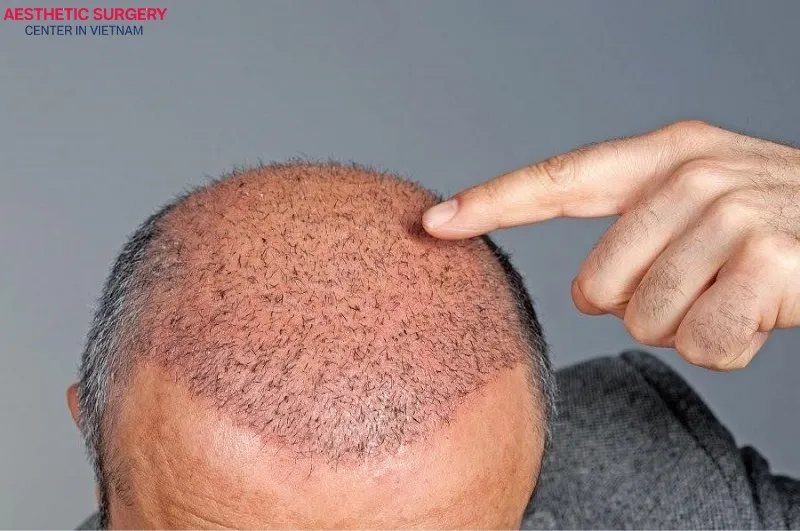
Ultimately, beautiful hair comes not only from the hands of skilled surgeons but also from your own patience and understanding. Being aware of the potential hair transplant side effects helps you take proactive care and protect yourself throughout the recovery process. Aesthetic Surgery Center in Vietnam hopes that the information above will help you better understand the procedure and know how to care for your scalp properly, so you can soon enjoy healthy, natural-looking hair.
>>> See more: Can you wear a hat after hair transplant?










Comment on the post