



Are you planning a hair transplant to regain your confidence but feeling hesitant due to costs reaching tens of millions of VND? Are you hoping that the insurance card in your hand could help share this financial burden? The truth is, not every hospital procedure is covered by insurance. So, which specific cases are approved, and does insurance cover hair transplant? Let’s explore the detailed exclusion clauses and the rare exceptions you might leverage to save costs on your journey to restoring your hair.
Does insurance cover hair transplant?
The answer is no. Most current insurance plans including both National Health Insurance and private medical insurance do not cover the costs of hair transplant surgery.
The primary reason is that this procedure is typically classified as a voluntary cosmetic service. This means it is performed to improve personal appearance and self-esteem rather than being an “essential medical intervention” to treat a life-threatening condition.
According to common exclusion clauses, any form of surgery that does not aim to restore a damaged bodily function falls outside the scope of insurance fund coverage.
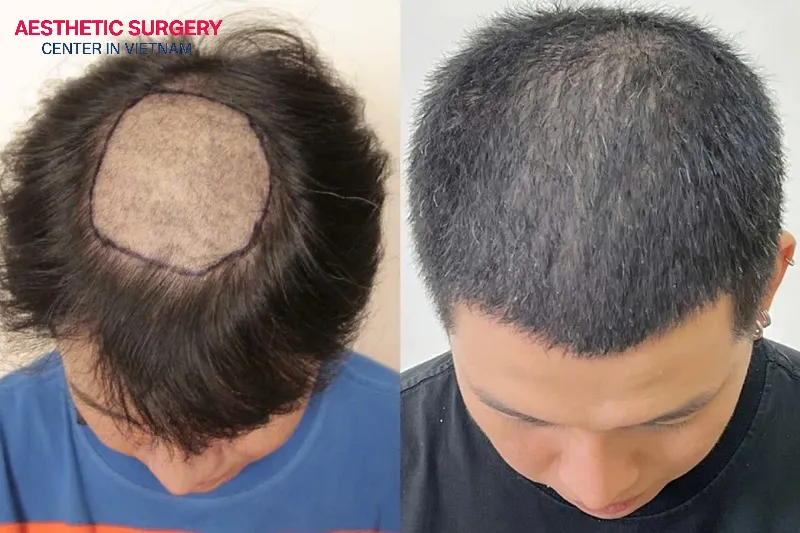
When does insurance cover hair transplant?
While most hair transplant cases are denied coverage due to their cosmetic nature, there are specific situations where you may receive partial or full reimbursement. Below are the rare instances where insurance might intervene:
Restoration after accidents or severe trauma
This is the scenario with the highest likelihood of coverage. If hair loss is not natural or genetic but results from a traffic accident, severe burns, or open wounds that destroy scalp tissue and hair follicles, the hair transplant is then considered reconstructive surgery. The goal of the procedure is to restore a normal appearance to an area of the body disfigured by external forces; therefore, it falls under the category of essential medical treatment.
Correcting sequelae following medical surgery
If you have undergone invasive procedures, such as brain tumor surgery or treatment for traumatic brain injury, which left behind large hair transplant scars and permanent hair loss, your health insurance may consider covering a hair transplant onto that scar tissue. In this case, your medical records must prove that the hair transplant is an integral part of the reconstructive process following pathological treatment.
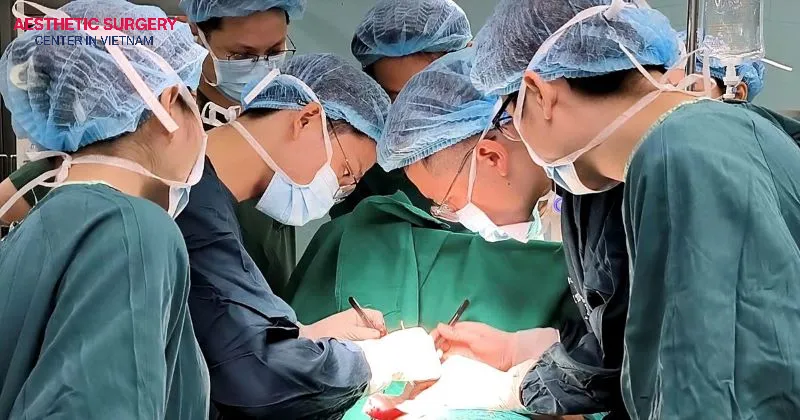
Hair loss due to cancer treatment (Subject to insurance plan)
Although rare, some premium health insurance or critical illness policies may include clauses to support appearance restoration costs after a patient overcomes cancer such as following chemotherapy or radiation that causes permanent hair loss. However, you should carefully check the “Supplemental Benefits” or Reconstructive Surgery” sections of your contract, as this is typically not a default benefit.
Hair loss due to specific autoimmune conditions
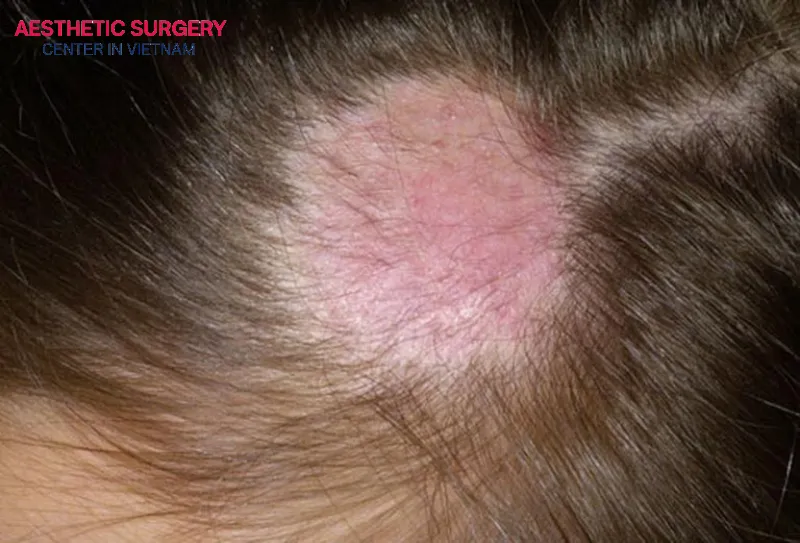
In rare cases involving chronic scalp inflammation or autoimmune diseases where diagnosed medical treatments have proven ineffective, you may be able to file a claim if a doctor prescribes hair transplantation as a mandatory medical procedure to protect the scalp. The likelihood of approval in these cases is lower and requires extremely detailed medical documentation.
What factors influence hair transplant costs?
Hair transplant cost is not fixed; it varies significantly depending on the client’s specific condition and the chosen technology. Below are the primary factors that determine the amount of investment required:
Technology and procedure method
The specific hair transplant technique creates a substantial price difference between service packages:
- FUT (Follicular Unit Transplantation): Typically the lowest cost because the harvesting process is faster, though it leaves a linear scar.
- FUE (Follicular Unit Extraction): Costs more than FUT as it requires meticulous precision, takes longer to perform, and does not leave large scars.
- DHI (Direct Hair Implantation): Usually the most expensive method. It uses specialized tools to better control the depth and direction of hair growth, resulting in a highly natural appearance.
Number of grafts required
This is the most critical factor affecting the total cost. Most clinics calculate their pricing based on the number of follicular units (grafts). The larger the balding area, the more grafts are needed from the donor site to fill the recipient area, leading to higher costs. A typical hair transplant session can range from 1,000 to over 4,000 grafts.
Equipment and facilities
A medical-standard clinic equipped with sterile operating rooms and state-of-the-art machinery—such as hair follicle scanners and high-magnification microscopes incurs higher operating costs. This directly influences the service price, but in return, it minimizes hair transplant risks of infection or necrosis in the transplanted area.
Condition of the donor area and surgical complexity
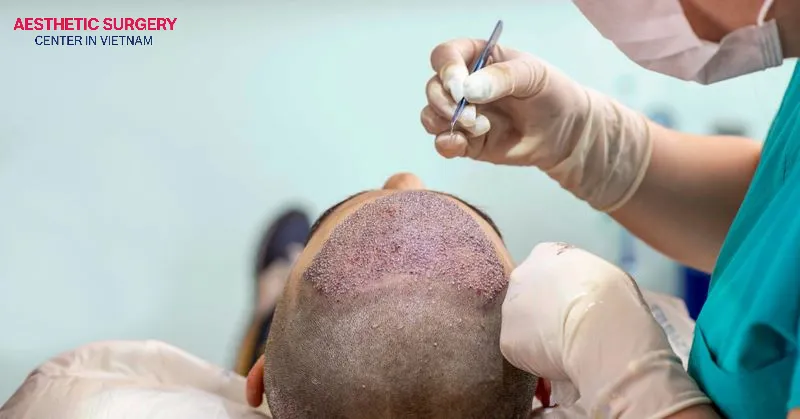
If your donor area (typically the back of the scalp) is sparse or the hair follicles are weak, the surgeon must invest more time and effort to select the healthiest grafts. Additionally, corrective hair transplants or procedures performed on concave/convex scar tissue often command higher fees due to the technical complexity involved.
Surgeon’s expertise and reputation
Hair transplantation is a technique that demands millimeter-level precision. Surgeons with years of experience, international certifications, and a “golden touch” in designing natural-looking hairlines typically charge higher fees. However, this ensures a high follicle survival rate (usually over 95%) and optimal aesthetic results.
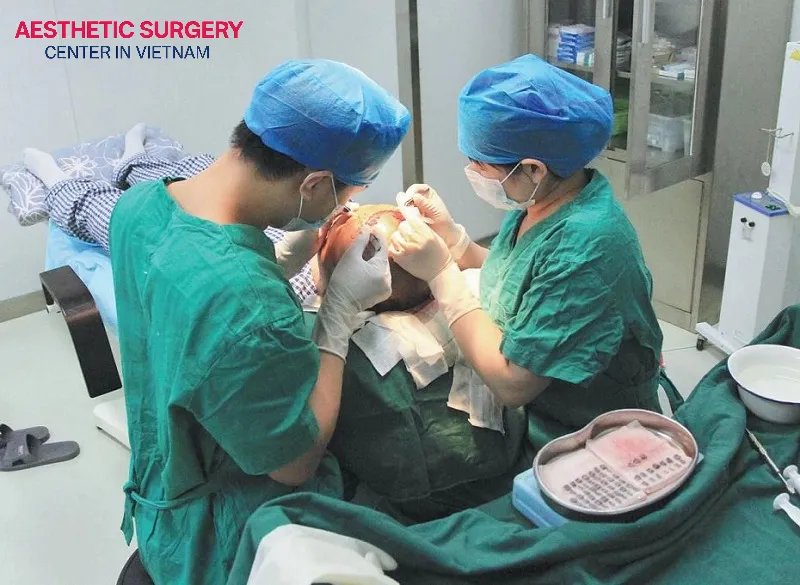
After exploring the common question, “does insurance cover hair transplant,” you’ve likely realized that while insurance typically doesn’t cover standard cosmetic procedures, there are exceptions for reconstructive treatments following an injury. The best approach is to contact your insurance provider directly to get a detailed breakdown based on your specific policy.
















Comment on the post