



Hair loss is not only a cosmetic concern but also a significant psychological barrier, causing many to lose confidence in social interactions and professional life. However, with the advancement of modern autologous hair transplantation, baldness can be effectively addressed thanks to high compatibility and excellent coverage. This article will help you gain a deeper understanding of the hair transplant for receding hairline method as a solution for hair loss.
What are the primary causes of hair loss and balding?
According to dermatologists, balding is not simply a result of aging but stems from various factors. Understanding these causes is crucial before considering advanced solutions like a hair transplant for receding hairline. The specific causes include:
- Genetics: The most common cause (especially in men), inherited through hair loss genes from previous generations.
- Hormonal imbalance: Fluctuations in hormones, particularly the increase of DHT (Dihydrotestosterone), lead to the shrinking of hair follicles.
- Prolonged stress: Extreme stress can trigger the immune system to attack hair follicles or prematurely push hair into the resting phase.
- Nutritional deficiencies: A lack of essential nutrients such as protein, iron, zinc, and B vitamins makes hair weak and prone to falling out.
- Side effects of medication: Treatments for cancer, high blood pressure, depression, or arthritis can cause widespread hair thinning.
- Scalp conditions: Issues like scalp fungus, psoriasis, or infections directly damage the follicles.
- Lifestyle habits: Excessive use of styling chemicals, smoking, or frequently staying up late harms healthy hair growth.
- Aging: As we age, the rate of cell regeneration slows down, causing hair follicles to gradually degenerate and stop producing new strands.
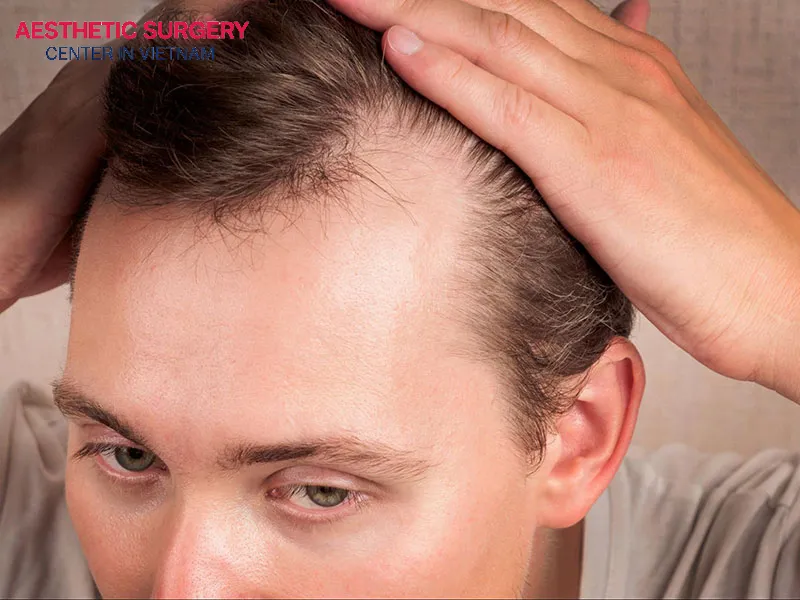
How effective is a bald hair transplant for hair loss conditions?
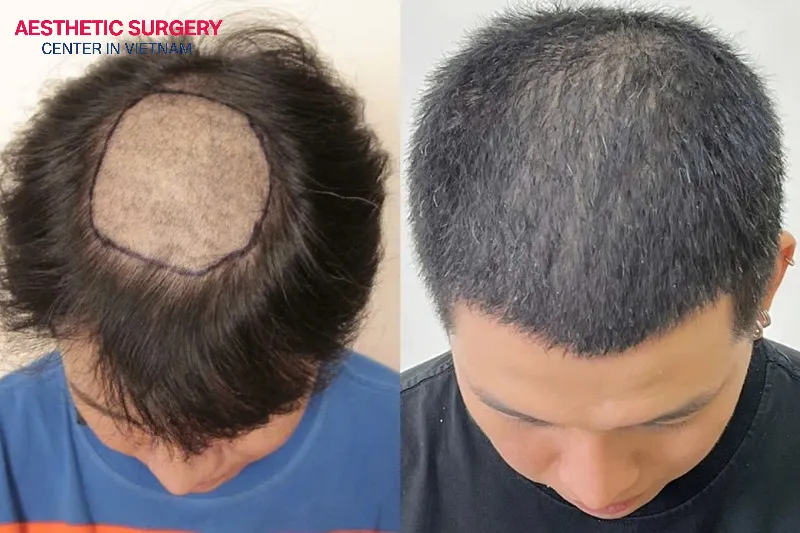
A hair transplant is currently considered the only solution capable of restoring real hair in areas that have gone completely bald, where topical medications or essential oils are no longer effective. The effectiveness of this method comes from using the patient’s own healthy hair follicles to transplant into thinning areas. This ensures absolute biocompatibility, prevents rejection, and allows the new hair to maintain its sustainable growth characteristics over time.
Once stabilized, these follicles take deep root and naturally produce new hair strands with a realistic density, effectively covering bald patches and reshaping the hairline to harmonize with the face. The results are typically hair transplant permanent because the follicles from the donor area are genetically resistant to the hormones that cause balding, providing long-lasting confidence for the individual.
How much does a bald hair transplant cost?
In Vietnam, the cost of a bald hair transplant typically ranges from 35,000,000 to 100,000,000 VND for a full-package procedure, or it can be calculated per graft at a rate of approximately 40,000 to 120,000 VND per follicle.
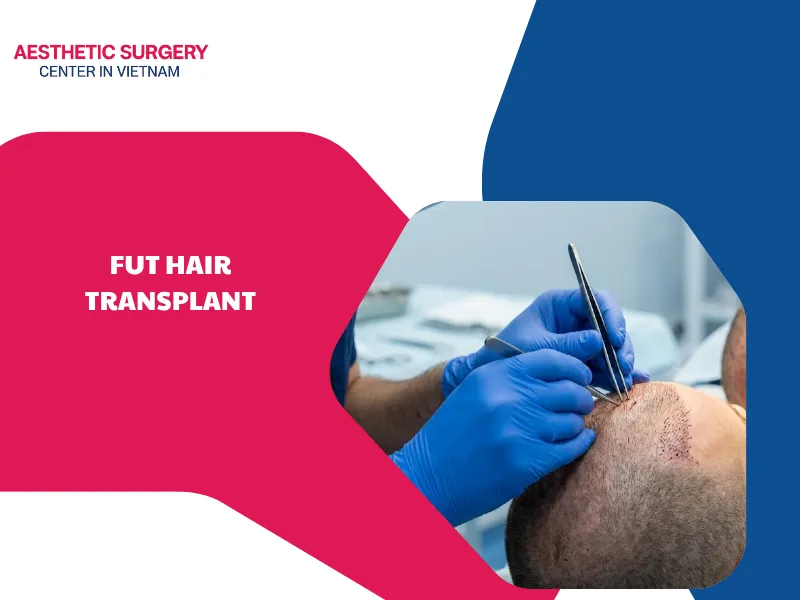
The total expenditure primarily depends on the size of the balding area and the number of grafts required. Additionally, the hair transplant cost varies based on the chosen technology: the FUE (hair transplant follicular unit extraction) technique usually serves as the base price, while more advanced methods such as HAT, SHT, or robotic hair transplants incur higher costs due to the requirement for modern equipment and optimal precision.
For the most accurate quote, patients should visit reputable aesthetic clinics for a direct consultation. During this visit, doctors will examine the scalp, map out the balding area, and determine the exact number of hair follicles needed for the procedure.
Is a receding hairline hair transplant painful?
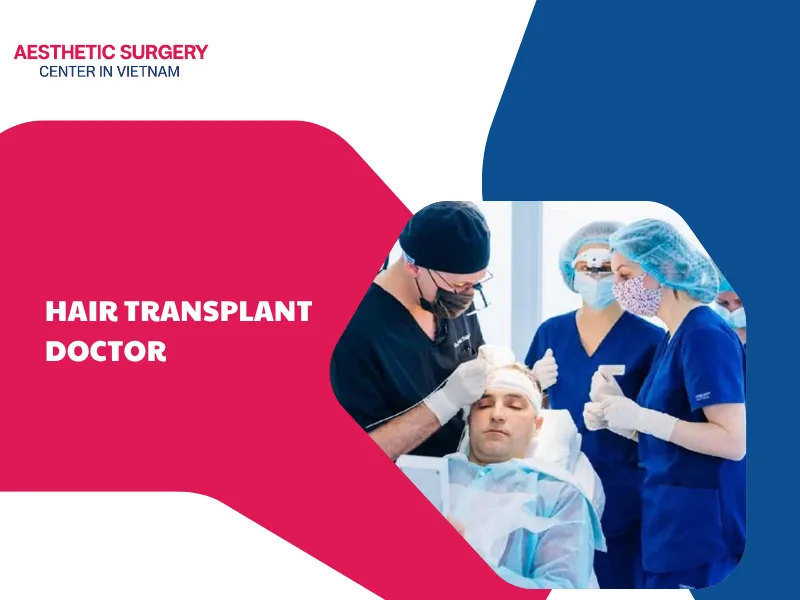
Hair transplantation is a gentle micro-surgery that is much less invasive than people often imagine. Before the procedure begins, the doctor will perform local anesthesia on both the donor and recipient areas. Therefore, during the 4 to 6-hour process, you will feel no pain at all and can even relax by scrolling through your phone, listening to music, or watching a movie.
Once the anesthesia wears off, your scalp may feel slightly tight or experience a mild “ant-bite” stinging sensation within the first 24 hours. However, this discomfort quickly subsides with the support of pain relief and anti-inflammatory medications prescribed by your doctor.
With modern techniques like FUE or HAT, the use of ultra-small microsurgical tools minimizes tissue damage, leaves no large hair transplant scars, and significantly shortens recovery time, ensuring a smooth and comfortable experience for every client.
How long is the recovery time for a receding hairline hair transplant?
The recovery process after a receding hairline hair transplant typically follows a specific timeline, with natural results becoming fully visible after about 6 to 12 months. However, the initial period for the scalp to stabilize and for you to return to normal daily activities takes only about 7 to 10 days.
Below are the key hair transplant recovery milestones you should keep in mind:
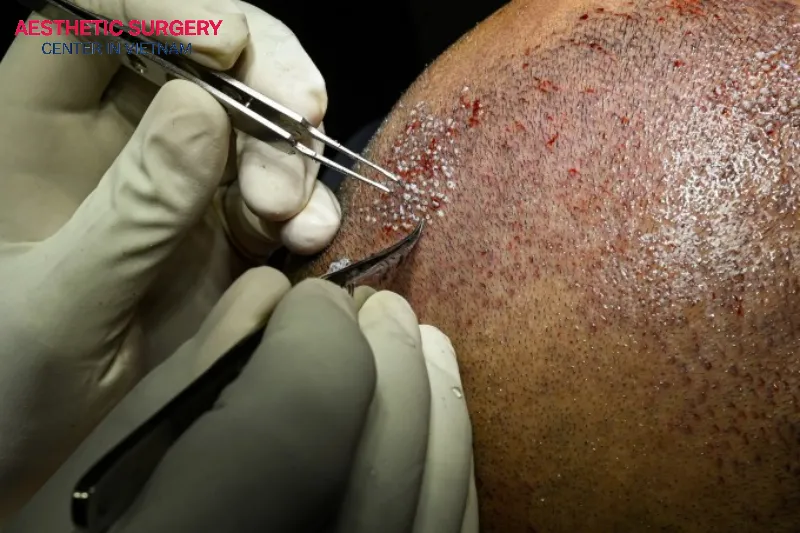
- Days 1 – 3: The transplanted area may experience mild swelling and small hair transplant scabs will begin to form. It is essential to rest and avoid touching or applying pressure to the newly implanted hair follicles.
- Days 7 – 10: Tiny wounds are completely healed, and the scabs start to flake off. At this stage, the hair follicles are firmly anchored in the scalp; you can wash your hair gently and return to work as usual.
- Weeks 2 – 4: You will enter the “shock loss” phase. The initial hair shafts will fall out to make room for new growth from the transplanted follicles. Do not be alarmed, as this is a perfectly normal sign of the healing process.
- Months 3 – 6: New hair starts to grow consistently, covering the previously bald areas. While the hair strands might be thin at first, they will thicken significantly over time.
- Months 9 – 12: This is when you achieve optimal results. Your hair will reach its full length, density, and natural beauty, allowing you to cut or style it with complete confidence.
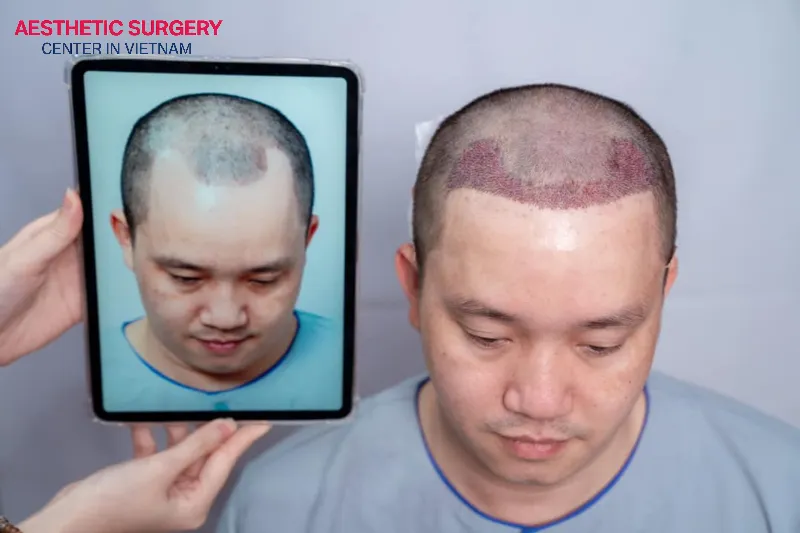
In general, while it requires a period of patience to see a complete transformation, the recovery process is highly safe and will not impact your health or long-term work performance.
We hope this information has provided you with a comprehensive overview of hair transplant for receding hairline to overcome baldness. Although this is an optimal solution, the final result depends heavily on the surgeon’s expertise and the technology used. To accurately assess your hair follicle condition and receive a personalized treatment plan, you should visit a reputable clinic today. Don’t let hair loss hold you back—take a proactive step to reclaim your confidence and youthful look!













Comment on the post