



Each person’s eye shape has its own aesthetic value and unique charm. However, monolid eyes are still of great interest to many individuals because of their aesthetics and the beliefs related to personality and destiny. So, what is monolid eyes? Should you consider improvement? Let’s explore general information about this eye shape in the article below.
What is monolid eyes?
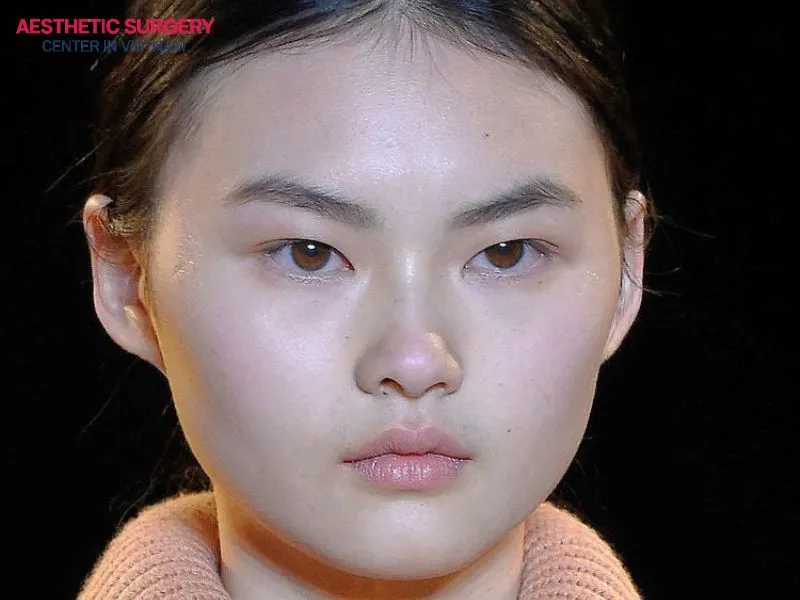
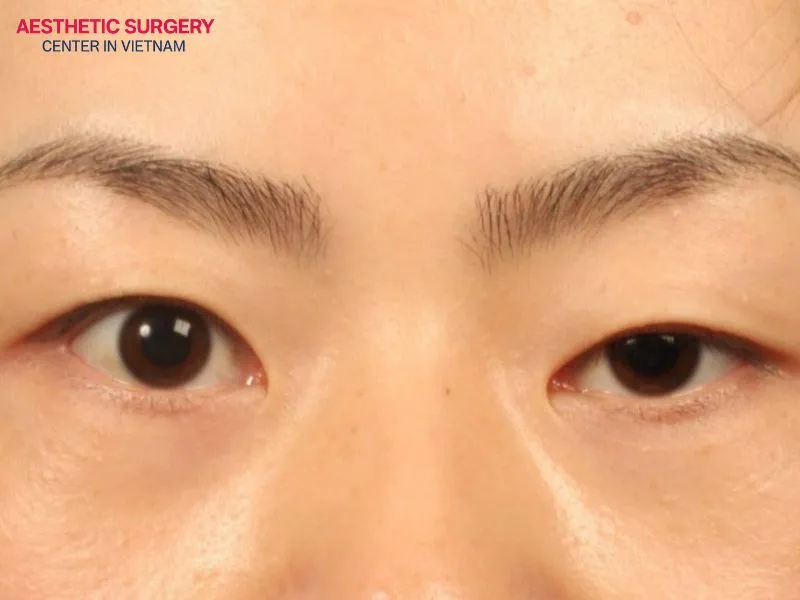
Monolid eyes are characterized by a smooth, continuous eyelid without a visible crease. The eyelid crease does not exist, or if present, it is extremely faint, broken, and does not form a clear deep fold that separates the eyelid structure.
In addition, the distance between the upper and lower eyelids in individuals with monolid eyes is usually shorter than in double eyelids. As a result, the eyes often appear smaller than normal, with a long and narrow shape similar to squinting eyes, sometimes which may create a softer or more subtle appearance.

Where are monolid eyes most common?
Monolid eyes are considered most characteristic among East Asians, including typical countries such as Korea, Japan, China, Mongolia, and a large proportion in Vietnam. The reasons why individuals in this region commonly have monolid eyes include:
- Genetic factors: Monolid eyes are determined by a recessive gene. Among Asians, this gene is common and has been inherited through many generations. In contrast, among Europeans and Americans, the dominant genes for double eyelids and deep eye sockets are overwhelmingly prevalent.
- Anatomical structure: Biologically, East Asians usually have a thicker layer of fat beneath the eyelid skin, and the levator muscle does not have strong attachments to the skin. This structure makes the area from the eyebrows to the lash line appear smooth and flat without forming a crease. It helps protect the eyes better in cold climates but makes the eyes appear smaller and narrower.
What are the most common causes of monolid eyes?
Many factors can affect eye shape and create monolid eyes. Understanding the causes of monolid eyes helps provide an overall view and choose suitable improvement methods.
Genetics
According to genetic inheritance, if either parent has monolid eyes, there is a high chance that the child will also have this trait. Even when both parents have double eyelids, if someone in the family has monolid eyes, this recessive gene can still be passed down through generations.
However, not all babies with monolid eyes at birth will keep this feature permanently. In reality, many newborns appear to have monolid or inner double eyelids because the fat layer around the eyes is still thick or the levator muscle is not fully developed. Over time, as the child grows and the facial structure becomes more stable, the eyelid crease may gradually become more defined, naturally changing from monolid to double eyelids without any improvement procedures.

Other causes
If genetics determine your eye shape at birth, environmental factors, lifestyle habits, and aging can cause double eyelids to gradually turn into monolid eyes over time. Below are three common causes of this condition:
- Aging and physiological changes after childbirth: As individuals reach middle age, collagen loss causes the eyelid skin to become loose and saggy, covering the natural eyelid crease. For women after childbirth, sudden hormonal changes and weight gain during pregnancy can cause swollen eyelids, loss of the crease, or uneven eyelids.
- Lifestyle habits and sleep quality: The eyes often reflect the quality of your sleep. Sleeping too much can cause puffy eyes in the morning, and the swelling can push and cover the eyelid crease. In cases of sleep deprivation, the eye sockets become more hollow, making the crease sink inward or appear like monolid eyes.
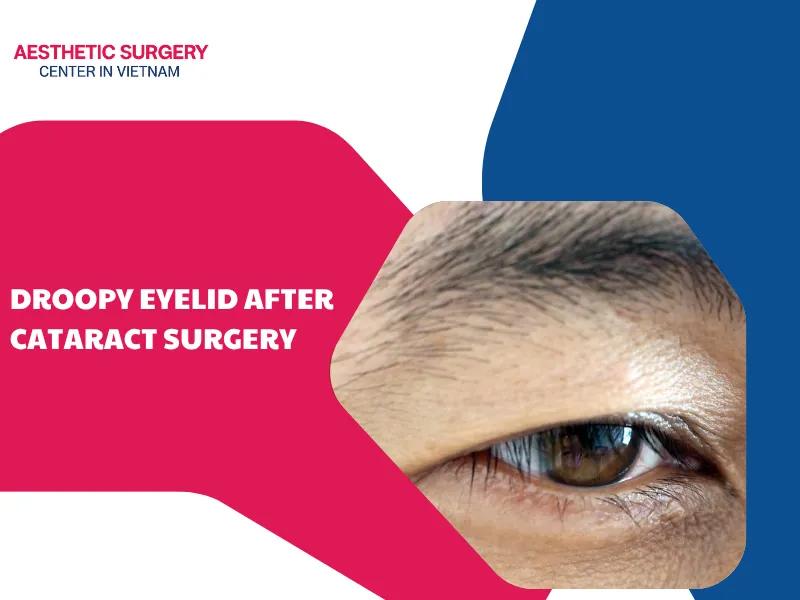
- Injury or cosmetic complications: Eyelid surgery or non-surgical eyelid crease procedures performed at unreliable clinics can leave scars or damage the skin structure, causing the eyelid crease to disappear or droop more severely than before. In addition, injuries from accidents that directly affect the eye area can damage the levator muscle. When this muscle becomes weak or torn, the eyelid may droop and cover the pupil, making the eyes appear like monolid eyes.
What surgical options are available for the treatment of monolids?
With the development of modern technology, besides makeup methods at home that only provide temporary results, individuals who want to improve monolid eyes can choose eyelid stitching and double eyelid surgery. These are also the two methods commonly recommended by surgeons.
Eyelid stitching
In fact, eyelid stitching is a gentle cosmetic method that does not require surgical dissection or skin incision. The surgeon carefully uses specialized instruments and medical sutures to create firm connections between the eyelid skin and the levator muscle. This helps form a clear, soft, natural-looking eyelid crease as soon as you open your eyes and avoid causing extra skin on eyelid.
The entire procedure is quick, usually taking only 30–45 minutes, with high safety, minimal swelling, and a short recovery time. Because of this convenience, many busy individuals with limited time often prefer this method to improve monolid eyes.

Although eyelid stitching has many advantages, not everyone is suitable for this method. Aesthetic experts recommend that this procedure works best for young individuals under 30 years old whose eyes show no signs of aging, with good skin elasticity, minimal excess skin, and no excess fat. If your eyes already have significant excess skin, fat bags, or a weak levator muscle, insisting on eyelid stitching will not provide high aesthetic results. In this case, a thorough examination is needed to consider more advanced treatment methods.
Double eyelid surgery
While eyelid stitching is only a temporary solution for eyes without aging signs, double eyelid surgery is considered by experts to be a comprehensive solution in eye aesthetics, helping correct multiple concerns in a single procedure.
During double eyelid surgery, the surgeon makes a thin incision along the new eyelid crease. Through this incision, the surgeon can perform deeper corrections to address eyelid concerns. The eyelid skin is separated, and excess fat and sagging skin caused by aging are completely removed. After that, the surgeon adjusts the levator muscle and closes the incision to create a sharp and well-balanced new eyelid crease.
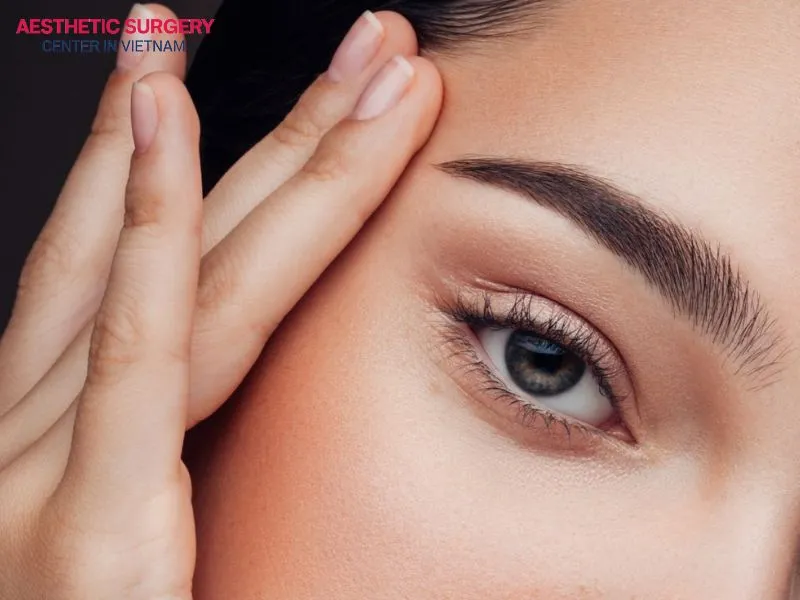
The results of double eyelid surgery provide overall rejuvenation, creating brighter and more lively eyes while effectively correcting droopy eyelids that cover the pupil. In addition, the new eyelid crease can be maintained for a lifetime without the risk of loosening or fading over time like eyelid stitching.
Because double eyelid surgery is a minimally invasive procedure, the treatment usually takes about 45–60 minutes and the recovery time is longer than eyelid stitching. However, with the ideal and long-lasting aesthetic results it provides, this method remains a popular choice for many women, especially those over 30.
Frequently asked questions
Besides learning what is monolid eyes are and how to improve them, many individuals also want clear answers to the following questions in order to confidently choose double eyelid surgery.
Are monolids genetic?
Yes, monolid eyes are usually caused by genetics. According to scientific studies, if either parent has monolid eyes, there is a high chance that the child will inherit this trait.
However, there are still cases where both parents have double eyelids but their child has monolid eyes. This phenomenon is explained by recessive genes inherited from grandparents or ancestors that remain in the parents’ genetic code and appear in later generations.
Do monolid eyes affect vision?
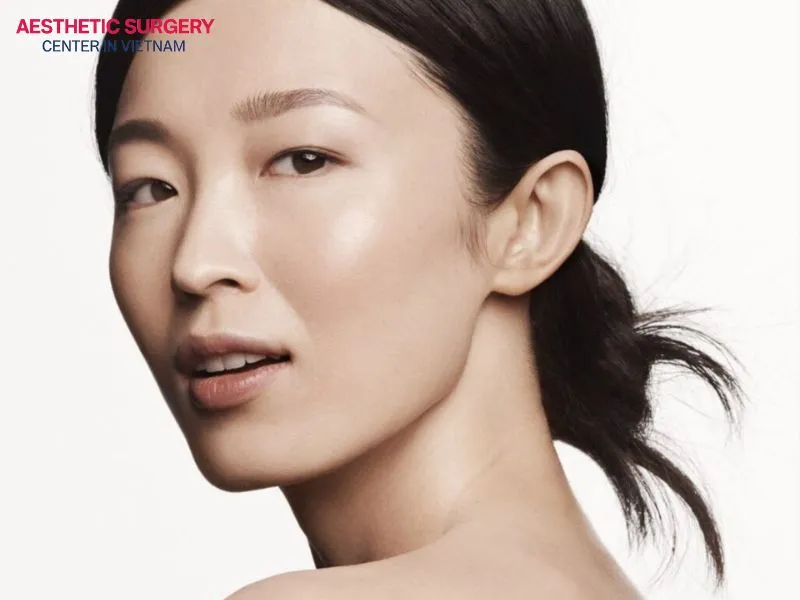
Monolid eyes generally do not affect vision in most cases. Biologically, monolid eyes are only an external structural feature of the eyelid skin and do not affect the eyeball or visual field. You can still see clearly just like individuals with double eyelids.
However, in some special cases related to monolid eyes, vision may be affected. These include severe ptosis that covers part of the pupil and entropion, where the eyelid turns inward, causing the eyelashes to rub against the cornea, leading to irritation, tearing, and reduced vision.

What’s the difference between monolids and double lids?
To better understand the differences between monolid eyes, refer to the comparison table of these two eye shapes based on eyelid crease, perceived size, and anatomical structure.
| Criteria | Monolid eyes | Double eyelid eyes |
| Eyelid crease | No visible crease. The skin from the brow bone to the lash line appears smooth and continuous without a defined fold. | Clearly defined crease. A visible fold runs across the eyelid, creating a natural separation of the upper eyelid. |
| Eye size | Smaller and narrower in appearance. The shorter distance between the upper and lower eyelids may make the eyes look smaller or slightly tired. | Larger and more open-looking eyes. The eyelid crease adds depth, making the eyes appear brighter and more expressive. |
| Anatomical structure | Minimal attachment between the levator muscle and the eyelid skin, so a crease does not form when the eyes open. | Stronger attachment between the levator muscle fibers and the eyelid skin, allowing a natural crease to form when the eyes open. |
Comparison table of monolid eyes and double eyelids
From the information above, you have probably understood what monolid eyes are as well as related details about this eye shape. Although monolid eyes create a unique personal look, it cannot be denied that large double eyelids with a clear crease are still the standard that makes the face look more harmonious, lively, and youthful.
If you want to improve droopy eyelids, hidden creases, or learn more about what is monolid eyes and how to enhance them for a sharp, natural, and well-balanced eyelid crease, visit Aesthetic Surgery Center. Here, you will be directly examined by highly qualified surgeons who will analyze your individual eye anatomy and personalize the treatment plan, helping you feel confident with your new appearance.













Comment on the post