



Extra skin on eyelid is the result of reduced collagen and elastin, which weakens the eyelid lifting muscles and causes the skin to become loose and saggy. This condition not only makes you look tired and older than your age, seriously affecting appearance, but in many cases it can also block your vision. So, what is extra skin on the eyelid? What causes it and how can it be treated? This article will give you a detailed answer!
Understanding extra skin on eyelid
Extra skin on eyelid, medically known as eyelid skin drooping, is also called sagging skin of the upper or lower eyelid. It is an inevitable result of the natural aging process, when collagen and elastin under the skin break down, causing the delicate skin around the eyes to lose its necessary elasticity.
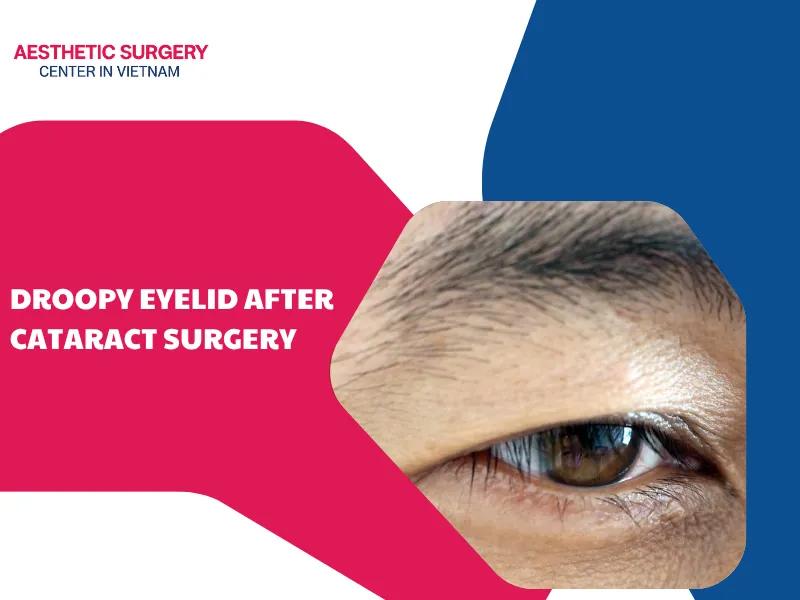
Over time, this skin becomes loose and saggy. Combined with weakening eyelid lifting muscles, it droops downward and forms folds that cover the natural eyelid crease.
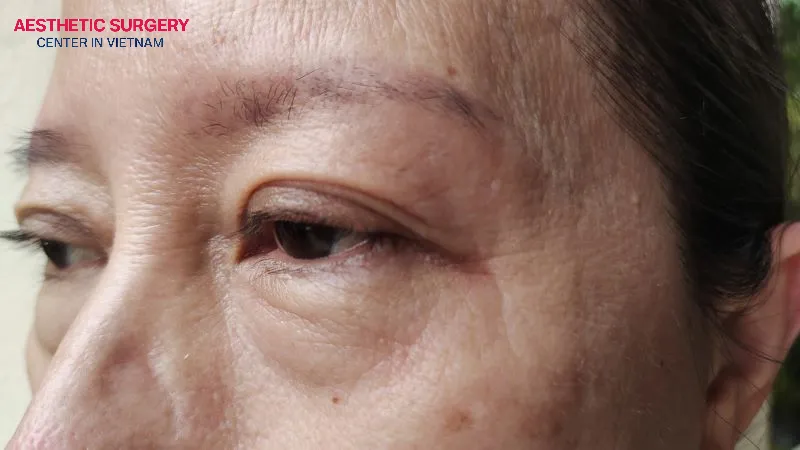
This condition not only makes the eyes look older, tired, and less lively, but it can also cover part of the pupil, obstruct vision, and force the eyes to work harder to focus. To fix this issue, you need to clearly identify the root cause, so you can choose the most suitable treatment method.
>>> See more: Does eyelid tape work?
Recognizing the symptoms of excess eyelid skin
Recognizing excess eyelid skin is not difficult. You can easily notice it in the mirror or feel it during daily activities. Below are the most common symptoms:
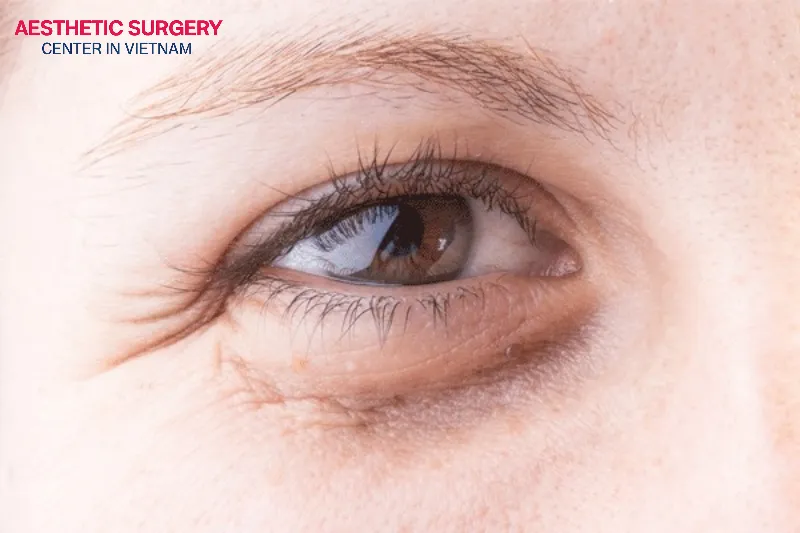
- Loss of the eyelid crease or multiple extra creases: Sagging skin droops down and covers the natural double eyelid crease, making double eyelids turn into hidden lids or causing the crease to “disappear.” Sometimes, the skin overlaps and forms several messy folds.
- Drooping outer corners of the eyes: Excess skin often gathers around the outer corners, making the eye tails look pulled downward and giving the face a sad expression.
- Wrinkled skin around the eyes, with under-eye bags: Many fine lines or visible crow’s feet appear even when you are not smiling. Excess lower eyelid skin is often accompanied by bulging fat pads, making the eyes look puffy or swollen.
- Tired-looking eyes and heavy eyelids: You may constantly feel heavy eyelids, as if something is pressing down on them, especially in the afternoon or when tired. Even with enough rest, the eyes still look exhausted.
- Reduced vision: When the skin droops significantly, it may cover part of the pupil. It can feel like there is a “curtain” above the eyes, narrowing your field of vision, especially when looking up or to the sides.
- Habit of raising the eyebrows: To open your eyes wider or see more clearly, you may unconsciously use the forehead muscles to lift the eyebrows. Over time, this creates horizontal forehead wrinkles.
- Eye strain easily: Because the eyes must constantly adjust and the eyelid muscles have to work harder to “carry” the extra skin, your eyes can get tired quickly when reading or using a computer.
- Difficulty applying eye makeup: Eyeliner may smudge or get hidden by skin folds. Using eyelid tape also becomes harder because the skin no longer holds it well.
>>> See more: Eyelid Stitching vs Eyelid Surgery
Causes of extra skin on eyelid
The causes of extra skin on the eyelid are varied, but in general, they often come from the following factors:
Genetics
The basic facial structure and skin characteristics are largely determined by genes inherited from parents. If someone in your family has low brow bone structure, deep-set eyes, or naturally poor skin elasticity, you may have a higher risk of developing excess eyelid skin earlier than others.
This genetic factor determines the “starting point” of the eyes, which is why some patients may already have fuller upper eyelid skin or mild drooping at a young age, and the condition becomes more noticeable over time.
Aging
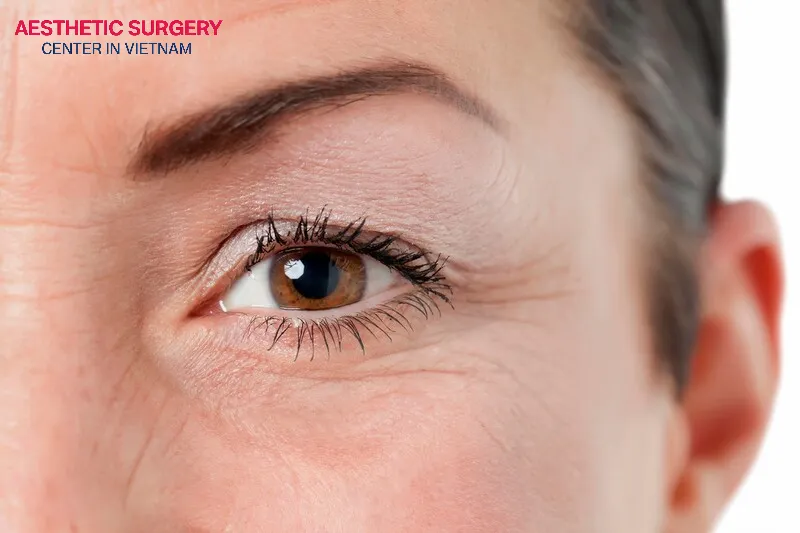
Aging is the most common and natural cause that cannot be avoided. Over time, the production of collagen and elastin decreases significantly. When this supportive network under the skin becomes weaker, together with the long-term effects of gravity, the eyelid skin—which is naturally very thin and delicate—starts to sag.
At the same time, weakened eyelid lifting muscles and shrinking or drooping fat pads around the eyes also contribute to excess skin, making the eyes look older.
UV exposure
Sunlight is one of the leading external factors that speeds up skin aging. The skin around the eyes is the thinnest area on the body, so it is extremely sensitive to UV rays. With frequent sun exposure without protection (such as sunglasses or sunscreen), UV rays directly damage elastin fibers in the dermis, causing the skin to lose its natural elasticity.
In addition, the habit of squinting in strong light creates dynamic wrinkles, which over time become static wrinkles and lead to sagging skin.
Certain medical conditions
Some health conditions can indirectly or directly cause extra eyelid skin. Typical examples include chronic allergies or kidney disease that lead to frequent swelling around the eyes. When the skin repeatedly stretches and then deflates, it becomes looser and permanently loses elasticity.
In addition, thyroid disorders that cause bulging eyes, orbital inflammation, or rare connective tissue disorders can also change the supporting structure of the eyelids. If you notice a persistent bump on eyeball under eyelid, it is essential to consult a specialist, as localized inflammation or growths can lead to secondary sagging and excess skin in the affected area.
History of surgery or eye injury
Physical interventions in the eye area can leave after-effects that lead to excess skin or eyelid drooping. If you have undergone surgery and notice persistent bruising after blepharoplasty, or if an injury has caused long-lasting swelling and hard scar tissue, the structure of the skin and muscles may change and lose its natural flexibility.
In some cases, previous cosmetic eye surgery with poor technique, or past sinus surgery or craniofacial surgery, may damage the eyelid lifting muscle or alter the anatomical position of soft tissues, leading to secondary sagging skin later on.
Lifestyle and diet
Unhealthy daily habits are a “catalyst” that speeds up the formation of excess skin. A diet high in salt and sugar causes water retention, making the under-eye area puffy and overstretching the skin. In particular, smoking is a major risk factor because nicotine narrows blood vessels, reduces blood flow to the skin, and rapidly breaks down collagen. In addition, chronic lack of sleep, stress, low water intake, or excessive use of electronic devices that strains the eyes can also cause this area to age and sag more quickly.

Treatment for extra eyelid skin
Currently, there are many methods to treat excess eyelid skin, ranging from non-surgical options to more invasive surgical procedures. Below is a detailed list of the most commonly used treatments:
Using specialized eye creams and massage
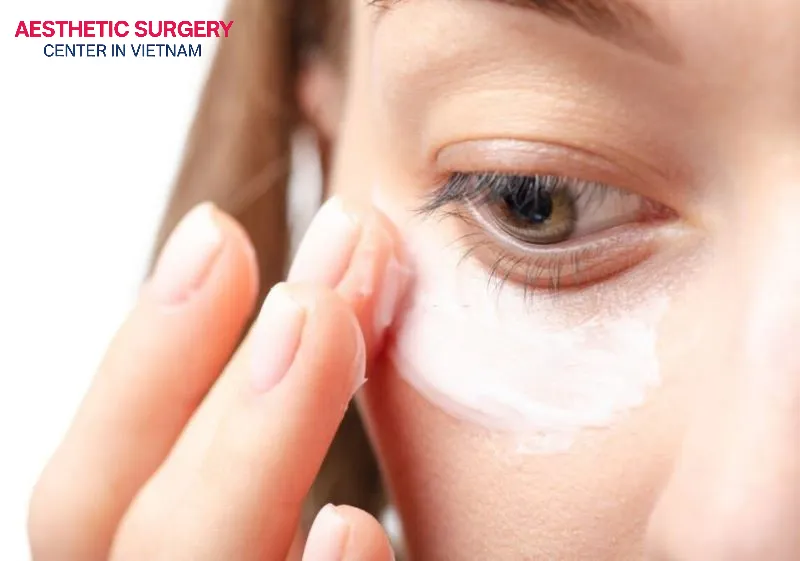
For very mild cases or early-stage aging, topical products containing Retinol, Vitamin C, Peptides, or Hyaluronic Acid can provide certain benefits. These ingredients help gently stimulate collagen production, improve elasticity, and hydrate the skin around the eyes.
In addition, combining this with lymphatic drainage massage techniques or eye yoga exercises can help reduce fluid retention and strengthen the orbicularis oculi muscle. As a result, the eyes may look fresher, although this method cannot completely remove severe sagging skin.
Plasma technology
This is a non-surgical method that uses plasma energy to create micro-injuries on the surface of the eyelid skin without causing bleeding. This process makes the loose skin shrink immediately and stimulates natural healing, leading to strong collagen production afterward. After the procedure, small brown scabs will appear on the eyelids and usually fall off after about 5–7 days, leaving the skin firmer and smoother.
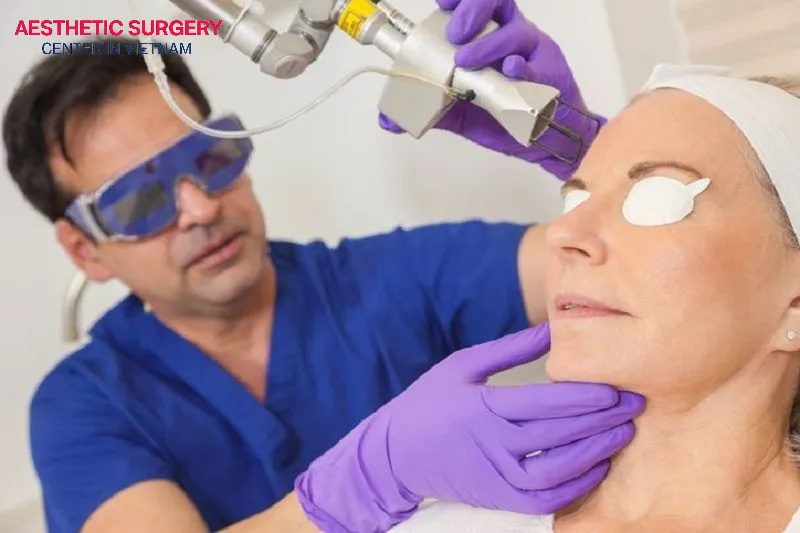
Laser skin resurfacing
Surgeons often use CO2 Fractional Laser or Erbium Laser to target deeper layers of the skin around the eyes. The laser precisely removes aged skin layers, while the heat stimulates collagen fibers to tighten and regenerate. This method not only helps reduce mild to moderate excess skin, but is also very effective in fading crow’s feet wrinkles and improving skin pigmentation around the eyes.
Skin tightening with energy
This method uses radiofrequency (RF) or high-intensity focused ultrasound (HIFU) to deliver heat deep into the dermis and the superficial muscular layer (SMAS) without damaging the skin surface. The heat contracts aging collagen fibers and stimulates the production of new, denser collagen, helping lift and firm sagging eyelid skin from within.
This is a suitable option for patients who want to avoid surgery and prefer minimal downtime. However, results usually appear gradually after 1–3 months.
Eyelid surgery
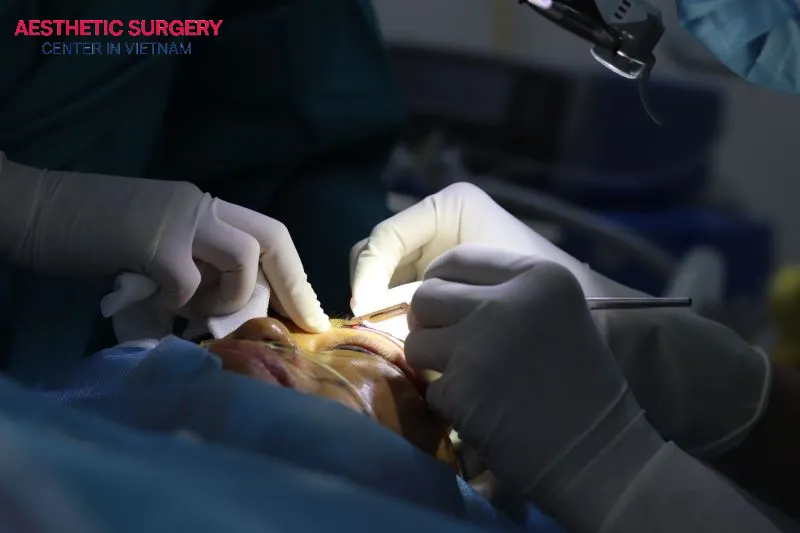
This is the most effective and long-lasting solution for severe excess eyelid skin. During the minor procedure, the surgeon makes a thin incision along the natural eyelid crease, then precisely removes excess skin and fat pockets, and stitches the area to create a sharper new eyelid crease.
This method permanently improves severe drooping eyelids, expands the field of vision, and the results can last for many years, or even permanently depending on individual factors.
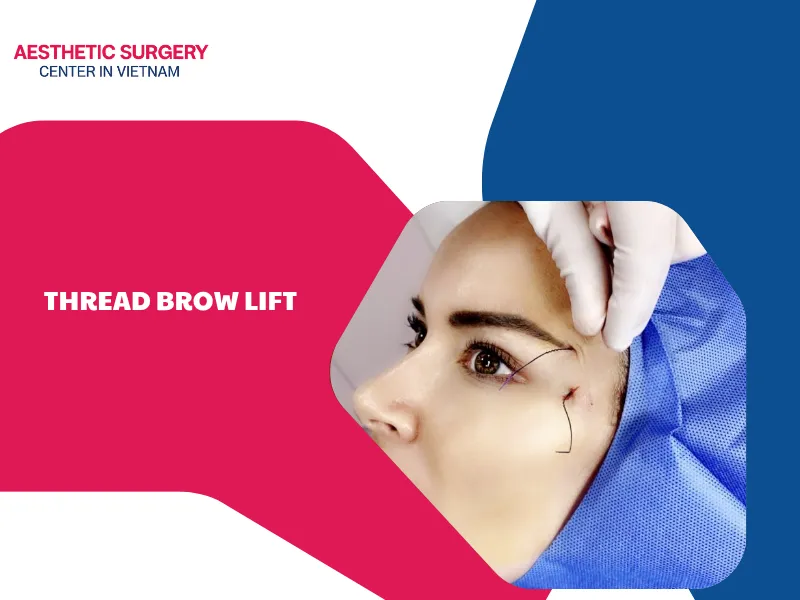
Brow lift surgery
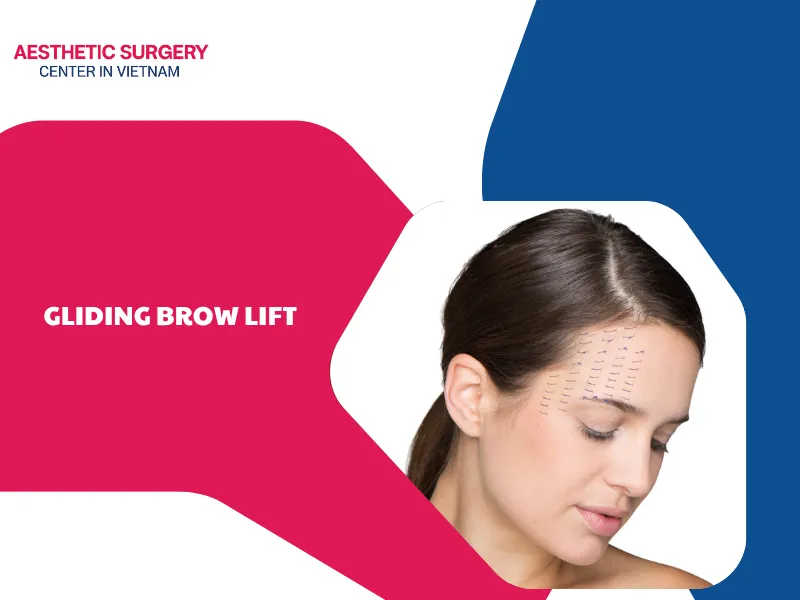
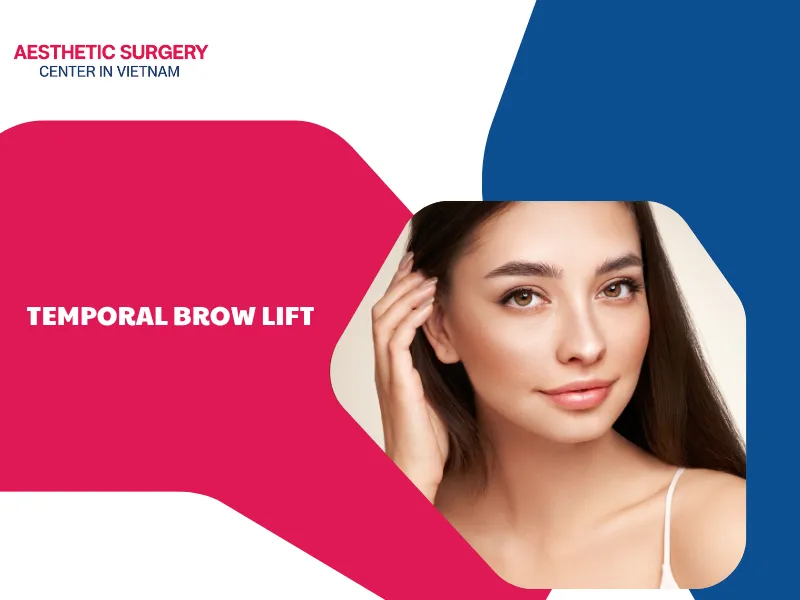
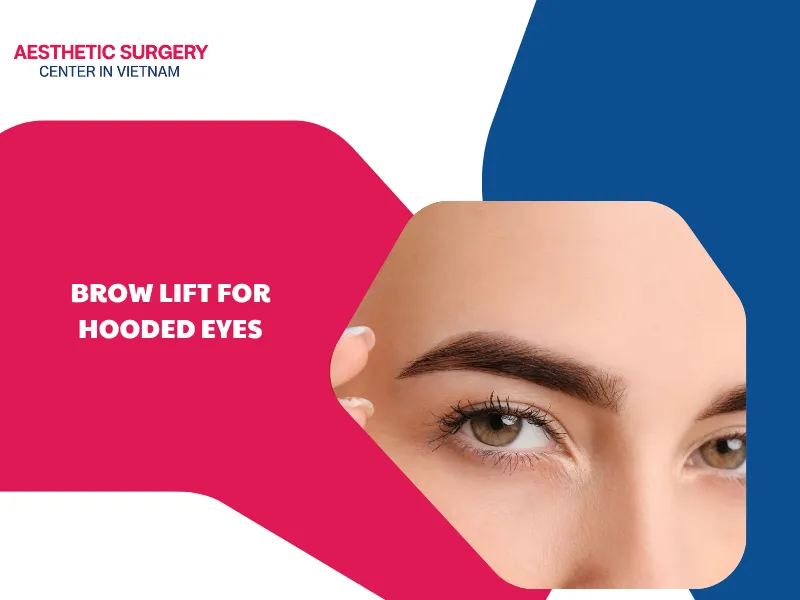
For patients whose droopy eyes are mainly caused by sagging eyebrows and who want to keep their natural eyelid crease, a brow lift is an ideal solution. The surgeon will make an incision close to the lower or upper edge of the eyebrow to remove excess skin and lift the eyelid skin upward.
This technique helps the eyes look younger and less tired without directly changing the eyelid crease, while also hiding the scar very well along the eyebrow line.
Preventing excess eyelid skin
Prevention is better than cure. Preventing excess eyelid skin requires consistency in daily habits to maintain skin elasticity for as long as possible. Below are effective prevention methods you should consider and apply:
Protect your eyes from sun exposure
To prevent sagging skin, you should develop the habit of wearing UV-protective sunglasses whenever you go outside, even on cloudy days. In addition, applying sunscreen specifically designed for the eye area or wearing a wide-brimmed hat is also essential. This not only prevents photoaging but also helps reduce squinting in strong sunlight—a mechanical habit that can lead to wrinkles and excess skin over time.

Start eye care at the right age
Start caring for this area from the age of 20–25. Do not wait until sagging skin appears before paying attention. You should keep the skin hydrated regularly with eye creams containing Hyaluronic Acid and Ceramides to maintain a plump, moisturized look. More importantly, add products containing Retinol or Peptides to your nighttime skincare routine.
These ingredients work like a “signal” that stimulates the body to continuously produce natural collagen, helping strengthen the skin’s support structure and significantly slow down sagging.
Maintain a healthy diet
What you eat directly affects skin firmness. Reduce your salt and sugar intake. Salt causes water retention, making the under-eye area puffy and constantly stretching the skin, while sugar triggers glycation, which damages the skin’s flexible protein fibers. Instead, increase foods rich in antioxidants (Vitamins C, E, and A) such as leafy greens, berries, fatty fish, and nuts. These nutrients help neutralize free radicals and protect skin cells from premature aging from within.

Getting more nutrients rich in vitamins C, A, and E can help fight aging and prevent eyelid sagging.
Quit bad habits that harm the eyes
Repeated physical actions every day can stretch the eyelid skin faster than you think. You should completely avoid rubbing your eyes hard when they feel itchy or tired, because this action pulls the skin and breaks down delicate elastic fibers. When removing makeup, be very gentle with soft cotton pads and avoid harsh rubbing.
In addition, smoking should be completely stopped, because cigarette smoke constricts blood vessels, reduces oxygen supply to the skin, and destroys collagen at a rapid rate.
Get enough sleep and manage stress
Sleep is the best time for the body to repair damaged cells and restore energy. Staying up late or lacking sleep not only causes dark circles but also makes the eye muscles tired and weak, reducing their ability to support the skin and leading to faster eyelid drooping.
Try to sleep 7–8 hours each night and slightly elevate your head with a pillow to prevent fluid buildup that can cause puffy eyes the next morning. Managing stress also helps balance hormones and keeps the skin youthful and healthy.

Treat eye problems and refractive errors early
If you have refractive errors such as nearsightedness, farsightedness, or astigmatism, wear the correct prescription glasses to avoid constant squinting to see clearly—one of the leading mechanical causes of excess eyelid skin. In addition, if you have allergies such as allergic rhinitis or conjunctivitis that often cause itchy and swollen eyes, make sure to treat them actively and completely.
Repeated swelling around the eyes can stretch the eyelid skin and prevent it from returning to its original firmness, leading to permanent excess skin.
Apply these prevention tips to keep your eyes looking youthful, bright, and attractive.
With the information shared about extra skin on eyelid, you now understand the causes, common signs, treatment options, and prevention methods for sagging and drooping eyelid skin. Hopefully, this information will be useful for readers.
>>> See more: Can you put neosporin on your eyelid?












Comment on the post