


Droopy eyelid after cataract surgery can make many individuals worried because it affects vision and appearance. Fortunately, most cases improve on their own within a few weeks or months. Understanding the causes and risk factors helps you prevent it effectively. The article below explains the condition, how to prevent it, how to care for it, and how to treat it when needed so your eyes can recover in the best way.
What is a droopy eyelid after cataract surgery?
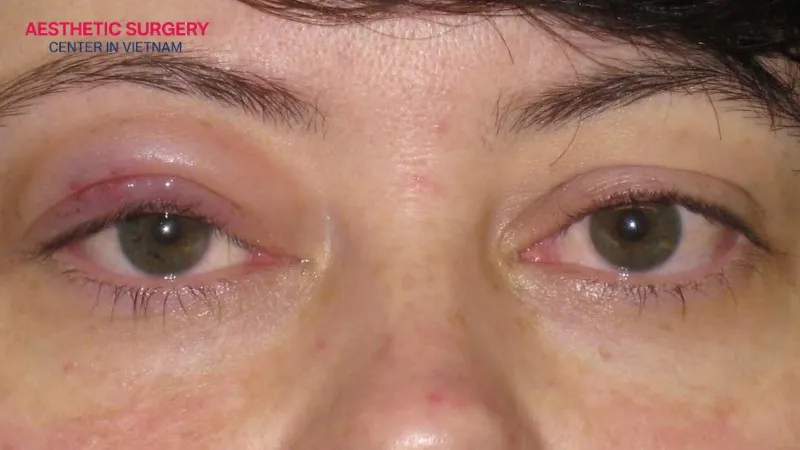
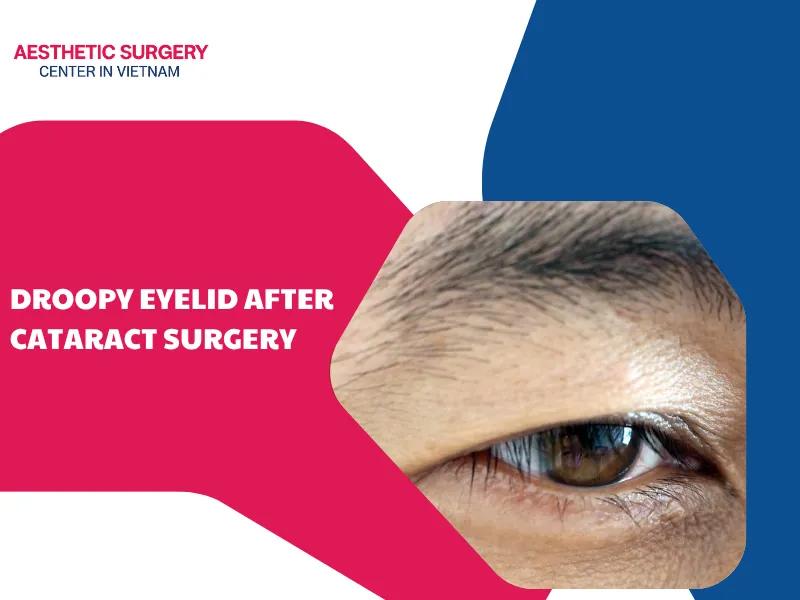
Droopy eyelid after cataract surgery is a condition where the upper eyelid falls lower than its normal position after the patient undergoes intraocular lens replacement surgery. This makes the eyelid narrower, the eyes look smaller, and reduces facial aesthetics.
In some severe cases, the eyelid margin may cover part of the pupil. This can block vision even though the internal eye vision has significantly improved after surgery.
How long does a droopy eyelid last after cataract surgery?
The duration depends on the type of droopy eyelid:
- Temporary droopy eyelid: This is the most common case. The eyelid gradually stabilizes and returns to normal after a short time.
- Permanent droopy eyelid: If the condition lasts for many months without improvement, you should see a doctor for proper treatment.
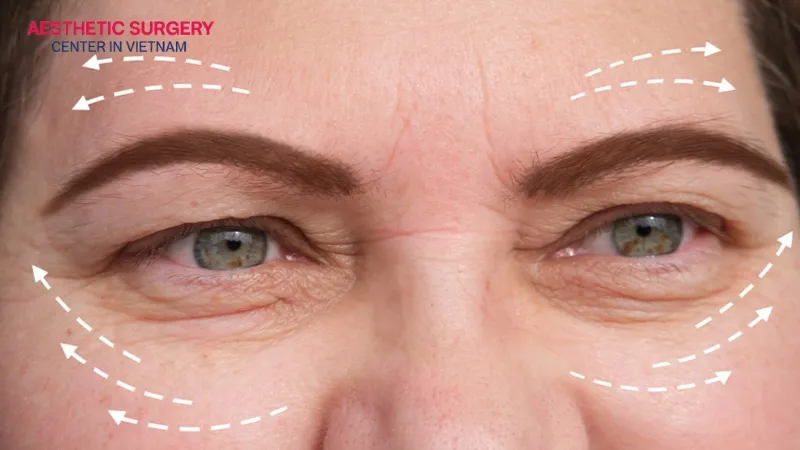
Causes of droopy eyelid after cataract surgery
According to EyeWorld.org, droopy eyelid after cataract surgery are quite common and can result from different causes. The main factors include:
- Use of eyelid speculum during surgery: This tool keeps the eye open during the procedure. It can put pressure on the eyelid, stretch it, and affect the levator muscle, leading to droopy eyelid after cataract surgery.
- Effects of anesthesia: Some anesthetic agents can affect the muscles and nerves around the eye. This can make the eyelid muscle function less effectively for a short time and cause droopy eyelids.
- Prolonged surgery time: When the procedure takes longer, the eyelid stays open for an extended period. This can cause fatigue and mild strain, increasing the risk of eyelid weakness after surgery.
- Inflammation or irritation after surgery: Inflammation or irritation in the eye, such as from surgical sutures, can affect normal eyelid function.
- Damage to the levator muscle: During surgery, the levator muscle may be stretched or mildly affected. This can reduce its ability to lift the eyelid and lead to droopy eyelid after cataract surgery.
- Pre-existing patient factors: Individuals with weak levator muscles or pre-existing droopy eyelids are more likely to develop this condition after surgery.
Other factors that may affect the risk include:
- Women tend to experience this condition more often than men.
- The type of surgery and the surgical area may influence the rate.
Other factors such as age, type of anesthesia, or previous surgical history have not shown a clear impact.
What is the incidence of ptosis after cataract surgery?
Droopy eyelid after cataract surgery is a possible complication, but it is not very common and is usually mild.
Studies show that the incidence of droopy eyelid after cataract surgery ranges from about 7% to 21%. A meta-analysis of more than 2,800 eyes found an average rate of around 11.4%, meaning about 1 in 10 patients may experience this condition.
However, there is one important point:
- Most cases of droopy eyelid after cataract surgery are temporary. The condition can improve within a few weeks to a few months after surgery.
- Severe droopy eyelids after surgery is rare, and very few patients need corrective surgery.
- In fact, fewer than 1 in 1,000 patients develop severe ptosis that requires surgical treatment.
In summary, although droopy eyelid after cataract surgery can occur, it is usually mild, temporary, and rarely serious, so patients do not need to worry too much.
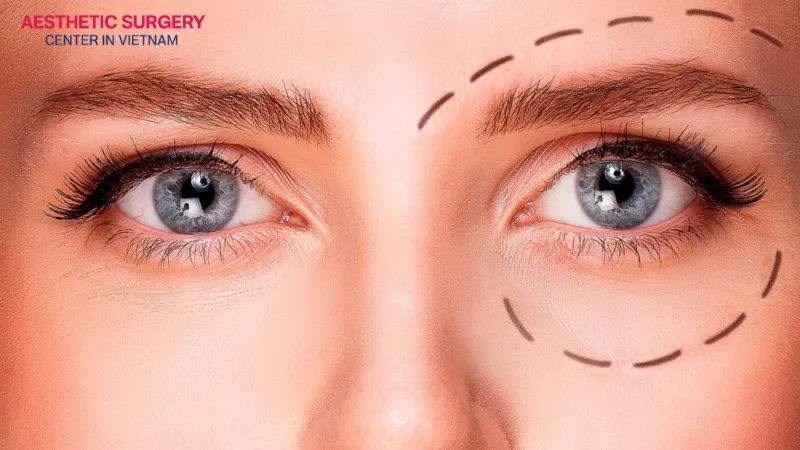
How to fix droopy eyelids after cataract surgery?
If the condition lasts about 6 months or affects vision and daily activities, there are several ways to fix it:
Gentle management for mild or self-recovering cases:
- Monitoring: Observe the condition to see if it improves naturally.
- Eye exercises: Patients can do exercises for droopy eyelid after cataract surgery to help strengthen the eyelid muscles.
- Temporary eyelid taping: Use medical tape to lift the eyelid and improve vision during eyelid surgery recovery.
Medical treatment: In some cases, medication may help:
- Special eye drops: Some eye drops can temporarily lift the eyelid.
- Botulinum injection (Botox): If the other eyelid lifts to compensate, Botox can help balance both sides.
Surgical treatment for severe or persistent cases:
- Levator advancement: Tighten the levator muscle to lift the eyelid.
- Muller muscle and conjunctiva resection: Shorten the Müller muscle to elevate the eyelid.
- Frontalis sling surgery: Use the forehead muscle to lift the eyelid. This is usually for severe cases when the levator muscle does not function well.
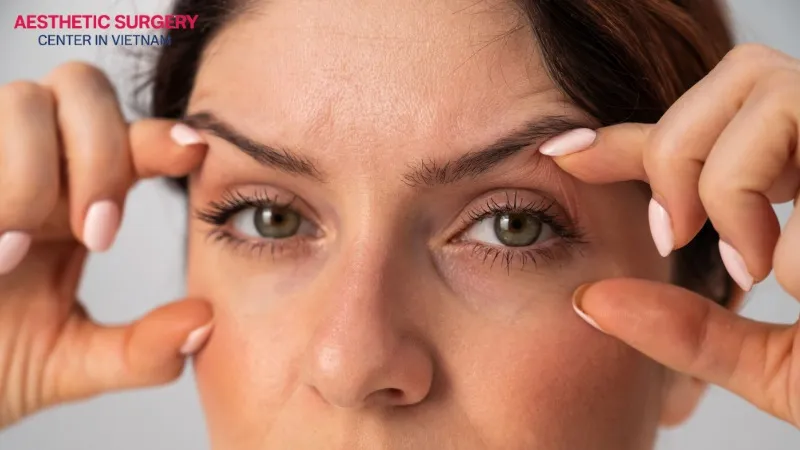
Prevention of post-cataract surgery ptosis
There are steps patients can take before and after surgery to help prevent droopy eyelid after cataract surgery:
- Keep the eyes clean after surgery: This helps reduce the risk of infection and swelling, which can cause droopy eyelids.
- Maintain a healthy diet and stay hydrated: Proper nutrition supports faster and stronger eye recovery.
- Avoid smoking: Smoking slows wound healing and increases the risk of complications after surgery.
- Limit alcohol intake: This helps the body recover better.
- Use medications and eye drops as prescribed: This supports tissue healing and reduces the risk of infection and swelling.
Understanding the condition, its causes, and applying proper prevention and post-surgery care can significantly reduce the risk of droopy eyelid after cataract surgery. If the condition persists and affects daily life, consult your doctor for evaluation and appropriate treatment. Proper monitoring, care, and timely intervention will help improve vision and protect your eyes. You can feel more confident about your recovery after surgery.
>>> See more: What to avoid eating after eyelid stitching?















Comment on the post