



Liposuction is a popular cosmetic procedure that helps remove stubborn fat from areas such as the abdomen, hips, thighs, and arms. It’s a quick solution to achieve a more balanced body contour, something that diet and exercise alone may not accomplish. That’s why many people wonder: How much weight can you lose with liposuction? If you’re curious about this too, let’s find out in the article below!
How much weight can you lose with liposuction?
After liposuction, you may lose around 2–5 kg, which is equivalent to about 2–5 liters of fat removed safely. This number can vary depending on your body type, the treated area, and the technique used.
However, it’s important to understand that liposuction is not a full weight-loss method — it mainly targets localized fat to contour your body. The final results also depend on maintaining a healthy lifestyle after the procedure, as weight gain may return if diet and exercise are not managed properly.
>>> See more: Can liposuction remove 100 pounds?
What is the ideal weight for liposuction?
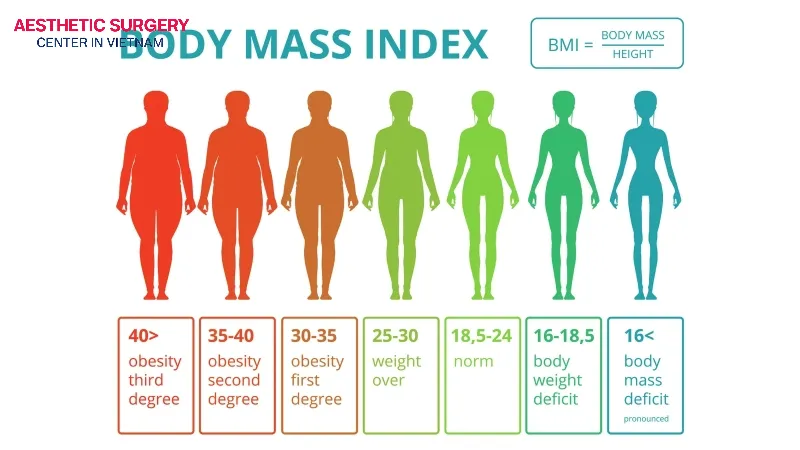
Your ideal weight after liposuction isn’t a fixed number, since the procedure focuses on removing localized fat rather than achieving overall weight loss. However, your ideal weight can be estimated using the Body Mass Index (BMI), which is calculated based on your height and weight.
The ideal BMI range is typically between 18.5 and 24.9. Reaching this range before undergoing liposuction helps ensure a safer procedure and allows your body to achieve its best contour more effectively.
What should I eat after my procedure?
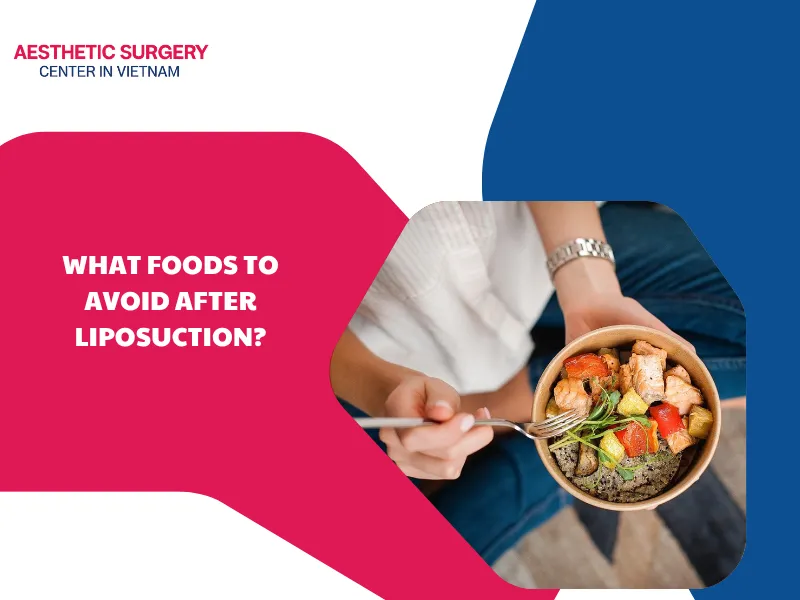
After liposuction, a proper diet plays a crucial role in supporting liposuction recovery time, reducing swelling, and maintaining results. You should prioritize nutritious, easily digestible foods that promote healing, such as:
- Protein-rich foods: Lean pork, fish, tofu, and legumes help rebuild tissue and support overall recovery. Protein also helps maintain muscle, especially during fat reduction.
- Fresh vegetables and fruits: Leafy greens, broccoli, pineapple, oranges, and strawberries provide vitamin C, fiber, and antioxidants, which help reduce inflammation and enhance wound healing.
- Whole grains: Oats, brown rice, and quinoa supply sustained energy without causing sudden weight gain.
- Healthy fats: Olive oil, avocado, and nuts provide energy and support overall health, but should be consumed in moderation.
- Stay hydrated: Drink 2–3 liters of water daily to aid toxin elimination and reduce swelling.
In addition to recommended foods, you should avoid certain items such as:
- Processed foods
- Fried foods
- High-salt or high-sugar foods (like soda, candies, and sweets) as they can cause swelling or water retention
- Alcohol and caffeine to prevent interference with the recovery process
How can I maintain my weight post-Op?
To maintain your weight after liposuction and preserve long-lasting results, it’s important to combine a healthy lifestyle with sustainable habits:
- Balanced diet: Continue prioritizing protein-rich foods, vegetables, fruits, and whole grains. Limit sugary foods, saturated fats, and processed items to prevent fat from returning.
- Regular exercise: Once fully recovered (usually 4–6 weeks, depending on your surgeon’s guidance), start with light activities like walking or yoga. Gradually increase intensity with cardio or weight training to maintain your shape. Exercise 3–5 times per week, 30–60 minutes per session, to burn calories and build muscle.
- Monitor weight and body measurements: Check your weight and body measurements regularly to detect any changes early. However, don’t obsess over the numbers, as liposuction focuses more on contouring than major weight loss.
- Get enough sleep and reduce stress: Aim for 7–8 hours of sleep per night and manage stress through meditation or relaxing activities. Stress and lack of sleep can increase cortisol levels, which may lead to fat accumulation.
- Consult your surgeon regularly: Attend follow-up appointments to receive personalized guidance on nutrition and exercise suitable for your body type.

Liposuction is an effective solution for body contouring, giving you a slimmer shape and more confidence. Instead of worrying about how much weight can you lose with liposuction, focus on maintaining your weight through a healthy diet and lifestyle. Wishing you a toned, ideal figure just as you desire!
















Comment on the post