



Fibrosis after lipo is a mild but common complication following cosmetic liposuction procedures. While not dangerous, if left untreated, fibrosis can slow skin recovery and cause uneven, lumpy areas. So, does fibrosis after liposuction go away, and how can you remove it at home to restore smooth skin? Read on to learn the causes, signs, and effective ways to manage fibrosis.
What is fibrosis after lipo?
Fibrosis after lipo occurs when connective tissue under the skin forms hard fibrous bands following liposuction. This is a completely natural response during the recovery phase, as fat tissues are damaged and the body starts regenerating new cells.
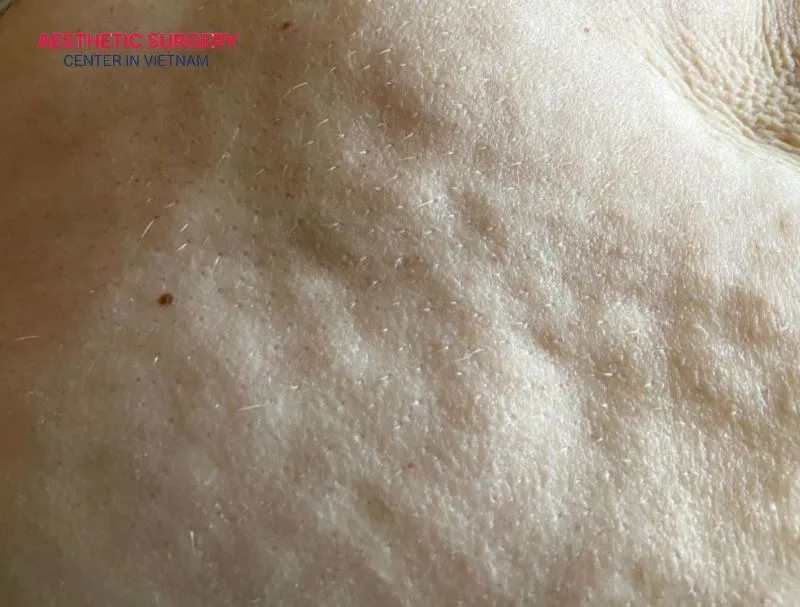
However, in some cases, the healing process is uneven, causing abnormal collagen buildup. This leads to hard, uneven, and tight skin, resulting in fibrosis after lipo.
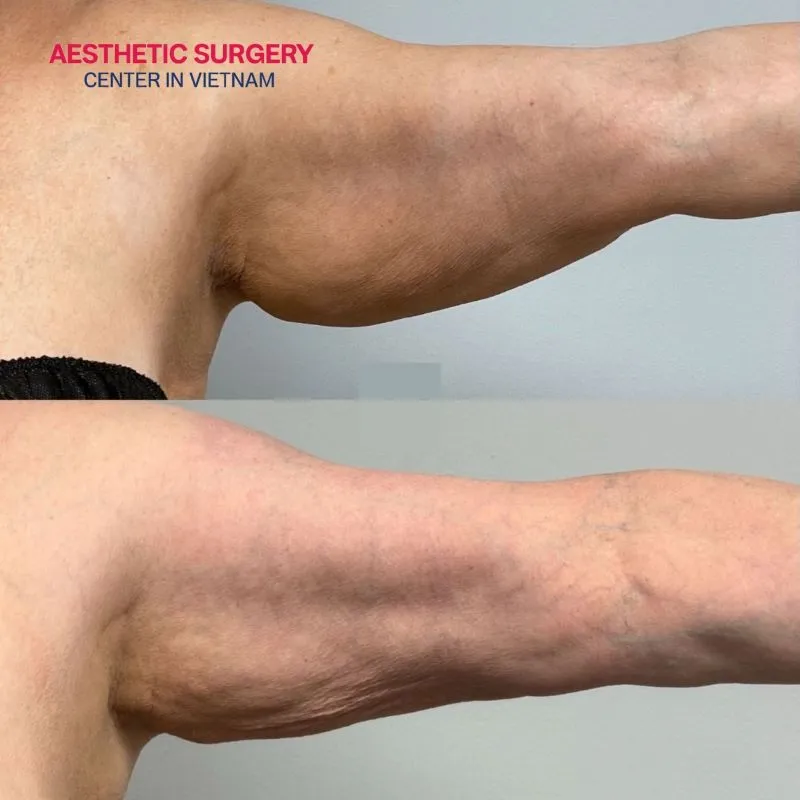
Fibrosis usually occurs in areas like the abdomen, thighs, waist, or arms, where there is more fat tissue and larger liposuction areas. It can appear 2–4 weeks after the procedure, as the body enters the tissue regeneration phase.
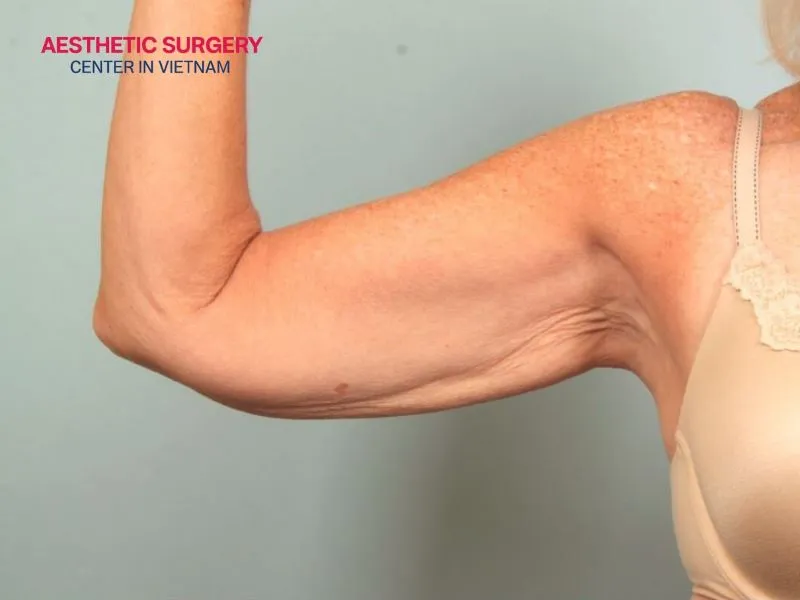
Common signs of fibrosis after lipo include skin that looks firm, wavy, or slightly tender to the touch. In severe cases, the skin may become uneven, indented, and lose its natural smoothness, significantly affecting the treated area’s appearance.
Common causes of fibrosis after lipo
Fibrosis can occur after liposuction if the healing process of the underlying tissues is uneven. Here are some common causes to be aware of:
Fluid accumulation
After removing a large amount of fat, fluid may accumulate under the skin if the body cannot drain it quickly enough. This fluid can form small, hard, uneven lumps in the treated area. If left untreated, long-term fluid buildup can stimulate fibrous tissue growth, leading to fibrosis and making the skin feel firm and uneven.
Incorrect technique
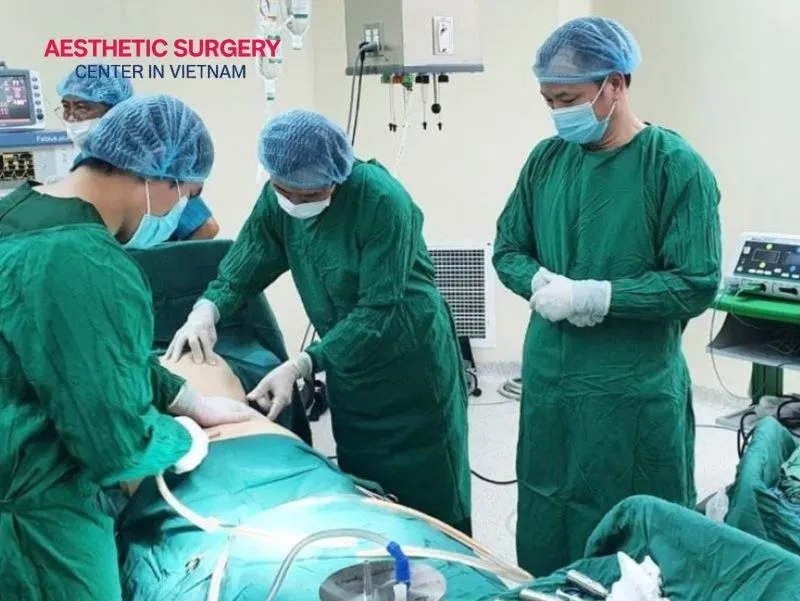
If the surgeon works unevenly or removes fat too deeply, fat tissues can be damaged unevenly, leading to fibrous tissue buildup and fibrosis during recovery. Additionally, at less reputable clinics, the step of smoothing the tissue after liposuction may be skipped, resulting in uneven, firm skin that loses natural elasticity.
Blood accumulation
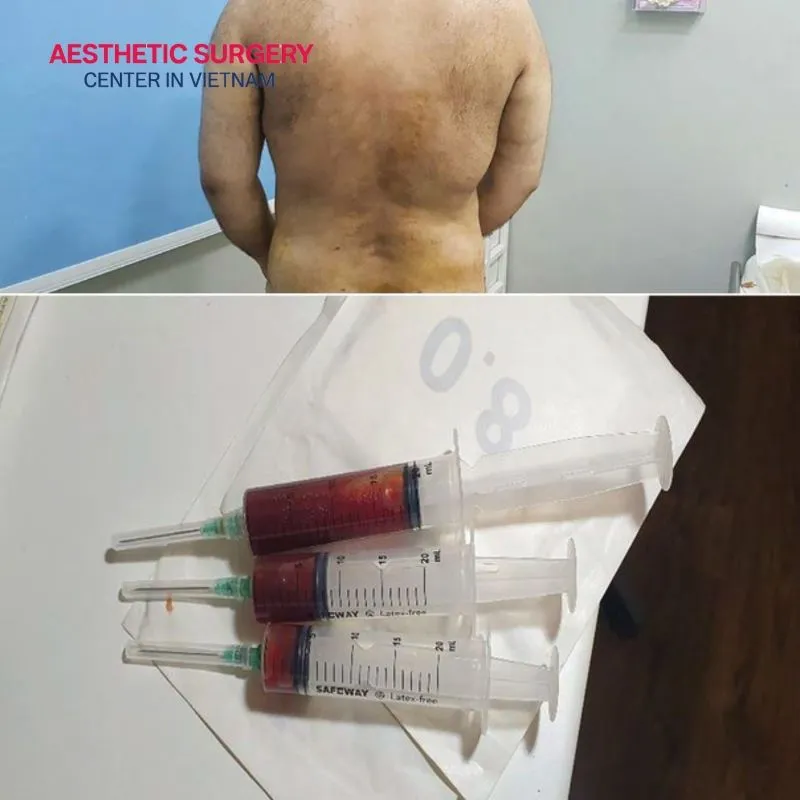
During liposuction, if small blood vessels under the skin are damaged or impacted, blood can leak and form small clots under the skin. If these clots are not properly drained or treated, the body may encapsulate them, causing fibrosis, and in some cases, prolonged numbness or discomfort.
Infection
If the incision after liposuction is not properly cleaned or cared for, bacteria can invade the tissue, causing inflammation in the treated area. Prolonged inflammatory response can trigger abnormal fibrous tissue growth, leading to fibrosis and firm, uneven skin. Additionally, improper actions such as applying heat or using medications without a surgeon’s guidance can worsen the inflammation.
Genetic predisposition
Some people have a tendency for excessive collagen production, causing fibrous tissue to form quickly even when liposuction is performed correctly. This factor is difficult to control and depends on the body’s natural response. People with this predisposition need careful aftercare and regular follow-ups to prevent severe fibrosis.
Does fibrosis after lipo go away?
Fibrosis after liposuction can improve and gradually disappear if detected early. In the initial stage, fibrous tissue is still soft, so interventions like physical therapy can be highly effective.
However, if left untreated for too long, the fibrous tissue will harden, making recovery much more difficult and potentially leaving permanent uneven, firm, or lumpy skin.
Therefore, regular follow-ups and strictly following your surgeon’s aftercare instructions are essential to manage any complication liposuction procedures might involve, such as fibrosis, while reducing the risk of recurrence and ensuring optimal results.

How to get rid of fibrosis after lipo at home
Here are some methods to soften fibrous tissue and support effective skin recovery at home, especially if fibrosis is detected early:
- Perform gentle massage following your surgeon’s instructions, using circular, even motions to stimulate blood flow, soften fibrous tissue, and reduce uneven skin.
- Wear compression garments for the recommended duration and proper size to gently press the treated area, reduce fluid buildup, and help the skin adhere, preventing fibrous tissue formation.
- Stay hydrated and include foods rich in Vitamins C and E to support faster skin recovery.
- Always follow your scheduled follow-up visits so your surgeon can monitor healing and intervene promptly if signs of fibrosis appear.

Why choose liposuction at Aesthetic Surgery Center Vietnam?
If you are looking for a safe, medically-standard liposuction clinic that delivers natural results, Aesthetic Surgery Center Vietnam is a top choice, favored by many clients for its outstanding advantages:
- A team of experienced aesthetic surgeons, professionally trained both domestically and internationally.
- Investment in and access to modern, internationally certified equipment.
- Procedures are performed in fully sterile, enclosed operating rooms, ensuring safety and strict control.
- Use of advanced technologies to remove excess fat quickly with minimal invasiveness, reducing swelling and liposuction painful.
- We provide continuous support for every client to ensure a smooth liposuction recovery time and a safe healing process.
- Warranty policies and attractive promotions, helping clients save costs and feel confident when experiencing the service.
>>> See more: Liposuction in Vietnam
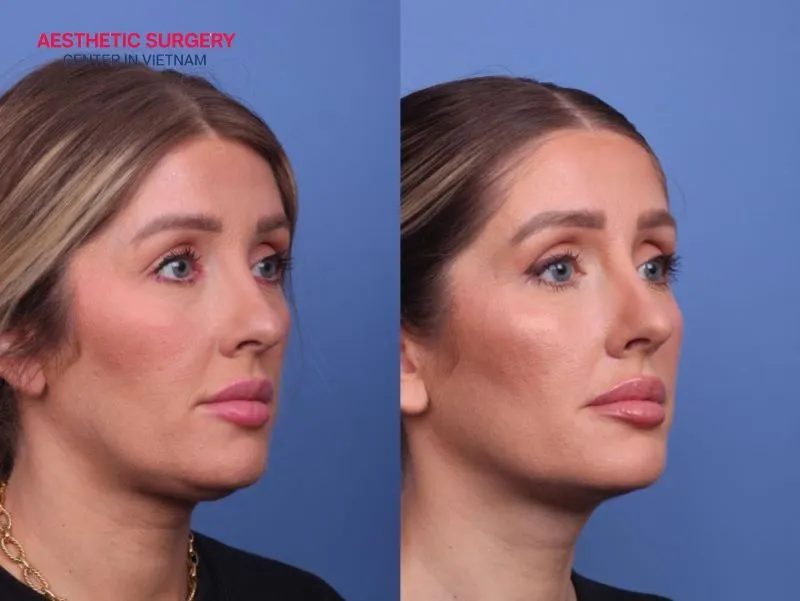
We hope this article has helped you understand fibrosis after lipo and how to manage it for proper skin recovery. Although it is a mild complication, if not addressed early, it can affect both aesthetic results and skin structure. If you are experiencing similar issues or have any questions, contact Aesthetic Surgery Center Vietnam at hotline (+84) 911 582 499. Our team of experts will provide guidance, recommend suitable treatments, and help you achieve the smooth, natural-looking results you desire.














Comment on the post