



Liposuction is one of the most popular cosmetic surgical procedures, helping remove excess fat and reshape the body quickly. However, one of the biggest concerns for those considering this procedure is how long does liposuction last in terms of aesthetic maintenance. Is it a permanent solution for fat removal, or only a temporary one? This article takes a closer look at the longevity of liposuction results and the key factors that influence them.
Is liposuction permanent?
From a medical perspective, liposuction provides permanent results in terms of the number of fat cells removed. In adults, the number of fat cells in the body is fixed; weight gain or loss occurs because these cells expand or shrink, not because new fat cells are created.
During liposuction, the surgeon uses specialized devices to break down and completely remove fat cells from the body, and the body has no mechanism to regenerate them in the treated areas. As a result, the “storage sites” for excess energy in areas such as the abdomen, thighs, or upper arms are eliminated. This significantly reduces the likelihood of fat returning and is why many consider liposuction permanent for the specific cells removed, helping to reshape the body more effectively.
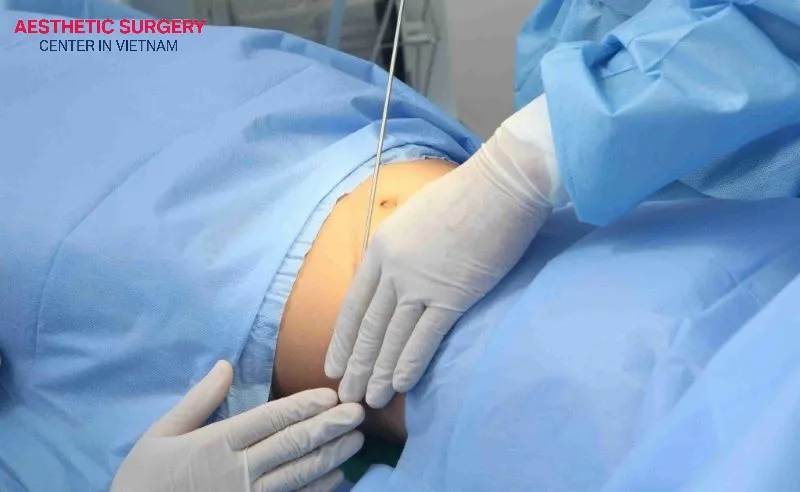
However, a slim and well-shaped appearance is not guaranteed permanently if you do not maintain a healthy lifestyle. Although the number of fat cells is reduced, a thin layer of fat remains under the skin to protect the body, along with fat cells in untreated areas.
If you consume excess calories after surgery, the remaining fat cells can still expand several times in size to store fat. More concerning, when the treated areas no longer have capacity, the body may store fat in other areas such as the back or shoulders, or increase visceral fat, leading to new body imbalances.
Therefore, liposuction should be understood as a body contouring method rather than a miracle solution that makes you immune to weight gain forever.
How long do the results of liposuction last?
According to aesthetic experts, the answer to “how long does liposuction last” can range from 5–10 years or even a lifetime. This depends entirely on your lifestyle, diet, and physical activity after the procedure. To better understand the timeline, the results can be divided into three stages:
Stage 0–6 Months: “Body contouring and stabilization”: During this period, the body is in the process of liposuction recovery time and stabilization.
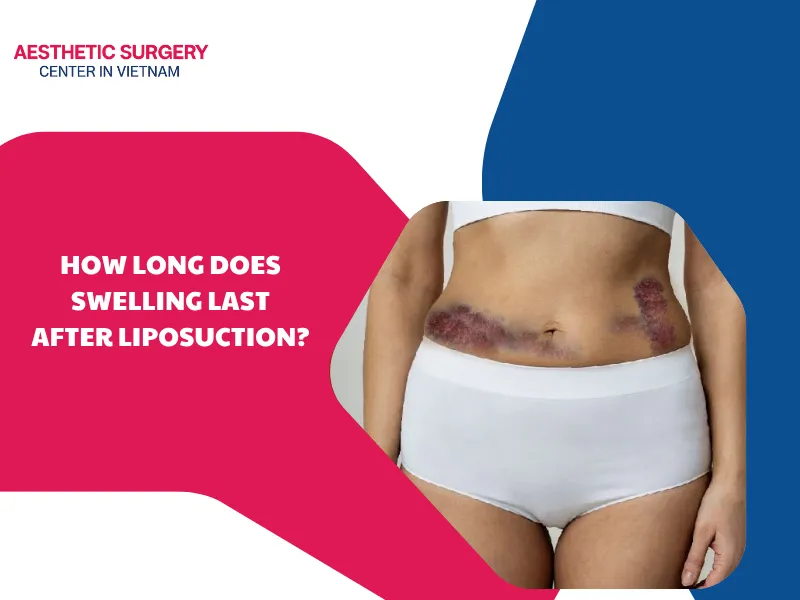
- Months 1–3: The body may still experience swelling and edema, and the treated areas can feel firm. You may not see the final contours immediately.
- Months 3–6: This is when the results become most visible. The skin starts to tighten and adapt to the underlying muscles, and body contours become more defined. This is the period when you look your best.
Stage 1–5 years: “The golden period”
If you maintain a stable weight, with fluctuations of no more than 3–4 kg, the aesthetic results can remain almost unchanged during this period. Because fat cells in the treated areas have been removed, these areas are much less likely to accumulate fat again. If you gain a small amount of weight, fat tends to be stored first in untreated areas such as the breasts, face, or hips, helping the abdomen or thighs remain slim.
Stage 5–10 years and beyond: “Natural aging phase”
After many years, even if fat does not return, the appearance of the treated areas may change due to the natural aging process. The gradual loss of collagen causes the skin of the abdomen, arms, or thighs to lose firmness, leading to wrinkles or sagging, especially in perimenopausal women. In addition, weakened abdominal muscles can make the abdomen appear larger, even when the layer of subcutaneous fat is very thin.
Factors that affect the duration of liposuction results
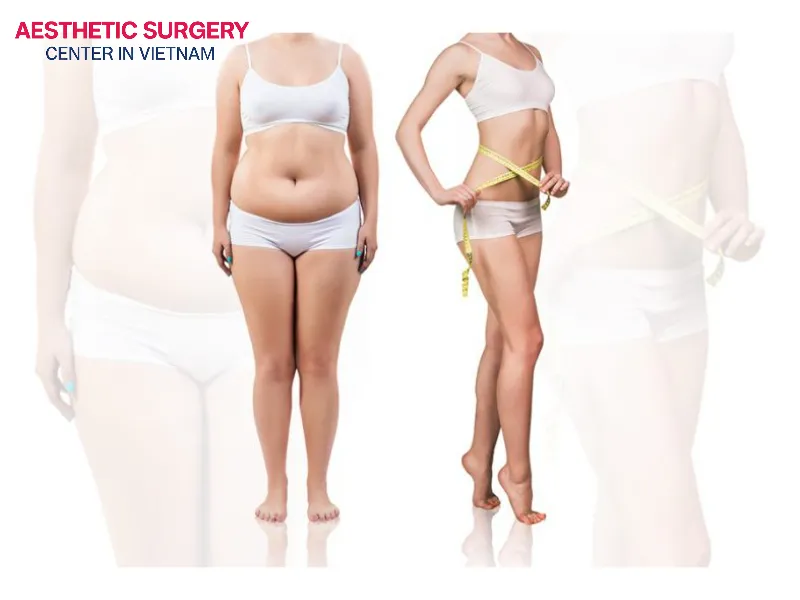
Based on the information above, liposuction can be seen as a “lifesaving” solution that helps women achieve a balanced, harmonious, and desirable body shape without strict dieting or intense exercise. However, how long liposuction results last depends on several factors, such as the liposuction technique, the surgeon’s skill, post-operative care, natural aging, and daily habits. Details are as follows:
Genetics and individual body type
Genetics determine your natural “fat distribution map” and your body’s ability to recover. Each person is born with a fixed number of fat cells and preferred areas for fat storage. For those whose excess fat affects body shape, liposuction helps remove fat cells in targeted areas but cannot change genetic factors.
If you are prone to keloid scarring or fibrous tissue formation, the treated areas may remain firm or uneven under the skin for a long time instead of becoming soft and smooth. In addition, whether your body heals easily or not affects how quickly the inflammation around liposuction scars subsides, typically within 1–3 months, which directly influences when you see the final body contour.
Technique and surgeon’s skill
The surgeon’s technique and expertise determine whether the skin surface after liposuction is smooth or uneven. An experienced surgeon knows how to remove fat evenly at different tissue depths to avoid irregular contours. More importantly, modern techniques not only break down fat but also use thermal energy to stimulate collagen production, helping the skin tighten more effectively.
If fat is removed too close to the skin surface or if the blood supply to the skin is damaged, the area may experience prolonged bruising, mild tissue damage, or permanent skin laxity. This can compromise aesthetic results even when the fat has been successfully removed.

Post-liposuction care
Liposuction results are only fully visible after 3–6 months, and this period depends entirely on proper post-operative care. Wearing compression garments is not only for reducing swelling but also to help the skin adhere tightly to the underlying muscle layer.
If you neglect to wear compression garments or use the wrong size during the first 1–2 months, the space between the skin and muscle may fill with serous fluid or fibrous scar tissue. This can cause the abdomen to feel firm, uneven, or lumpy rather than smooth. Proper lymphatic drainage massage also helps the treated area soften faster and effectively prevents fibrosis after lipo, a common concern where the tissue feels hard or restricted. Therefore, the longevity of liposuction results depends greatly on consistent post-operative care and monitoring.
Weight fluctuations
Maintaining a stable weight is the “insurance” for long-lasting liposuction results. Although fat cells have been removed, the remaining cells, even in small numbers, can still expand up to 50–60 times their original size if you consume excess calories.
More concerning, sudden weight gain can trigger the body’s survival mechanism, causing fat to accumulate in untreated areas such as the back, upper arms, or as visceral fat. In this case, overall body balance is lost—the abdomen may remain relatively small, but the body can appear bulky and less aesthetically pleasing in a different way.
Aging and skin elasticity
Liposuction removes excess fat, but whether the skin can tighten depends on its elasticity. In younger people, the skin retracts quickly like a rubber band. Over time and with aging, the collagen network breaks down and the skin becomes looser. If liposuction is performed when the skin has poor elasticity or many stretch marks, the skin may not fully retract after fat removal and can sag, forming folds. In these cases, liposuction alone does not maintain long-term aesthetic results and is often combined with surgical skin tightening.
Lifestyle habits
Daily lifestyle habits quietly determine whether you maintain your results for one year or ten years. A diet high in sugar and refined carbohydrates stimulates insulin and accelerates fat accumulation. In particular, alcohol consumption and staying up late increase cortisol levels, a key factor in visceral fat storage.
However, regular exercise helps maintain liposuction results for a longer time. Exercise not only burns calories but also tones the muscles. Firm abdominal muscles act as a strong support frame, making the treated area look flatter and more well-defined compared to those who undergo liposuction without exercising.

How to maintain long-lasting liposuction results
To ensure you get the best answer to “how long does liposuction last,” follow these guidelines:
Adopt a protein- and fiber-rich diet
Nutrition accounts for about 70% of long-term body shape maintenance. After liposuction, you do not need strict dieting, but you should switch to a cleaner eating plan. Prioritize lean protein sources such as chicken breast, fish, tofu, and lean beef to support muscle and help you feel full longer. At the same time, increase fiber intake from vegetables and fruits to aid digestion and reduce fat absorption.
In particular, limit refined sugars such as sweets and soft drinks, as well as fast-digesting carbohydrates like white rice, noodles, and rice vermicelli. These foods are major contributors to visceral fat accumulation, which liposuction cannot remove.

Drink enough water to maintain skin elasticity and detoxification
Water plays an important role in maintaining skin elasticity after the fat layer has been removed. Well-hydrated skin can retract better, fit closely to the body, and reduce the appearance of wrinkles. In addition, drinking 2–2.5 liters of water per day helps boost metabolism and supports the liver and kidneys in eliminating toxins and remaining dead fat cells after surgery more quickly. Spread your water intake throughout the day and avoid excessive sugary drinks or alcohol, as they cause dehydration and promote fat accumulation.
Maintain a combination of cardio and strength training
Exercise is key to preventing excess energy from building up again. However, cardio alone is not enough. You should combine it with strength training exercises such as weight lifting, squats, and planks to build muscle mass.
Muscle is the body’s natural “fat-burning engine.” People with more muscle burn more energy even at rest and have a higher basal metabolic rate. Focusing on strengthening muscles beneath the treated areas, such as the abdominal and thigh muscles, also helps the skin look flatter and firmer, reducing the risk of skin laxity over time.

Manage stress and get enough sleep to prevent visceral fat
Few people realize that sleep and mental health directly affect body shape. When you stay up late or experience prolonged stress, the body produces cortisol. This hormone signals the body to store energy as visceral fat around the intestines and liver as a defense mechanism. This type of fat pushes the abdominal wall outward, making the belly appear larger even when subcutaneous fat has been removed. Therefore, getting 7–8 hours of sleep per day and maintaining a relaxed mindset helps protect your aesthetic results from within.
Monitor your weight regularly and apply the “2 kg rule”
Do not wait until your clothes feel tight to start worrying. Make it a habit to check your weight once a week in the morning. In addition, set a personal “safe range” of 2 kg. If your weight increases beyond this range compared to your post-liposuction weight, you should immediately adjust your diet and increase exercise for 1–2 weeks to return to your baseline. Losing 1–2 kg gained recently is much easier than trying to lose 5–10 kg after significant weight gain.
After answering the question of how long does liposuction last, you now have a clearer understanding of this cosmetic surgical procedure and the factors that affect its outcomes. Hopefully, this article has provided you with useful and practical information regarding the maintenance and longevity of your results.

















Comment on the post