



Injecting lip filler is a quick solution for achieving full, balanced, and attractive lips. However, after the procedure, lips go through certain swelling stages, which can cause concern for many. To help you understand and prepare for this process, this article details the lip filler swelling stages, from the moment of injection to full recovery.
Lip filler swelling stage or timeline
Swelling is a completely normal and common reaction after lip filler injections. It is the body’s natural response to a foreign substance, and the lips are a particularly sensitive area. Lip swelling after filler usually follows a clear timeline, lasting about two weeks.
Day 0 – Immediate swelling begins
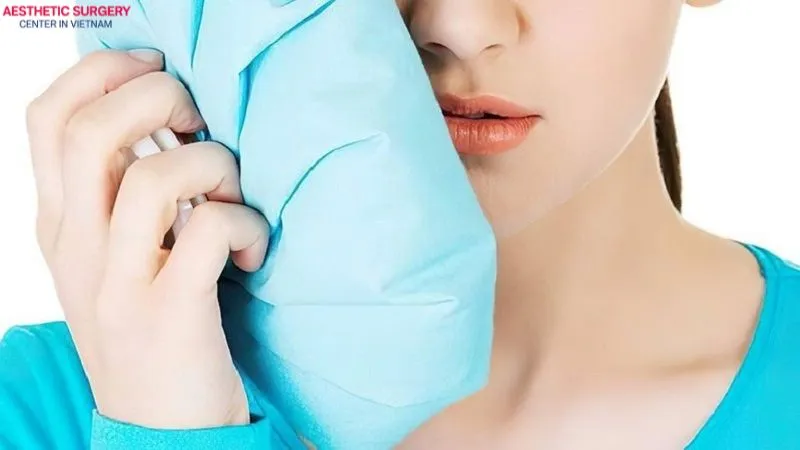
Right after the injection, you will feel tightness in your lips, and swelling will start immediately. This is the body’s instant immune response to the needle and the presence of filler—hyaluronic acid—under the skin. Your lips may appear much larger than the expected result, which is completely normal. To manage swelling on the first day, apply cold compresses to reduce swelling and relieve discomfort.
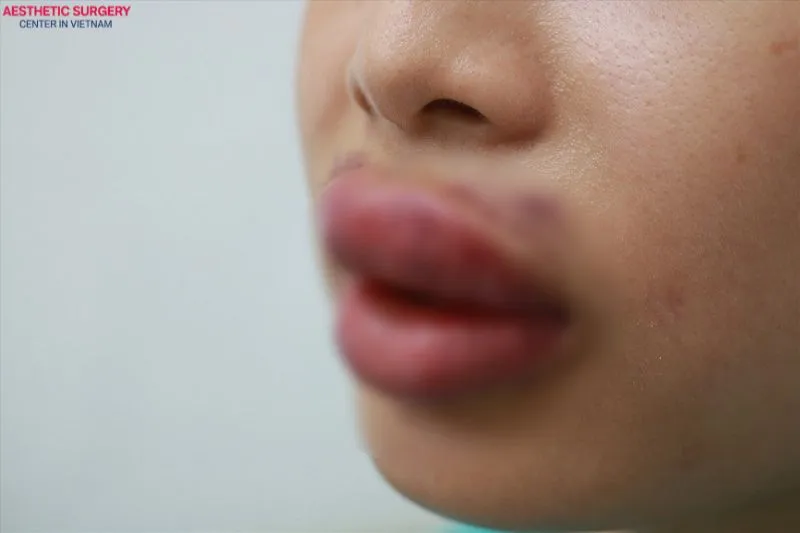
Day 1 – Peak swelling
The first day is the peak of swelling, and the puffiness in your lips is most noticeable. Your lips may feel hard and tight. This is also when many feel most concerned, as the lips may look uneven or larger than expected. However, this is a natural part of the body’s recovery process. Gently applying cold compresses can help reduce discomfort and swelling.
Day 2–3 – Bruising appears, swelling starts to fade
During days 2–3, swelling usually begins to subside slightly, but bruising may become more visible. Bruising occurs when the needle touches small blood vessels under the skin. Lips may still feel a bit firm, but discomfort is significantly less than on day 1.
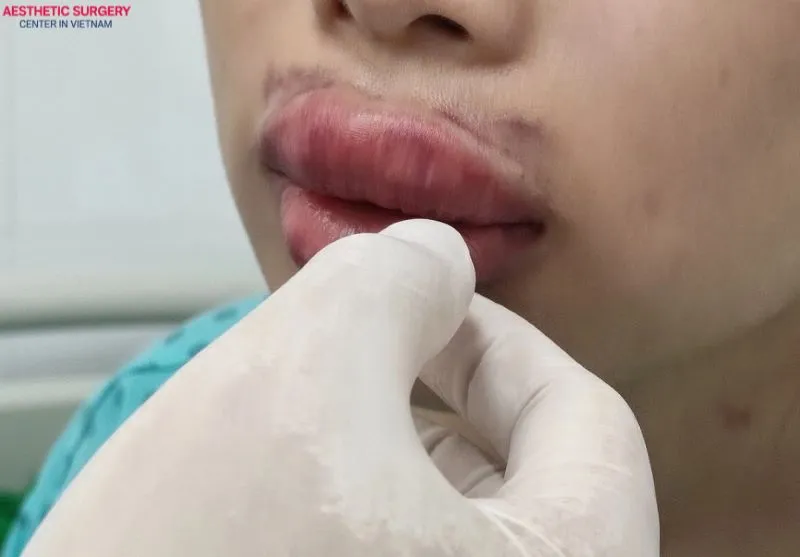
Day 4 – Swelling reduces, comfort improves
From day 4 onwards, you will notice a clear difference. Swelling decreases significantly, and lips start to feel softer. You will feel more comfortable when talking and eating. The shape of your lips begins to look more natural, though it’s not the final result yet.
Day 7 – final shape starts to show
After one week, most swelling has gone down, and any bruising gradually fades. At this point, you can see about 70–80% of the final result. Lips feel soft, and the contours are more defined, close to the shape your surgeon intended.
Day 14 – Swelling subsides completely
By day 14, all remaining swelling has fully resolved. This is when you can see the most accurate and clear results of your lip filler. Your lips will feel soft, balanced, and completely stable.
Week 4 – Optional review or top-up
Surgeons usually recommend a follow-up visit after 2–4 weeks. If you want to add more volume, make minor symmetry adjustments, or for the surgeon to check overall recovery, this is the safest and ideal time to do so.
>>> See more: How long does it take for filler to settle?
Swelling after fillers getting to know more
Swelling is an inevitable reaction after lip filler injections because fillers like hyaluronic acid strongly attract water from surrounding tissues. As a result, the area retains more fluid than usual in the days following the injection, causing puffiness.
Additionally, the presence of filler in the lips triggers the immune system to recognize it as a “foreign substance,” which mobilizes white blood cells to the area, leading to a mild inflammatory response such as swelling, redness, warmth, and slight tenderness. To better understand the causes of this reaction, refer to the next section.
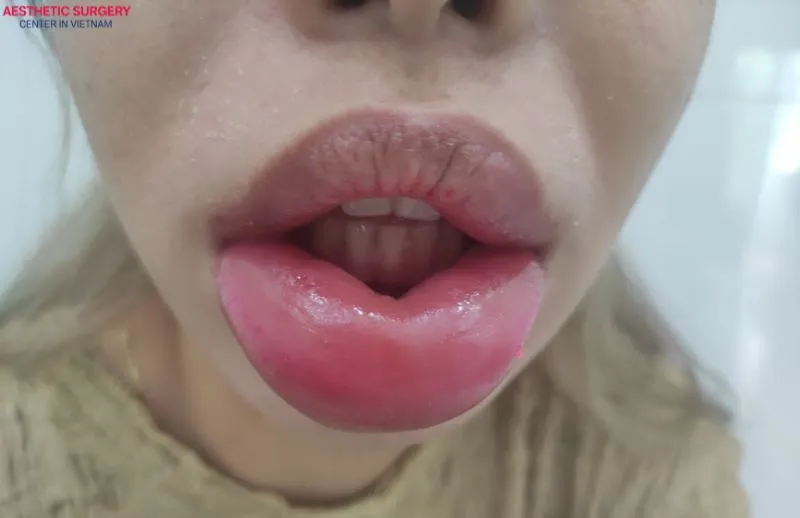
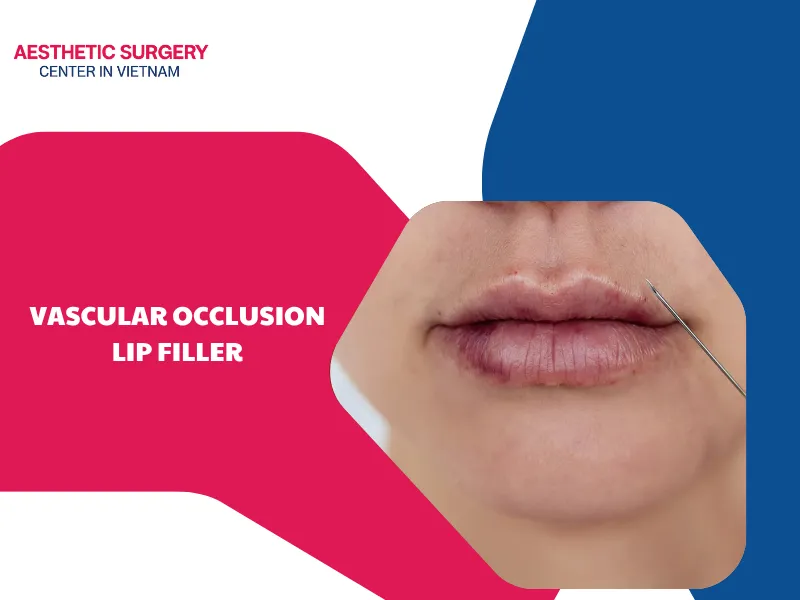
Although swelling is usually a normal reaction and gradually subsides, if it is accompanied by severe pain, spreads to surrounding areas, causes unusual skin color changes (bluish or pale), or does not decrease after 2 weeks, you should contact your surgeon immediately for timely care.
Why does swelling happen after the procedure?
As you know, lip swelling after filler injections is completely normal. It results from a combination of factors. Here are the main reasons explaining why your lips swell after filler treatment:
Soft Tissue Trauma and Inflammatory Response
The needle passing through the skin and tissue causes minor mechanical injury, triggering the body’s natural immune response to heal, which leads to swelling. This reaction involves increased blood flow to the affected area and the release of inflammatory mediators. As a result, the injection site may become swollen, red, and slightly tender. Essentially, the body is “repairing” the small damage caused by the needle.
Water-Retention Property of Hyaluronic Acid
Hyaluronic acid is highly hydrophilic and can absorb and hold many times its weight in water. When injected into the lip tissue, it draws water from surrounding tissues, causing swelling in the first few days. This water-attracting property is the main reason for most of the early swelling as the filler gradually settles and absorbs fluid from the body.
Anesthetic Solution
Many HA fillers come pre-mixed with lidocaine, a local anesthetic, to reduce pain during injection. This solution can also temporarily increase volume and contribute to initial swelling.
Body’s Reaction Mechanism
The lips have a dense network of blood vessels and nerves, and the skin is very thin and sensitive. This makes lips more prone to swelling and bruising compared to other areas of the body.
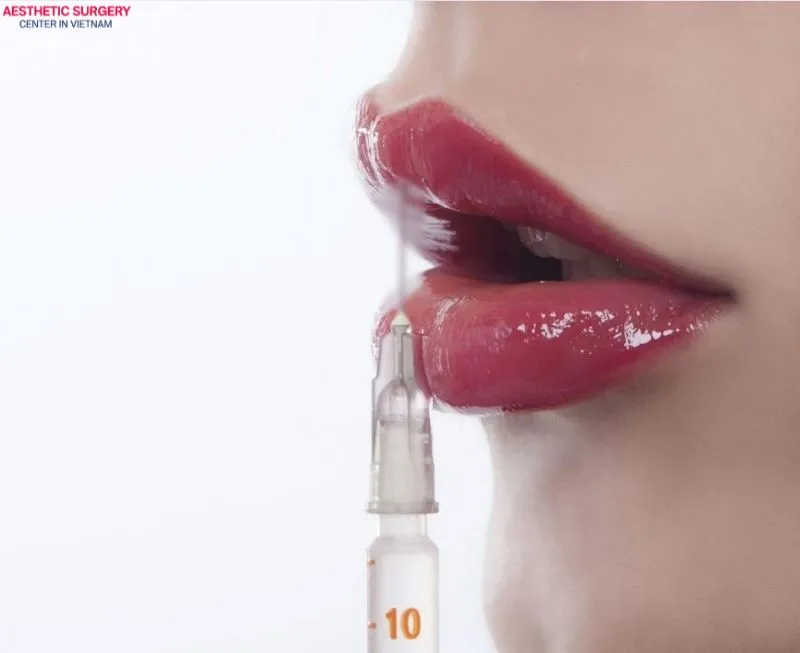
In summary, lip swelling after filler injections occurs due to multiple factors, mainly minor trauma from the needle and the water-retention properties of HA filler. This is a normal part of the recovery process and usually subsides within a few days, disappearing completely in about two weeks. Following your surgeon’s filler aftercare instructions is essential to manage swelling and bruising effectively.
>>> See more: How long does it take for chin filler to heal?
How to reduce swelling after fillers?
Proper aftercare helps you navigate the lip filler swelling stages comfortably and shortens recovery time. Here are ways to reduce swelling after injections:
- Cold compress: Use a cold pack or ice wrapped in a clean cloth and gently apply to the lips during the first 48 hours. Apply for 10–15 minutes every hour to constrict blood vessels, reduce swelling, and minimize bruising.
- Elevate your head while sleeping: Use an extra pillow to keep your head elevated. This helps prevent fluid and blood from pooling in the face and lips, reducing swelling.
- Stay hydrated and limit salt: Drink plenty of water to help flush out excess fluid. Limit high-sodium foods, as salt causes the body to retain water and can worsen swelling.
- Avoid high heat and strenuous activity: Avoid saunas, hot showers, steam rooms, or intense exercise for at least 48 hours. High temperatures dilate blood vessels and increase swelling.
- Avoid blood-thinning medications: Refrain from using aspirin, ibuprofen (NSAIDs), fish oil, vitamin E, or other blood-thinning supplements a few days before and after injections.
- Do not touch or massage lips: Avoid rubbing, pressing, or massaging the lips unless instructed by your surgeon, as this can move the filler before it fully settles.
By reading this article, you should now have a clear understanding of how lip swelling occurs. Be aware of the timelines and signs associated with the different lip filler swelling stages to care for your lips properly and take action if any unusual symptoms appear. Most importantly, when choosing to get lip filler, select a reputable clinic with skilled surgeons to minimize mistakes and avoid complications from dermal fillers. We hope this article provides useful information for anyone considering lip filler injections.
>>> See more: Natural-looking results with Botox and fillers














Comment on the post