


In East Asian beauty standards, a refined nose with a slim tip is always a highlight that brings harmony to the face. However, the flaw of an upturned nose characterized by a short bridge and an upward-pointing tip that exposes the nostrils often makes many people feel self-conscious in communication and face difficulties when applying makeup to hide defects. Fortunately, with the breakthrough development of modern aesthetic technology, correcting rhinoplasty upturned nose is no longer overly complicated, helping you achieve a “golden ratio” nose shape and feel more confident in your appearance.
What is an upturned Nose?
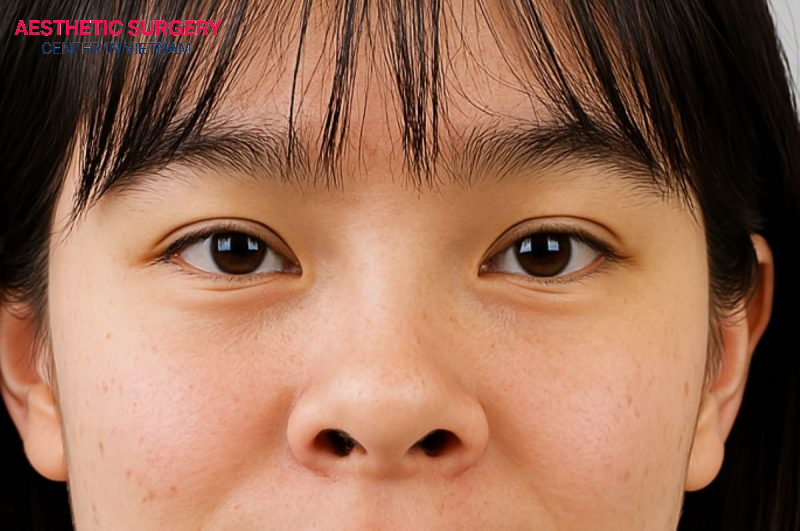
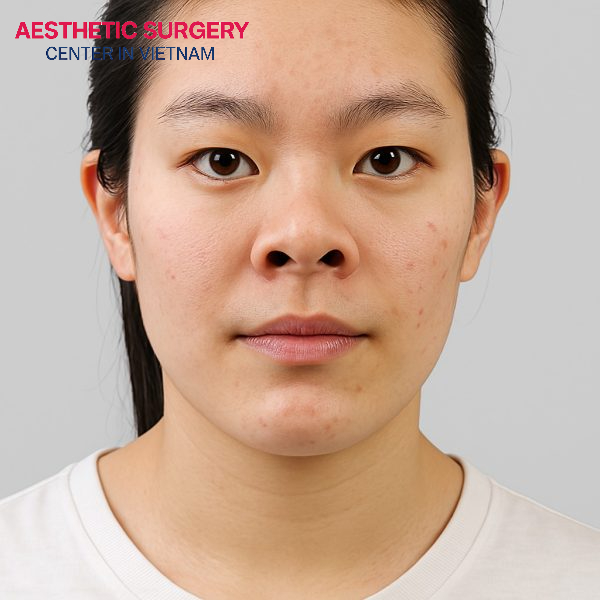
An upturned nose is a condition where the nasal tip points upward at an angle of 100 – 105 degrees, making the nostrils highly visible from a direct frontal view. Additionally, this nose shape features a short length and a bridge that is either straight or slightly concave. This is a common anthropometric feature in East Asians, often resulting from genetic structure or surgical intervention. While some view this as a unique part of their beauty, others see it as a feature that causes facial imbalance.
From a medical perspective, an upturned nose can cause breathing difficulties because the upward rotation of the tip narrows the airway, creating a barrier to airflow.
According to physiognomy (face reading), an upturned nose is often not highly valued. It is considered a “wealth-leaking” nose shape; owners are thought to have difficulty keeping money and are prone to financial loss. While people with this nose shape are often seen as generous, they may sometimes lack depth or careful calculation for the future.
Characteristics of an upturned nose
To accurately identify an upturned nose, we look not only with the naked eye but also at geometric facial indices. An “upturned” nose typically gathers the following traits:
- Nasolabial angle: This angle is usually larger than 105°, causing the tip to flip upward. In a standard nose, the angle between the base of the nose and the lip ranges from 90 – 100 degrees.
- Short bridge length: The bridge is often very short, making the face look wider or shorter than it actually is. The distance from the alar base to the tip is insufficient to cover the nostrils.
- Exposed nostrils: When standing face-to-face, the inside of the nostrils is clearly visible. This is sometimes colloquially referred to as “pomegranate seed nostrils.”
- Coarse and upturned tip: The tip points toward the forehead; the tissue at the tip is often thin or retracted, revealing the internal cartilage structure.
- Profile view: At a 90° angle, the curve from the bridge to the tip lacks a soft slope and is often “broken” by the high-tilted tip. The overall shape looks like a right triangle with a short hypotenuse.
Causes of an upturned nose
An upturned nose can result from various factors, ranging from internal natural elements to unwanted external impacts:
- Congenital and genetic factors: The most common cause, originating from the womb. If the nasal bones and septal cartilage do not develop fully in length, there is a shortage of soft tissue and skin at the tip to cover the nostrils.
- Complications from failed plastic surgery: This occurs when rhinoplasty is performed at disreputable facilities or uses unsuitable materials. Long-term use of artificial cartilage that is too long or too stiff can cause capsular contracture, pulling the tip skin upward. Infections that are not handled correctly can also cause scar tissue to contract, deforming the nose.
- Trauma and accidents: Strong direct impacts can break the nasal bones or severely damage the support cartilage system. If these structures heal in a displaced or collapsed position without timely medical intervention, the nose may become significantly shorter or upturned.
Upturned nose rhinoplasty
Correcting an upturned nose is one of the most difficult techniques in rhinoplasty because it is not just about raising the bridge but reconstructing the entire nose. This involves changing the position of the cartilage and the shape of the bone.
For upturned noses, specialists usually prescribe Structural Rhinoplasty rather than standard cartilage placement. Surgeons use the patient’s own cartilage (usually septal or rib cartilage) to rebuild a sturdy nasal pillar, helping to extend the tip downward. By completely releasing old tissue and cartilage layers, the doctor can move the tip to a new position, covering the nostrils without putting excessive pressure on the skin. Used to shape a rounded, natural tip, preventing future redness or “shining” of the bridge.

How much does upturned nose rhinoplasty cost?
The cost currently varies widely depending on the severity, the type of cartilage used, and the current condition of the nose.
| Nasal Condition | Prescribed Method | Estimated Price (VNĐ) |
| Mild Upturned | Basic Structural Rhinoplasty | 30,000,000 – 45,000,000 |
| Severe/Congenital Short | Nanoform/Surgiform Structural Rhinoplasty | 45,000,000 – 75,000,000 |
| Complication (Contracture) | Reconstruction + Capsular Release | 50,000,000 – 90,000,000 |
| Weak Foundation | Autogenous Rib Cartilage Rhinoplasty | 80,000,000 – 150,000,000 |
Expectations, risks, and potential drawbacks
Correcting an upturned nose is a major cosmetic transformation, but because it’s an invasive procedure, you need to be realistic about both the benefits and the potential risks.
Realistic Expectations
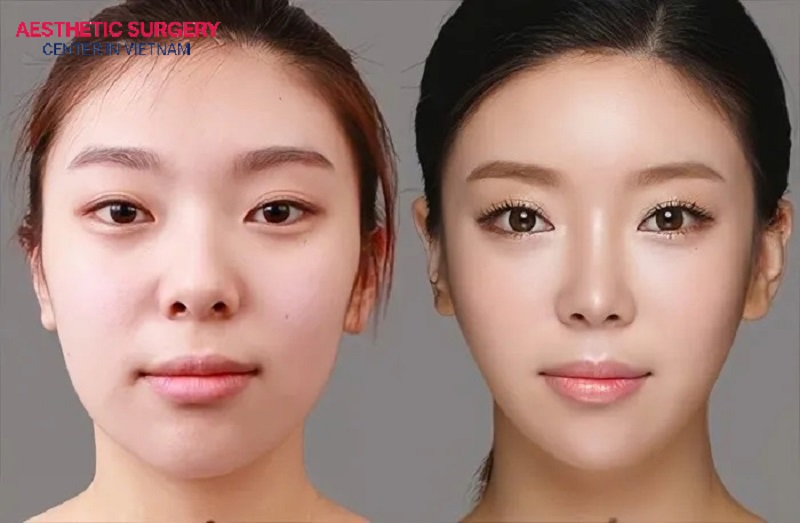
- Harmonious face: Extending the tip balances the lower third of the face. “Lemon seed” shaped nostrils create a sophisticated look.
- Physiognomy change: Removing the “wealth-leaking” shape provides confidence and peace of mind.
- Improved profile: A natural “lift” to the nose without the feeling of it being “cut short” from the side.
Potential risks
Like any surgery, rhinoplasty to correct an upturned nose also carries risks if not performed correctly:
- Infection: The biggest risk. If infected, tissue will fibrose, leading to worse contracture than before the surgery.
- Redness/Exposed bridge: Occurs if the doctor tries to over-extend the tip without using enough autologous cartilage for cushioning, causing the skin to thin and stretch.
- Deviated septum: If the pillar is not sturdy or the cartilage warps during healing, the nose may lean to one side.
Drawbacks
Even if the surgery is a resounding success, there are still some “downsides” you have to accept:
- Stiff tip: To maintain the new shape, the structure must be very firm. The tip will feel harder than a natural nose.
- Longer recovery: As it is a structural surgery, swelling lasts longer, taking 3-6 months to fully soften.
- The cost of rhinoplasty is higher: Usually 1.5 – 2 times more expensive than standard rhinoplasty.
- Length limitations: If the skin on your nasal tip is too thin or too sparse, the doctor cannot extend the nose but must stop at a safe level to avoid puncturing the skin.
Recovery and post-operative care
The post-operative care process accounts for 30% of the surgery’s success and the natural look of the nose, especially for complex procedures like upturned nose correction. Below is the recovery timeline and important notes for your journey:
Recovery timeline
- The first 2–3 days: Swelling and slight bruising around the eye area may occur. This is a normal reaction of the body. You should wear the protective splint 24/7.
- 7–10 days: Return to the clinic for suture removal and splint removal. At this point, the new nose shape will be more visible, although some swelling remains.
- The first month: The nose shape enters a stable phase. However, the nasal tip may still feel firm as the new cartilage structure integrates with the soft tissue.
- 3–6 months: The nose becomes completely soft, the contours appear as natural as a real nose, and long-term stability is achieved.
Home care instructions
- For the first 48 hours, apply cold compresses around the nose (avoid getting water on the wound) to manage the initial rhinoplasty swelling stages and reduce inflammation. From the 3rd day, switch to warm compresses to help dissipate bruising and further aid the healing process.
- Use a cotton swab dipped in physiological saline to gently clean the columella (nasal pillar) and the inside of the nostrils daily.
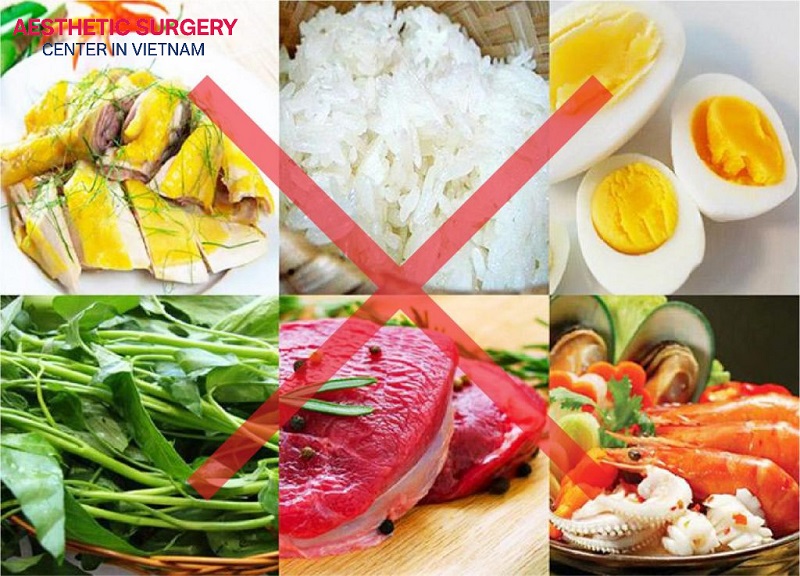
- Avoid foods that may cause keloid scarring or itching, such as water spinach, beef, seafood, and sticky rice.
- Do not consume alcohol, beer, or tobacco, as they slow down the healing process and increase the risk of infection.
- Prioritize foods rich in Vitamin C and A (such as oranges, carrots, and avocados) and drink plenty of water to boost your resistance.
- To ensure the best results, knowing how to sleep after rhinoplasty is essential; you should always sleep on your back for at least the first 2 weeks to prevent the nose from shifting before it has fully stabilized.
- Avoid high-intensity exercises (gym, swimming,…) for at least 1 month. Do not wear heavy-framed glasses, and avoid touching, squeezing, or any strong impact on the nose area.
While an rhinoplasty upturned nose can make the face look less harmonious, modern methods can fix it effectively. However, ensure you visit a reputable facility to avoid unwanted risks.









Comment on the post