


Every beauty enthusiast dreams of owning a delicate, harmonious nose. However, the journey to perfecting one’s appearance isn’t always a bed of roses. In reality, many cases of botched rhinoplasty due to various objective and subjective factors, directly impact both aesthetics and health. Recognizing abnormal signs early and understanding how to handle them are the keys to protecting yourself on the path of self-transformation. This article will provide you with all the essential details.
What is a botched rhinoplasty?
A bad rhinoplasty refers to a situation where the nose’s appearance after cosmetic surgery does not achieve the desired results or, more seriously, involves complications that affect health and respiratory function.
The signs of a failed rhinoplasty are diverse, ranging from aesthetic issues such as a crooked bridge, visible implants, a red or shiny nasal tip, and cartilage displacement to dangerous clinical symptoms like infection, prolonged swelling and pain, fluid discharge, or capsular contracture leading to nasal deformity.
The causes of this condition often stem from choosing low-quality aesthetic facilities, inexperienced surgeons, incompatible cartilage materials, or improper post-operative care.
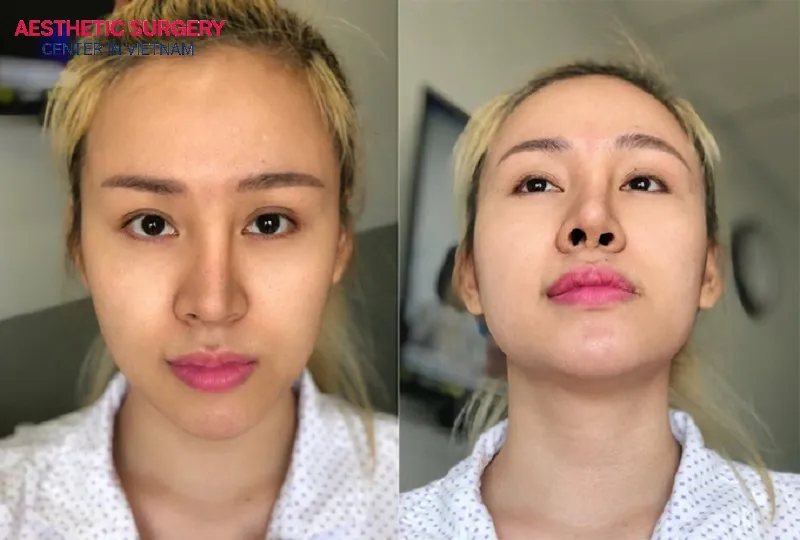
Upon noticing abnormal signs, it is crucial to promptly seek out experienced specialists for an examination. They can perform revision rhinoplasty surgery techniques to correct the errors, restoring a safer and more harmonious nose shape.
Signs of a botched rhinoplasty
Early recognition of the signs that a botched rhinoplasty is crucial for timely intervention and preventing dangerous complications. Below are the typical symptoms:
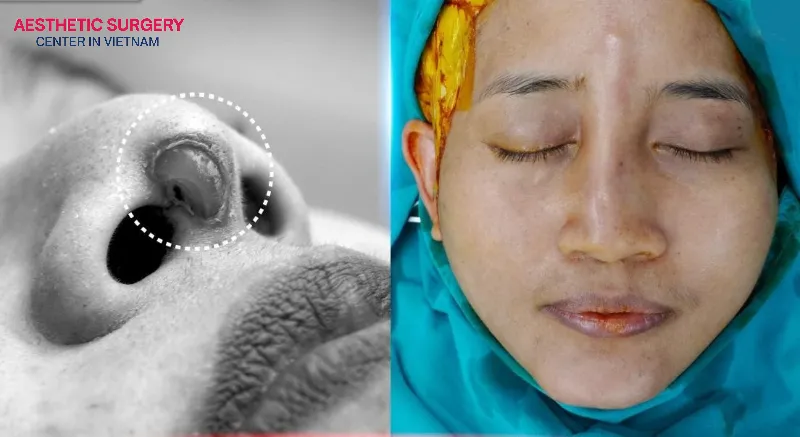
- Red, shiny, or tight nasal tip: The skin at the tip becomes thin, revealing visible blood vessels or turning bright red because the implant is too long or too hard, creating excessive pressure.
- Deviated or crooked bridge: The artificial implant was either placed incorrectly or has shifted, causing the nose to look asymmetrical or lean to one side.
- Visible or protruding implant: You can clearly see the outline of the implant under the skin, or in severe cases, the cartilage may puncture the skin at the tip or tear the internal incision.
- Nasal contraction and upturned tip: Scar tissue (capsular contracture) or infection causes the tissue to shrink, pulling the tip upward and excessively exposing the nostrils.
- Prolonged infection, swelling, and pain: The nose feels hot, stays swollen for more than two weeks, and may be accompanied by foul-smelling discharge or a mild fever.
- Nostril deformity: The nostrils are uneven, pinched, or collapsed on one side due to weak structural support of the nasal columella.
- Septal perforation or breathing difficulties: Deep damage to the internal structure narrows the airway, causing the patient to feel chronically congested.
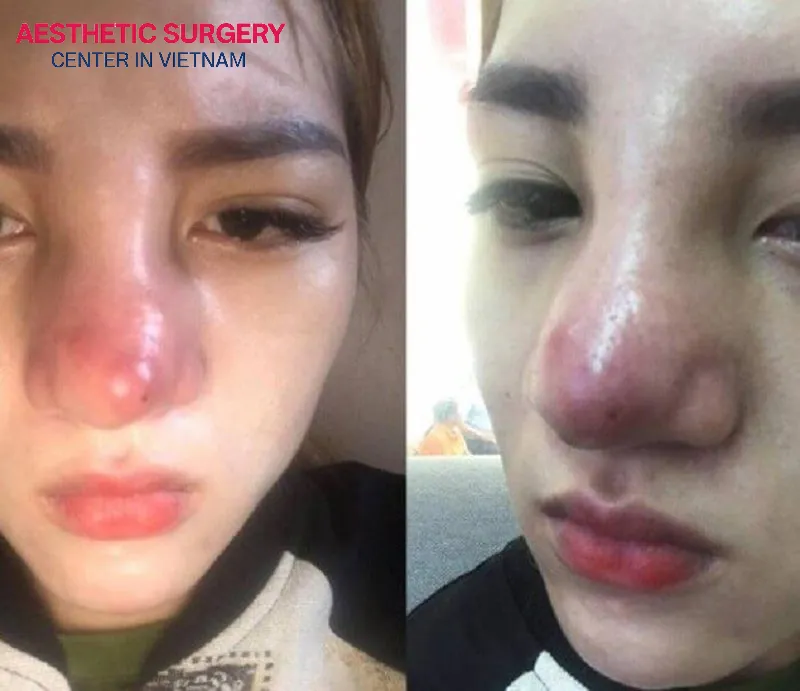
If you are currently dealing with a situation where your rhinoplasty went wrong, do not rush into a revision immediately. Generally, you must wait 3 to 6 months for the nasal tissues to stabilize completely before undergoing revision surgery.
Top reasons why botched rhinoplasty
To find an effective solution, it is essential to identify the exact cause behind a failed procedure. Here are the primary reasons why a rhinoplasty went wrong:
Lack of surgeon skill and experience
An underqualified surgeon may misplace the implant, over-dissect tissue (damaging blood vessels), or miscalculate proportions, leading to a deviated, crooked, or visible bridge once the nose heals. Imprecise techniques can also result in excessive invasiveness, causing scar contracture that deforms the nasal tip.
Use of incompatible graft materials
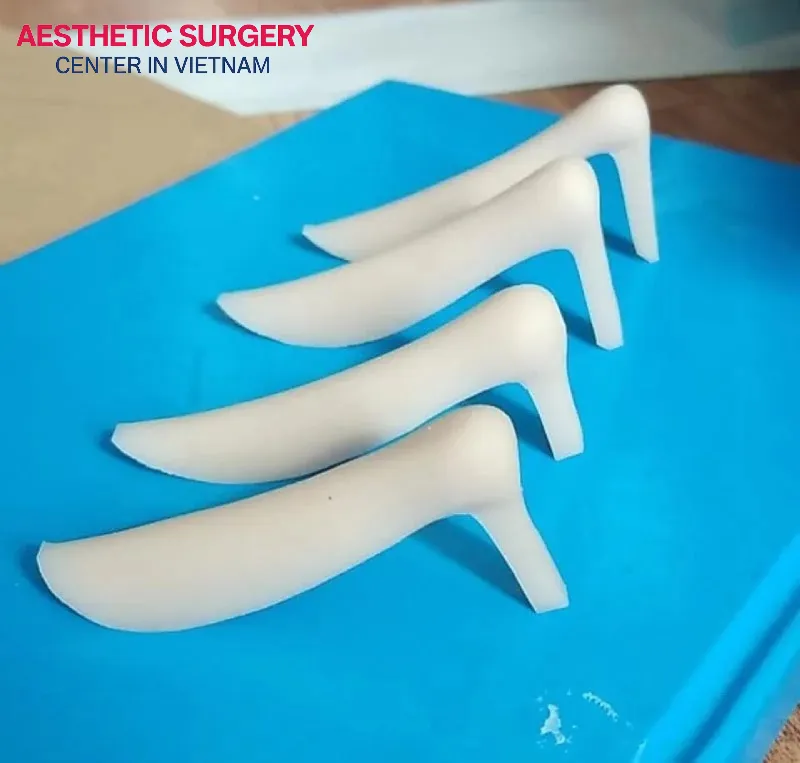
The use of low-quality, overly rigid, or unverified synthetic implants often triggers a rejection reaction. If the body does not accept the foreign material, it can lead to inflammation, redness of the tip, or—in severe cases—skin perforation. Furthermore, the improper use of autologous cartilage (your own tissue) can lead to resorption or shrinkage over time.
Non-sterile surgical environment
Nose surgery must be performed in an absolutely sterile environment. Unlicensed facilities or spas that fail to meet medical standards often neglect the sterilization of equipment and operating rooms. This is a direct catalyst for post-operative infections, causing suppuration (pus), tissue necrosis, and requiring emergency implant removal.
Choosing a shape incompatible with skin structure
Many desire a high “Western-style” bridge, but their natural nasal skin is too thin or their bone structure is too weak. When a surgeon forces an overly high lift without considering skin elasticity, the pressure from the implant will eventually wear down the skin, leading to visible implant outlines, redness, or graft displacement.
Improper post-operative care
Even if the surgery itself is a success, the results can be ruined if the patient fails to follow the doctor’s instructions. Physical trauma to the nose before the graft has stabilized, poor wound hygiene, or consuming foods that trigger keloid scarring and inflammation such as water spinach, sticky rice, or seafood) can lead to infection or distorted suture lines.
Normal healing process or symptoms of complications?
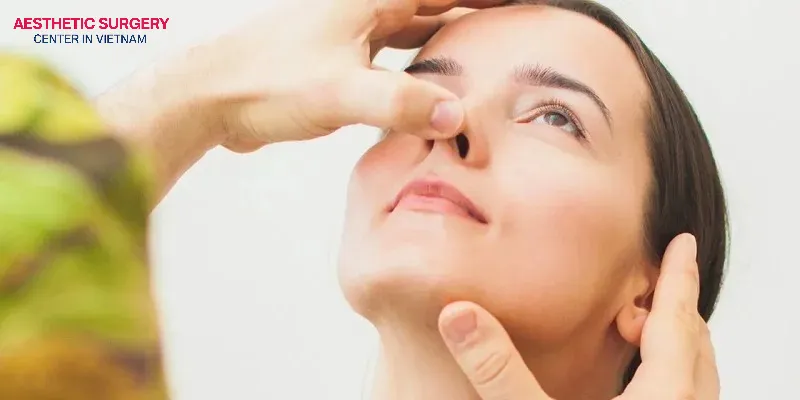
Under normal conditions, it is common to experience swelling and bruising around the eyes and nasal bridge after surgery. However, these symptoms typically peak within the first 48 hours and subside significantly after 7 to 10 days.
Conversely, if you notice that the pain and swelling are not improving but instead worsening-accompanied by a burning sensation, foul-smelling discharge or a high fever-these are red flags for a serious infection.
In particular, symptoms such as thinning of the nasal tip skin, intense redness, or exposed cartilage are never part of a normal recovery. These indicate a rhinoplasty went wrong, likely due to implant displacement or material rejection, and require immediate medical intervention.
Can a botched rhinoplasty be fixed?
It is absolutely possible to correct a failed nose job; however, this is a much more difficult and complex technique compared to the initial surgery. Revision surgery requires a surgeon with exceptionally high expertise to handle hardened scar tissue and restore the damaged nasal structure.
Not every case of a failed rhinoplasty can be repaired immediately. Typically, you need to wait 3 to 6 months or even up to a year in cases of severe contracture—to allow the nasal tissues to soften, blood circulation to stabilize, and inflammation to subside completely.
If the nose experiences acute infection, discharge, or skin perforation, a surgeon will perform an emergency implant removal to clean the nasal cavity. This must be done before waiting for the area to heal for a future revision.
Steps to fix plastic surgery gone wrong
Correcting a failed cosmetic procedure is a journey that requires patience, mental preparation, and medical knowledge. Below is the standard 5-step process to help you safely regain your appearance:
Step 1: Consultation and damage assessment
The first and most crucial step is to seek out a specialist with extensive experience in reconstructive surgery or corrective aesthetics. The doctor will examine the specific issuess uch as infection, deviation (crookedness), contracture, or exposed implants. At this stage, a CT Cone Beam scan may be required to clearly observe the internal bone and cartilage structure to develop the most accurate treatment plan.
Step 2: Addressing emergencies (if any)
If the surgical site shows signs of severe infection, pus, or skin perforation, this step is mandatory. The surgeon will remove the old implants, clean the pocket, and irrigate the area with specialized antiseptic solutions. In these cases, you typically must wait 3 to 6 months for the soft tissue to stabilize and for inflammation to fully subside before proceeding with reconstruction.
Step 3: Selecting the appropriate revision method
Once the tissue has stabilized, the doctor will advise on the best corrective method. For failed rhinoplasty, structural rib cartilage rhinoplasty grafting is often preferred due to its high biocompatibility and superior ability to lengthen a contracted nose tip compared to synthetic materials. For other areas like the eyes, surgeons will focus on releasing scar tissue and reshaping the eyelid crease based on the remaining skin.
Step 4: performing the revision surgery
This is the most critical stage, requiring absolute precision. The surgeon will dissect old scar tissue, realign deviated structures, and place new materials to protect the skin. The goal is not only aesthetic improvement but also functional recovery and long-term safety for the patient.
Step 5: Strict post-operative care
The recovery process after a revision surgery is often longer and more sensitive than the initial procedure. Bruising and rhinoplasty swelling stages may persist, requiring strict adherence to prescribed antibiotics, anti-inflammatory medications, and follow-up schedules. Following massage instructions and maintaining a strict diet will ultimately determine if the eyelid crease or nose shape heals perfectly.
Fix a botched rhinoplasty surgery in Vietnam
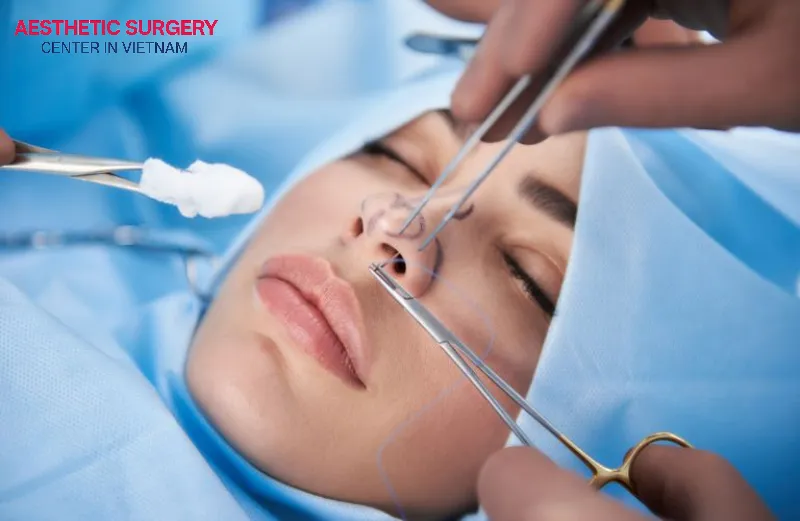
Correcting instances where rhinoplasty went wrong in Vietnam has seen remarkable progress, thanks to the combination of highly skilled surgeons and modern restorative technologies.
The process typically begins with an in-depth consultation and a CT Cone Beam scan to accurately assess the extent of scar tissue, the condition of previous implants, and the underlying bone structure. For cases involving infection or implant protrusion, Vietnamese surgeons generally prioritize removing the old material and cleaning the nasal cavity, followed by a recovery period of 3 to 6 months to allow the soft tissue to stabilize before performing the revision surgery.
Autologous rib cartilage structural rhinoplasty is currently the leading solution for severe complications. This technique helps extend retracted nasal tips, resolve prolonged bruising, and recreate a harmonious, lasting nasal shape. It is crucial to choose major aesthetic hospitals or reputable board-certified surgeons in Ho Chi Minh City to ensure safety, minimize risks, and achieve the most natural aesthetic results. If you are unsure which facility to choose, Aesthetic Surgery Centerin Vietnam is a highly recommended option.
We hope the information shared regarding botched rhinoplasty surgeries has helped you understand how to address these issues. If you notice any signs of complications, you should visit a reputable facility immediately for a timely examination and treatment.













Comment on the post